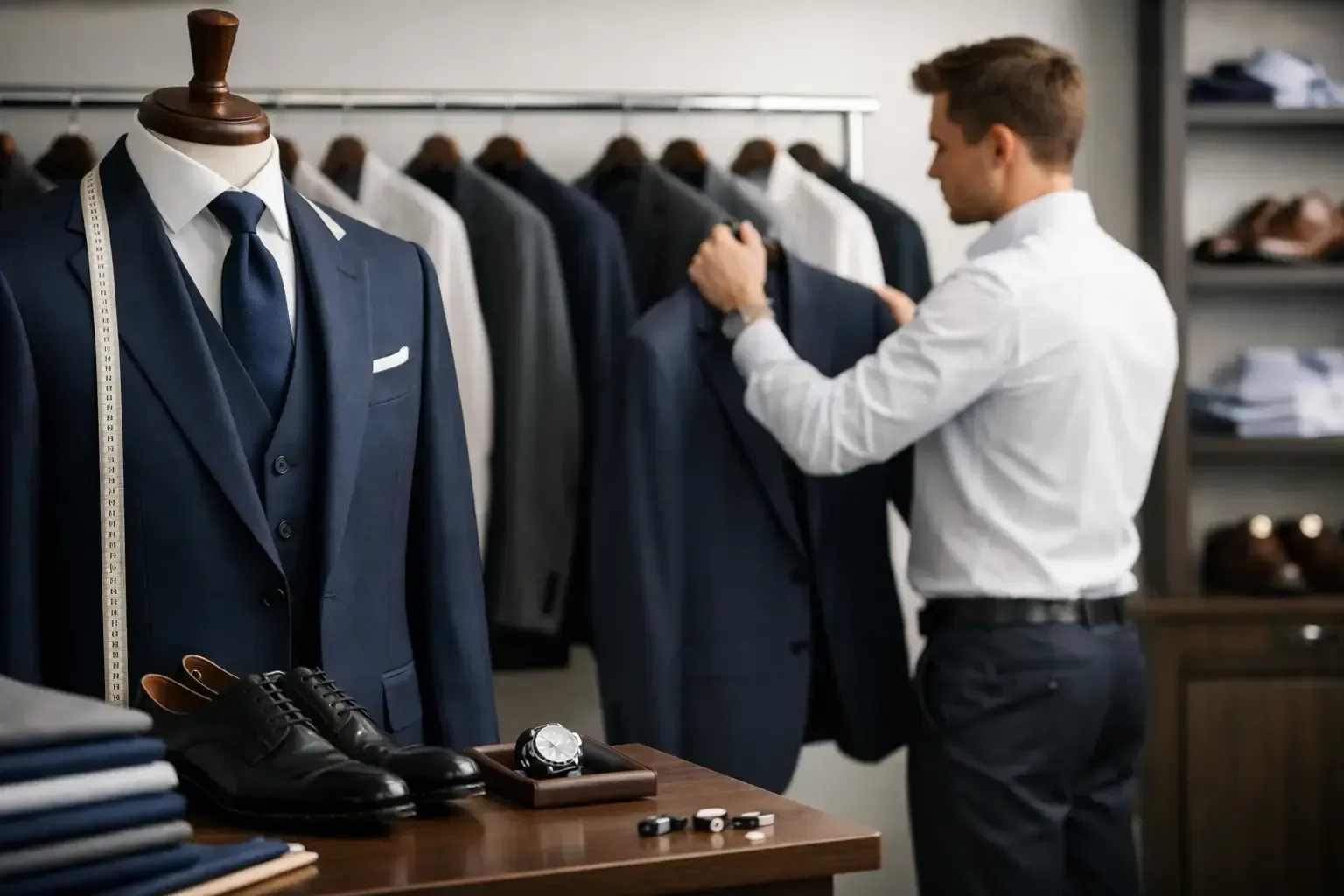

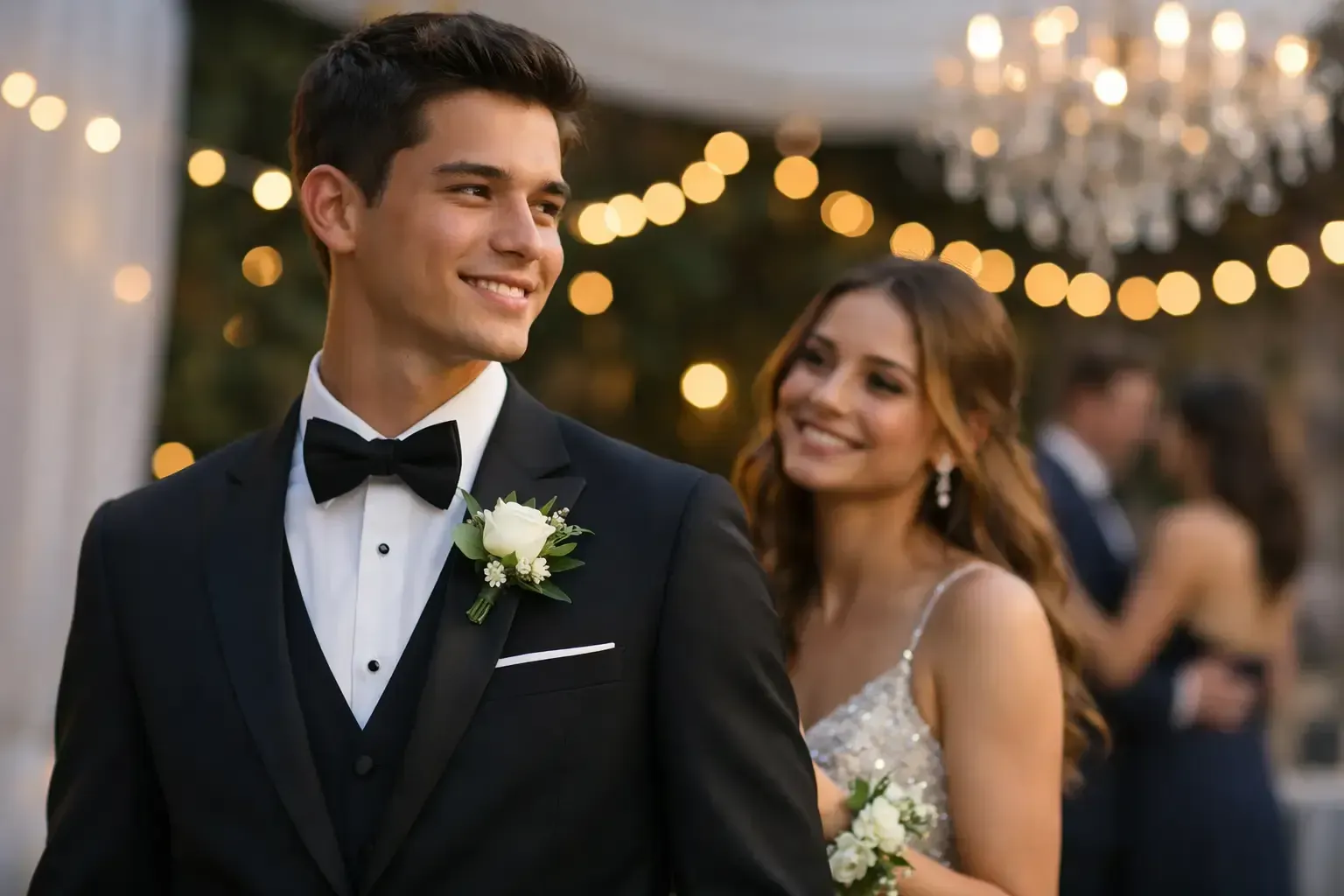
The photos last forever. That is why the top groom style mistakes are rarely about doing too little - they usually come from making rushed decisions, copying someone else’s look, or assuming any formalwear will do.
A groom does not need to look flashy. He needs to look composed, intentional, and completely at ease in what he is wearing. The right wedding look should feel aligned with the setting, the season, and most importantly, the man wearing it. When those pieces are out of sync, even an expensive suit or tuxedo can fall flat.
Why top groom style mistakes happen
Most grooms do not wear formal clothing every week, so they are making high-stakes style decisions without much repetition or context. Add timelines, opinions from family and friends, venue requirements, and a flood of online inspiration, and it becomes easy to focus on trends instead of proportion, fit, and occasion.
That is also why the best groom style decisions are rarely accidental. They come from planning early, choosing with clarity, and working with someone who understands how clothing should support presence rather than distract from it.
The top groom style mistakes that change the whole look
1. Waiting too long to make decisions
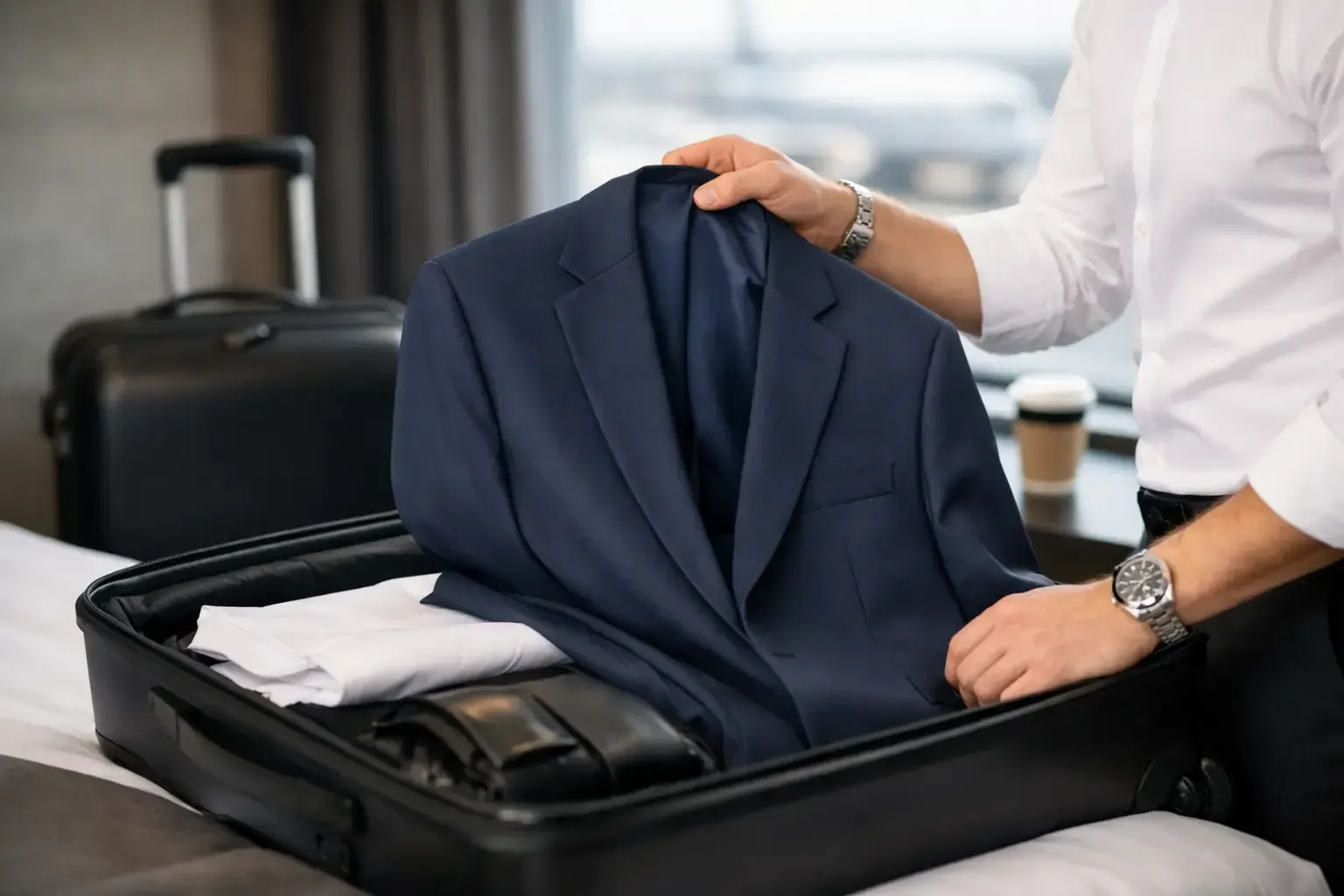
This is one of the most common and costly mistakes. A wedding wardrobe is not just a suit selection. It often involves fabric choice, silhouette, shirt styling, shoe coordination, alterations, and decisions about the groom party if others need to align visually.
When everything is left until the final weeks, the groom loses options. Fabric availability may narrow. Fit adjustments become more stressful. Small details that create a polished result get skipped because there is no time left to refine them.
A better approach is to start early enough that decisions feel considered rather than urgent. That extra time shows in the final look.
2. Choosing the wrong level of formality
A tuxedo at a rustic daytime venue can feel overdone. A simple business suit at a black-tie evening wedding can look underdressed. One of the top groom style mistakes is treating all weddings as if they require the same formula.
Formality should match the event. The venue, time of day, dress code, season, and overall atmosphere all matter. A formal ballroom celebration calls for different styling than a coastal ceremony or a modern city wedding.
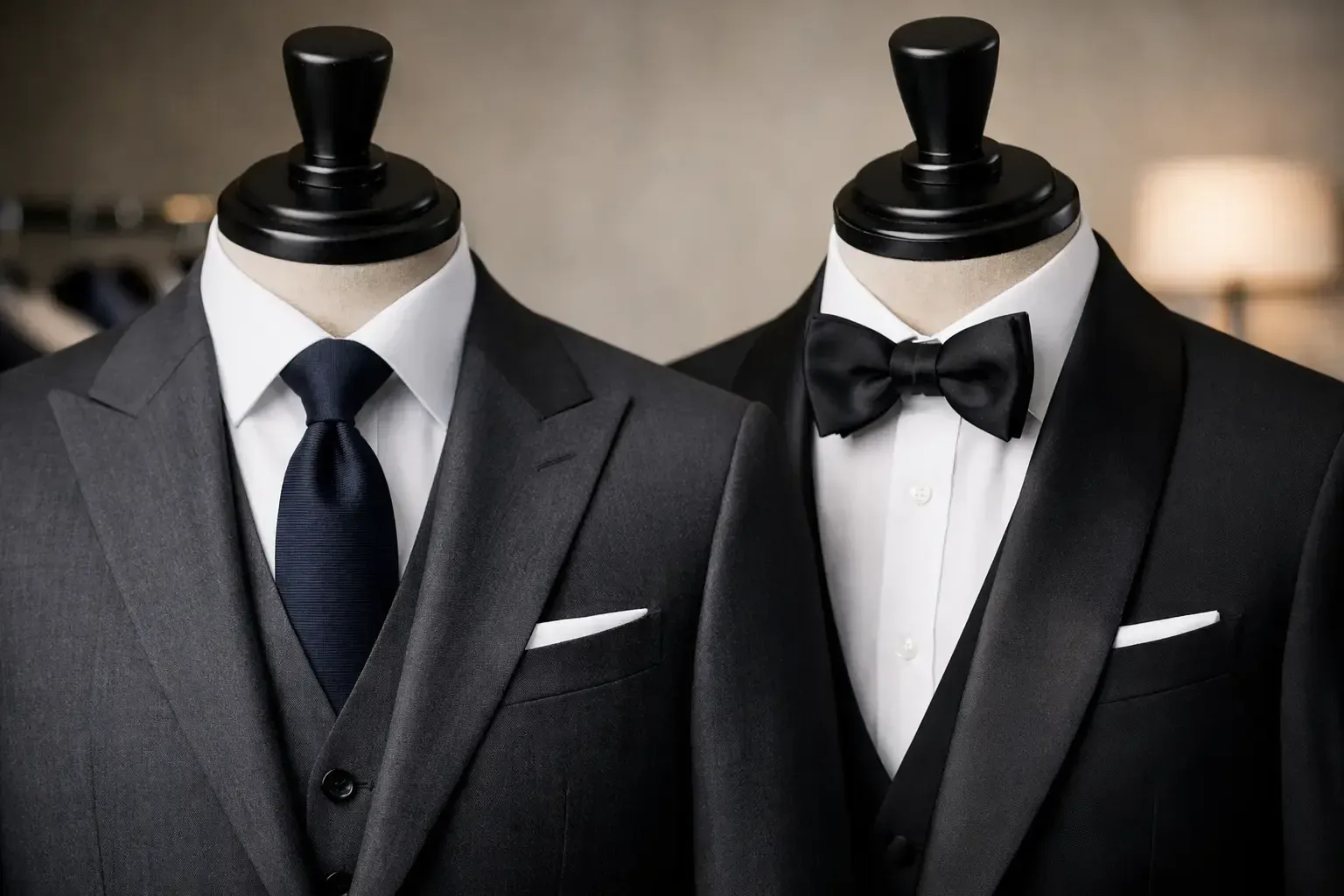
This does not mean the groom has fewer options. It means the options should be intentional. A classic tuxedo, a sharply tailored suit, or a textured dinner jacket can all be excellent choices when they fit the context.
3. Prioritizing trend over personal style
Wedding style is especially vulnerable to trend pressure. Social media creates the impression that every groom needs a bold colored jacket, cropped trousers, oversized lapels, or statement accessories. Sometimes those choices are striking. Sometimes they date the photos almost immediately.
The goal is not to ignore current style. The goal is to wear it selectively. If a trend complements your frame, your taste, and the tone of the wedding, it may work beautifully. If it feels like a costume, it probably is.
Timeless does not mean boring. It means the garment still looks strong when the trend cycle moves on.
4. Getting the fit almost right
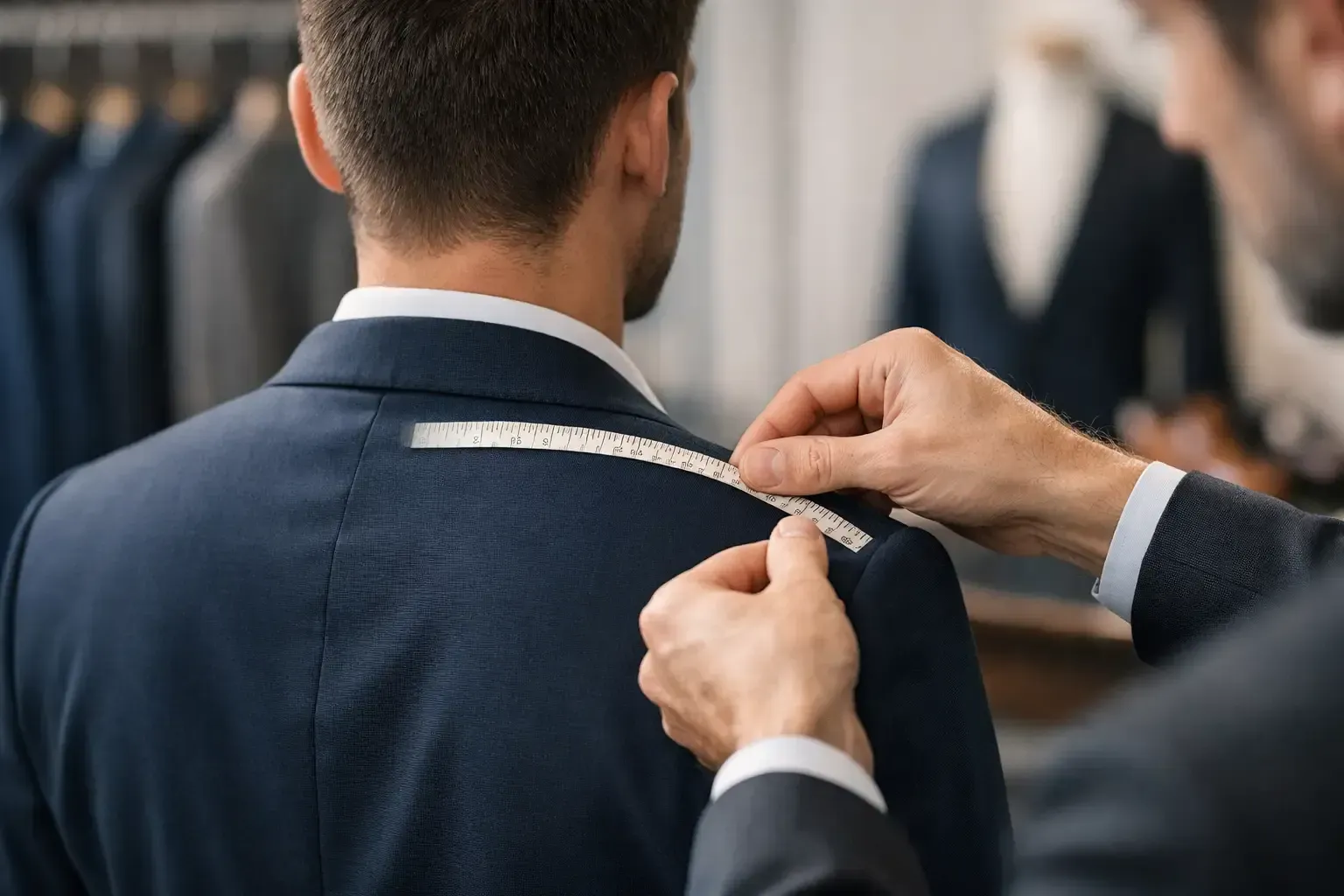
Almost right is not right in formalwear. A shoulder that extends too far, a jacket that pulls at the button, trousers that collapse at the ankle, or sleeves that hide the shirt cuff can all weaken the look instantly.
Fit is where confidence begins. A properly tailored garment creates clean lines, better posture, and a more elevated silhouette without forcing anything. That matters even more on a wedding day, when the groom is standing, sitting, dancing, greeting guests, and being photographed from every angle.
This is often where off-the-rack limitations show up most clearly. Men with athletic builds, broader shoulders, slimmer frames, or proportions that do not match standard sizing often settle for compromises that become obvious in person and in photos.
5. Ignoring the shirt, shoes, and finishing details
A strong jacket cannot rescue weak supporting pieces. Some grooms put all their attention on the suit or tuxedo and treat the rest as afterthoughts. That is where the outfit starts to lose cohesion.
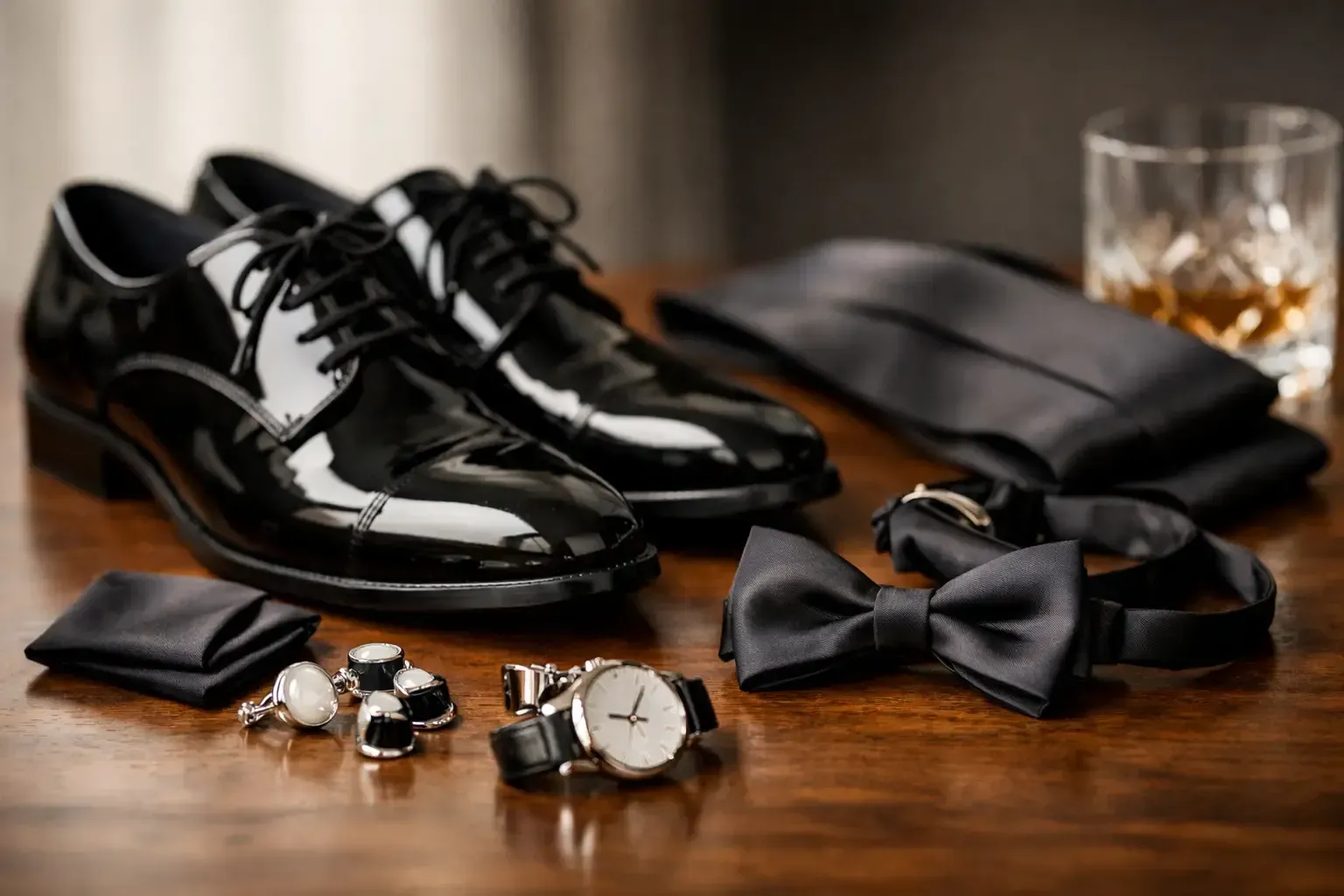
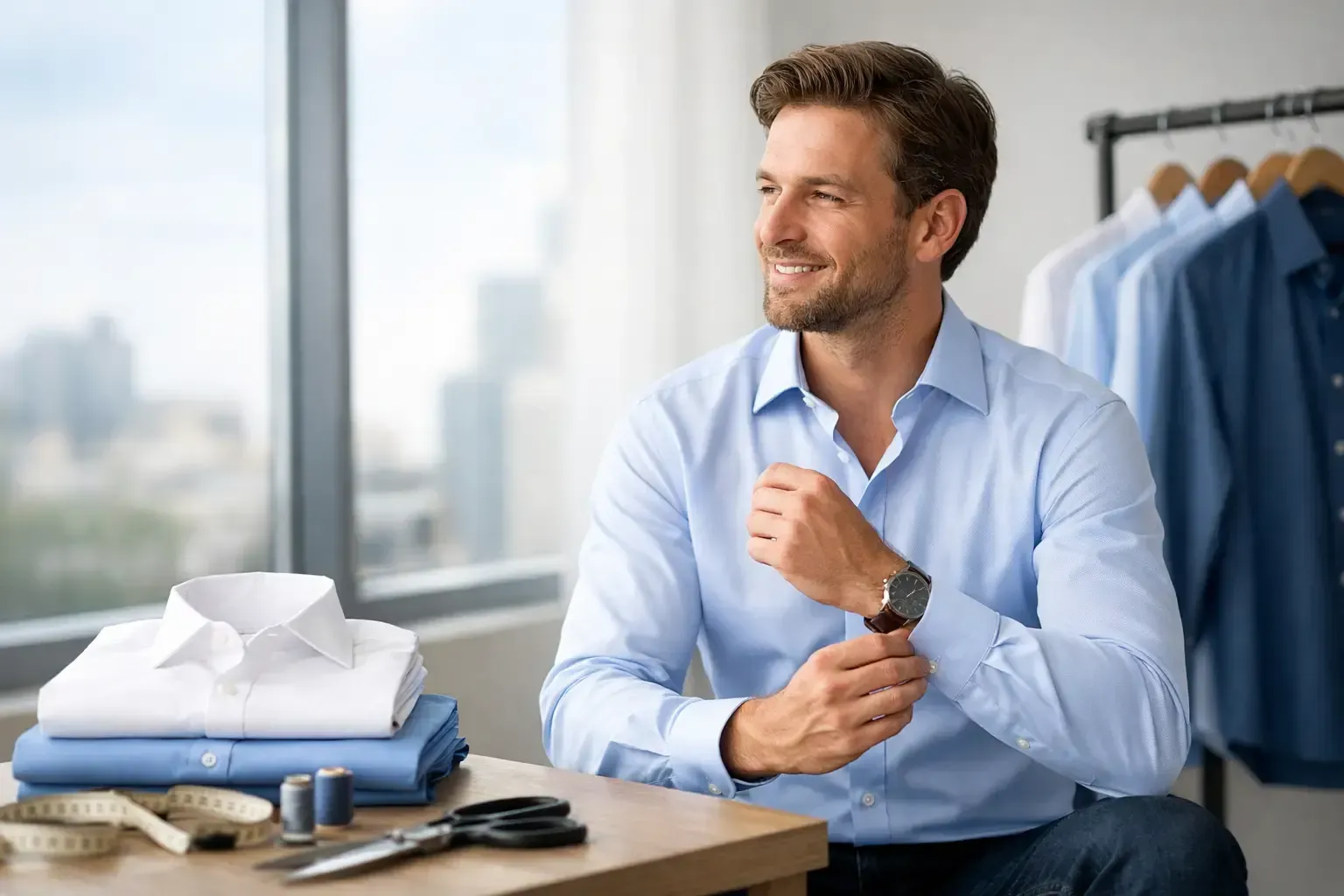
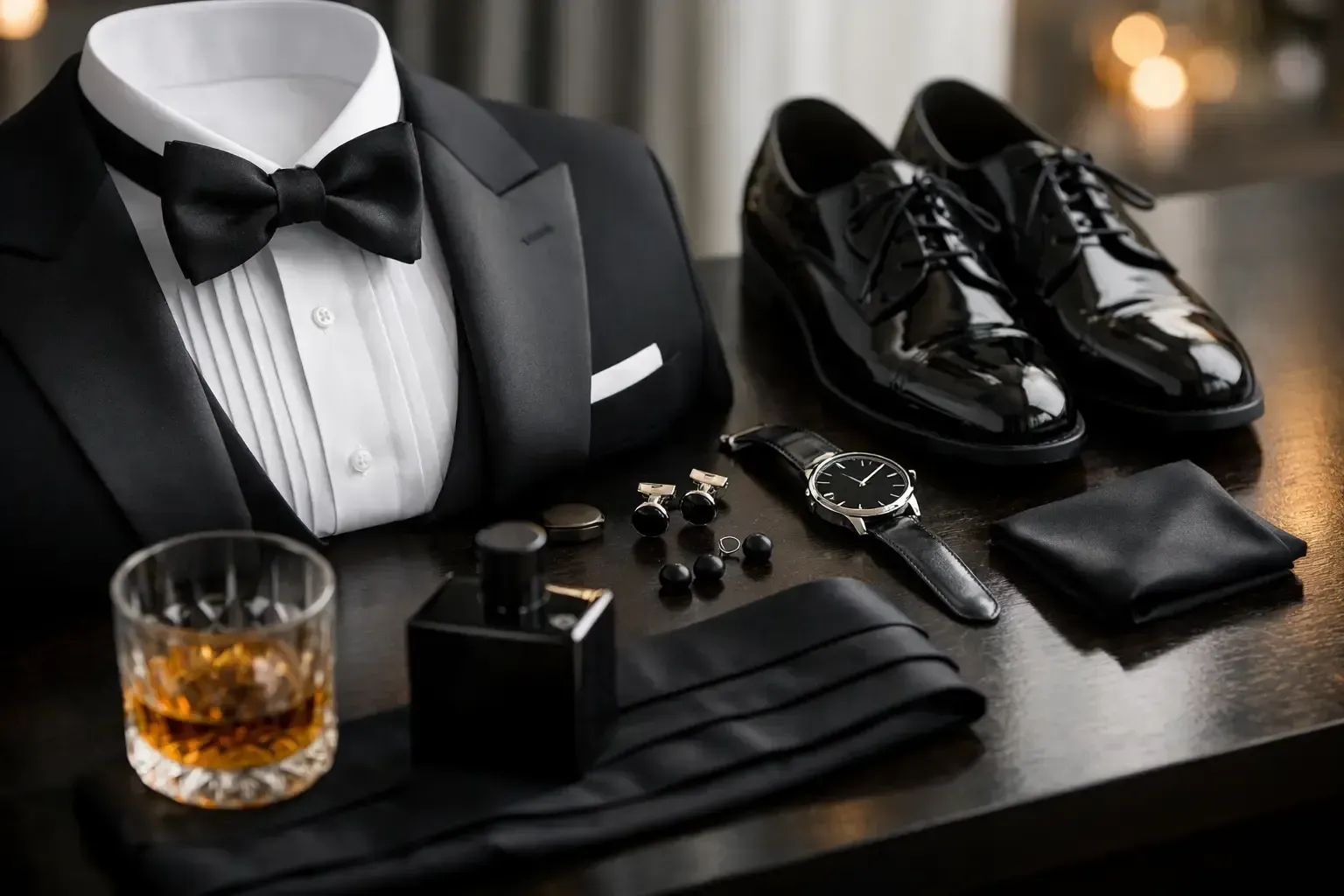
The shirt should complement the formality and fit cleanly under the jacket. The tie or bow tie should feel proportionate. Shoes should be polished, appropriate for the look, and broken in before the event. Even details like pocket squares, cufflinks, studs, and socks should feel considered rather than random.
Good styling is not about adding more. It is about making sure every visible element belongs.
6. Dressing like the groomsmen instead of leading the look
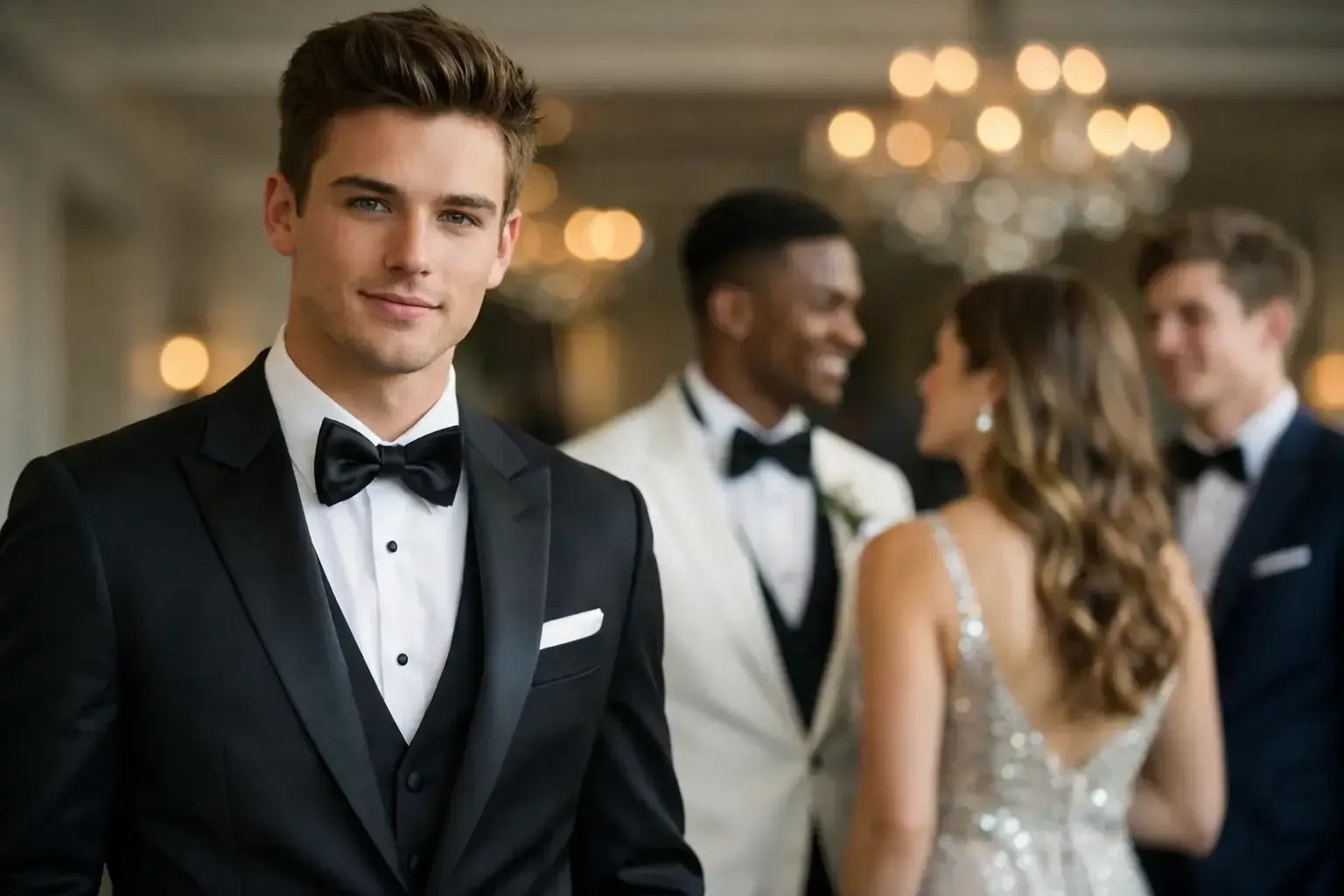
The groom should feel connected to the wedding party, but he should not disappear into it. When everyone is styled exactly the same, the groom can lose visual distinction at the very moment he should look most defined.
That distinction does not need to be dramatic. It can come from a different jacket, a richer fabric, a refined lapel, a unique tie choice, or subtle custom details. The balance is important - coordinated, not identical.
This is especially useful in wedding photography, where slight differences help the groom stand out with elegance rather than obvious contrast.
7. Choosing color without considering skin tone, season, and lighting
Color looks different in a fitting room than it does outdoors, under ballroom lighting, or in evening photography. A shade that seems fashionable on a hanger may not flatter the wearer or suit the setting.
Midnight, navy, charcoal, black, ivory, forest green, and even select earth tones can all be excellent choices, but the best option depends on more than taste alone. Complexion, wedding palette, venue, and season should all influence the decision.
This is where guidance matters. The right color can sharpen the complexion, enhance the fabric, and make the entire outfit feel more expensive. The wrong one can dull the overall impression, even if the garment itself is well made.
Avoiding top groom style mistakes starts with the right process
Many style problems begin long before the wedding day. They begin with guesswork. A groom sees a look online, tries to recreate it quickly, and assumes the result will translate. In reality, formalwear works best when it is built around the individual.
That means taking body shape seriously. It means accounting for comfort and movement, not just mirror appeal. It means understanding whether the event calls for softness, structure, drama, or restraint. And it means allowing enough time for refinement.
A bespoke or custom approach is valuable because it replaces compromise with intention. Instead of asking which size is close enough, the conversation becomes which cut, fabric, and details create the strongest version of the groom’s look. For many clients, that shift changes not only the appearance of the garment but also how they carry themselves in it.
At Kamran Bespoke, that process is centered on personal guidance, precision fit, and garments tailored to the occasion rather than pulled from a rack and adjusted as best as possible. For a wedding, that level of care is not excessive. It is appropriate.
What a groom should aim for instead
The strongest wedding style does not beg for attention. It reads clearly the moment you see it. The fit is sharp. The fabric suits the setting. The details feel intentional. Nothing looks forced, and nothing looks forgotten.
That standard applies whether the groom chooses a classic black tuxedo, a modern peak-lapel dinner jacket, or a tailored suit with subtle texture and depth. There is room for personality, but it should come through in controlled ways - a distinctive lining, a carefully chosen boutonniere, a meaningful accessory, or a fabric with quiet character.
A groom should look like himself, elevated. Not like a trend board. Not like a rental ad. Not like someone who made five separate decisions that never became one cohesive look.
If there is one principle worth remembering, it is this: style is most powerful when it feels settled. The right wedding garment should let the groom focus less on what he is wearing and more on the moment he is stepping into.