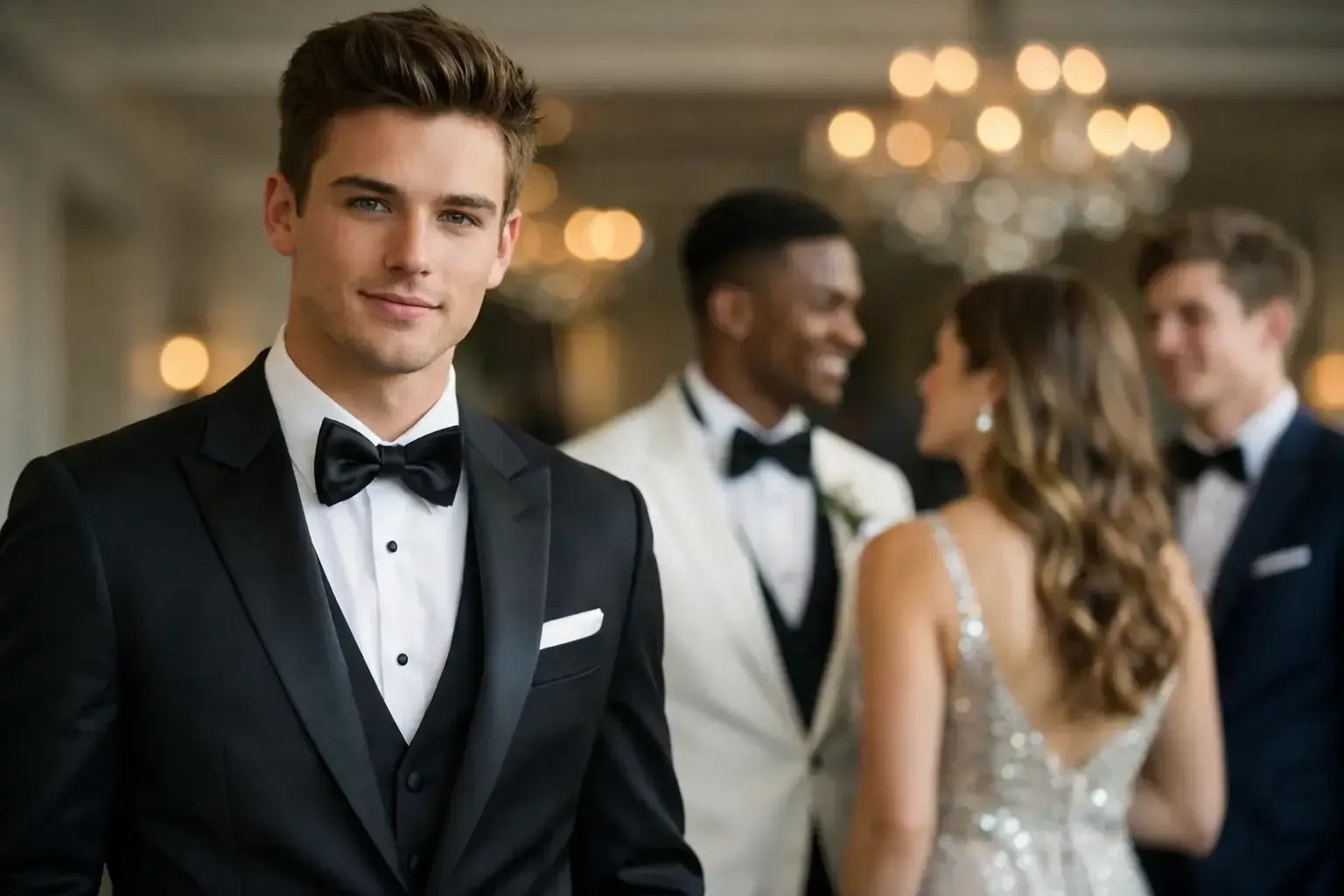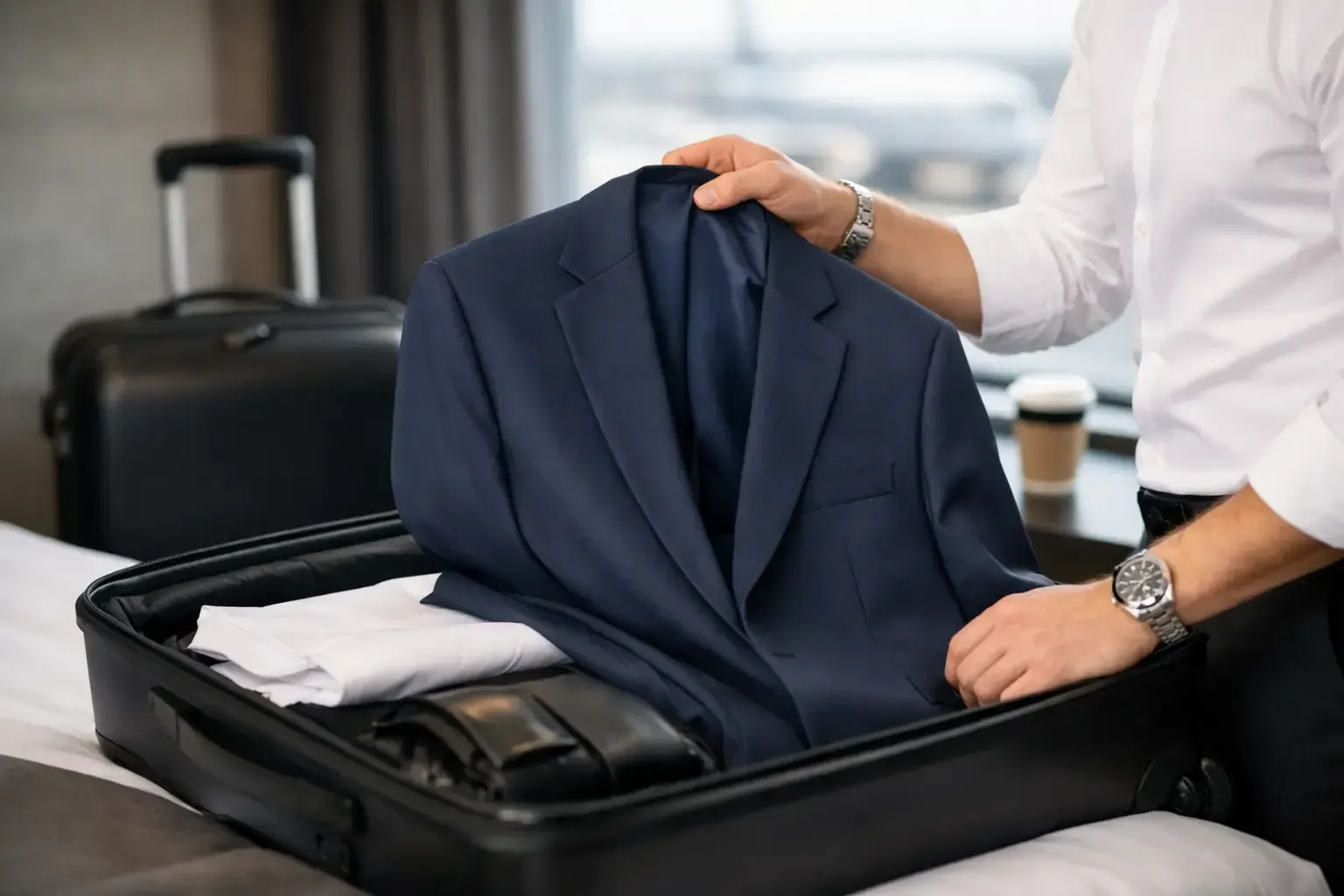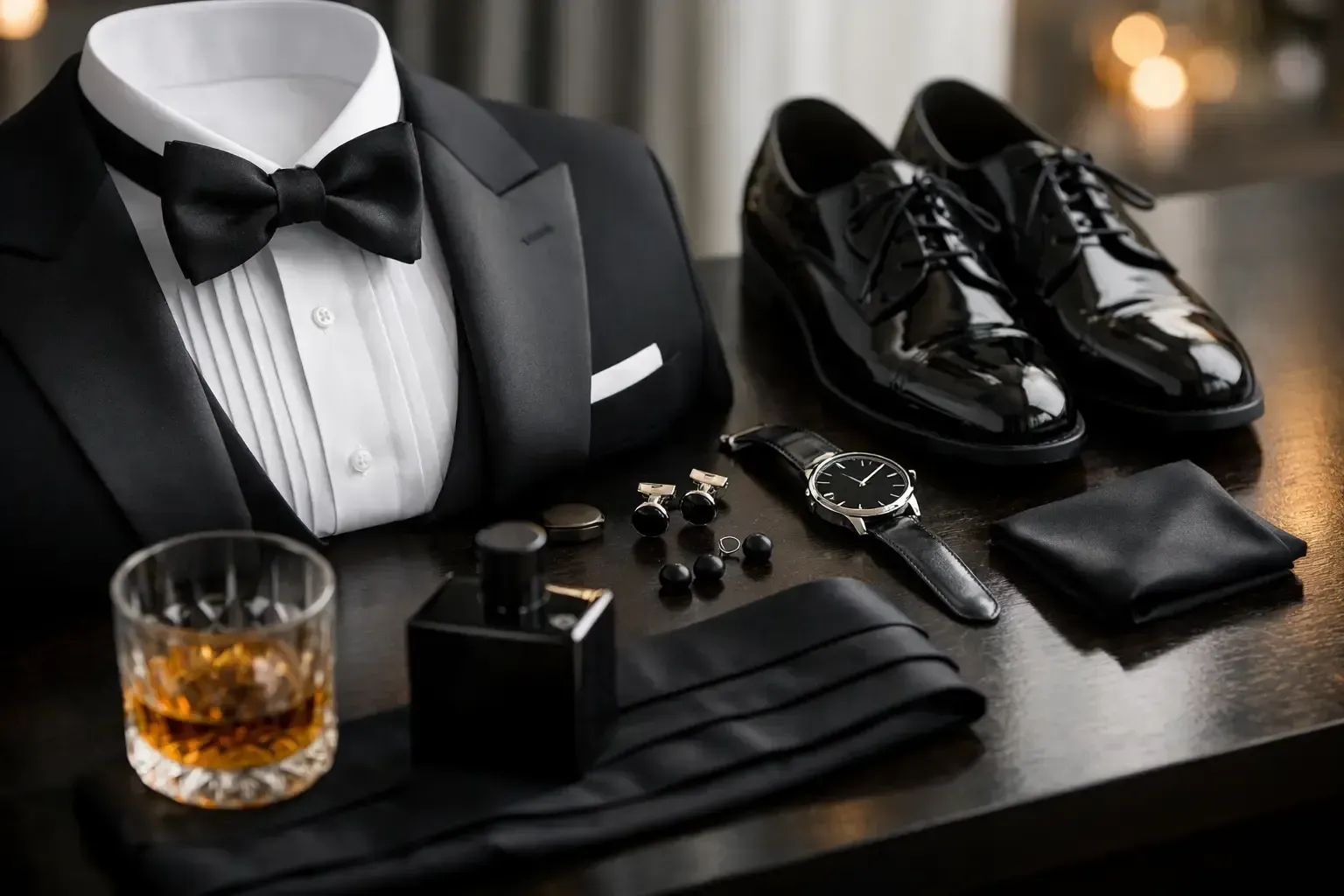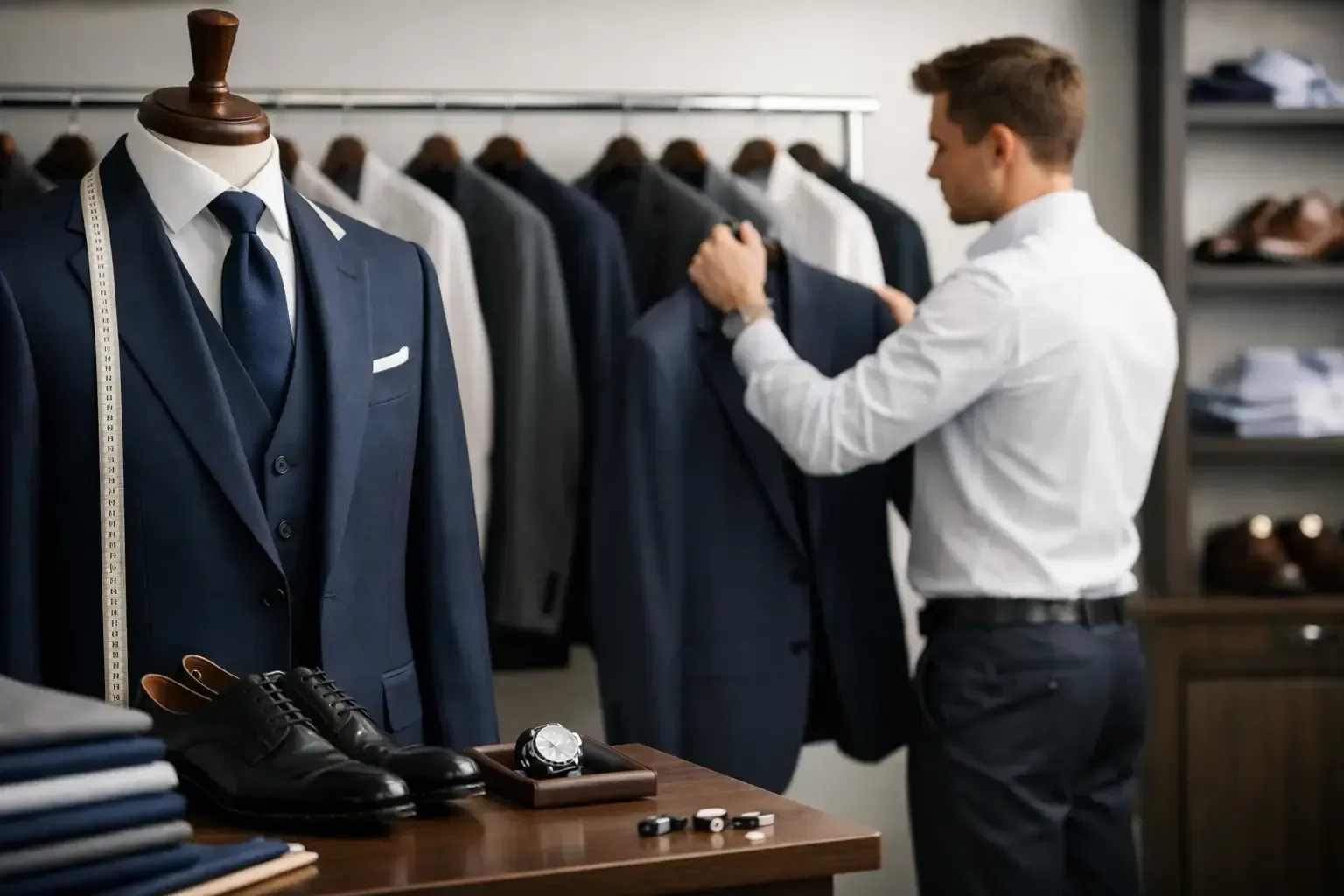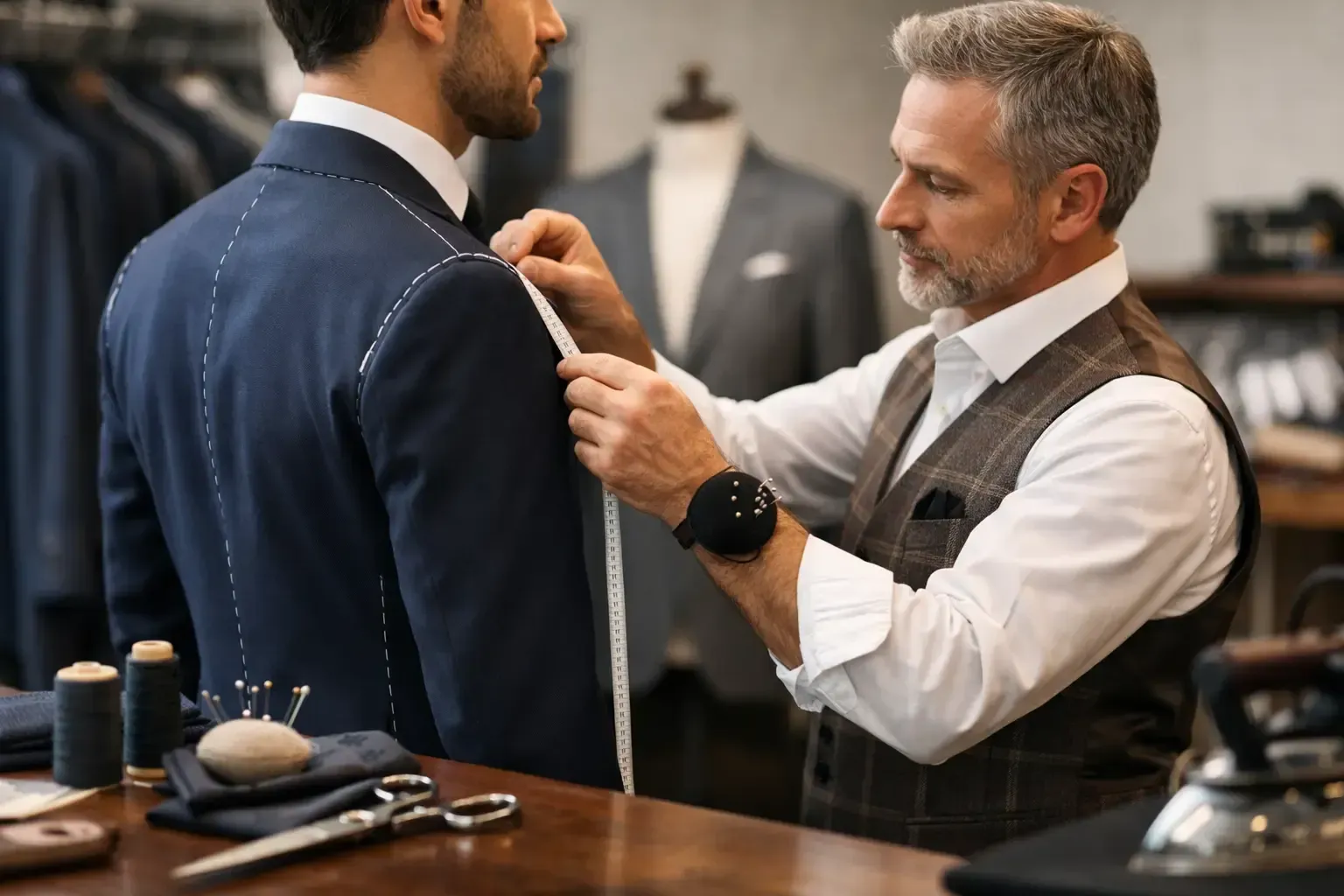

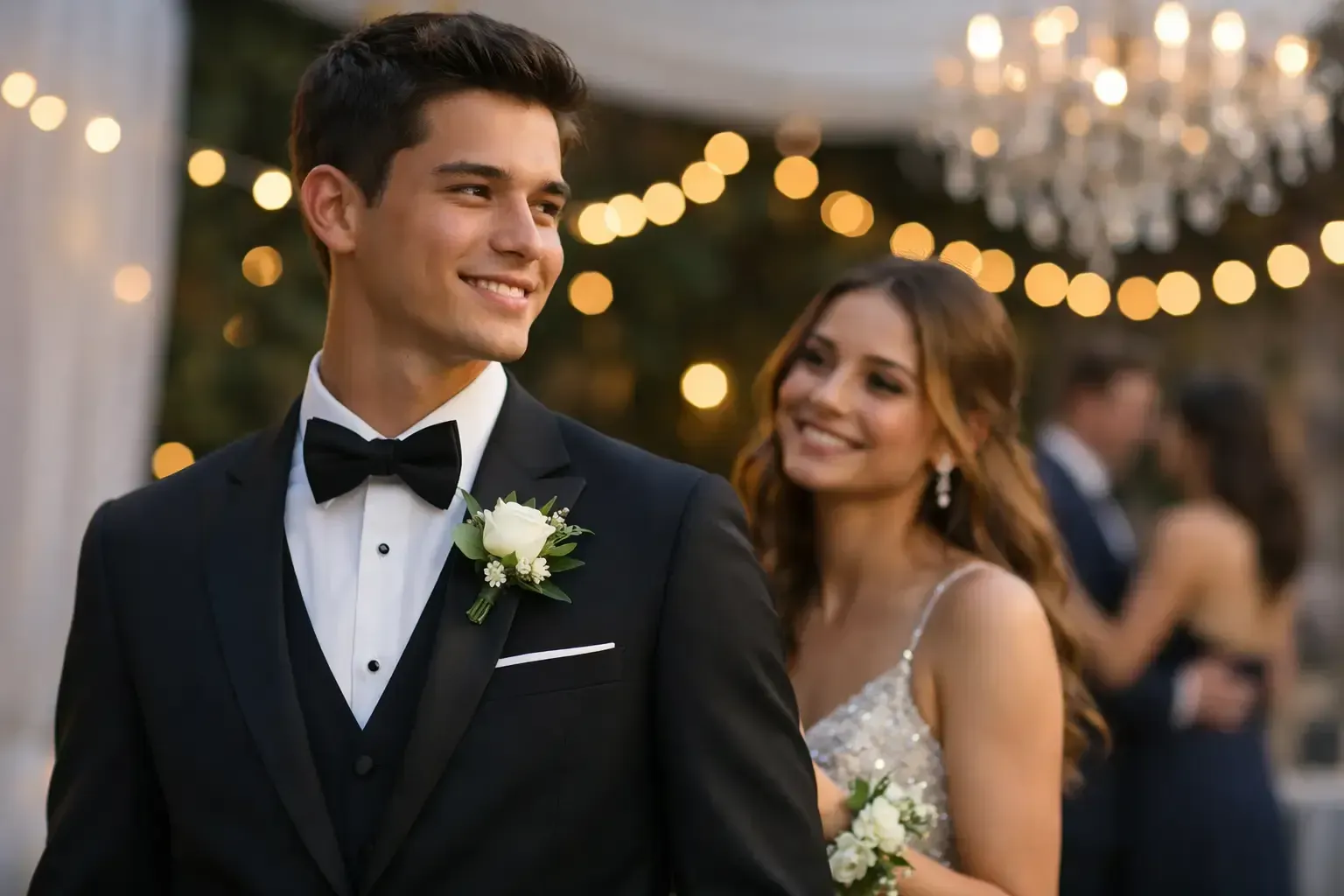
A tuxedo can be impeccably cut, beautifully proportioned, and made from exceptional cloth, yet still feel incomplete if its finishing details are treated as an afterthought. The best tuxedo accessories for grooms do more than add decoration. They establish the level of formality, bring personality to the look, and ensure every element feels intentional in photographs from the ceremony through the last dance.
For a wedding, the goal is not to wear every accessory available. It is to choose a small number of refined pieces that work in harmony with the tuxedo, the venue, and the groom’s own sense of style. A black-tie ballroom reception calls for a different approach than an evening garden celebration or a modern downtown venue. The strongest look is always composed, never crowded.
The Best Tuxedo Accessories for Grooms Start With the Dress Code
Before selecting cufflinks or deciding on a bow tie, consider what the invitation and venue require. A traditional black-tie wedding favors timeless elements: a black bow tie, white dress shirt, black patent or highly polished formal shoes, and discreet shirt studs. This is a classic formula because it creates a clean, elegant frame for the groom and allows the tuxedo itself to carry visual authority.
A black-tie optional or creative formal wedding offers more latitude, but restraint still matters. A deep midnight blue tuxedo may be paired with a black bow tie, for example, while a textured dinner jacket might call for simpler accessories. The more character the garment has, the quieter the finishing pieces should be.
The wedding party also deserves consideration. The groom should look distinct, but not disconnected from the overall visual story. A difference in lapel style, jacket fabric, boutonniere, or shirt details can set him apart with quiet confidence. The result should feel elevated rather than costume-like.
Begin With a Proper Bow Tie
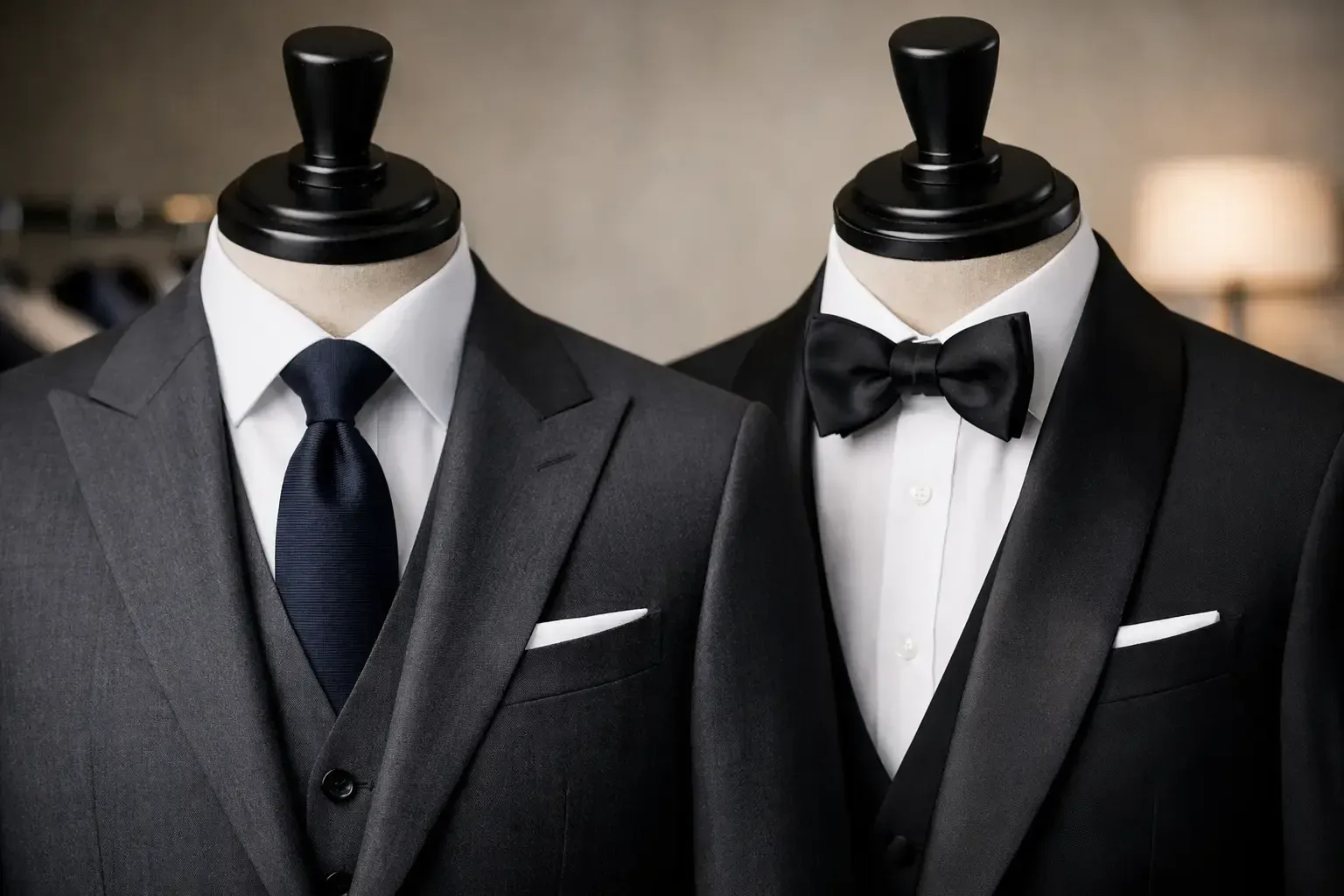
For most tuxedo weddings, a self-tie bow tie is the definitive choice. Its slight variations in shape and knot give it a more natural, personal character than a pre-tied version. It also photographs better up close, particularly after a few hours of celebrating, when a perfectly molded bow can look overly rigid.
Black silk remains the most versatile and formal option. Choose a fabric that relates to the tuxedo’s lapels: satin with satin lapels, or a subtle grosgrain texture with grosgrain lapels. Matching every surface exactly is less important than maintaining a consistent level of refinement.
Color can work when it is thoughtfully placed. A dark burgundy, forest green, or midnight navy bow tie may suit an autumn wedding or a groom who prefers a more individual look. Still, bright novelty patterns and glossy, oversized bows can pull attention away from the face and disrupt an otherwise elegant silhouette. If the tuxedo is a once-in-a-lifetime wedding garment, timelessness is usually the better investment.
Cufflinks and Studs Should Reward a Closer Look
Cufflinks and shirt studs are small, but they are among the details guests notice during a toast, a handshake, or the exchange of rings. They should feel substantial, clean, and appropriate to the tuxedo’s formality.
For a traditional look, mother-of-pearl, onyx, black enamel, or polished metal sets are excellent choices. Mother-of-pearl offers a soft luminosity against a white formal shirt, while onyx provides crisp contrast and a more graphic finish. Silver-tone metals are broadly versatile; gold can be striking when it reflects a groom’s usual jewelry and the wedding’s warmer color palette.
Personalized cufflinks can be meaningful, particularly when they carry initials, a family connection, or a subtle engraving. The key is discretion. A sentimental piece should complement the formalwear rather than become a loud focal point. If the cufflinks are expressive, keep the studs classic. If the shirt has distinctive studs, choose understated cufflinks.
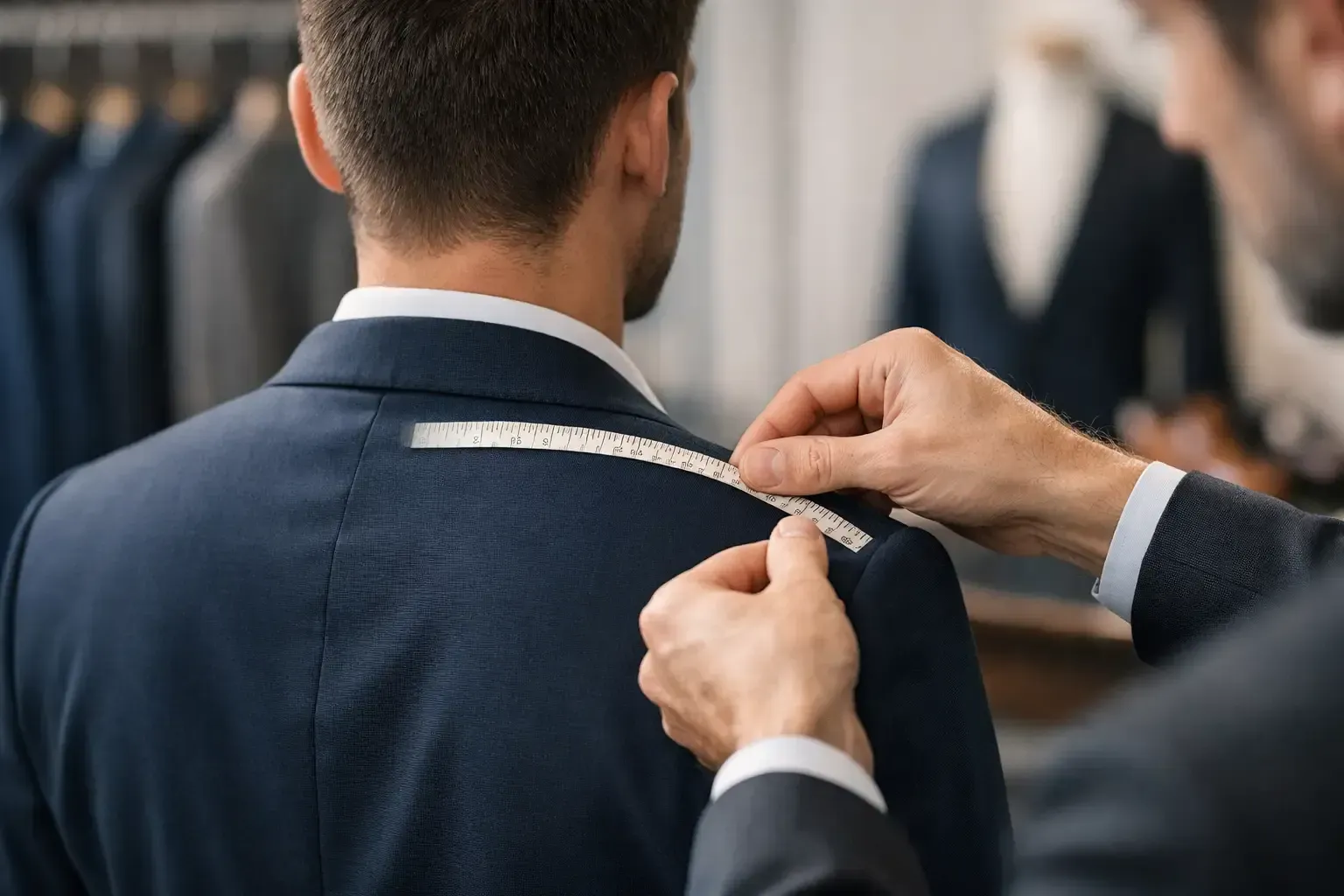
A formal shirt with a proper bib front and French cuffs gives these details the setting they deserve. The shirt should sit cleanly beneath the jacket, with only a controlled amount of cuff visible at the sleeve. Precision at this level is what makes a tuxedo feel tailored to perfection.
Choose Formal Shoes That Match the Occasion
Shoes can either preserve the elegance of a tuxedo or quietly undermine it. A tuxedo deserves footwear with a sleek toe shape, a low profile, and a polished finish. Black patent leather is the traditional black-tie choice, especially for evening weddings and formal venues. Its reflective surface creates a beautiful contrast with matte wool or textured lapels.
Highly polished black calfskin is another excellent option. It can feel slightly less ceremonial than patent leather while maintaining the restraint a tuxedo requires. Velvet slippers may also be appropriate for a groom who wants a more expressive evening look, especially at an intimate, fashion-forward reception. They work best when the rest of the ensemble remains disciplined.
Avoid shoes with heavy soles, conspicuous hardware, square toes, or visible athletic influence. They may be comfortable in a casual setting, but they interrupt the long, clean line of tuxedo trousers. Comfort matters on a wedding day, so shoes should be selected early and worn enough beforehand to feel familiar and dependable.
The Pocket Square and Boutonniere Need Balance
A white linen or silk pocket square is one of the most graceful tuxedo accessories. It brings light to the chest without competing with the lapel or boutonniere. A simple flat fold or a soft, restrained puff is generally more sophisticated than an elaborate arrangement.
The pocket square does not need to match the bow tie. In fact, an exact match can look overly coordinated. White is nearly always right with a tuxedo, especially when the boutonniere provides color. If the wedding has a more relaxed formal direction, a pocket square with a fine border or muted tonal detail can work, but it should remain secondary to the jacket.
The boutonniere should feel fresh, scaled to the lapel, and connected to the floral design of the wedding without becoming a miniature bouquet. One bloom, a small cluster of flowers, or a refined sprig of greenery is often enough. The groom’s boutonniere may be slightly more distinctive than those worn by groomsmen, whether through a different flower, a subtle color shift, or an elevated finishing detail.
Suspenders, Socks, and the Details Guests May Not See
Tuxedo trousers are designed to sit cleanly at the waist, and formal suspenders help them maintain that position throughout the day. Black or white button-on suspenders are the most appropriate choice, depending on the formality and construction of the ensemble. They create a smoother line than a belt and keep the waistband from shifting during photos, dinner, and dancing.
A belt is generally not the right companion for tuxedo trousers. It adds bulk at the waist and can break the uninterrupted line that formalwear is meant to create. If a waist covering is part of the look, a cummerbund can be elegant with a single-breasted tuxedo, particularly for traditional black tie. It should sit at the natural waist with its pleats facing upward.
Socks should be black, long enough to keep the leg covered when seated, and fine enough to fit smoothly inside formal shoes. Silk or fine merino blends offer a polished finish. This is one area where novelty is rarely worth the trade-off. A playful sock may amuse a few guests, but a clean black sock keeps attention where it belongs.
Jewelry and Watches: Less Carries More Authority
A wedding ring is the central piece of jewelry on the day, so other jewelry should support rather than compete with it. A watch may be worn if it is slim, elegant, and meaningful to the groom. A simple dress watch on a black leather strap is far more at home with a tuxedo than a large sport watch or a highly technical bracelet style.
Some purists prefer no watch with black tie, particularly for a formal evening ceremony. That is a valid choice. It depends on the wedding’s tone and the groom’s personal style. If he wears a watch daily and it is part of how he presents himself, a refined piece can feel entirely natural.
The same principle applies to rings, bracelets, and necklaces. A signet ring or discreet bracelet may suit the groom, but a collection of competing metals and visible chains can make a formal ensemble feel busy. The eye should move naturally from the groom’s face to the clean architecture of the tuxedo.
The finest accessories do not announce themselves from across the room. They reveal care in the details: the soft sheen of a silk bow tie, the weight of a well-chosen cufflink, the clean line of a formal shoe. When each piece is selected with the same intention as the tuxedo itself, the groom is free to focus on the moment, confident that every detail belongs.