

Share this article

A jacket can have beautiful cloth, precise lapels, and a thoughtful lining, yet still look wrong if the shoulders are not right. Learning how to measure jacket shoulders gives you a clearer eye for fit, whether you are comparing a favorite blazer, ordering a made-to-measure piece, or preparing for a bespoke consultation. This measurement is small on paper, but it shapes the entire presence of a jacket.

The shoulder line controls how the chest hangs, where the sleeves begin, and whether the garment appears sharp or strained. It is also one of the least forgiving areas of a tailored jacket. A waist can be shaped and a sleeve can be refined, but shoulders establish the garment's foundation from the first fitting.

Why Jacket Shoulder Measurement Matters

A well-proportioned shoulder creates a clean line from the collar to the sleeve head. It lets the jacket sit close to the body without pulling, collapsing, or extending past the natural frame. For professionals, grooms, and anyone dressing for an important occasion, that balance translates directly into a more composed and confident appearance.

The right measurement is not always the widest possible measurement. Some clients have naturally square shoulders; others slope gently. Athletes may have a developed upper back and chest with a comparatively narrow shoulder point, while slender clients often need more precision to avoid looking swallowed by excess cloth. The goal is not to force every body into the same silhouette. It is to create a shoulder line that looks natural, elegant, and intentional.

There are two measurements people commonly confuse: the width of your body across the shoulders and the width of a finished jacket. They inform one another, but they are not identical. A jacket needs enough structure and ease to move comfortably, while still following the character of your frame.

What You Need Before You Measure

Use a flexible tailor's tape, a well-fitting jacket if you have one, and a mirror. Having another person take the measurement will produce a more dependable result, especially when measuring your own body. Stand naturally in a lightweight shirt, with your arms resting at your sides. Do not lift your chest, pull your shoulders back excessively, or tense your upper body.

If you are measuring a jacket, lay it on a flat surface and smooth it gently. Button the jacket if it helps the front panels settle, but do not stretch the fabric. A structured jacket can look deceptively broad or narrow when it is twisted across a bed or tabletop.

For the most useful comparison, record the measurement in inches to the nearest quarter inch. Precision matters, but do not treat one home measurement as a final pattern instruction. Shoulder fit depends on posture, shoulder slope, sleeve pitch, chest shape, and the amount of construction inside the garment.

How to Measure Jacket Shoulders on Your Body

The body measurement is taken from one shoulder point to the other, across the back. The shoulder point is the outer edge of the shoulder where the arm begins, not the end of the collarbone and not the top of the upper arm. When you gently raise and lower your arm, you can usually feel the joint moving beneath the fabric. That outer landmark is where you want to measure to.

Find the Natural Shoulder Points

Ask your helper to locate the left and right shoulder points with a light touch. On many people, the point sits near the outer edge of the acromion, the bony area at the top of the shoulder. This is why the measurement should be taken while you are relaxed. A shrugged or rigid posture shifts the landmarks and can add misleading width.

The tape should travel in a straight, level line across your upper back, from one shoulder point to the other. Keep the tape close to the body without pulling it tight. Read the number where it meets the second shoulder point.

A common mistake is wrapping the tape around the curvature of the shoulders as though measuring a chest. That produces a larger number, but it is not the measurement used to establish a jacket's shoulder width. You want the direct distance across the back.

Check Your Posture and Shoulder Slope

After recording the width, look at your posture in the mirror. One shoulder may sit slightly lower than the other, which is entirely normal. You may also have a pronounced forward shoulder position from work, training, or daily habits. These details matter because a jacket must follow more than a single horizontal number.

A professional cutter will observe whether your shoulders are square, sloping, forward, rounded, or uneven. That observation influences how the shoulder seam, sleeve head, and collar are shaped. Measuring at home can establish a starting point, but it cannot fully capture those visual details.

How to Measure Jacket Shoulders on a Garment

Measuring a jacket you already own is often the easiest way to understand the dimensions you like. Choose a jacket that feels comfortable through the shoulders and looks clean when you stand naturally. Do not use a garment simply because its chest fits. A jacket can feel roomy at the chest while its shoulders are too narrow, or vice versa.

Lay the jacket face down with the back panel facing upward. Smooth the jacket so the shoulder seams are visible and the collar is lying flat. Locate the point where each shoulder seam meets the sleeve seam. These are the two points used for the garment measurement.

Run the tape in a straight line from the outer edge of one shoulder seam to the outer edge of the other. Do not follow the curve of the back or measure from the collar seam. Record the result. This is the jacket's across-shoulder measurement.

What a Good Jacket Measurement Looks Like

On a jacket that fits well, the shoulder seam should end close to your natural shoulder point. It may sit just slightly beyond that point depending on the garment's style and construction, but it should not drape noticeably down the upper arm. The sleeve should appear to grow naturally from the shoulder rather than look attached too far out.

A softly constructed Italian-style jacket can appear more relaxed at the shoulder than a formal British-inspired silhouette with more structure. A tuxedo jacket may also be cut with a different visual intent than a casual sport coat. That is why measurements should always be read alongside the jacket's purpose, fabric, and design.

Signs the Shoulders Are Too Wide or Too Narrow

A shoulder that is too wide usually creates a visible overhang beyond your natural shoulder. The sleeve head can dip, the upper chest may appear hollow, and the jacket can lose its clean vertical line. From the back, excess width often creates wrinkles that run down from the shoulder area toward the arm.

When shoulders are too narrow, the jacket may pull across the upper back or create tension lines from the armhole toward the lapel. You may feel restricted when reaching forward or sitting at a desk. Narrow shoulders can also cause the collar to sit away from the neck, even when the jacket seems close-fitting elsewhere.

Movement is an honest test. Put the jacket on, let your arms rest, then reach forward as though greeting someone or using a steering wheel. A tailored jacket should allow controlled, comfortable movement. It should not feel like athletic wear, but neither should it resist every natural gesture.

Use Measurements as a Starting Point, Not a Verdict

It is tempting to compare your number with a size chart and assume the decision is made. Off-the-rack sizing is inconsistent, and two jackets marked the same size can differ substantially in shoulder width, chest balance, and overall shape. A 42 jacket from one maker may have a different shoulder expression than a 42 from another.

This is where custom clothing offers real value. A bespoke consultation considers the measurement, then looks beyond it: how you stand, how you move, what you wear the jacket for, and how polished or relaxed you want the finished silhouette to feel. For a wedding, boardroom presentation, black-tie event, or signature everyday suit, those details are part of the fit.

At Kamran Bespoke, that personal attention helps turn a number on a tape into a hand-crafted jacket designed around the person wearing it. The finest shoulder line does not call attention to itself. It simply gives the wearer the quiet assurance that everything is sitting exactly where it should.

Recent Posts

July 30, 2026
Prom suits should do more than meet a dress code. Learn how color, fit, fabric, and personal details create a confident look for an unforgettable night.
July 29, 2026
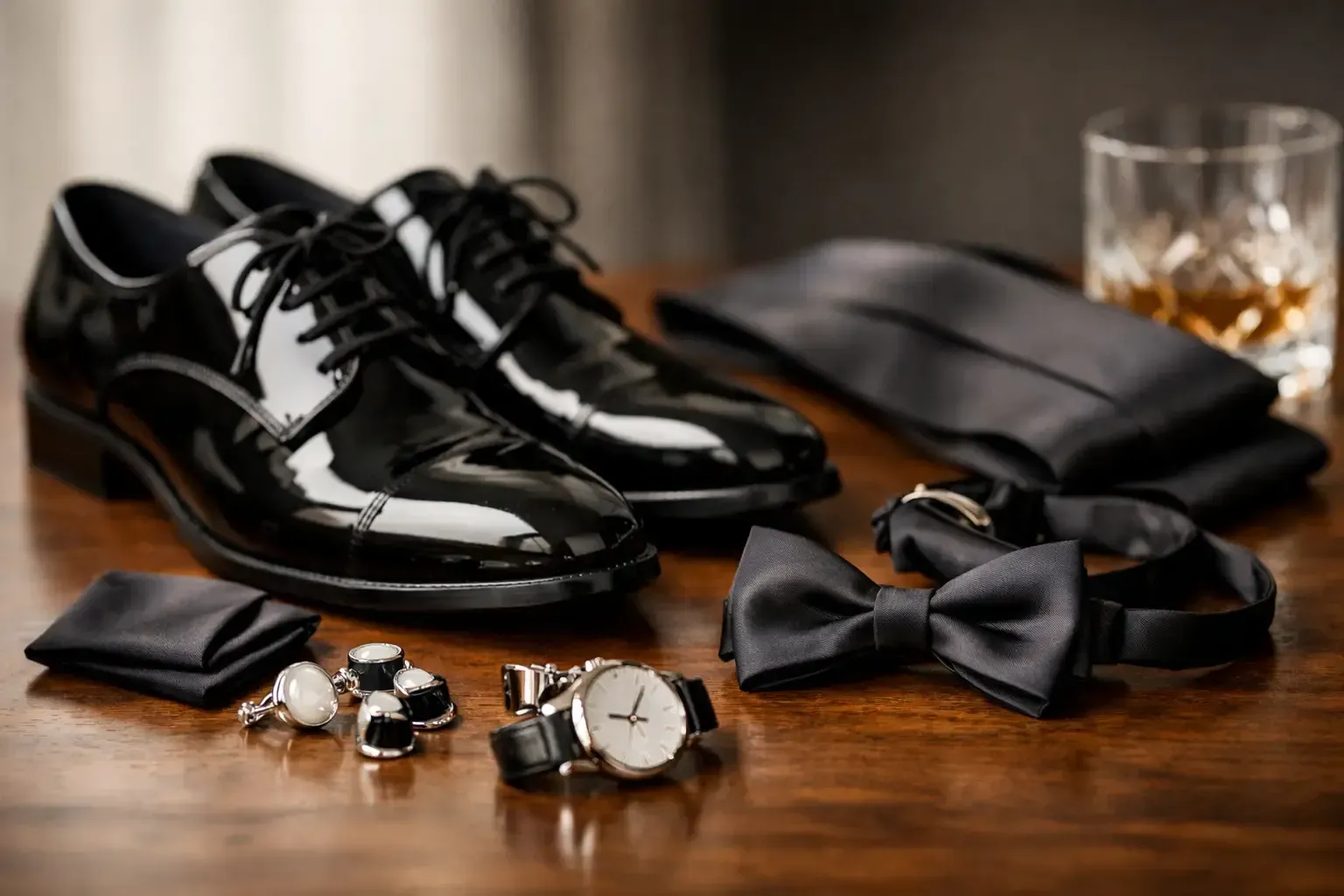
Choose the best tuxedo accessories for grooms with expert guidance on bow ties, shoes, cufflinks, and the refined details that complete a wedding look.

July 28, 2026
Choose prom tuxedos with a precise fit, exceptional fabric, and personal details that make your formal entrance feel confidently your own all evening.
July 27, 2026
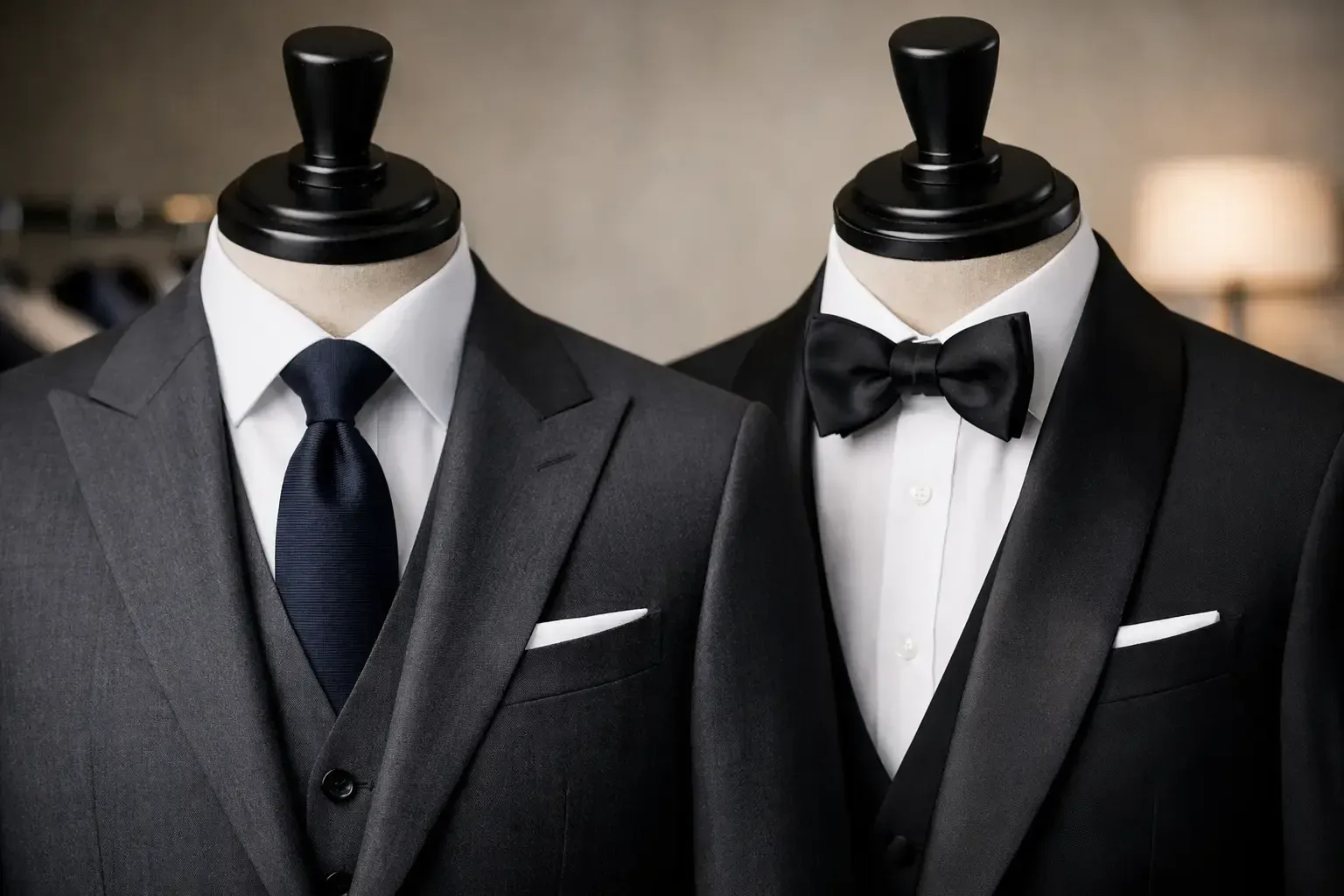
Compare peak lapel vs shawl lapel for tuxedos and suits. Learn which creates the right impression for weddings, galas, and formal events with confidence.
July 26, 2026
Learn how to build capsule wardrobe with custom menswear that fits your work, wedding, and social calendar - with fewer pieces and stronger style daily.
A navy suit jacket in an open suitcase, with a person’s hands arranging it beside a black bag.
July 24, 2026
Business travel suit wrinkle resistance starts with the right cloth, fit, packing method, and care. Arrive composed and ready for every meeting, on time.

Man adjusting his cuff in a clothing showroom beside folded shirts and hanging blue jackets
July 23, 2026
Why are custom shirts more comfortable? Precision fit, refined fabrics, and thoughtful details create ease, confidence, and polish from morning to night.
Black tuxedo accessories arranged on a table: bow tie, cufflinks, shoes, watch, belt, and whiskey glass
July 22, 2026
A black tie outfit checklist for men: tuxedo, shirt, shoes, accessories, and fit guidance for weddings, galas, and formal evenings with calm confidence.
Tailor adjusting a dark suit on a mannequin in a menswear boutique, with dress shoes on display.
July 21, 2026
A bespoke wardrobe for new executives delivers the confidence, fit, and versatility needed to lead well from the first meeting to the final decision daily.
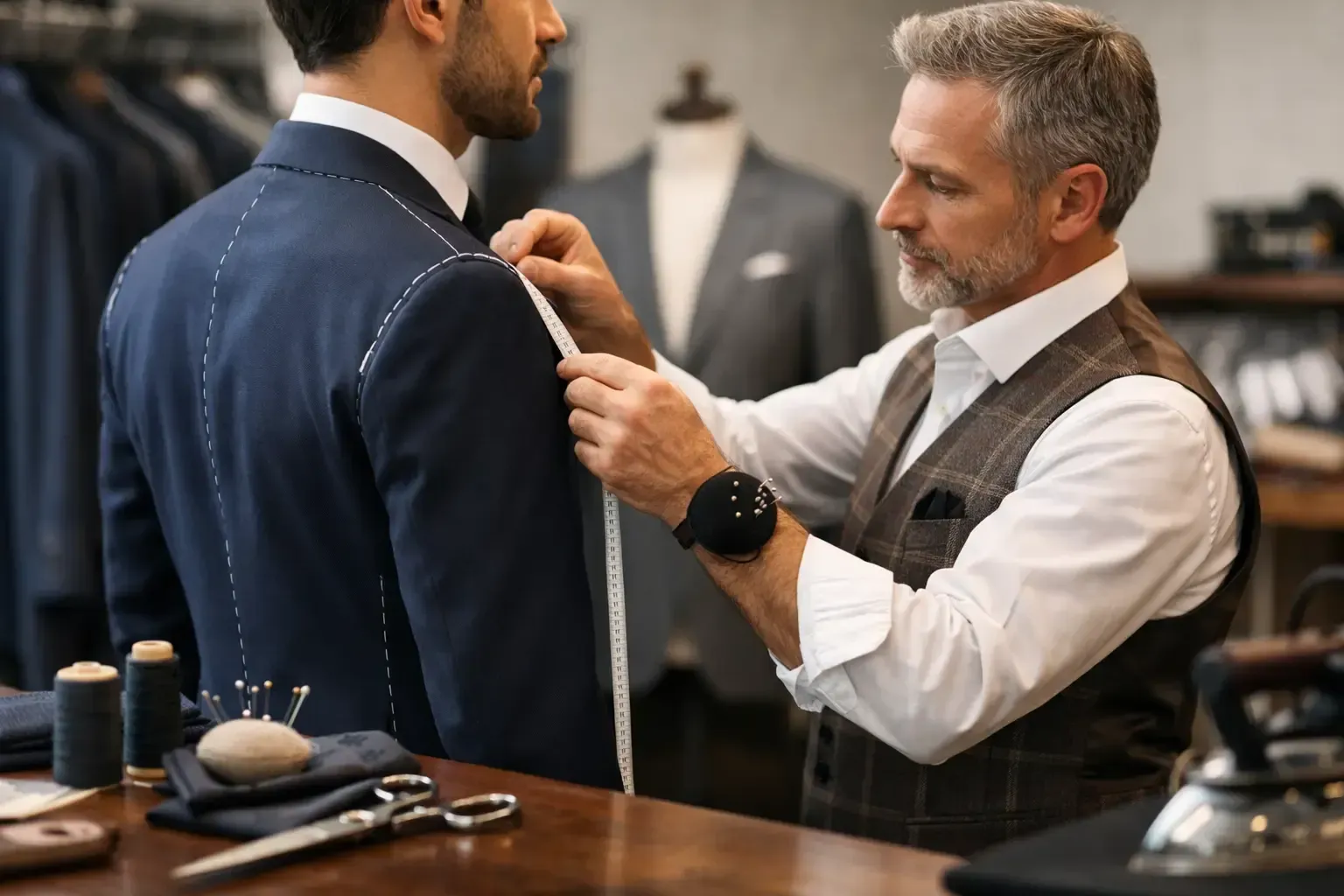
Tailor adjusting a navy suit jacket on a client in a fitting room
July 20, 2026
Learn the top reasons to choose bespoke tailoring, from a precise fit and premium fabrics to personal style, lasting value, and confident presence daily.