
Share this article

A black tie invitation is not simply a request to dress well. It is an invitation to respect the occasion, the hosts, and the room you are about to enter. This black tie outfit checklist helps you make those decisions with clarity, so every element feels intentional rather than assembled at the last minute.

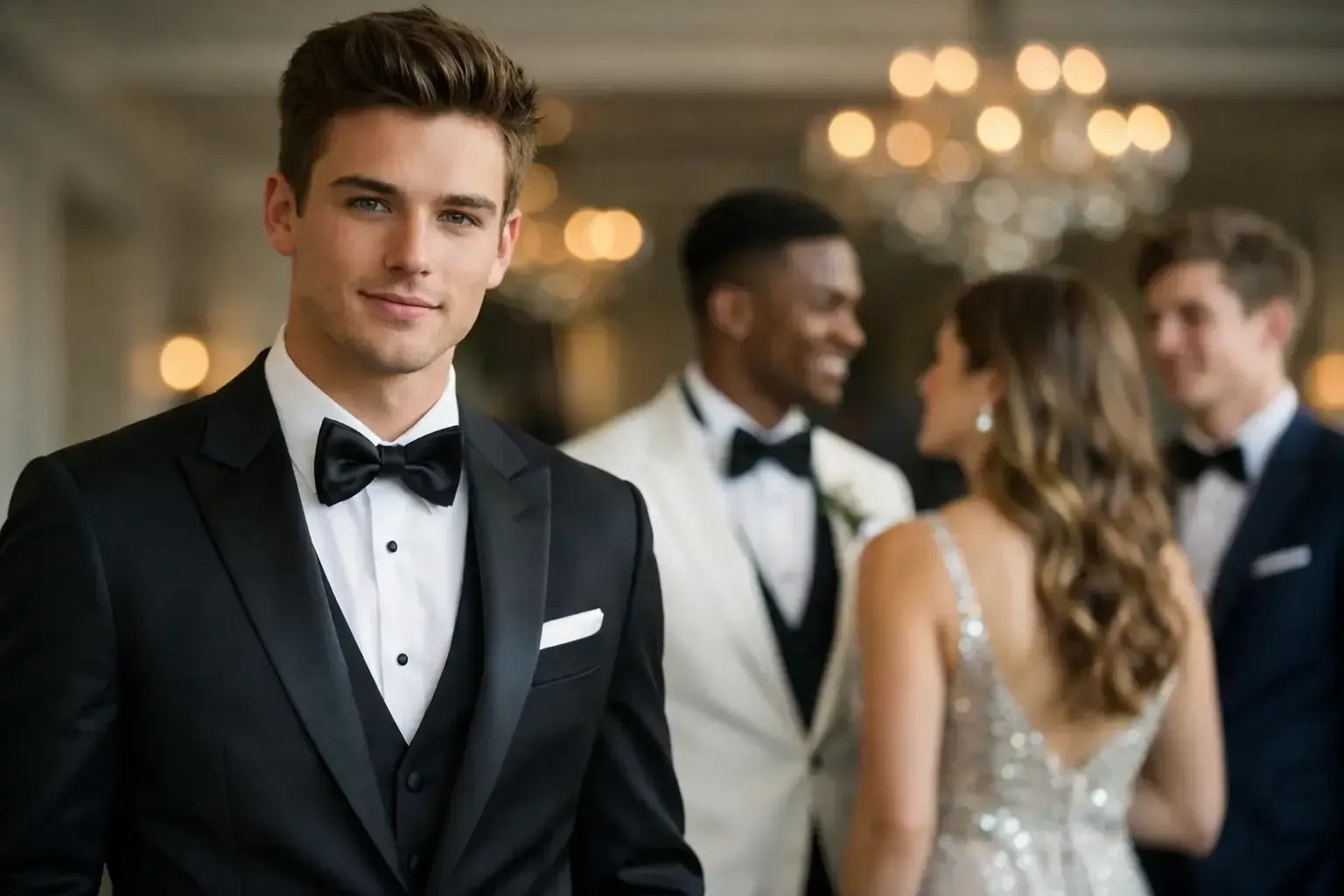
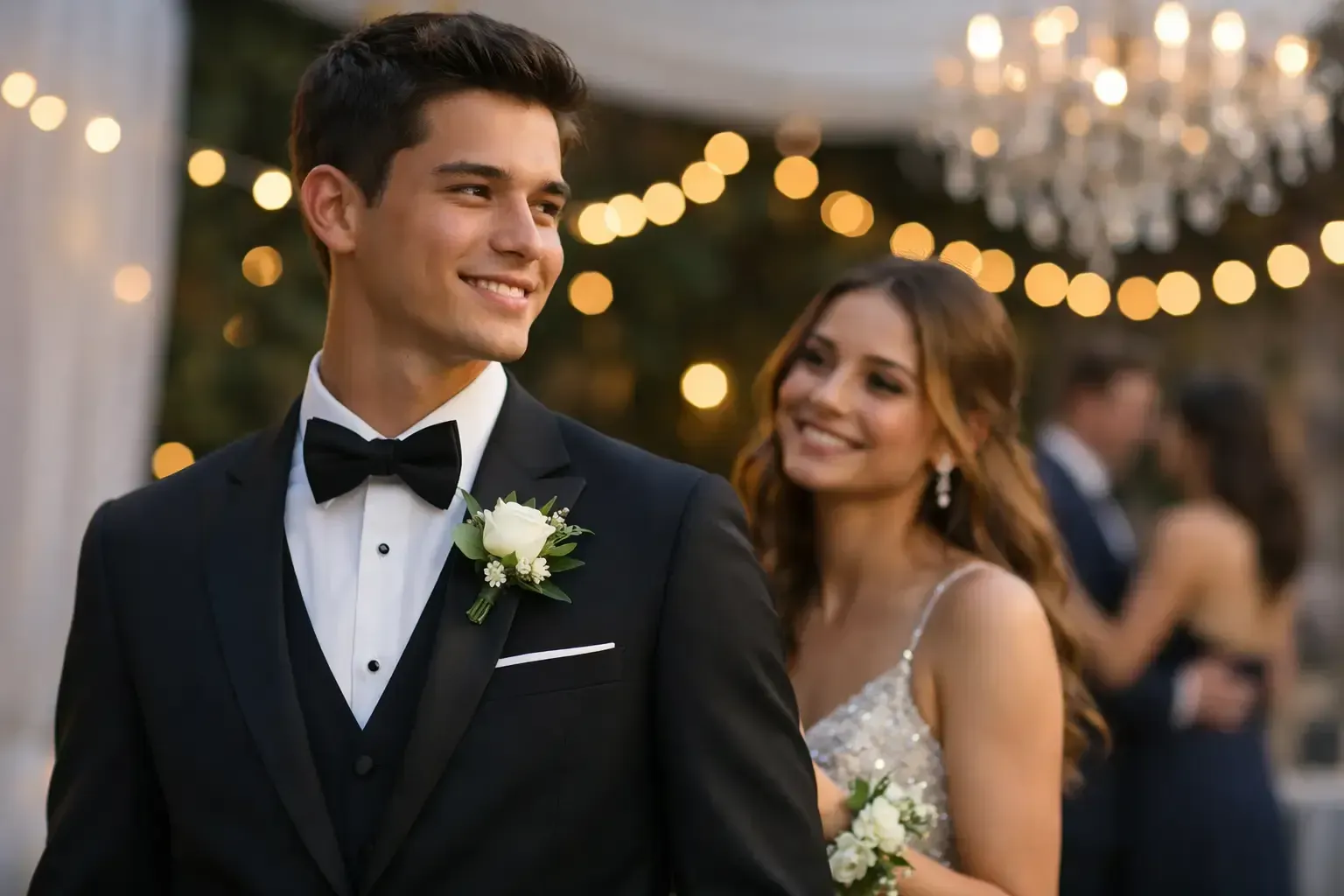
Black tie has rules, but it is not a costume. The best result is formal, composed, and personal: a tuxedo that sits cleanly through the shoulders, a shirt that frames the face, and finishing details that show restraint. Whether you are attending a Houston gala, a formal wedding, or a milestone celebration, precision is what makes the look memorable.

Start With a Proper Tuxedo

The tuxedo is the foundation. A black or midnight blue dinner jacket with matching trousers remains the most dependable choice for nearly every black tie event. Black reads classic and commanding, while midnight blue can look especially rich under evening lighting. Both are appropriate. The decision comes down to personal preference, the venue, and the character of the event.

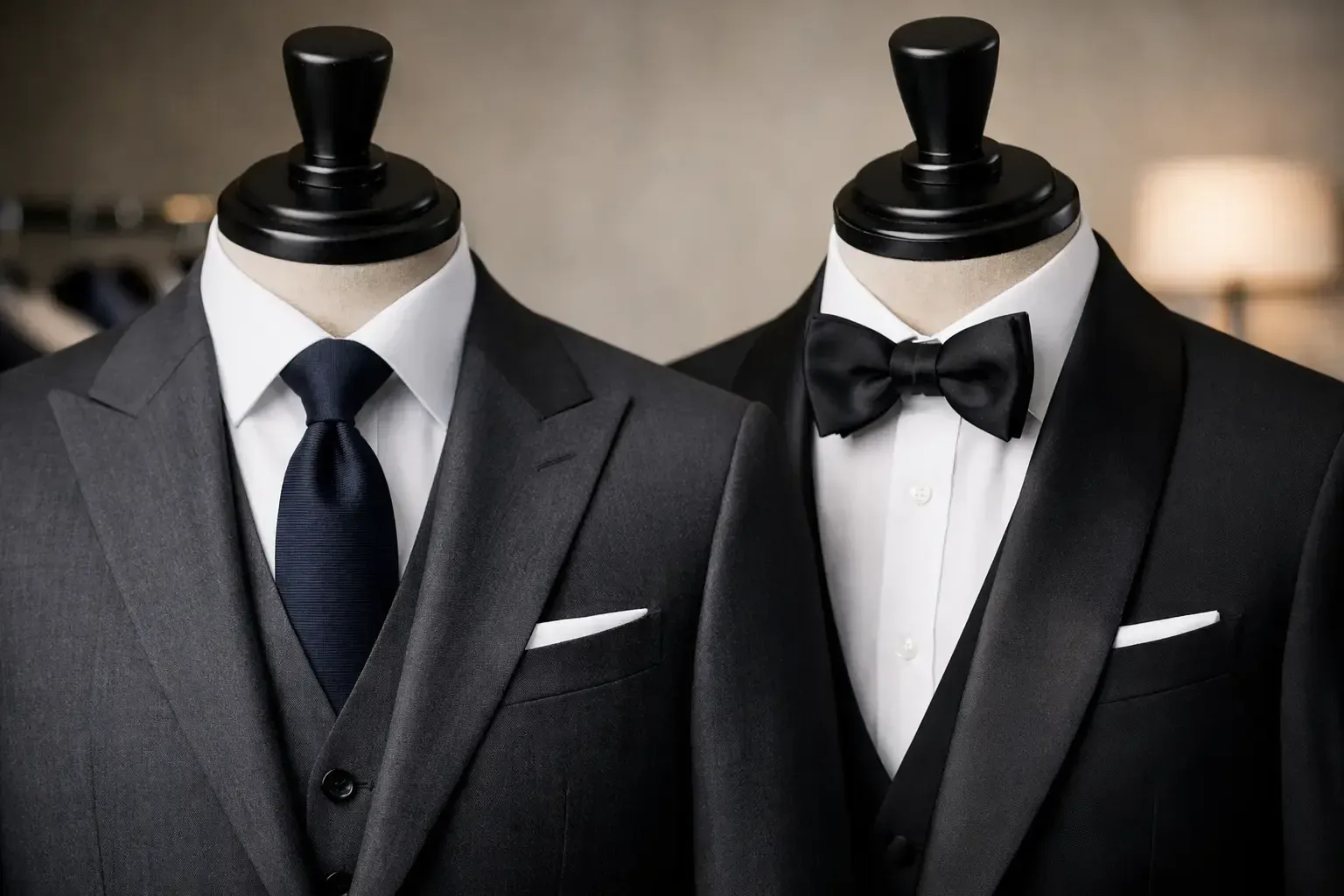
Look for silk-faced lapels, either a peaked lapel or a shawl collar. Peak lapels offer a slightly stronger, more architectural presence and are especially flattering for many body types. A shawl collar is softer, streamlined, and unmistakably eveningwear. A notch lapel may appear on modern tuxedos, but it is less traditional and generally less refined for a strict black tie dress code.

Fit should receive more attention than novelty. The jacket should follow the body without pulling across the chest or collapsing at the shoulders. Its length should create balanced proportions, and the sleeves should reveal a measured amount of shirt cuff. A hand-crafted custom tuxedo gives you control over these details, which matters when photographs, introductions, and a full evening of movement are part of the occasion.

Choose the Right Trousers

Formal trousers should match the jacket and feature a silk stripe down the outer seam. They should sit cleanly at the waist, fall in a straight line, and break lightly over the shoe, if at all. A sleek, uninterrupted line is more elegant than excess fabric gathering at the ankle.

Pleats can work well when they support comfort and balance, particularly for a client who prefers more room through the seat and thigh. Flat-front trousers offer a cleaner, more contemporary line. Neither is automatically better. The right choice depends on your proportions and how the tuxedo is designed as a whole.

The Black Tie Outfit Checklist

Before you leave, confirm that every component serves the same formal standard:

  • A black or midnight blue tuxedo with silk-faced peak lapels or a shawl collar
  • Matching formal trousers with a silk side stripe
  • A crisp white evening shirt
  • A self-tied black bow tie in silk or grosgrain
  • A black cummerbund or a low-profile formal waistcoat
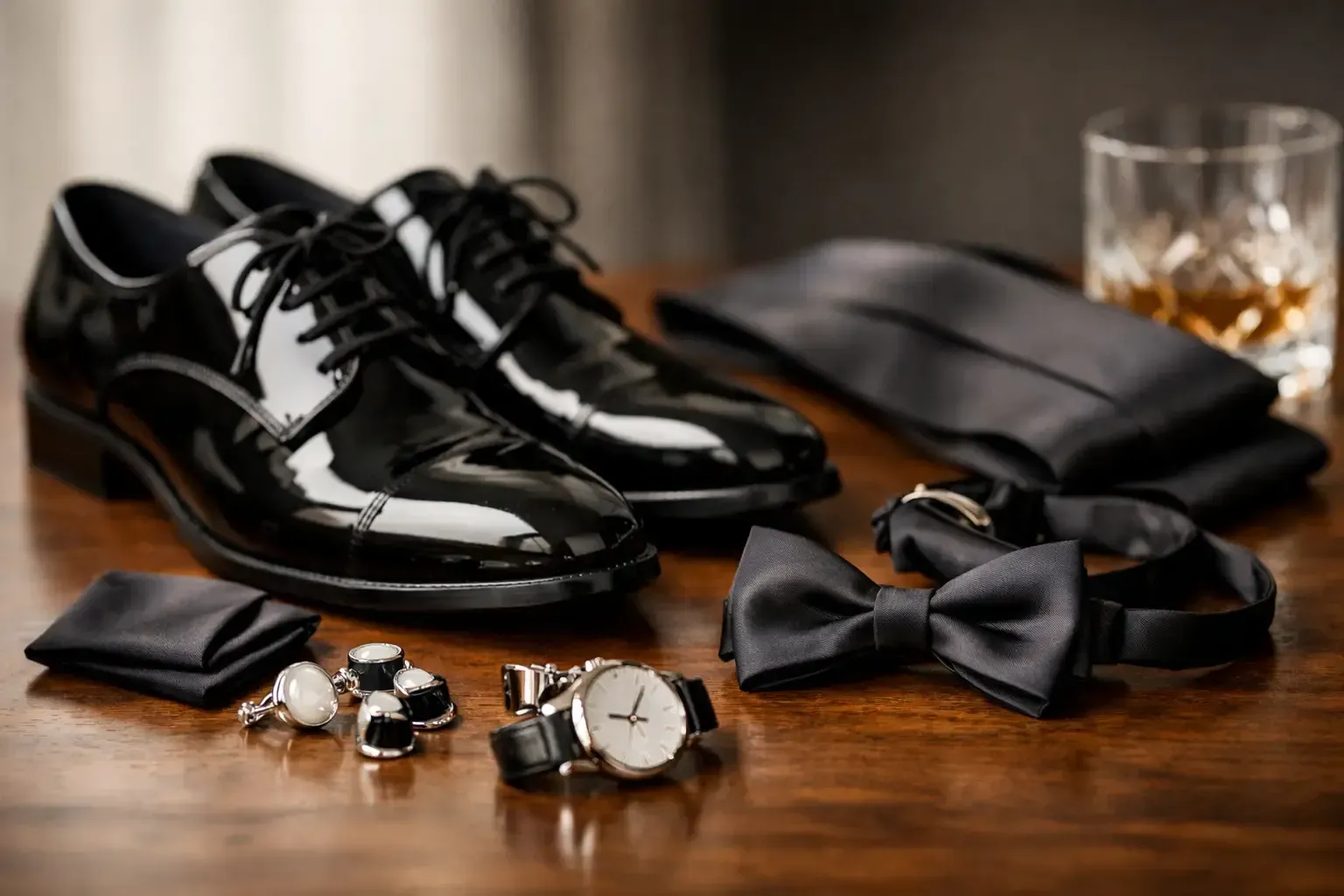
  • Black formal shoes, polished and appropriate for eveningwear
  • Black over-the-calf dress socks
  • Minimal shirt studs, cufflinks, and a neatly folded white pocket square

The value of a checklist is not that every guest will inspect each item. It is that nothing distracts from the overall impression. Black tie is strongest when the individual pieces are quiet and the complete look is assured.

Select an Evening Shirt, Not a Business Shirt

A white shirt is required, but the shirt you wear with a tuxedo should feel distinctly different from the one you wear to the office. A formal shirt typically has a Marcella or piqué bib, a pleated front, or a clean plain front designed for studs. The collar may be a classic turndown collar or a wing collar, though a turndown collar is the more versatile and contemporary choice for most events.

French cuffs are the traditional finishing point. They create the right setting for restrained cufflinks and give the sleeve a crisp, elegant structure beneath the jacket. Avoid button-down collars, contrast trim, visible logos, and casual spread collars that are too soft to hold their shape through the evening.

The shirt should sit close enough to remain tidy under the jacket but never feel restrictive. A collar that gaps, sleeves that disappear under the jacket, or a bib that pulls across the chest can undermine an otherwise excellent tuxedo. These are small visual details, yet they have an outsized effect in formal photographs.

Wear a Real Black Bow Tie

A self-tied bow tie is the proper choice for black tie. Its slight variation in shape is part of its appeal: it looks considered, not factory-perfect. Select black silk, preferably in a texture that complements the lapels. Satin is classic, while grosgrain brings a subtle ribbed texture and a quieter finish.

A pre-tied bow tie can be useful in a genuine emergency, but it rarely has the dimension or placement of a properly tied bow. It also tends to look too symmetrical. If tying one feels unfamiliar, practice several times before the event rather than relying on a rushed attempt in the car.

The bow tie should be proportionate to your face and collar. Too narrow can look insignificant; too large can become theatrical. This is one of the benefits of personal guidance during a custom clothing consultation: the smallest details can be selected to complement the wearer rather than follow a generic formula.

Cover the Waist With Intention

The waistband of formal trousers should not be visible beneath the buttoned jacket. This is where a cummerbund or formal waistcoat earns its place. A black silk cummerbund is traditional, flattering, and particularly useful in warm weather or at events where you expect to remove your jacket later in the evening. Its pleats face upward.

A low-cut formal waistcoat is another excellent option. It adds depth, keeps the shirtfront composed, and can make a tuxedo feel more substantial during a winter wedding or gala. Choose one designed specifically for eveningwear, not a standard business vest. The front should sit low enough to show the shirt bib and bow tie properly.

Avoid a long necktie, a belt, or a visible belt buckle. Formal trousers are designed to hold their line without a belt, often with side adjusters or a higher waistband. This restraint is part of what separates black tie from a dark suit.

Finish With Formal Shoes and Measured Accessories

Shoes should be black, highly polished, and refined in shape. Patent leather opera pumps are the most traditional selection, but a well-polished black wholecut, cap-toe Oxford, or formal slipper may be appropriate depending on the event and your personal style. The shoe should be sleek rather than heavy. Chunky soles, casual loafers, and brown leather disrupt the formality of the tuxedo.

Wear black over-the-calf socks in fine silk or a smooth dress-weight fabric. A glimpse of bare ankle when seated is an unnecessary break in an otherwise polished silhouette.

Accessories should add finishing detail, not competition. Black onyx, mother-of-pearl, or simple metal cufflinks are excellent choices. If your shirt takes studs, keep them coordinated with the cufflinks. A white linen or cotton pocket square, folded simply, is usually all that is needed. A watch is optional. If you wear one, choose a slim, discreet dress watch on a black leather strap rather than a large sports model.

Know When the Rules Can Flex

Not every invitation interprets black tie with the same degree of formality. A black tie wedding in a grand ballroom calls for the classic formula. A creative black tie fundraiser may allow a velvet dinner jacket, a deep jewel tone, or a subtle custom lining that reveals personality only in motion. The key is to keep the foundation formal: black trousers, a proper evening shirt, a black bow tie, and polished shoes.

White dinner jackets can be excellent for tropical settings, summer celebrations, or destination events, but they are not a shortcut for any warm evening. They require confidence, excellent fit, and a setting that supports the choice. When the invitation leaves room for interpretation, consider the venue, the hosts, and the season before choosing a statement piece.

For a groom, the calculation is slightly different. His tuxedo should distinguish him with thoughtful details while remaining harmonious with the wedding's visual direction. A custom lapel, elevated fabric, personalized lining, or exceptional fit can create that distinction without pulling focus from the ceremony itself.

Give Yourself Time Before the Event

Do not judge the complete outfit for the first time ten minutes before departure. Put it on in full several days ahead, including shoes, socks, cufflinks, and outerwear. Sit down, raise your arms, and look at the jacket buttoned and unbuttoned. Formalwear should feel composed in motion, not merely impressive in a mirror.

A bespoke tuxedo is particularly valuable for clients who find standard sizing limiting, whether they need more balance through the shoulders, a cleaner waist, or more intentional proportions overall. At Kamran Bespoke, the goal is not simply to create a garment that meets a dress code. It is to create one that lets you enter an important room with the calm confidence that only an exact fit can provide.

The final test is simple: when every piece is in place, you should stop thinking about your clothes. That is when black tie has done its job.

Recent Posts

A navy suit jacket in an open suitcase, with a person’s hands arranging it beside a black bag.
July 24, 2026
Business travel suit wrinkle resistance starts with the right cloth, fit, packing method, and care. Arrive composed and ready for every meeting, on time.
Man adjusting his cuff in a clothing showroom beside folded shirts and hanging blue jackets
July 23, 2026
Why are custom shirts more comfortable? Precision fit, refined fabrics, and thoughtful details create ease, confidence, and polish from morning to night.
Tailor adjusting a dark suit on a mannequin in a menswear boutique, with dress shoes on display.
July 21, 2026
A bespoke wardrobe for new executives delivers the confidence, fit, and versatility needed to lead well from the first meeting to the final decision daily.
Tailor adjusting a navy suit jacket on a client in a fitting room
July 20, 2026
Learn the top reasons to choose bespoke tailoring, from a precise fit and premium fabrics to personal style, lasting value, and confident presence daily.

Men’s business attire and accessories laid out on a table: suits, shirts, ties, shoes, watch, wallet, and briefcase.
July 19, 2026
A guide to business wardrobe essentials for professionals who value exceptional fit, timeless style, and a confident presence from workday to dinner plans.
Three business professionals in suits standing with arms crossed in an office setting
July 18, 2026
Learn the best suit colors for interviews, how to match the role and company, and why fit, fabric, and restraint shape a confident first impression, too.
Three formal portraits: a man in a blue suit, a man in a tuxedo, and a bride and groom kissing.
July 17, 2026
Find suits in Sugar Land designed around your build, goals, and occasion, with premium fabrics and considered details that make confidence visible daily.
Three men in suits at an outdoor wedding, with a beige groom centered between navy-clad groomsmen.
July 16, 2026
A guide to wedding suit dress code for men, from black tie to cocktail attire, with fabric, fit, and styling guidance for a polished wedding look today.
Tailor fitting a navy suit jacket on a man in a menswear shop
July 15, 2026
Find suits in Katy designed around your proportions, purpose, and personal style. Enjoy considered craftsmanship for work, weddings, and formal events.
Two white dress shirts on mannequins displayed on a wooden table in a tailoring studio
July 14, 2026
Are custom shirts worth it? Learn how fit, fabric, and personal design can make a custom dress shirt a lasting investment in confidence and style daily.