

The promotion may come with a new title, a larger team, and a fuller calendar. It also changes the standard for how you present yourself. A bespoke wardrobe for new executives is not about looking overly formal or wearing a different suit every day. It is about stepping into important rooms with clothing that fits precisely, works hard across your schedule, and feels unmistakably your own.
For a new executive, first impressions are rarely limited to one first day. They happen in board meetings, client lunches, video calls, industry events, and quiet conversations with people deciding whether to trust your judgment. Your wardrobe should support that responsibility without becoming a distraction.
Start With the Role, Not the Rack
A strong executive wardrobe begins with an honest view of how you work. A leader in finance may need a more formal daily uniform than a founder in a creative business. A Houston executive who moves between office meetings, client sites, and dinners also needs fabrics that remain composed in heat and humidity.
Before selecting a single garment, consider the settings that fill your month. How often are you in front of clients? Do you travel? Are your meetings formal, business casual, or a mix of both? Do you attend evening functions where a jacket is expected? These answers shape the wardrobe far better than a trend report ever could.
The goal is not to build a closet full of occasion-specific pieces. It is to create a considered foundation where each garment has a purpose and works with the others. This is where a personal consultation becomes valuable: the conversation can account for your industry, your physical proportions, your preferences, and the image you want to project.
The Bespoke Wardrobe for New Executives: Build the Foundation
For most new executives, the first investment should be a small group of tailored essentials rather than an ambitious collection purchased all at once. A refined wardrobe grows through intention. Starting with versatile pieces gives you more polished combinations and allows each choice to earn its place.
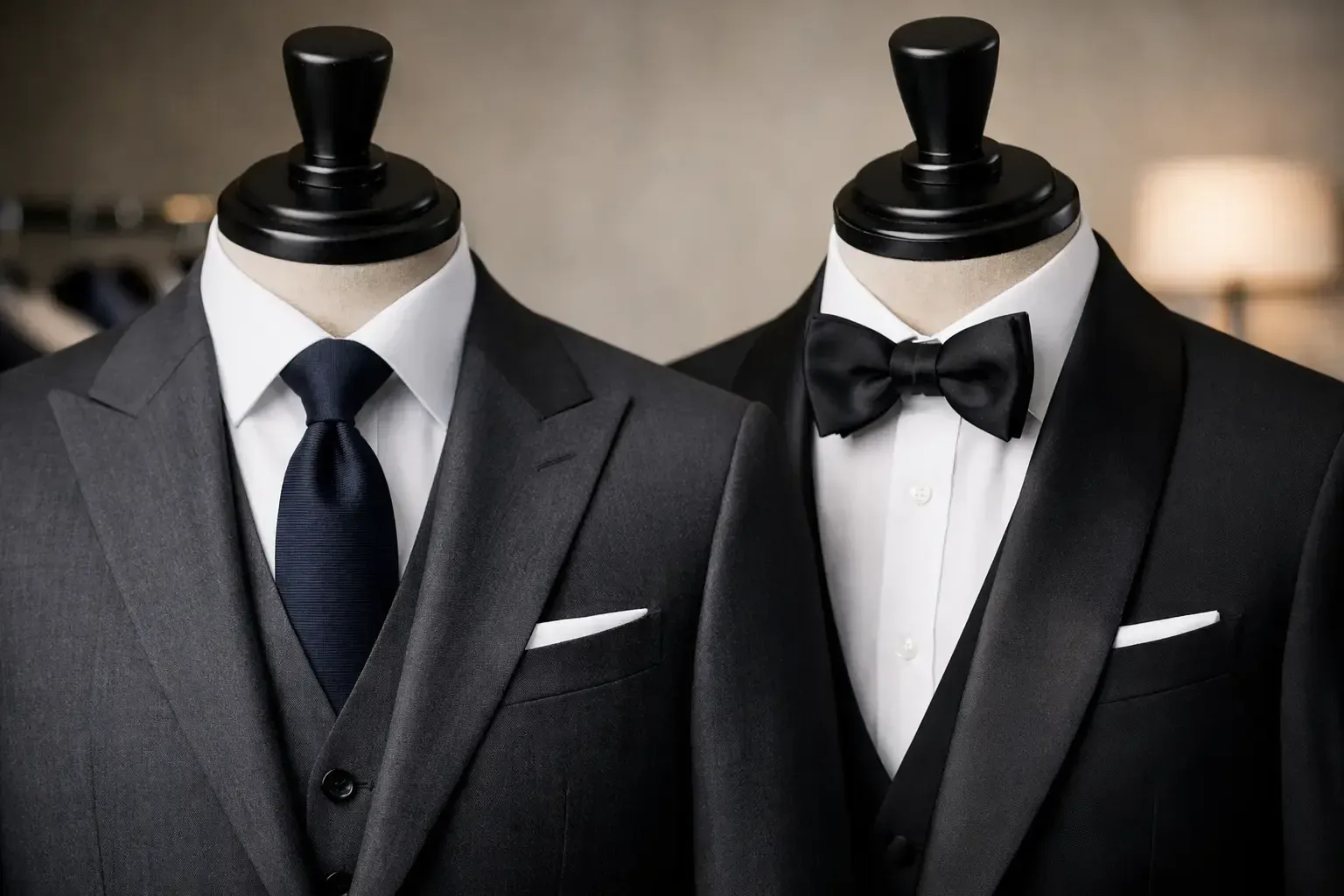
A navy suit is often the most useful starting point. It is authoritative without being severe and can move from a major presentation to a dinner reservation with a change of shirt and tie. Charcoal follows closely, especially for executives whose work calls for a more traditional appearance. Depending on your workplace, a medium gray suit can provide a softer, equally professional option.
These suits should not look identical. A subtle difference in texture, weave, or shade keeps the rotation interesting while preserving a coherent standard. Fine wool remains a dependable choice for its clean drape and versatility, though the right fabric weight matters greatly in Texas. A skilled clothier can guide you toward materials that feel comfortable while maintaining a sharp silhouette through a long day.
Once the suit foundation is in place, add a tailored blazer. A deep navy or understated brown blazer offers flexibility with trousers, knitwear, and open-collar shirts. It is particularly useful for executives whose offices have shifted away from daily suits but who still need to look prepared at a moment's notice.
Trousers deserve the same attention as jackets. Well-designed wool trousers in gray, navy, and a complementary neutral can carry much of your weekly wardrobe. When the cut is correct through the waist, seat, and leg, they bring structure to simpler combinations without making them feel stiff.
Fit Is Part of Your Executive Presence
An executive wardrobe should never require you to adjust your jacket, pull at your sleeves, or think about whether a shirt is bunching beneath your collar. Those small discomforts affect how you carry yourself. Precision fit is not simply a visual advantage. It allows you to focus on the conversation, the decision, or the people in front of you.
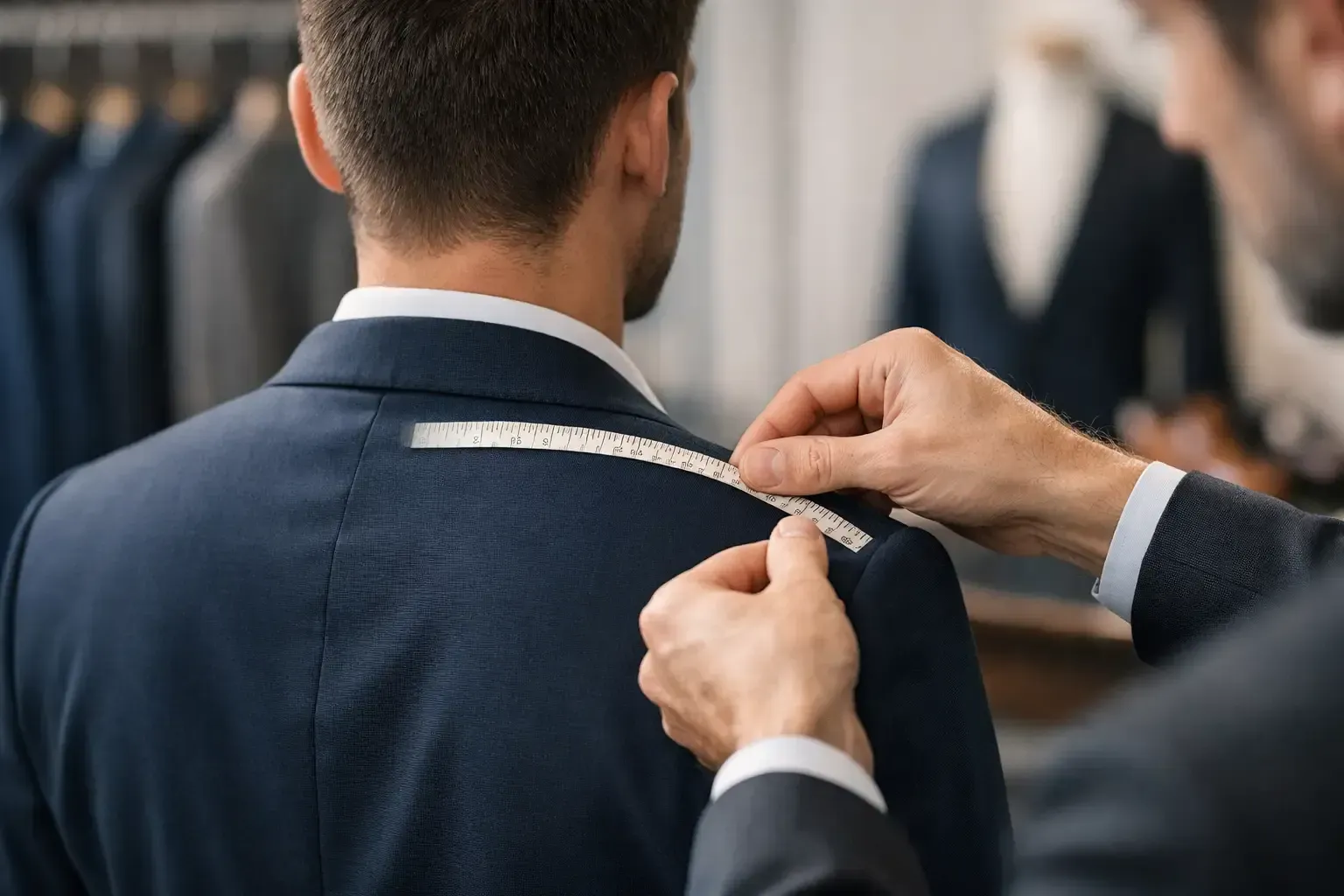
Off-the-rack clothing is built around generalized proportions. It may work reasonably well for some men, but it often creates compromises in the shoulders, jacket length, trouser line, or shirt fit. Those compromises are especially noticeable in tailored business clothing, where clean lines are the point.
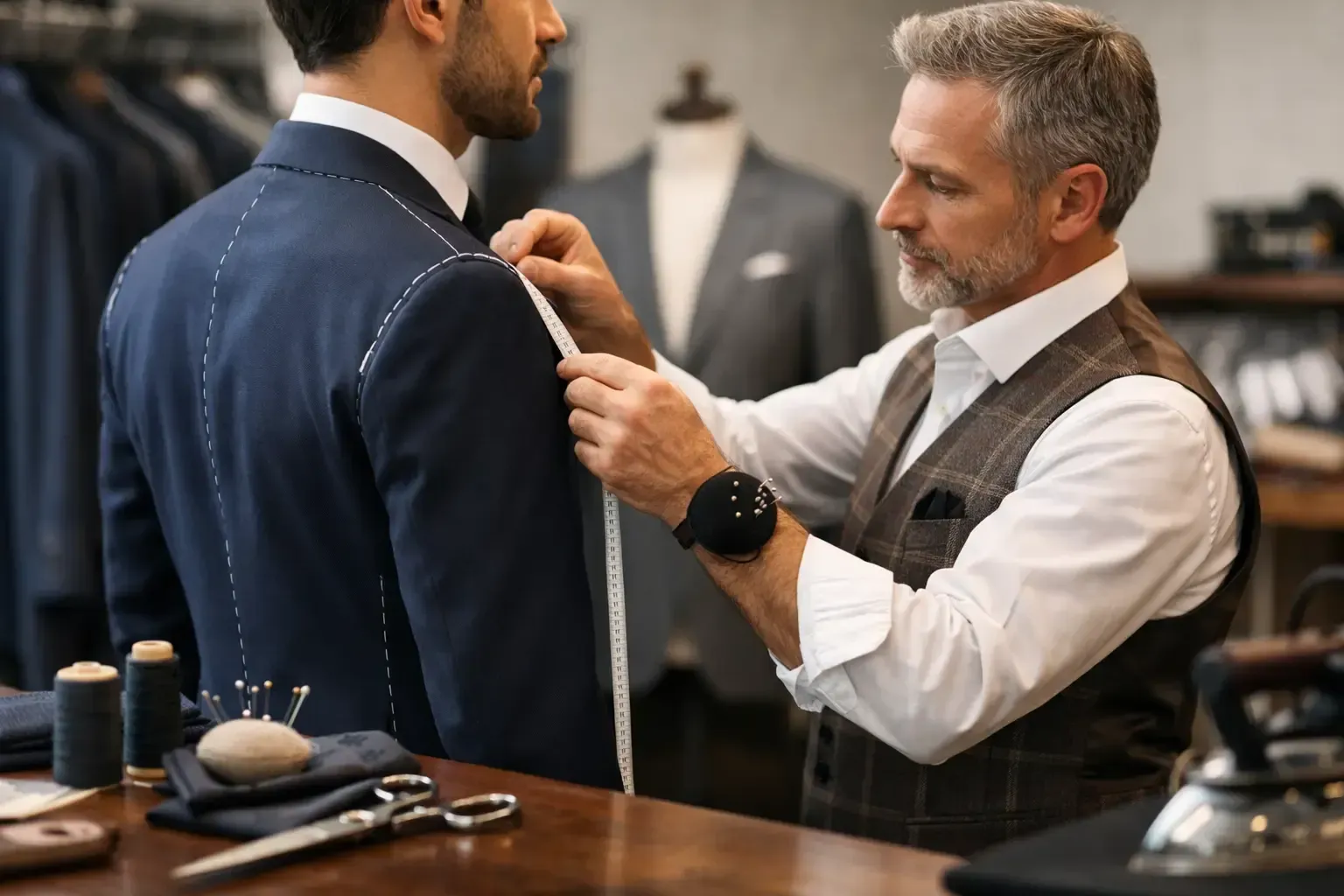
Bespoke clothing is designed around your individual build and posture. The experience also gives you a voice in the details: lapel shape, pocket style, trouser finish, shirt collar, button selection, and even custom lining. The best choices are not always the loudest. For a new executive, restraint often communicates more confidence than excess.
That does not mean personality should disappear. A distinctive lining, a thoughtfully selected shirt fabric, or a subtle texture can make a garment personal without undermining its versatility. Your clothing should look appropriate for the room while still feeling like it belongs to you.
Choose Shirts and Accessories That Create Options
The executive wardrobe is often won or lost in the pieces worn closest to the body. A collection of excellent dress shirts makes two suits feel like six different looks. Begin with crisp white and light blue, then add soft stripes or quiet patterns when they suit your industry and complexion.
Collar choice matters because it frames the face. The right collar should work with or without a tie and sit cleanly beneath your jacket. This is a small detail with a large effect on photographs, video calls, and face-to-face meetings.
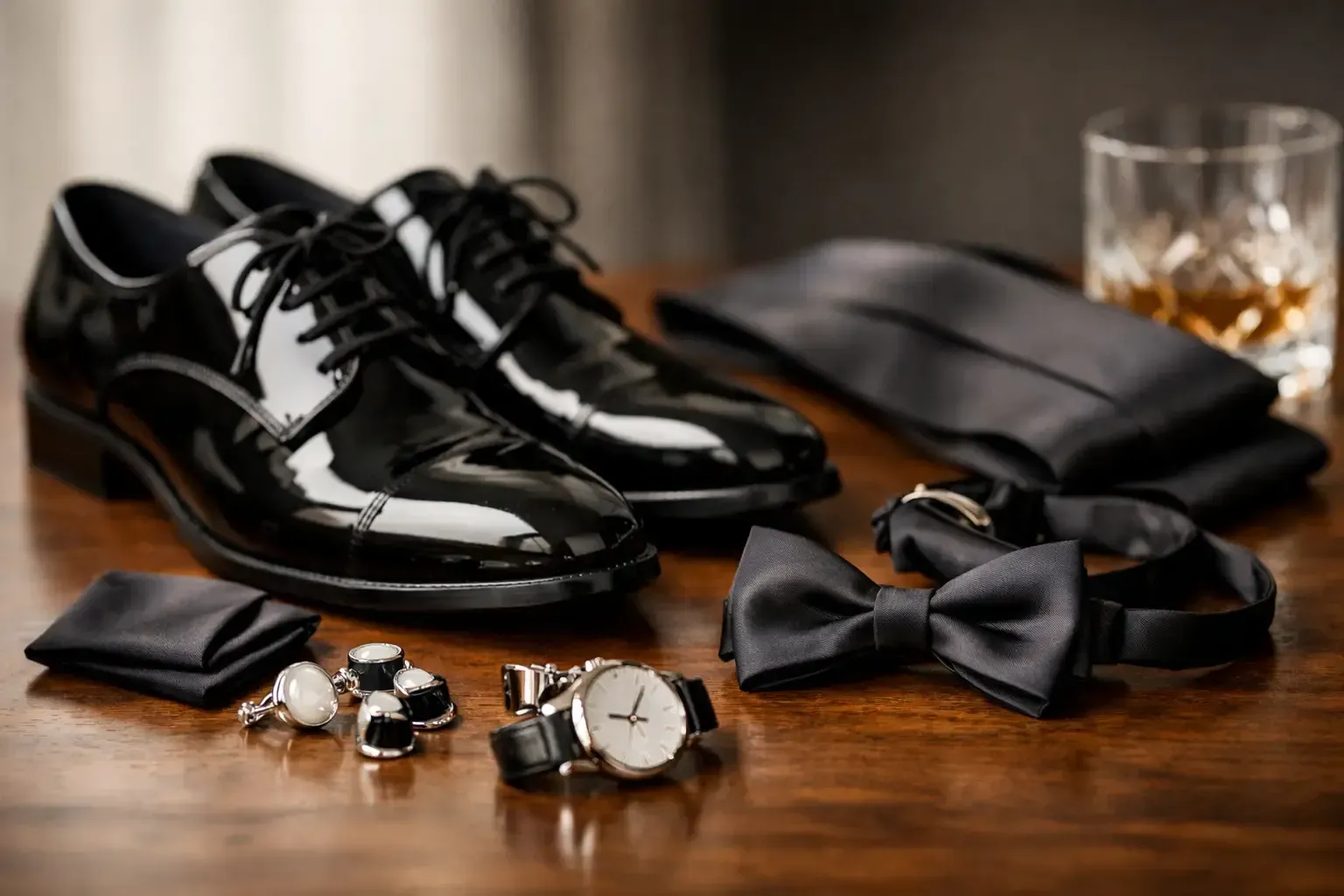
Accessories should reinforce your polish, not compete for attention. A dark leather belt, refined dress shoes, a quality watch, and a rotation of silk ties give you dependable finishing options. For shoes, dark brown and black cover most professional needs. The better choice depends on your suit colors and the formality of your workplace, so it is worth planning the two together rather than treating footwear as an afterthought.
If your office leans more relaxed, elevated knitwear can be one of the smartest additions. A fine-gauge crewneck or mock neck under a tailored blazer projects ease while retaining structure. It is a useful alternative to a dress shirt and tie during cooler months or less formal meetings.
Know When to Add Statement Pieces
New executives are sometimes tempted to announce their new position with bold checks, bright colors, or highly distinctive styling. There is a place for statement clothing, but it should come after the essentials are established. Your wardrobe should first make getting dressed easier, not turn every morning into a styling exercise.
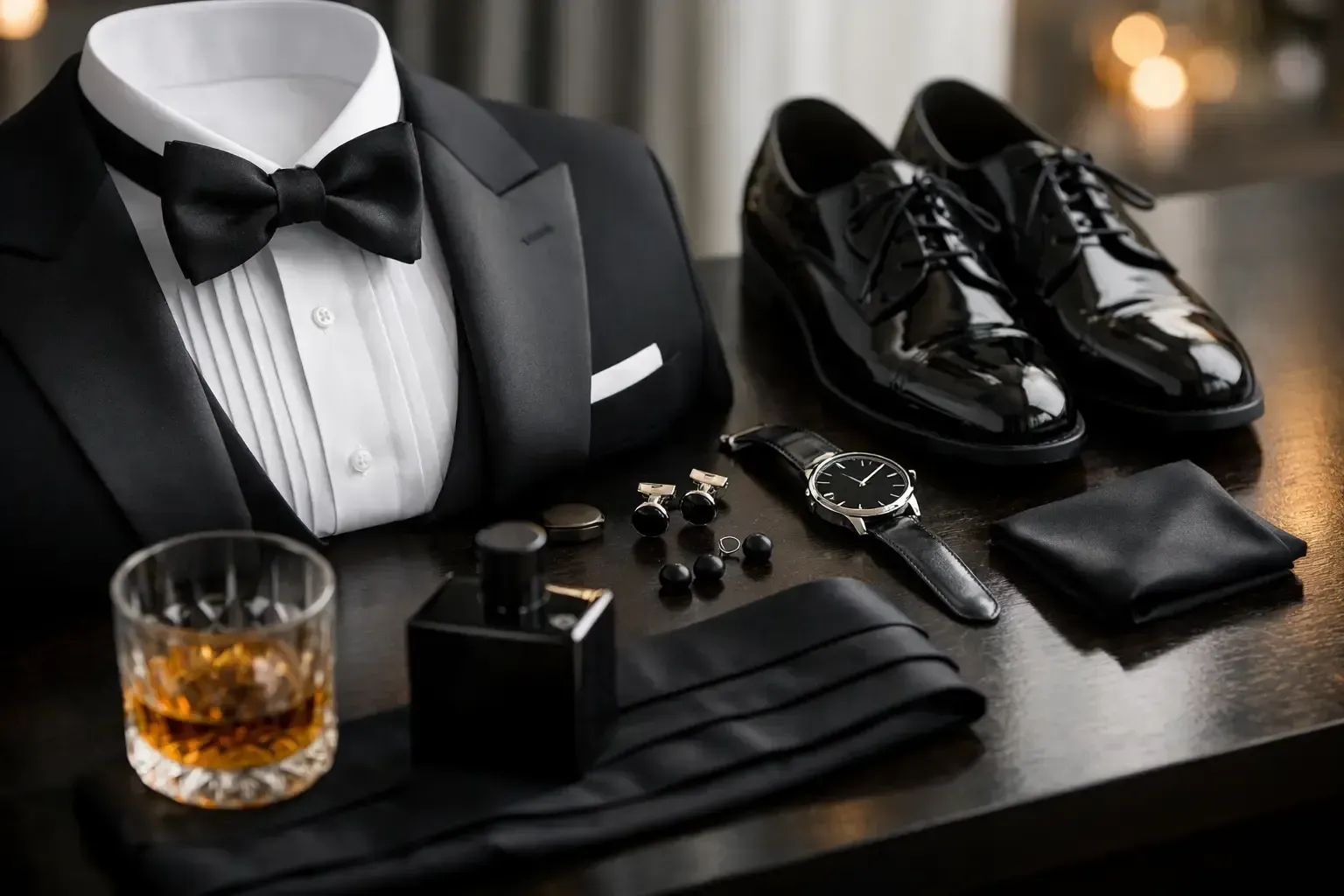
Once your foundation is complete, a subtle windowpane suit, a textured sport coat, or a distinctive dinner jacket can add range. These pieces are especially valuable for speaking engagements, celebrations, networking events, and client entertainment. They communicate discernment when chosen with care.
The trade-off is versatility. A highly memorable garment may be satisfying to own, but it will not serve you as often as a beautifully cut navy suit or a well-proportioned blazer. Investment should follow wear. Put the greater portion of your budget into the garments that will carry the greatest responsibility.
Plan for the Calendar You Actually Have
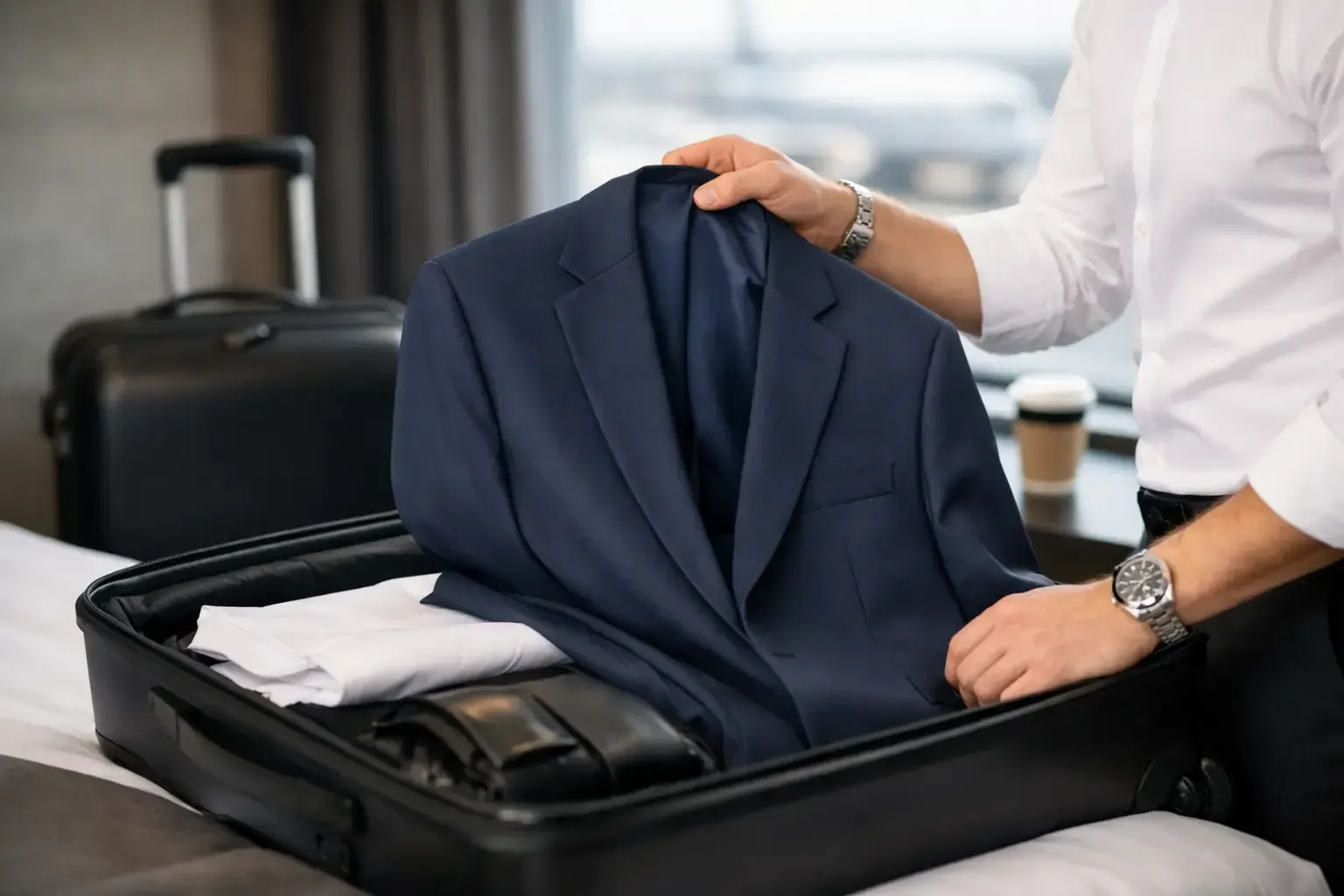
A wardrobe should evolve as your responsibilities do. If you are beginning a role with frequent travel, prioritize fabrics that recover well and garments that can create multiple outfits from a compact selection. If your new position includes formal events or leadership dinners, include evening-ready options from the beginning rather than making rushed decisions before an invitation.
For professionals in Richmond, Houston, Sugar Land, and surrounding areas, an appointment-based wardrobe consultation can also bring useful local perspective. The demands of Gulf Coast weather, business culture, and social calendars are different from those of a colder, more formal market. The right wardrobe respects those realities while maintaining a timeless standard.
Kamran Bespoke approaches this process as a long-term relationship, not a single purchase. A hand-crafted garment should feel exceptional on its first wear, but it should also remain relevant as your confidence, role, and schedule develop.
The most effective executive style is not performative. It is calm, precise, and consistent. Build your wardrobe with that standard in mind, and every meeting becomes one less place where you need to wonder whether you look prepared.