
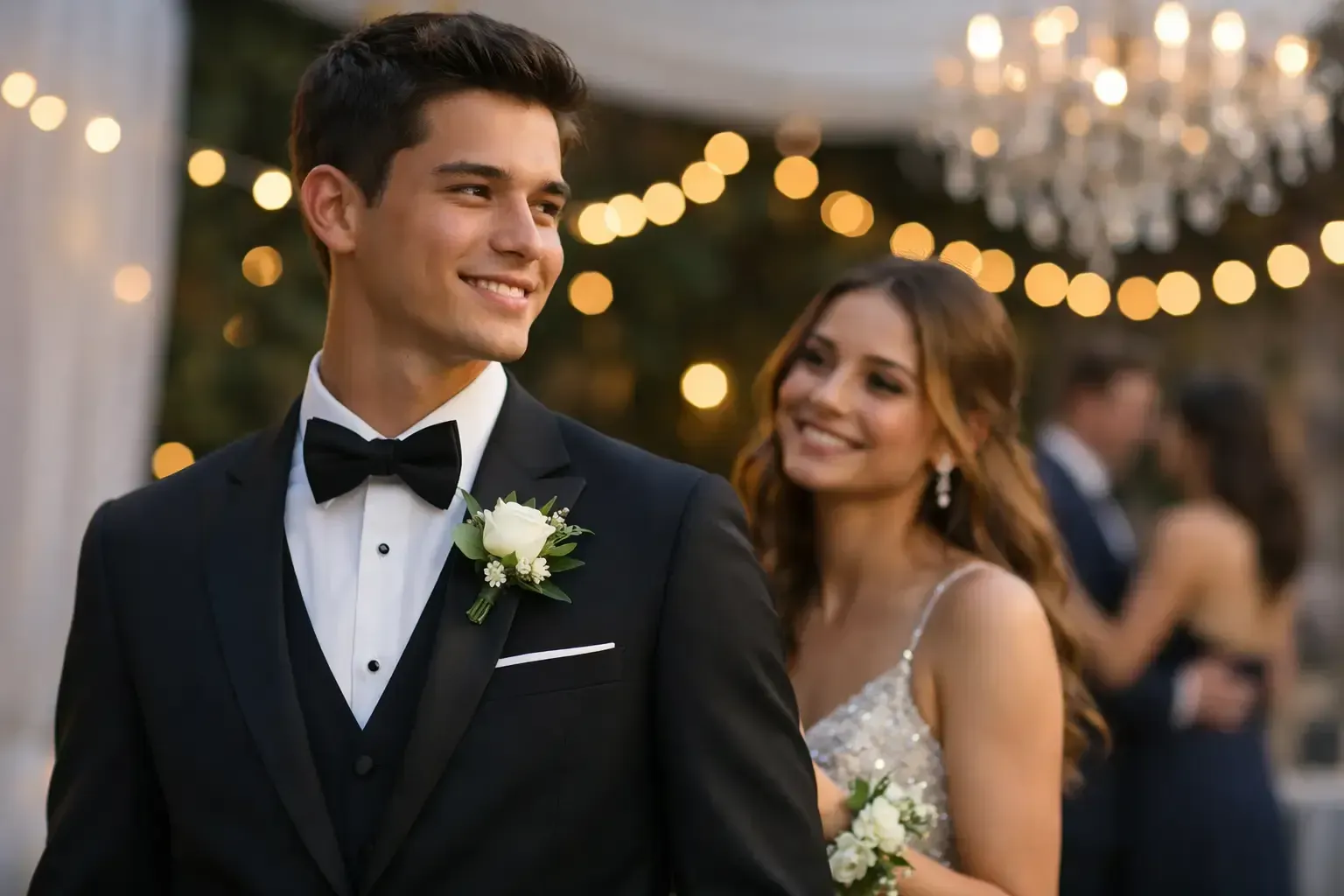
The photos last for decades, and the groom is in every one of them. That is why a strong groom tuxedo style guide starts with one simple principle: your tuxedo should feel as considered as the ceremony itself. The right choice does more than meet a dress code. It sharpens your presence, complements the setting, and gives you the kind of confidence that reads instantly.
A wedding tuxedo should never feel like a costume. It should look formal, yes, but it also needs to feel like an elevated version of you. That balance comes from fit, proportion, fabric, and a few key style decisions that work together rather than compete.
Start with the wedding, not the rack
The best tuxedo decisions begin with context. A black-tie evening wedding in a grand ballroom calls for a different approach than a rooftop ceremony, a winter celebration, or a modern destination event. Formalwear has rules for a reason, but good style comes from knowing when to follow tradition closely and when to personalize with restraint.
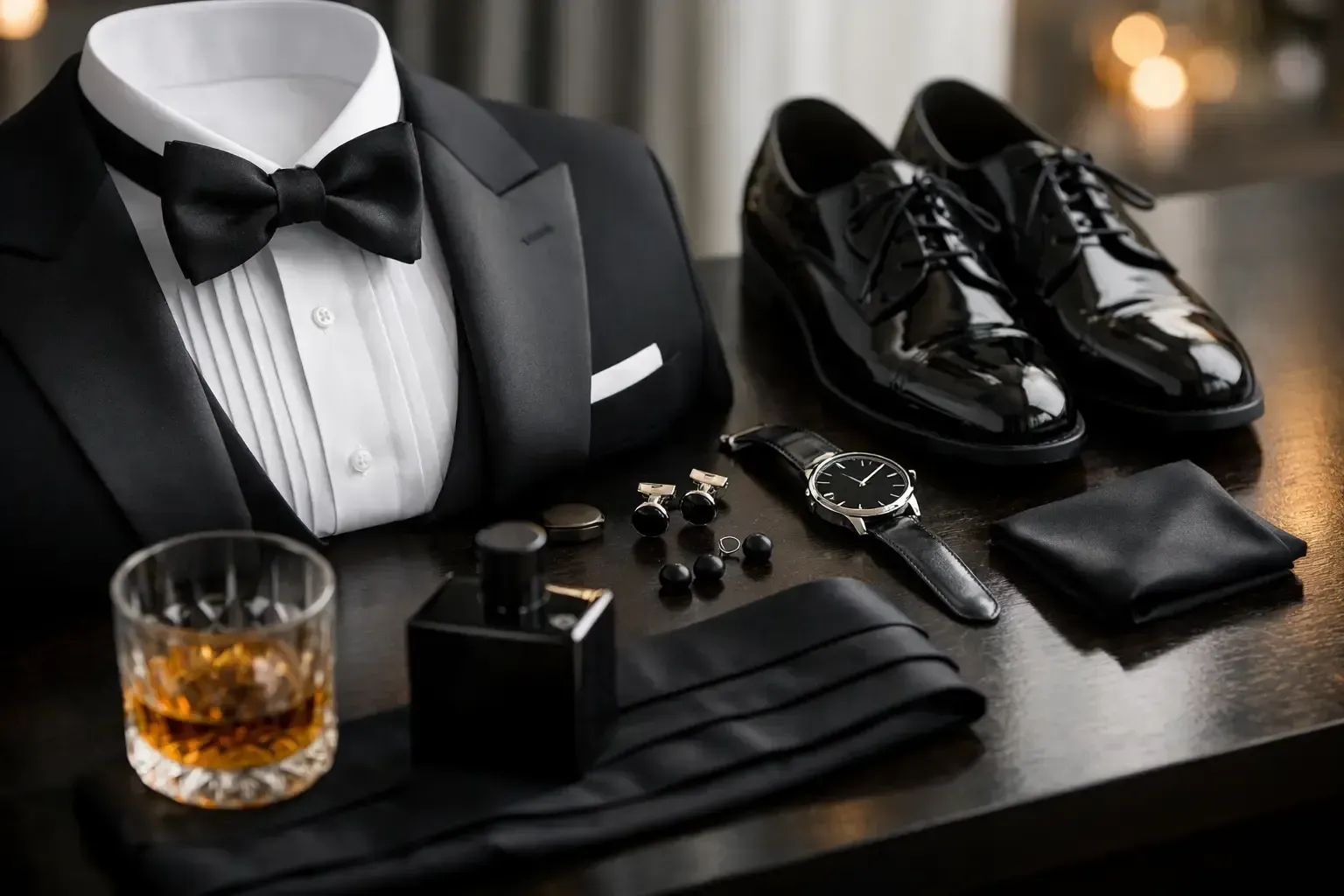
If the invitation, venue, and time of day point clearly toward black tie, a classic black tuxedo remains the strongest option. It is timeless, photographs beautifully, and keeps the focus on the groom rather than the garment. Midnight blue is another excellent choice, especially in evening light, where it often appears richer than black. For warmer-weather weddings or events with a more relaxed formal tone, a white dinner jacket with black trousers can look striking, though it requires confidence and the right setting.
This is also where many grooms make the wrong move. They choose a tuxedo based only on what feels trendy in the moment. Trends date quickly. Proportion, fit, and fabric quality do not.
Fit is the first luxury
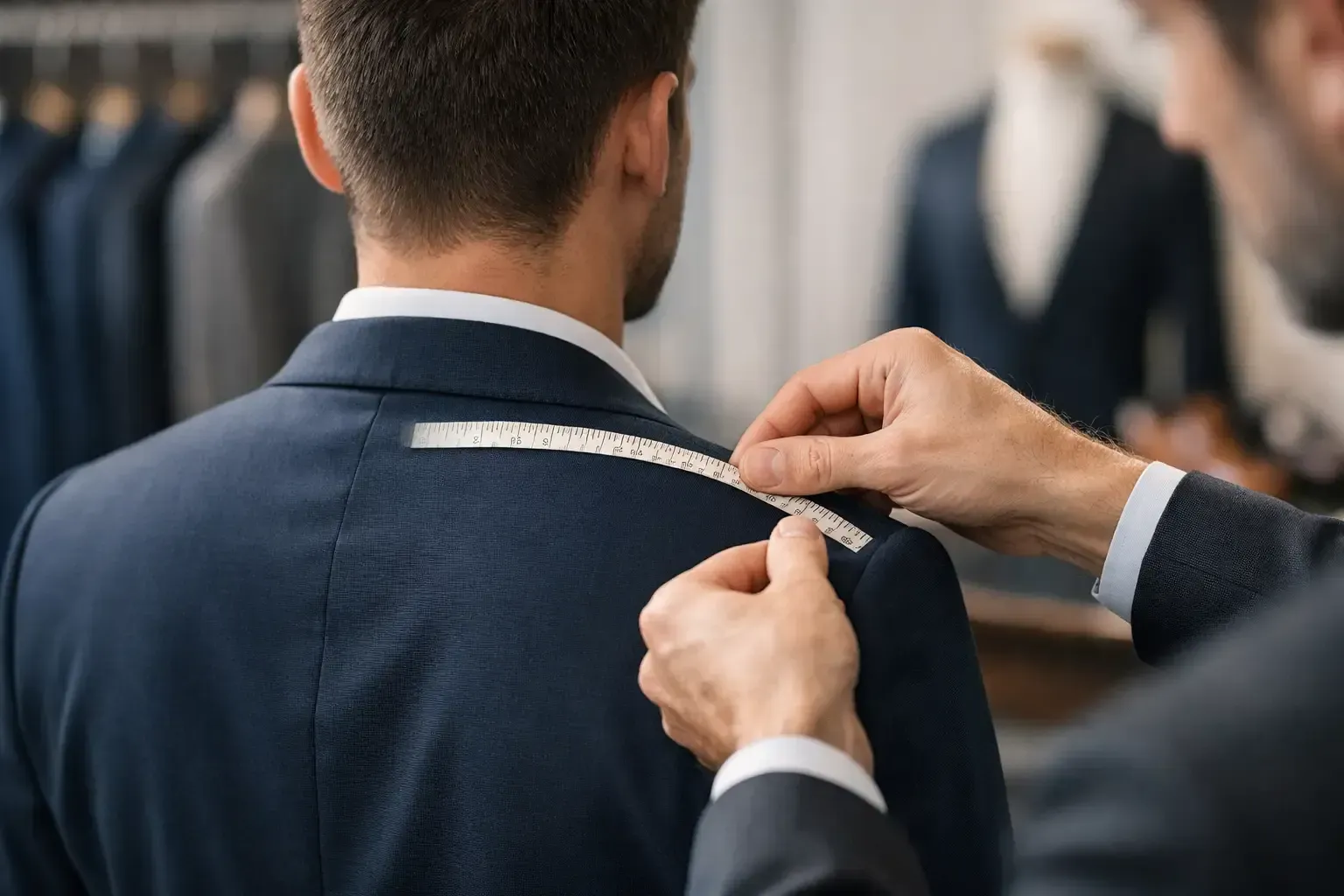
No detail matters more than fit. A tuxedo can be cut from exceptional cloth and still look average if the shoulders are off, the jacket is too long, or the trousers collapse at the ankle. On the other hand, a clean, precise fit gives even traditional styling a sense of authority.
The shoulder line should sit naturally and cleanly. The jacket should shape the torso without pulling at the button stance. Sleeves should allow a small amount of shirt cuff to show. Trousers should sit properly at the waist and fall with a clean line, not bunching heavily over the shoe.
There is room for personal preference here. Some grooms want a stronger, more sculpted silhouette. Others prefer a softer drape with a little more ease. The right answer depends on your build, your comfort, and the visual tone of the wedding. A slimmer cut can look sharp, but if it feels restrictive, it will show in the way you stand and move. Formalwear should feel composed, not strained.
For men who struggle with off-the-rack proportions, this matters even more. Slender frames, athletic builds, and height extremes often need more than minor alterations. A tuxedo tailored to perfection creates a cleaner line and a more confident presence from every angle.
The groom tuxedo style guide to jacket details
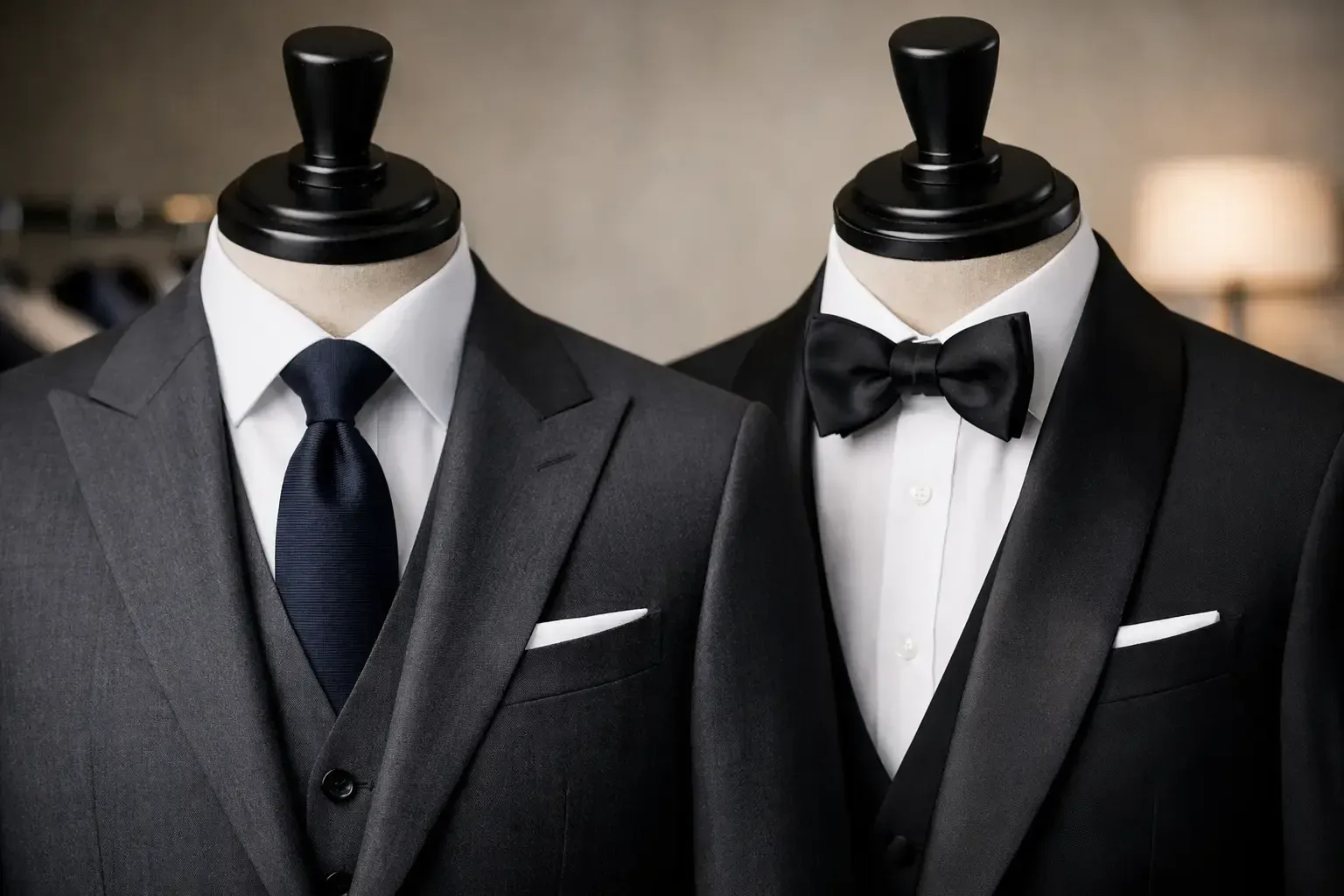
Once fit is established, jacket details define the character of the tuxedo. Lapels are the first place to pay attention. Peak lapels are the most assertive and formal, adding structure and presence. Shawl lapels are elegant and slightly softer, often favored for black tie because of their smooth, uninterrupted line. Notch lapels appear on some tuxedos, but they tend to feel less formal and are usually not the strongest choice for a wedding where refinement matters.
The facing on the lapel should be satin or grosgrain, and the same finish should carry through the trouser stripe. Satin reads a touch more formal and traditional. Grosgrain has a subtle texture that can feel more understated and modern. Neither is universally better. It depends on the overall look you want.
A one-button jacket is the classic standard for tuxedos, while double-breasted options can look exceptional on the right groom. A double-breasted tuxedo has a distinctive elegance and a slightly stronger fashion point of view, but it is less forgiving if the fit is not exact. If you want timeless with minimal risk, single-breasted is hard to beat.
Pocket style matters too. Jetted pockets keep the line clean and formal. Flap pockets on a tuxedo tend to interrupt that polish, even if some modern versions include them.
Fabric and color set the tone
Tuxedo fabric should look rich under natural light, indoor lighting, and flash photography. That usually means a fine wool in a weight appropriate for the season. Super-light cloth can wrinkle too easily, while overly heavy fabric may feel oppressive, especially at a Texas wedding.
For most grooms, black or midnight blue offers the best long-term value. Both are versatile, elegant, and grounded in formalwear tradition. Midnight blue often feels slightly more distinctive without becoming flashy. If the wedding has a softer palette or a warm-weather setting, ivory or white dinner jackets can be a sophisticated option, but they work best when the event clearly supports that level of contrast.
Velvet jackets, bold textures, and fashion-forward colors can be appealing, especially for reception looks or statement-making evening events. Still, these choices come with trade-offs. They are memorable, but they can pull attention away from the timeless quality most grooms want when they look back at their wedding album years later.
Shirt, studs, and neckwear matter more than most grooms expect
The shirt is not a background piece. It frames the face, supports the jacket, and affects how refined the entire tuxedo looks. A crisp white formal shirt is the standard for good reason. Pleated fronts, pique bib fronts, or clean plain fronts can all work depending on how traditional the wedding is.
A proper collar choice helps shape the look. A spread collar is versatile and flattering for many face shapes. A wing collar is more formal and more traditional, but it can feel too rigid for some modern weddings. For most grooms, a well-balanced spread collar paired with a self-tie bow tie strikes the right note.
And yes, the bow tie should ideally be tied, not pre-tied. A self-tie bow has subtle variation and character that elevates the look immediately. It feels more personal and less rented.
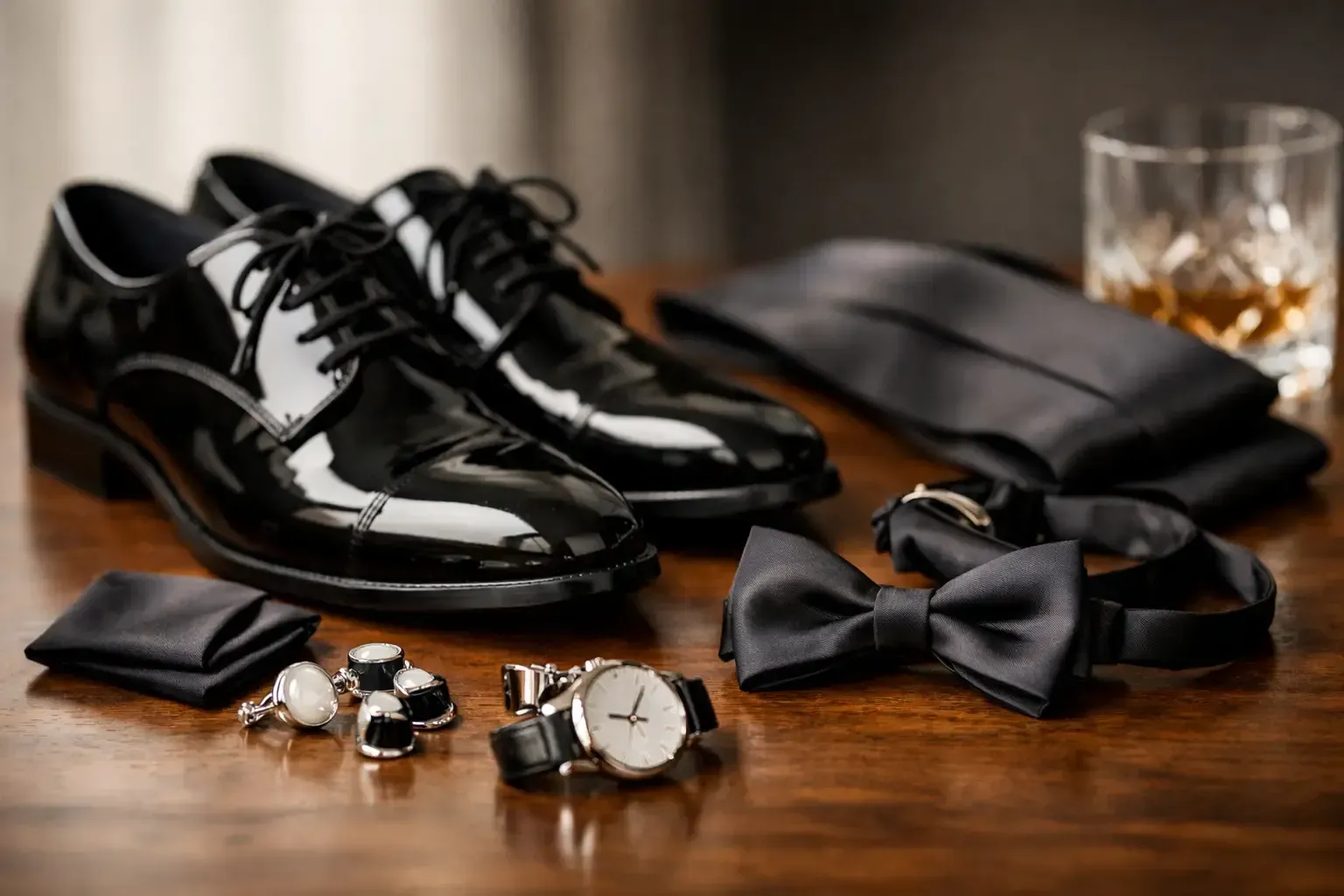
Studs and cufflinks should stay restrained. Formalwear rewards discipline. Simple black, onyx, mother-of-pearl, or polished metal finishes are usually enough. This is not the moment for oversized novelty accessories or pieces that compete with the tuxedo itself.
Shoes and finishing pieces complete the line
Footwear can quietly elevate a tuxedo or weaken it. Patent leather opera pumps are the most formal choice, but patent leather oxfords are more common and still entirely appropriate. Well-polished calfskin oxfords can also work, especially if the overall styling leans modern and understated.
Avoid bulky soles, square toes, or shoes with an overly businesslike appearance. A tuxedo needs elegance at the ground level too.
The cummerbund or waist covering is another detail that often gets overlooked. With a single-breasted tuxedo, a black cummerbund or formal low-cut vest helps create a cleaner transition between shirt and trouser waistband. Without it, the look can feel unfinished, especially in photos. A double-breasted jacket does not require the same treatment because the closure naturally covers the waist.
Socks should be dark, over-the-calf, and formal. It is a small detail until you sit down.
Personal style belongs in the details, not the distractions
A wedding tuxedo should reflect the groom, but the best personalization is controlled. Custom lining, monogramming, subtle texture, or a carefully chosen dinner jacket color can add individuality without compromising elegance. The goal is not to create surprise. It is to create recognition.
If your personal style is minimal, keep the palette classic and let the fit do the talking. If you lean more expressive, consider richer fabrics, a refined shawl lapel, or a tasteful jacket change for the reception. Personality belongs in the details that reveal themselves gradually, not in elements that overpower the occasion.
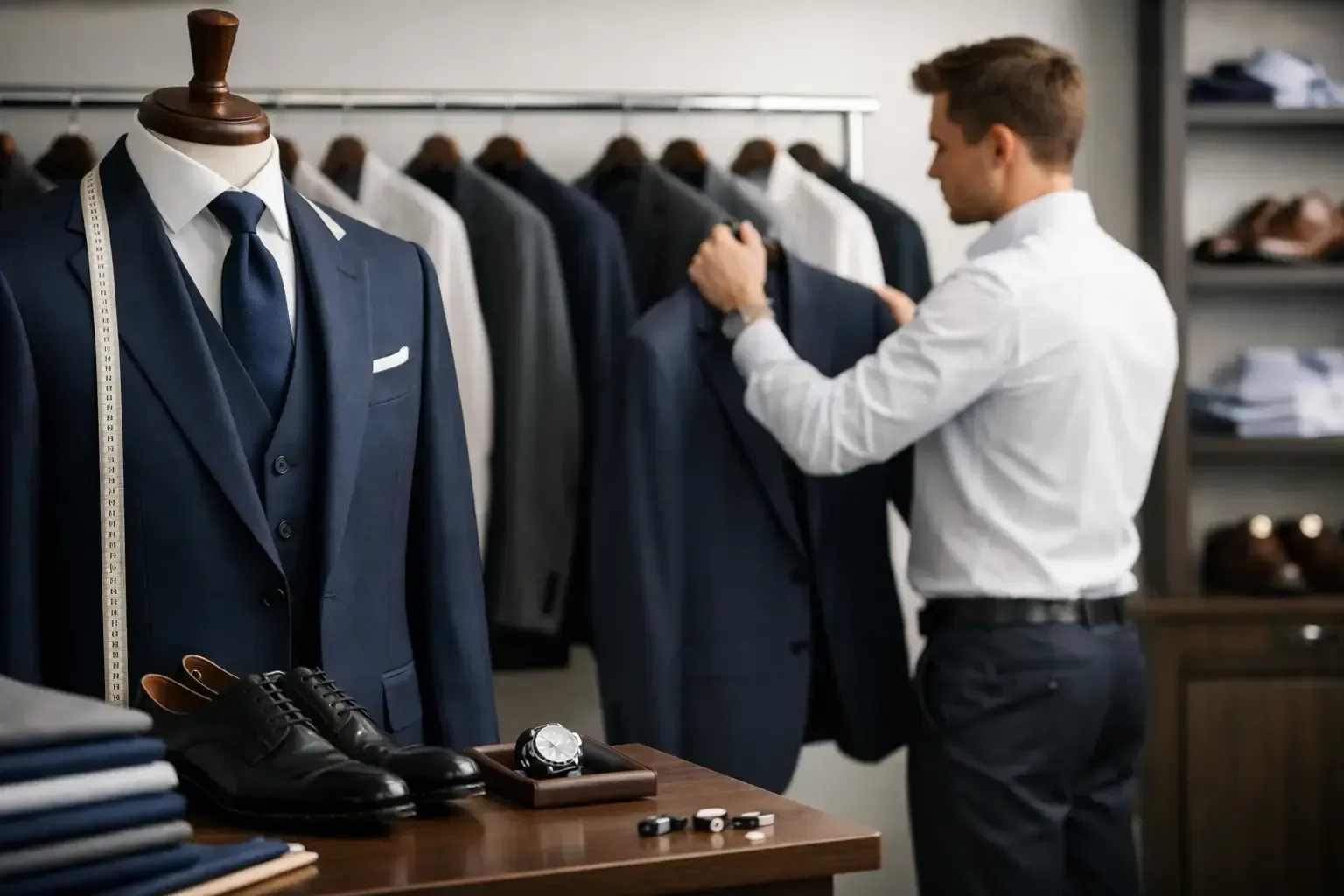
This is where a bespoke or made-to-measure process becomes especially valuable. Rather than forcing your wedding look into a standard formula, it allows the garment to be shaped around your frame, preferences, and event. At Kamran Bespoke, that process is designed to feel personal, precise, and worthy of the moment itself.
A groom tuxedo style guide for matching the wedding party
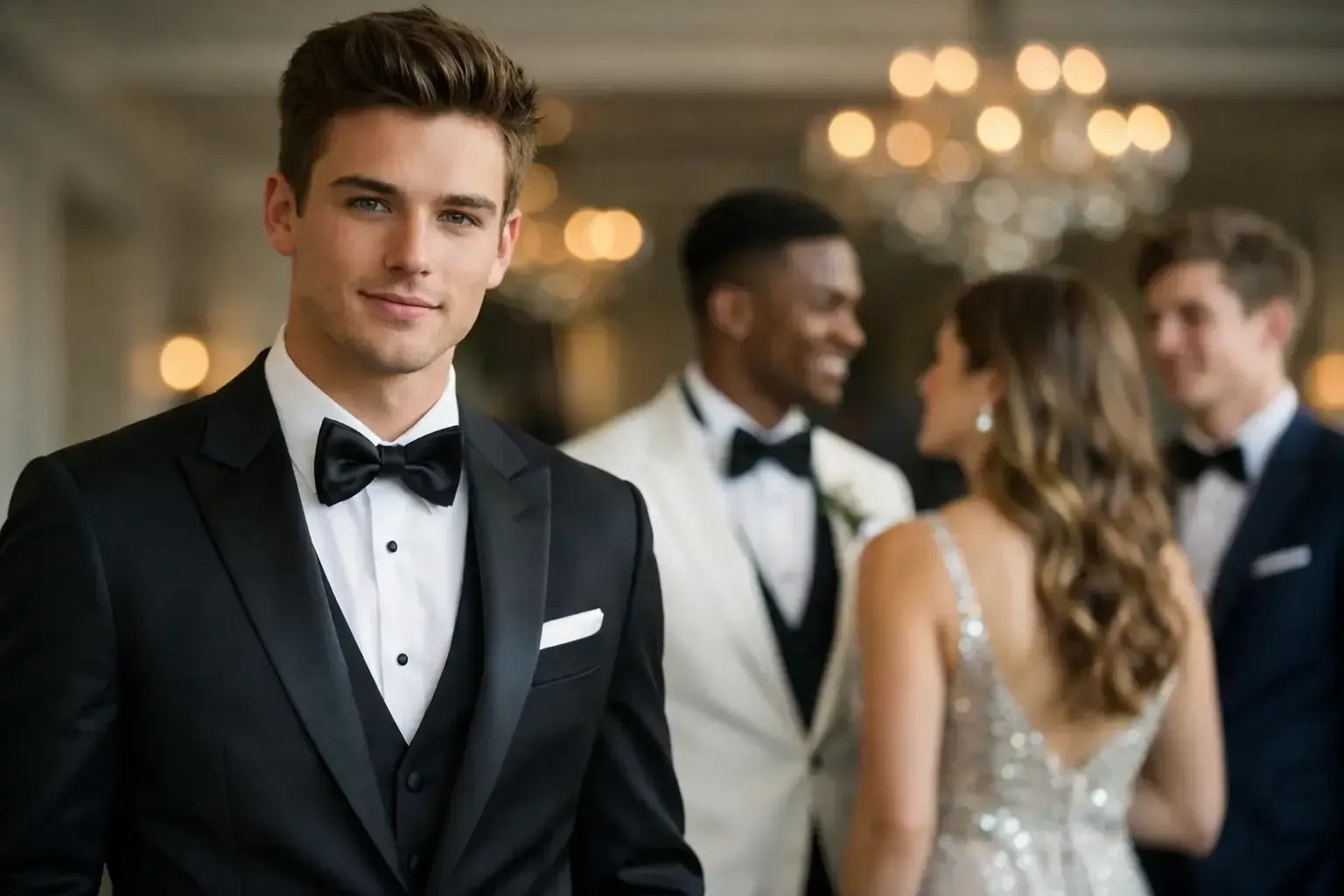
The groom does not need to dress entirely apart from the wedding party, but he should feel distinct. Sometimes that means a peak lapel while the groomsmen wear shawl lapels. Sometimes it means a richer fabric, a better-defined fit, or a subtle accessory difference. The distinction should be visible without feeling theatrical.
Coordination also matters with the bride’s look and the broader wedding palette. If the wedding is highly formal and elegant, the tuxedo should support that atmosphere. If the celebration is modern and slightly relaxed, the styling can ease up while still respecting black-tie principles.
The strongest wedding wardrobes feel cohesive because someone paid attention to proportion, color balance, and level of formality across the room.
Timing is part of style
One of the most common mistakes is waiting too long. Tuxedo decisions made under pressure usually lead to compromises in fit, fabric, and finishing details. A proper timeline leaves room for consultation, fitting, refinements, and calm decision-making.
That matters because the best formalwear is rarely chosen in a rush. It is shaped through conversation, adjustment, and a clear understanding of how you want to feel when the day arrives.
Your wedding tuxedo should make you look polished in photographs, certainly. More than that, it should make you feel steady, confident, and entirely at ease in one of the most visible moments of your life. When the fit is precise and the styling is thoughtful, that confidence does not need announcing. It shows on its own.