

A shirt can look expensive on the hanger and still fall apart the moment you put it on. The collar gaps, the sleeves balloon, the body pulls across the chest, or the hem bunches under a jacket. A proper custom shirt fit guide starts there - not with trends, but with how a shirt should support your posture, proportions, and the way you actually wear it.
For men who rely on polished presentation, fit is not a minor detail. It changes how a jacket sits, how a tie frames the face, and how confident you feel walking into a meeting, wedding, or formal event. A well-made custom shirt should feel clean and intentional, never restrictive, never sloppy, and never dependent on constant adjustment.
What a custom shirt fit guide should really help you judge
The best custom shirt is not simply tighter or slimmer than ready-to-wear. It is balanced. That balance comes from the relationship between the collar, shoulders, chest, waist, sleeves, and length. When one area is off, the entire shirt looks off, even if the fabric is exceptional.
This is why off-the-rack shirts disappoint so many men. Most are built around standard sizing assumptions that do not reflect real bodies. A man with broader shoulders and a trim waist often ends up sizing up for comfort and sacrificing shape. A slender client may find the neck fits, but the torso feels oversized and the sleeves too full. Someone with an athletic build may deal with strain in the chest and upper arms while the midsection still lacks definition.
Custom shirting solves that by building around your body rather than asking your body to compromise.
Start with the collar, not the chest
If the collar is wrong, the shirt is wrong. It frames the face, supports a tie, and stays visible even under a jacket. It also tends to reveal poor fit immediately. A collar that pinches is distracting. A collar that gaps looks careless.
A proper collar fit should allow comfort without excess space. You want enough room to move and breathe naturally, but not so much that the collar stands away from the neck. The right fit matters whether you wear the shirt open-collar for business casual settings or closed with a tie for formal occasions.
Collar choice also affects appearance. A spread collar can feel sharp and modern, particularly for broader faces or tie wear. A point collar often creates a classic, elongating line. The better option depends on your proportions, wardrobe, and purpose. This is where expert guidance matters, because the most flattering choice is not always the most fashionable one.
Shoulder fit decides whether the shirt looks tailored
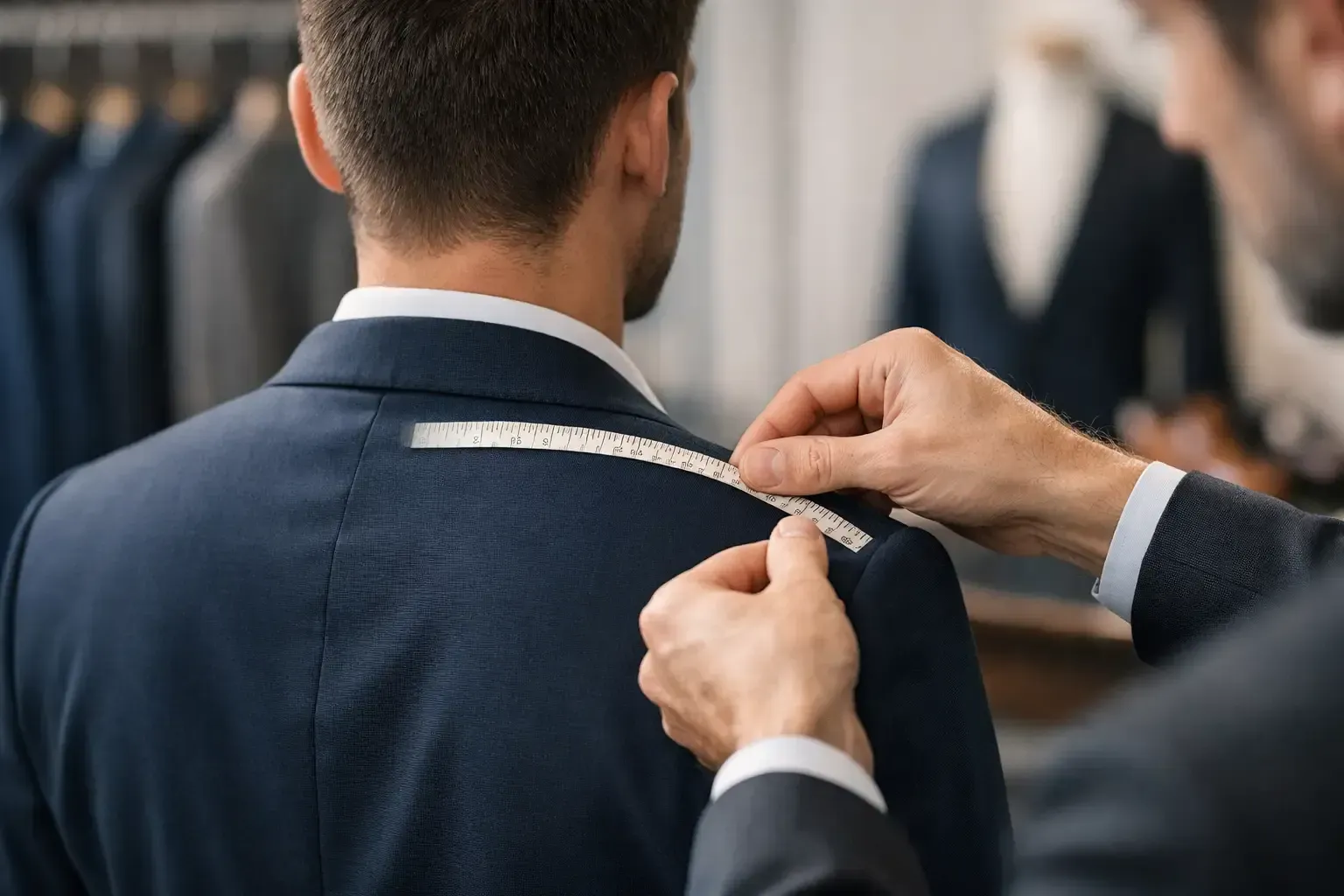
After the collar, the shoulders do most of the visual work. The seam should sit where your shoulder naturally ends. If it falls too far down the arm, the shirt appears oversized. If it rides up toward the neck, the shirt can look strained and uncomfortable.
This area is especially important under a blazer or suit jacket. Poor shoulder alignment creates bunching and distorts the drape of the layers above it. Even a beautiful jacket cannot fully correct a shirt that collapses at the shoulder.
For clients who have one shoulder slightly lower than the other, which is more common than many realize, custom fitting becomes even more valuable. Small adjustments create a cleaner line and a more composed look without drawing attention to asymmetry.
Chest and waist fit should create shape, not tension
A refined shirt should follow the body without clinging to it. Across the chest, the fabric should lie smoothly with enough room for movement. You should be able to sit, reach, and breathe comfortably. At the same time, excess cloth around the torso works against the tailored effect.
The waist is where many shirts lose their elegance. Too much volume creates blousing and bunching once tucked in. Too little room causes pulling around the buttons. The ideal shape is one that feels clean from chest to midsection, with a subtle contour that respects your build.
This is where the phrase slim fit becomes less useful than many shoppers think. Some men need more room through the chest and less through the waist. Others need the opposite. A true custom fit is about proportion, not a generic label.
Sleeve length and sleeve shape change the entire impression
Sleeves should not be an afterthought. When the sleeve length is right, the shirt works with your jacket instead of disappearing beneath it or extending too far past the cuff. For men wearing tailoring regularly, that small edge of shirt cuff at the wrist creates a polished finish.
But length is only part of the picture. Sleeve fullness matters just as much. Too much fabric through the bicep and forearm creates puffiness. Too little can feel tight and restrictive, especially for men with athletic arms. The cuff should also fit the wrist with intention - neat enough to look tailored, comfortable enough for daily wear, and sized correctly for whether you wear a watch.
Shirt length depends on how you wear it
A dress shirt intended to stay tucked should have enough length to remain secure as you move through the day. Too short, and it pulls free the moment you sit or reach. Too long, and it creates unnecessary bulk in the trouser line.
If you want a shirt designed to be worn untucked, the proportion changes. The hem should feel deliberate rather than accidental. This is one reason occasion matters in any custom shirt fit guide. A boardroom shirt, a wedding shirt, and a smart casual shirt may all fit beautifully while serving different visual goals.
Fit is not one standard - it depends on use
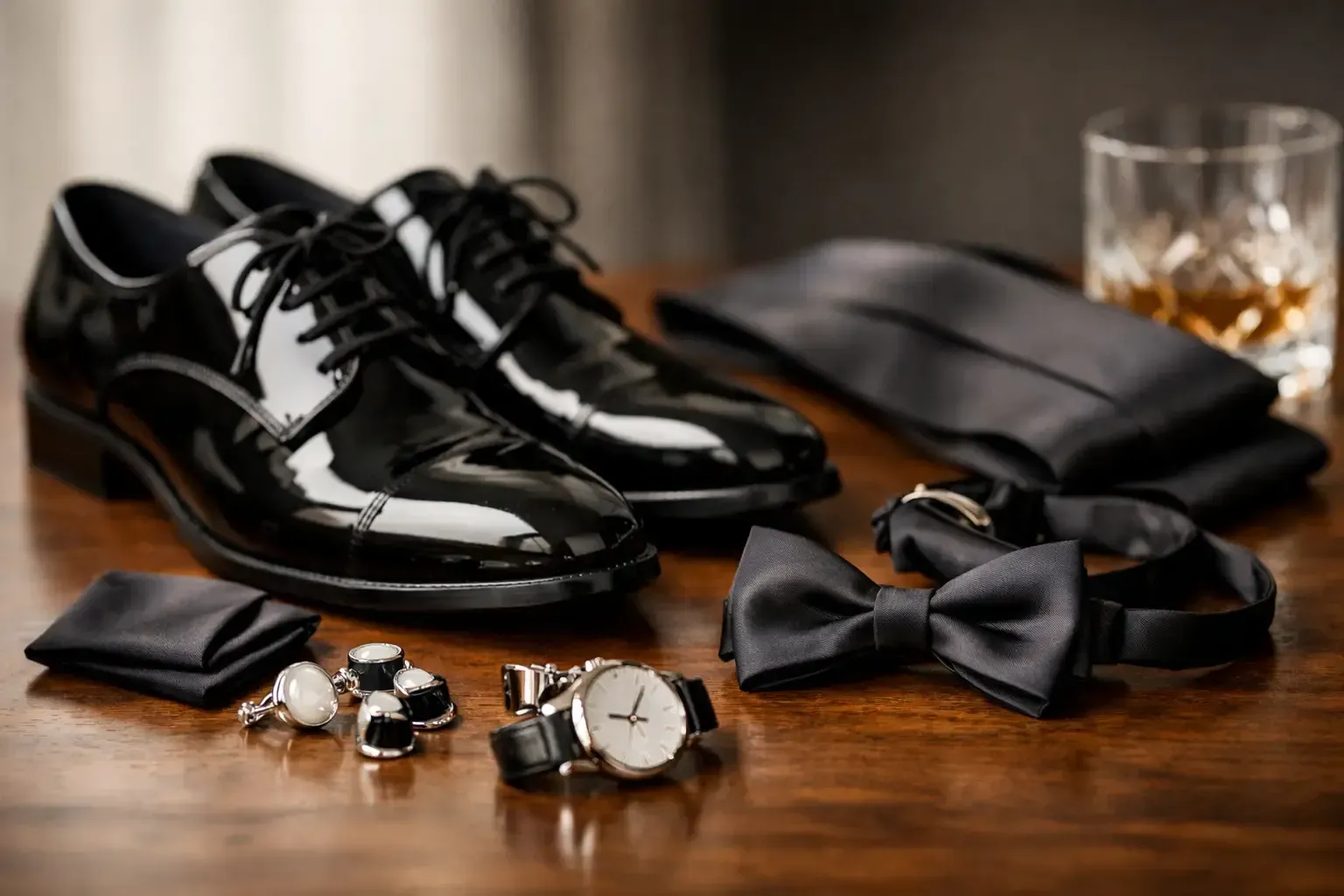
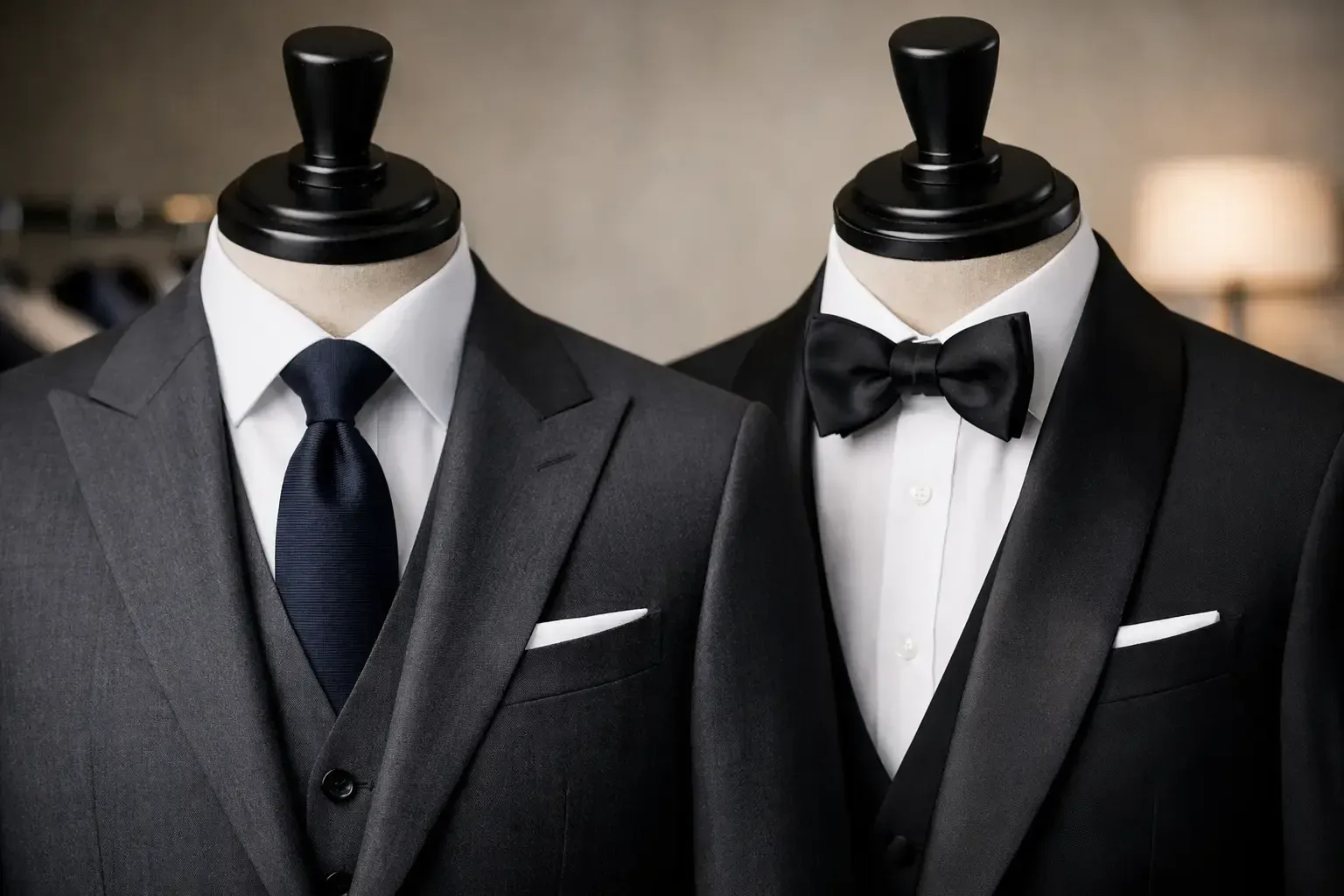
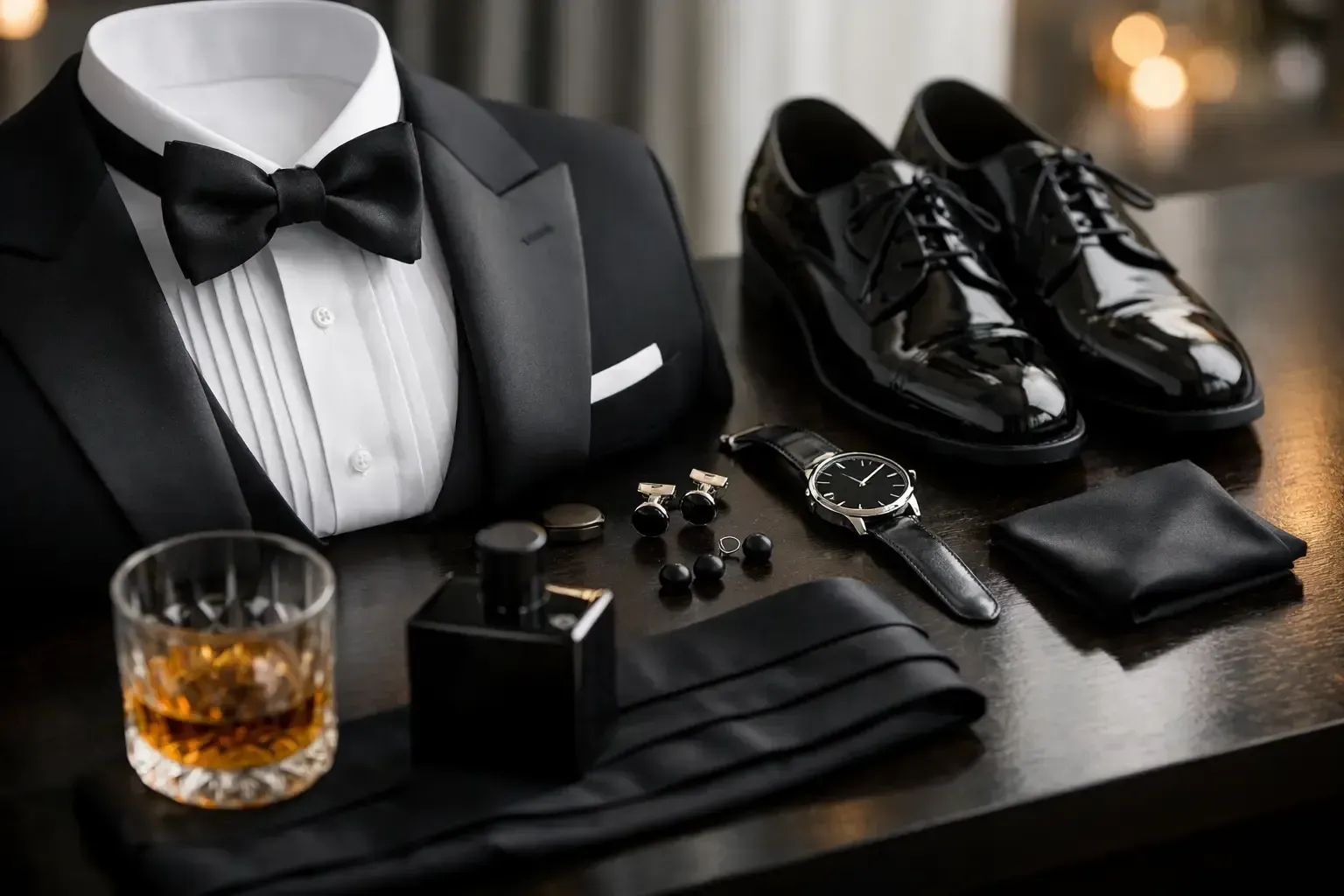
The right shirt for daily business wear may not be the right shirt for a black-tie event or summer wedding. Formal shirts often need a cleaner, more structured presentation, especially when worn with tuxedos or dinner jackets. Business shirts may prioritize versatility across jackets and ties. Occasion shirts can allow more personality through collar style, placket design, cuff choice, or fabric texture.
Climate also matters, particularly in Texas. A shirt that fits perfectly in theory can still feel wrong if the fabric is too heavy or the cut does not support comfort in warmer conditions. Breathable cottons, thoughtful construction, and the right amount of ease all affect wearability.
Why measurements alone are not enough
Many people assume custom fit is just a matter of taking measurements. In reality, the most successful shirt fitting is part measurement, part observation, and part experience. Posture, shoulder slope, arm position, neck shape, and personal preference all influence the final result.
Two clients with similar measurements may need very different shirts. One may prefer a close, trim silhouette for a sharp metropolitan look. Another may want a little more ease for travel or long workdays. Neither is wrong. The shirt should reflect both the body and the lifestyle.
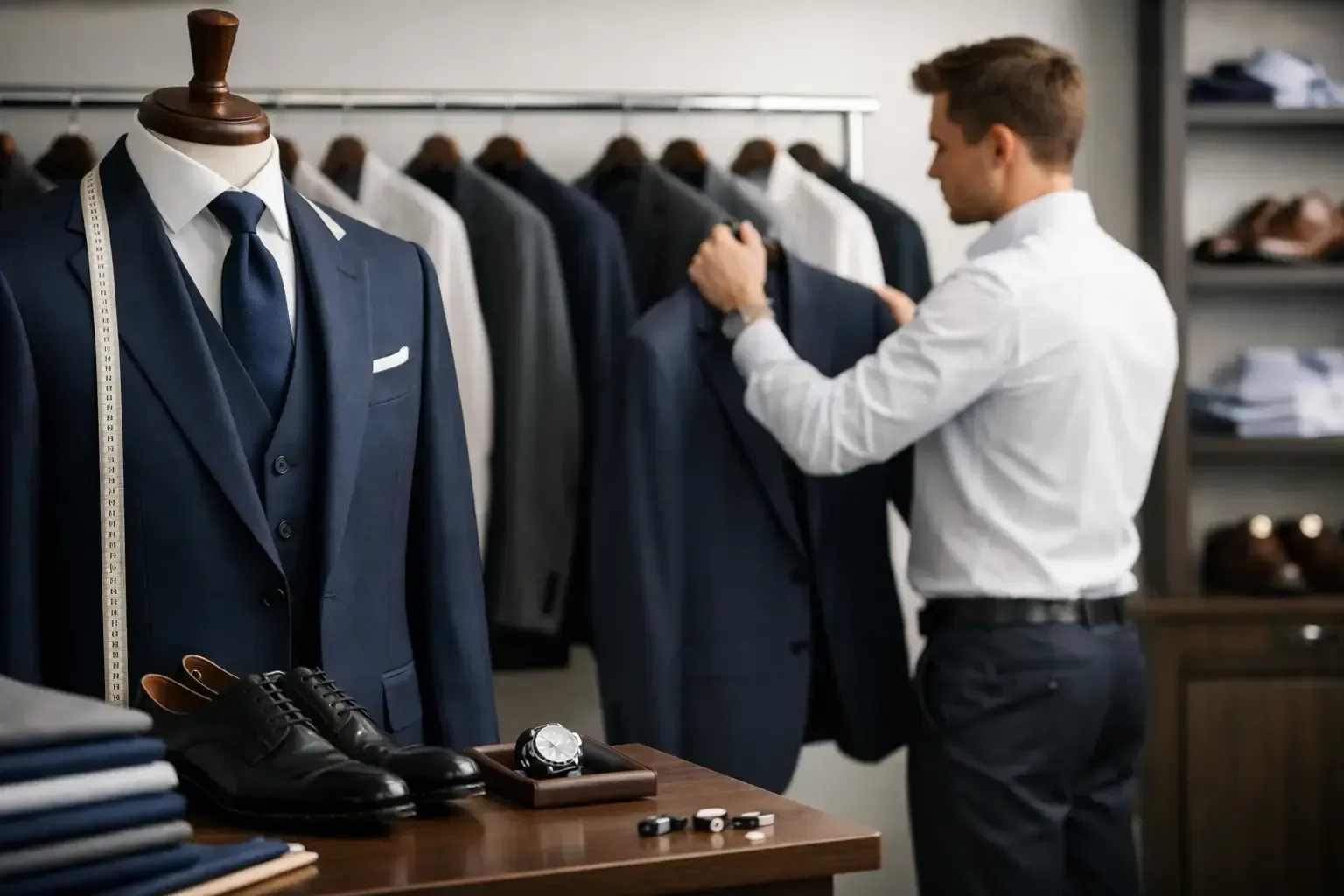
That is why a high-touch fitting experience matters. A skilled clothier looks beyond the tape measure and considers how the shirt will function in real life - with suits, without jackets, open collar, with cufflinks, during long events, or under stage lighting at a wedding.
The details that elevate a custom shirt
Once fit is right, details become worth discussing. Cuff style, collar structure, button choice, monogram placement, and fabric selection all shape the personality of the shirt. These are not superficial extras. They help a garment feel personal and complete.
Still, details should support the purpose of the shirt rather than overpower it. A crisp white shirt for formalwear benefits from restraint. A business shirt can carry subtle texture or pattern. A statement piece for a special occasion may justify bolder design decisions. The most elegant choices tend to feel intentional, not excessive.
At Kamran Bespoke, this is where custom shirting becomes more than fit correction. It becomes a way to build a wardrobe that looks consistent, elevated, and distinctly your own.
How to know your current shirts are not fitting properly
Most men do not need a tailor to tell them something feels off. They already know. They tug at the cuffs, retuck the hem, loosen the collar at lunch, or avoid taking off the jacket because the shirt alone does not look as sharp as it should.
Other signs are easier to miss. Horizontal pulling at the chest, fabric pooling at the lower back, collars collapsing under a jacket, and sleeves that twist slightly around the arm all point to a shirt that was never built for the wearer. These issues may seem minor on their own, but together they weaken the overall impression.
A great custom shirt removes friction from getting dressed. It should make the rest of your wardrobe work better.
A better fit changes more than appearance
When a shirt is tailored to perfection, the result is visible, but it is also felt. You stand differently. Your jacket sits better. Your proportions look cleaner. You spend less energy adjusting your clothes and more energy focusing on the moment that matters.
That is the real value behind a custom shirt fit guide. It is not about chasing perfection for its own sake. It is about wearing something hand-crafted to support your shape, your style, and your standards. Once you know what proper fit feels like, settling for almost right becomes very difficult.