
A suit should do more than satisfy a dress code. It should sharpen your presence before you say a word, sit comfortably through a full day, and feel unmistakably your own. For clients considering suits in Sugar Land, the real choice is not simply between colors or labels. It is between a garment that was made to fit a broad category and one created around the individual wearing it.
That distinction matters at a client presentation, beneath wedding lights, and during the quieter professional moments when confidence has to look effortless. A well-designed custom suit becomes part of how you move through those occasions: composed, comfortable, and prepared.
Why a Personal Fit Changes Everything
Off-the-rack suits are designed around standardized proportions. That can work for some men, but many clients quickly recognize the compromises: a jacket that feels right in the shoulders but pulls at the waist, trousers that fit through the seat but lose their clean line below the knee, or sleeves that interrupt the balance of the entire look.
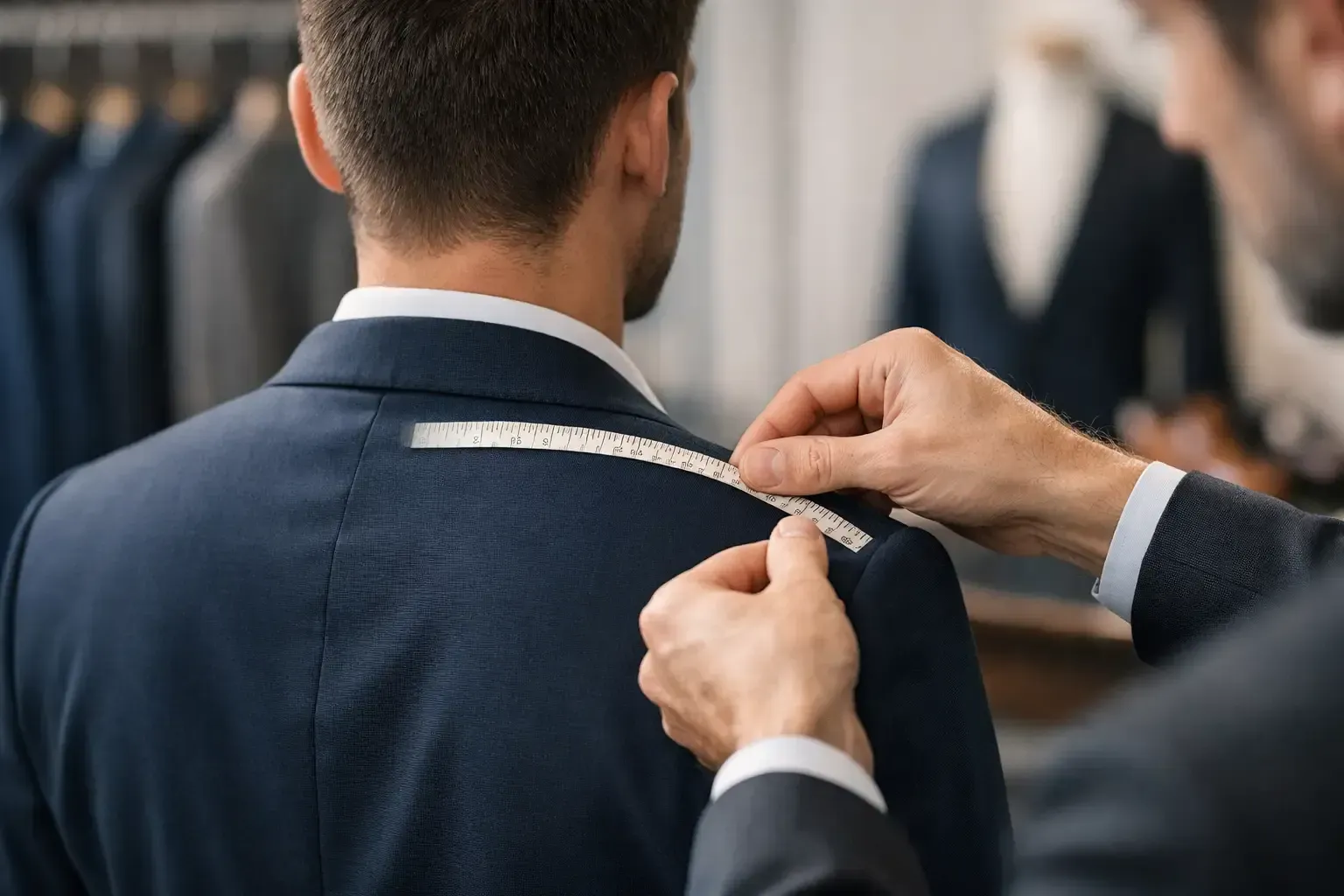
A custom approach begins with the person, not the rack. Your posture, shoulder shape, preferred silhouette, and how you expect to wear the suit all inform the final design. For a slender professional, that may mean a more defined jacket shape that creates structure without looking restrictive. For an athlete, it may mean thoughtful room through the chest and thighs while preserving a refined profile. The result is not a costume or an overly tight trend. It is a suit that looks intentional from every angle.
Fit also affects the way you feel. When a jacket settles naturally and trousers move with you, there is less adjusting, pulling, and second-guessing. That quiet ease is one of the most valuable qualities of bespoke menswear.
Choosing Suits in Sugar Land by Occasion
The strongest wardrobe is built around real life, not an abstract list of essentials. A suit for a Houston-area executive may need to transition from morning meetings to a dinner reservation. A groom needs something elevated enough for photographs while still feeling authentic to his personal style. Someone attending a gala may want a statement without drifting into excess.
The occasion should guide the fabric, color, construction, and details of the garment.
Business and Professional Wear
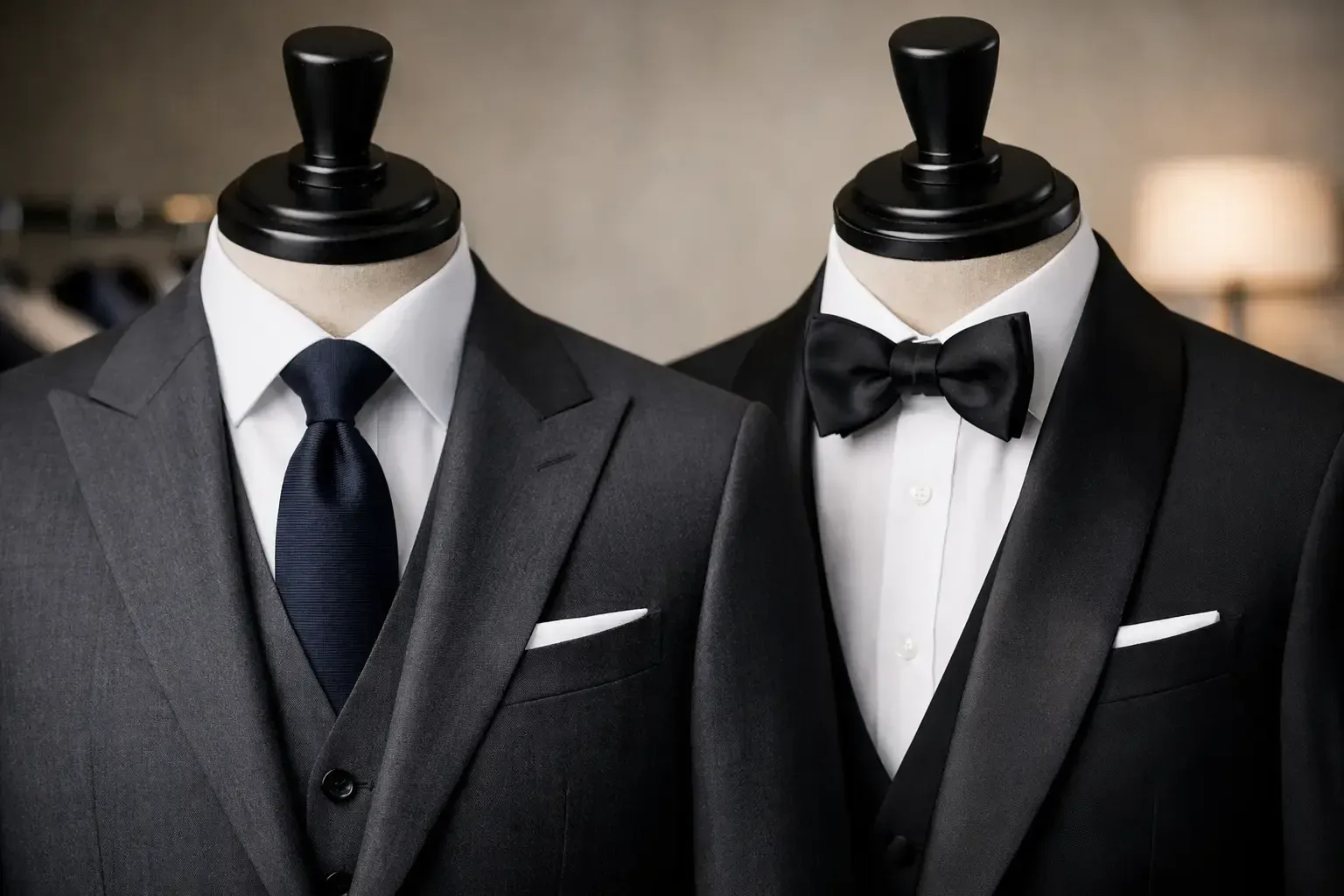
For professional settings, a navy or charcoal suit remains a dependable foundation. These colors project authority without demanding attention, and they pair easily with a range of shirts and ties. The difference comes through fabric quality, proportion, and restraint. A deep navy with a subtle texture can feel far more distinguished than a flat, generic blue.
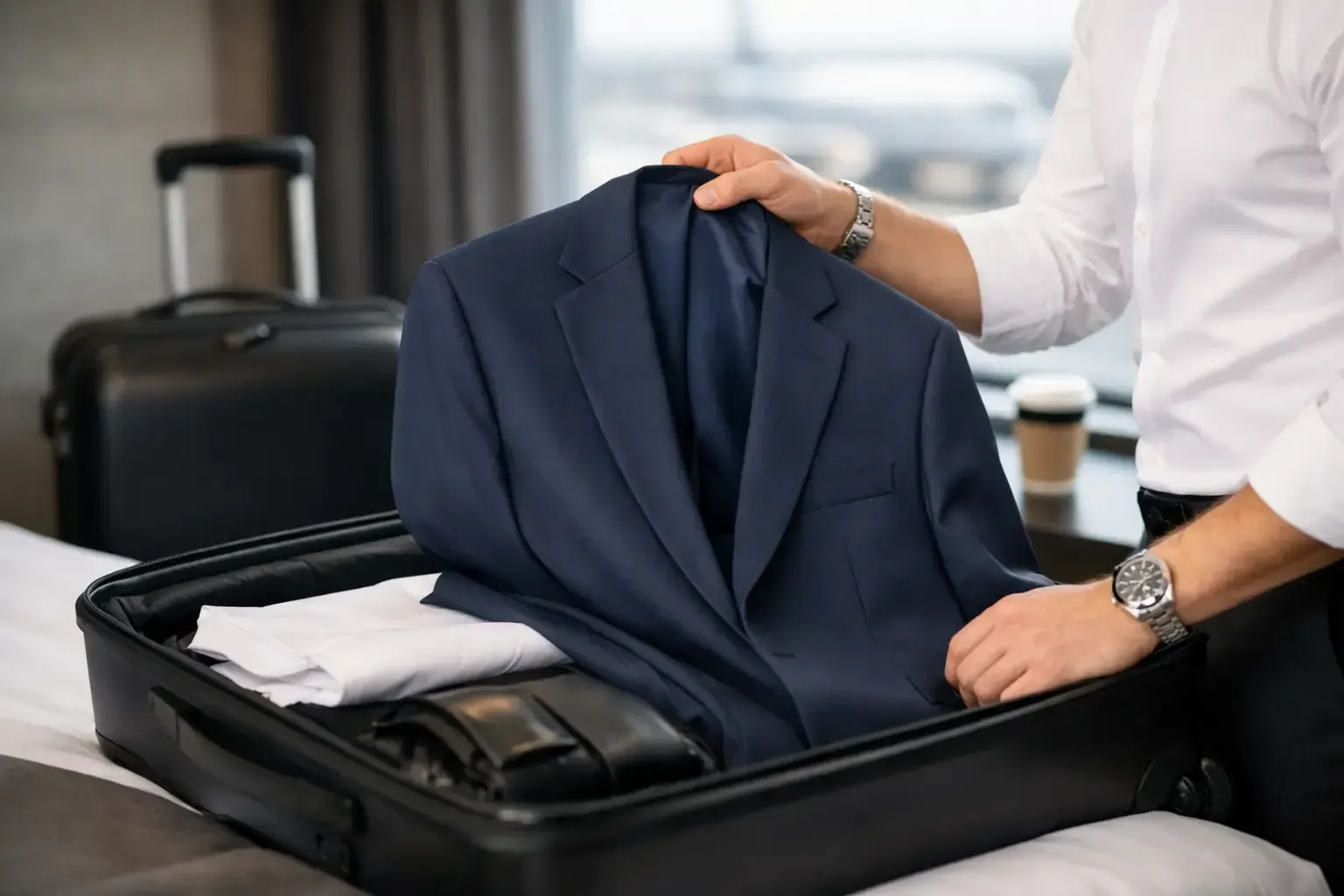
For clients who wear suits frequently, versatility should lead the conversation. A refined medium-weight wool can provide a polished appearance across much of the year, while lighter options may be preferable for the Texas climate and a busy schedule. The goal is a garment that earns regular use rather than one that spends its life waiting for a special event.
Weddings and Formal Celebrations
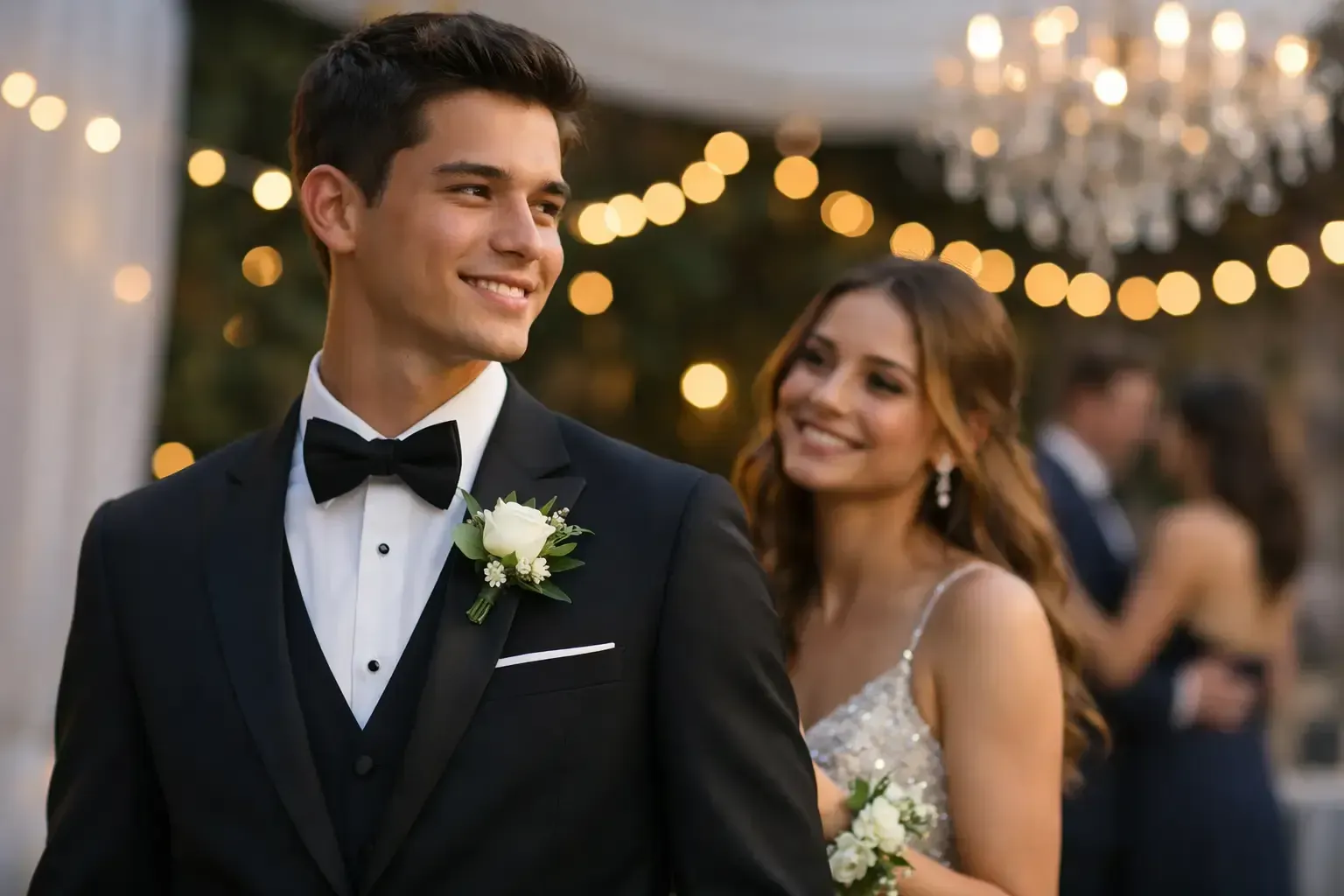
A wedding suit deserves more thought than a last-minute purchase. It will appear in photographs for decades, stand beside the wedding party, and carry the energy of a singular day. The best choice depends on the formality, venue, season, and the groom's own style.
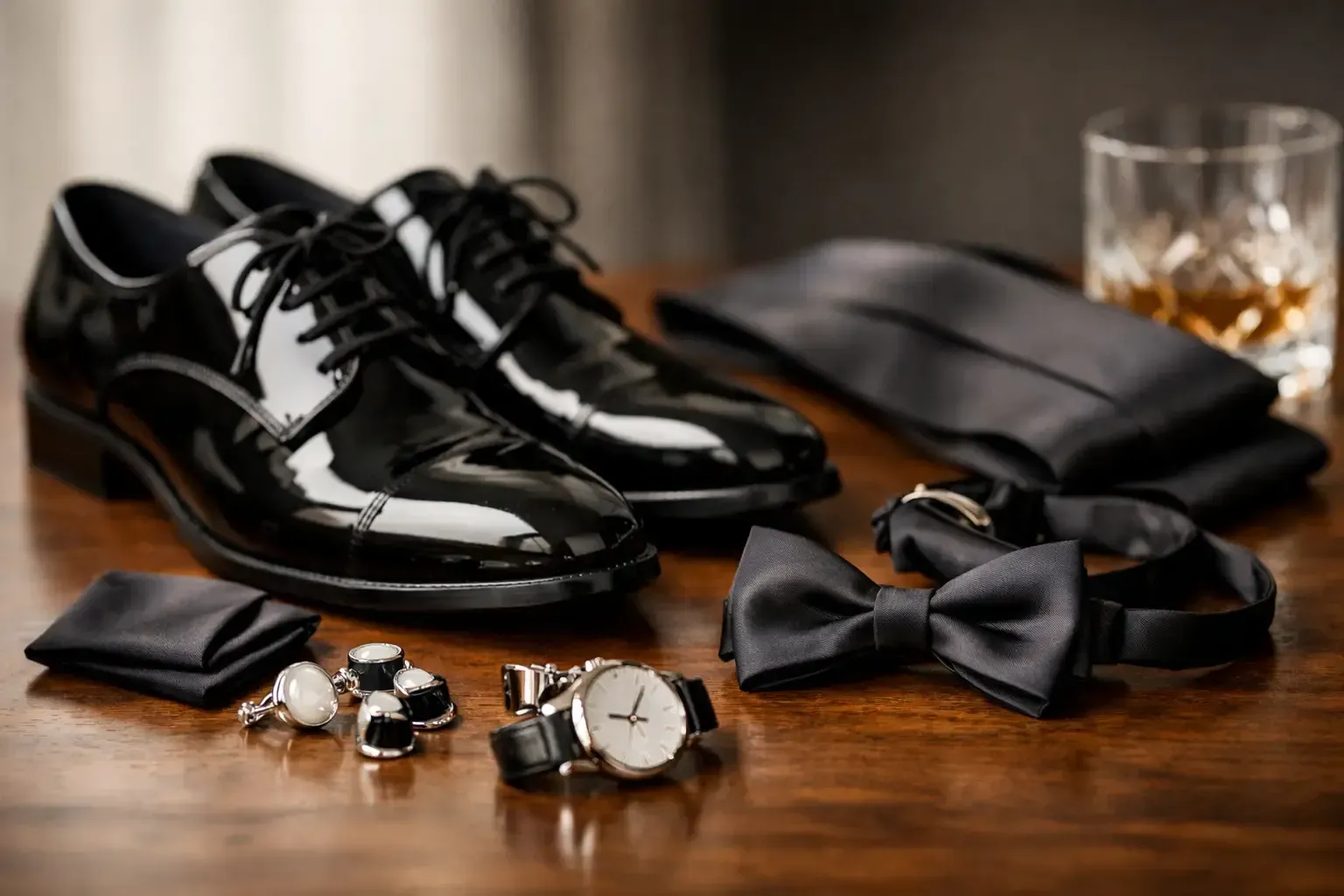
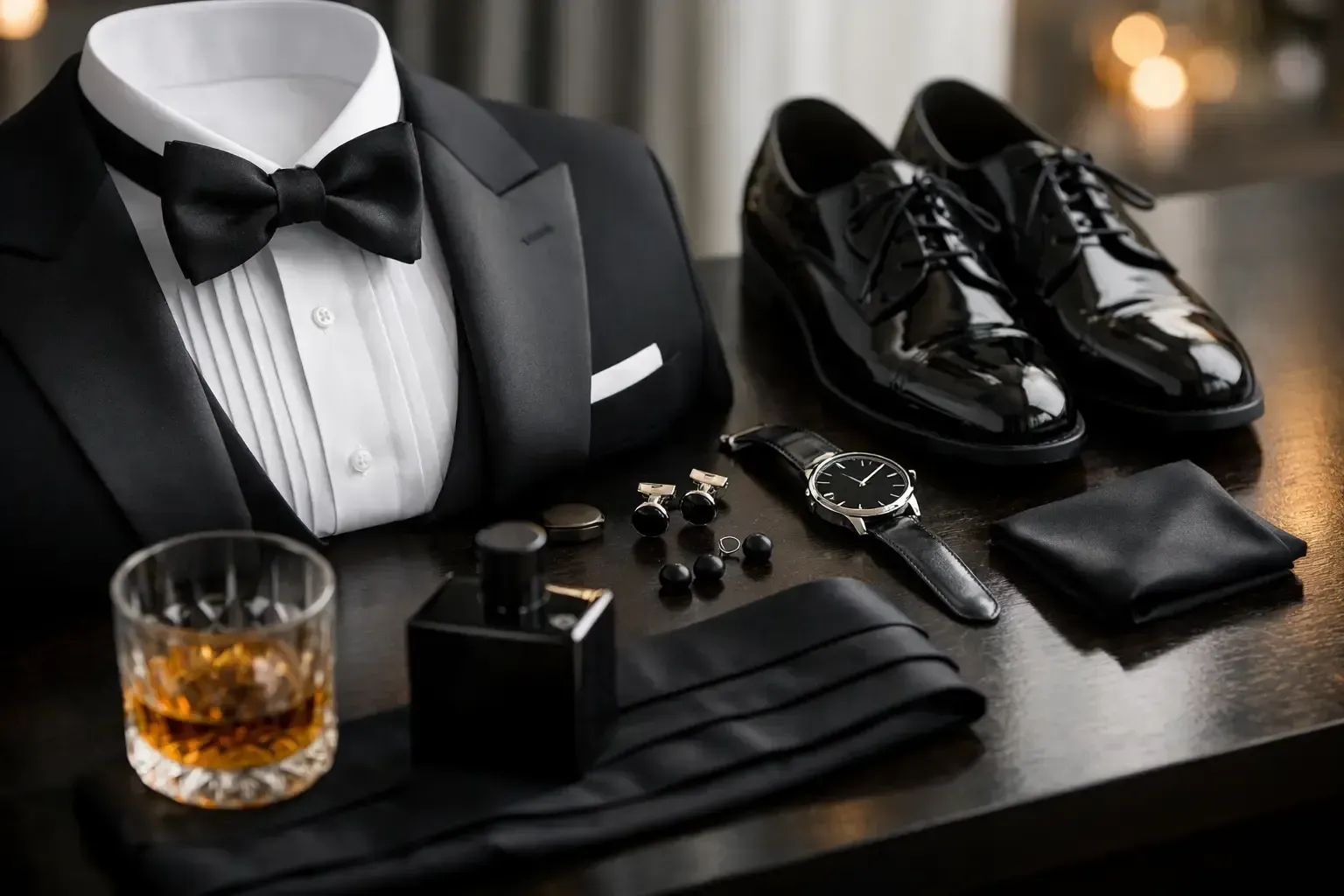
A classic black tuxedo is still the standard for a formal evening wedding, while a midnight blue tuxedo offers exceptional depth under evening light. For a daytime celebration or a more relaxed setting, a tailored suit in navy, soft gray, or an intentional earth tone may be the better fit. Details such as lapel style, shirt design, buttons, and a custom lining allow the garment to feel personal without distracting from the occasion.
Wedding parties benefit from a coordinated approach as well. The objective is harmony, not uniformity at the expense of comfort. Each person should look polished, while the overall group supports the couple's vision.
Social Events and Statement Dressing
There are moments when a standard business suit is not enough. A dinner, milestone birthday, cultural celebration, charity event, or evening out can call for richer color, texture, or contrast. A velvet dinner jacket, a patterned blazer, or a suit in a more distinctive shade can be memorable when the proportions remain precise.
This is where personal guidance has real value. Statement clothing should reflect the wearer rather than overwhelm him. A bold fabric can be balanced with a clean shirt and understated accessories. Conversely, a simple suit can become distinctive through exceptional cloth, a refined lapel, or an unexpected lining visible only in motion.
Fabric Is the First Design Decision
Fabric determines much of a suit's character. It influences how the garment drapes, how it performs in warm weather, how formal it appears, and how often it can be worn. Premium fabric is not only about a recognizable name or a soft hand. It is about choosing the right cloth for the client's lifestyle.
Fine wool remains a natural choice for many suits because it offers polish, breathability, and versatility. A lighter wool can be especially appealing for Sugar Land clients who want a sharp look without unnecessary weight. Blends may offer useful durability or stretch depending on the garment's purpose, while linen and silk blends introduce texture for warm-weather or celebratory wear.
There are trade-offs. A very lightweight fabric may feel excellent in heat but show wrinkles more readily. A highly delicate cloth can be beautiful for occasional wear but less suitable for frequent travel. The right selection comes from an honest conversation about where and how the suit will be worn.
The Details That Make a Suit Yours
A custom suit is defined by the cumulative effect of small decisions. Lapels can be understated or more expressive. Pockets can keep the front clean or add a more relaxed character. Button choices, contrast stitching, monograms, and lining colors can introduce personality at different levels of visibility.
The key is editing. Not every option needs to be used in one garment. A client building a first custom suit may prefer classic lapels, a versatile color, and discreet personal details. Someone adding to an established wardrobe may choose a bolder pattern or a more dramatic interior. Both approaches are valid when they serve the wearer.
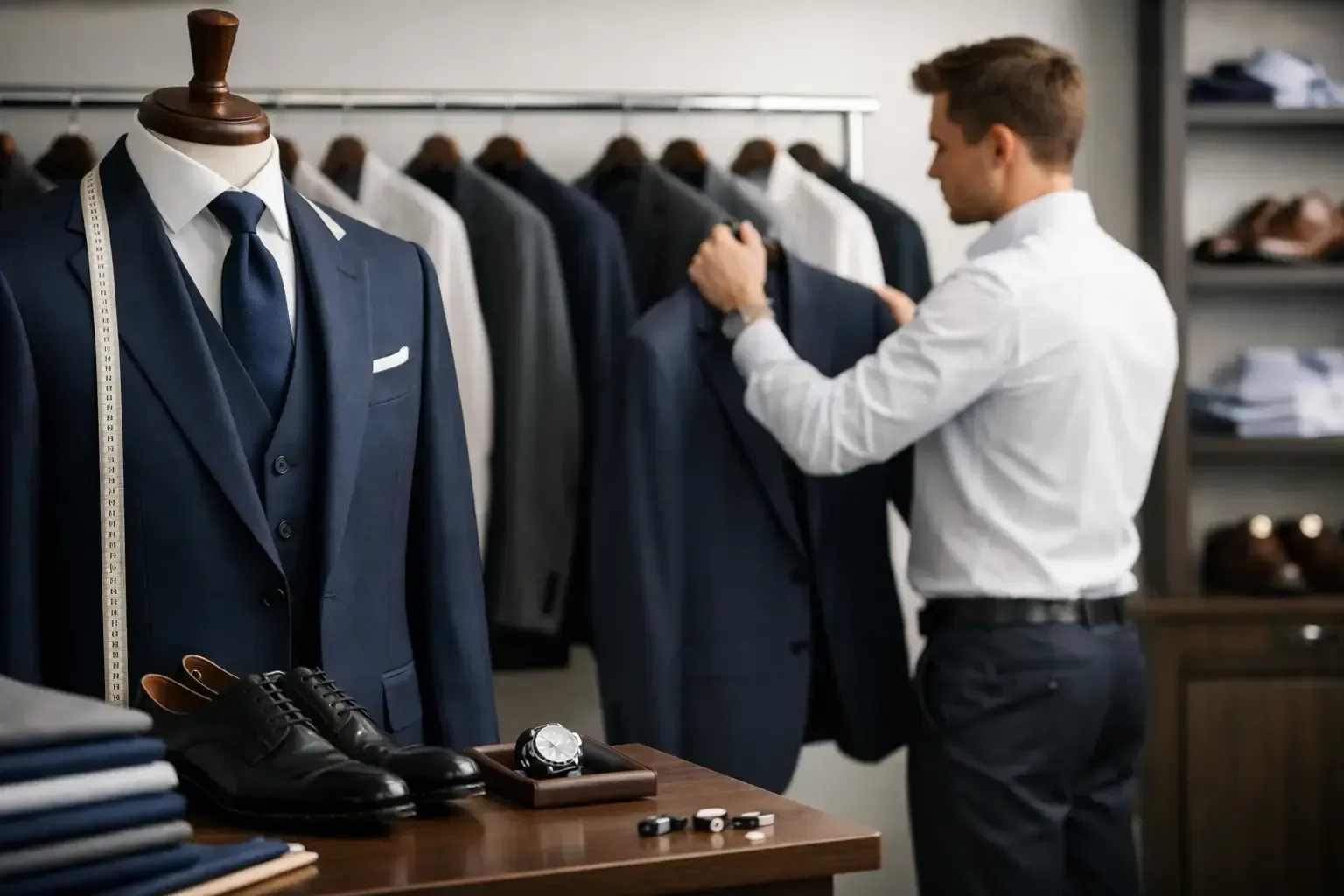
At Kamran Bespoke, the consultation is designed to make these decisions feel clear rather than overwhelming. The process centers on listening first: understanding the occasion, the desired impression, and the pieces already in your wardrobe. From there, fabric and design choices can be narrowed to what truly suits you.
Build a Wardrobe With Purpose
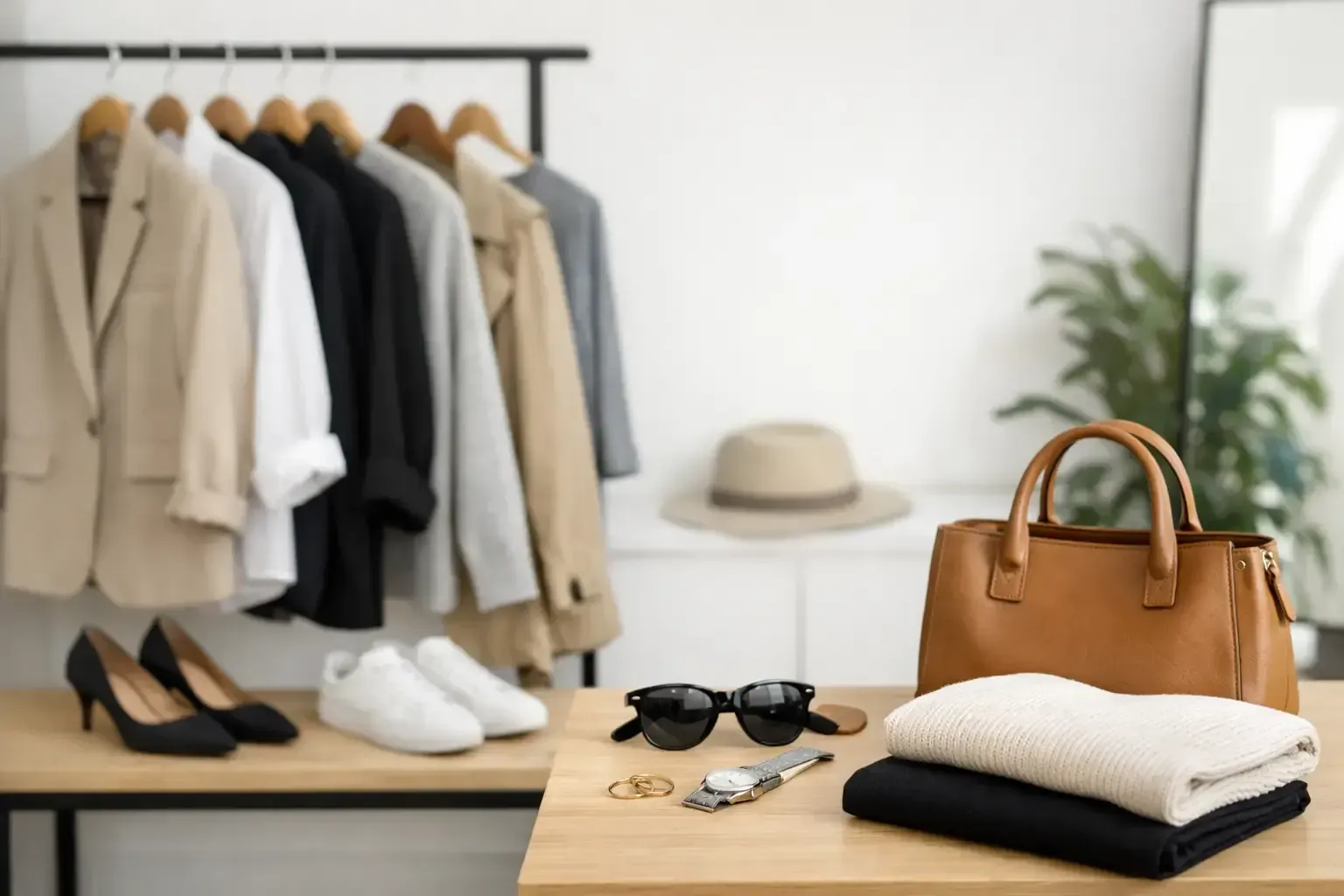
One exceptional suit is a strong beginning, but a considered wardrobe provides more freedom. For many clients, the first priority is a versatile navy or charcoal suit. The next piece might be a lighter gray option, a blazer for less formal professional settings, or a tuxedo for recurring black-tie events.
There is no universal formula. A corporate attorney, a groom, a real estate professional, and a creative executive will use their wardrobes differently. The better question is: which garment would make the greatest difference in the next six to twelve months? Starting there keeps the investment practical and personal.
A hand-crafted suit is not meant to chase every passing trend. It is meant to hold its place in your life - through meaningful meetings, celebrations, photographs, and milestones. Choose the fabric, fit, and details that feel right when you put it on, because the most compelling style is confidence that never needs an introduction.