
A wedding invitation can answer nearly every question except the one that matters when you stand in front of the closet: what, precisely, should you wear? This guide to wedding suit dress code gives men a clear way to read the room, honor the couple’s vision, and arrive with the quiet confidence that comes from being properly dressed.
The right choice is never only about formality. It should also reflect the venue, season, time of day, your role in the celebration, and the visual tone set by the invitation. A suit that feels considered will photograph beautifully, move comfortably through a long day, and let the focus remain where it belongs: on the couple.
Start With the Invitation, Then Read the Setting
The stated dress code is the first authority. When an invitation says black tie, formal, cocktail, or casual, take the wording seriously. Still, a dress code gains meaning from context. An evening reception in a downtown Houston ballroom calls for a different level of polish than an afternoon ceremony at a Hill Country vineyard, even if both invitations simply say “formal.”
Look for the date, start time, venue, and any notes about an outdoor ceremony. Evening events generally call for deeper colors and more refined accessories. Daytime celebrations allow lighter cloth, softer shades, and a little more ease. For outdoor weddings in Texas, breathable fabric is not a concession to style. It is a practical part of looking composed.
If you are a groomsman, follow the groom’s direction rather than interpreting the dress code independently. The wedding party should look intentional as a group, while still benefiting from a silhouette tailored to each man’s proportions.
Guide to Wedding Suit Dress Code by Formality
White Tie: The Rarest, Most Formal Request
White tie is uncommon, but it is unmistakably formal. It calls for a black tailcoat, matching trousers with a formal braid, a white piqué waistcoat, a white bow tie, a wing-collar shirt, and black formal shoes. This is not the moment for a standard black business suit or a conventional tuxedo.
Because the details are exact, custom clothing is especially valuable here. The length of the coat, placement of the waistcoat, and balance of the trouser rise all affect whether the result looks elegant or costume-like.
Black Tie: A Tuxedo Is the Correct Answer
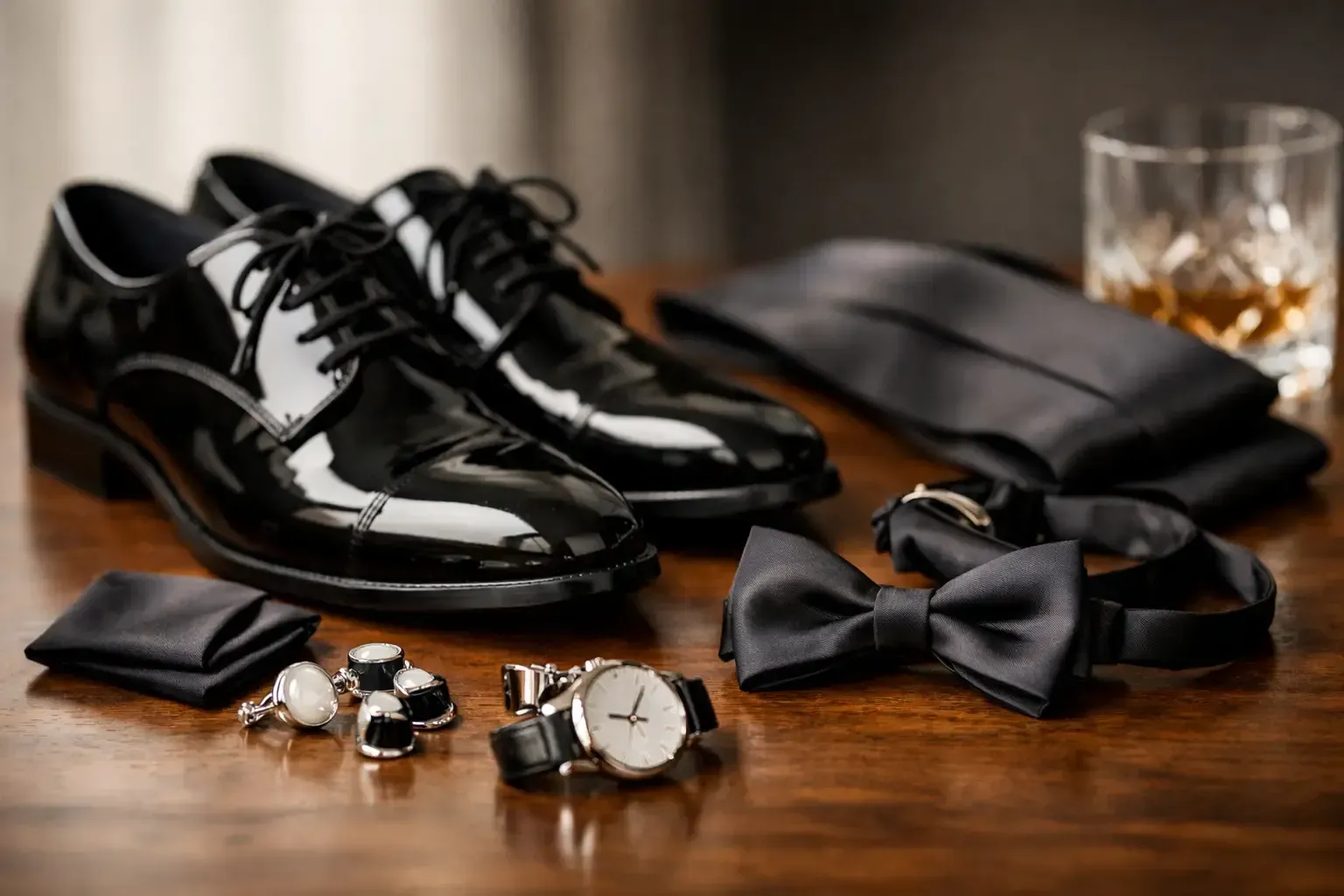
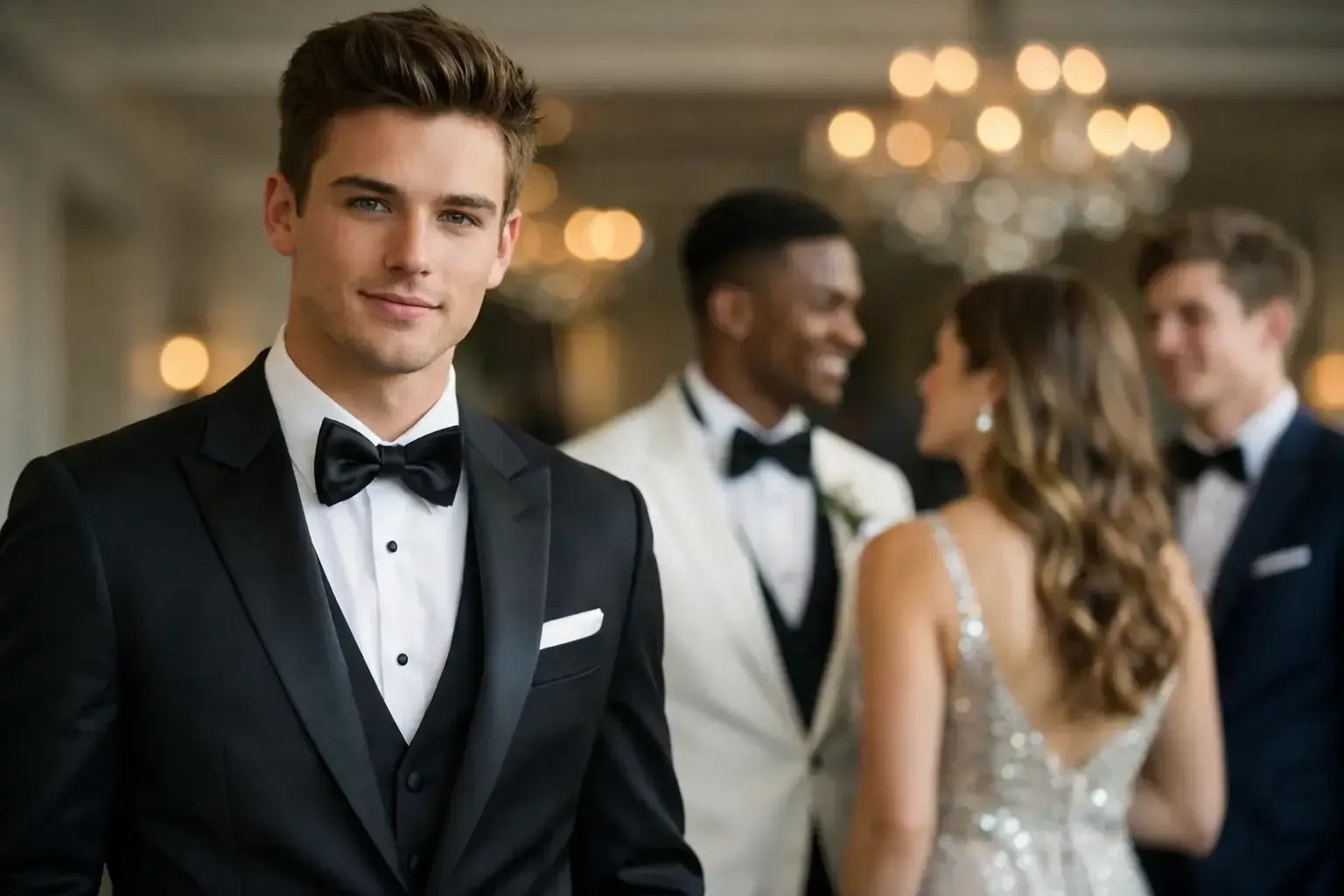
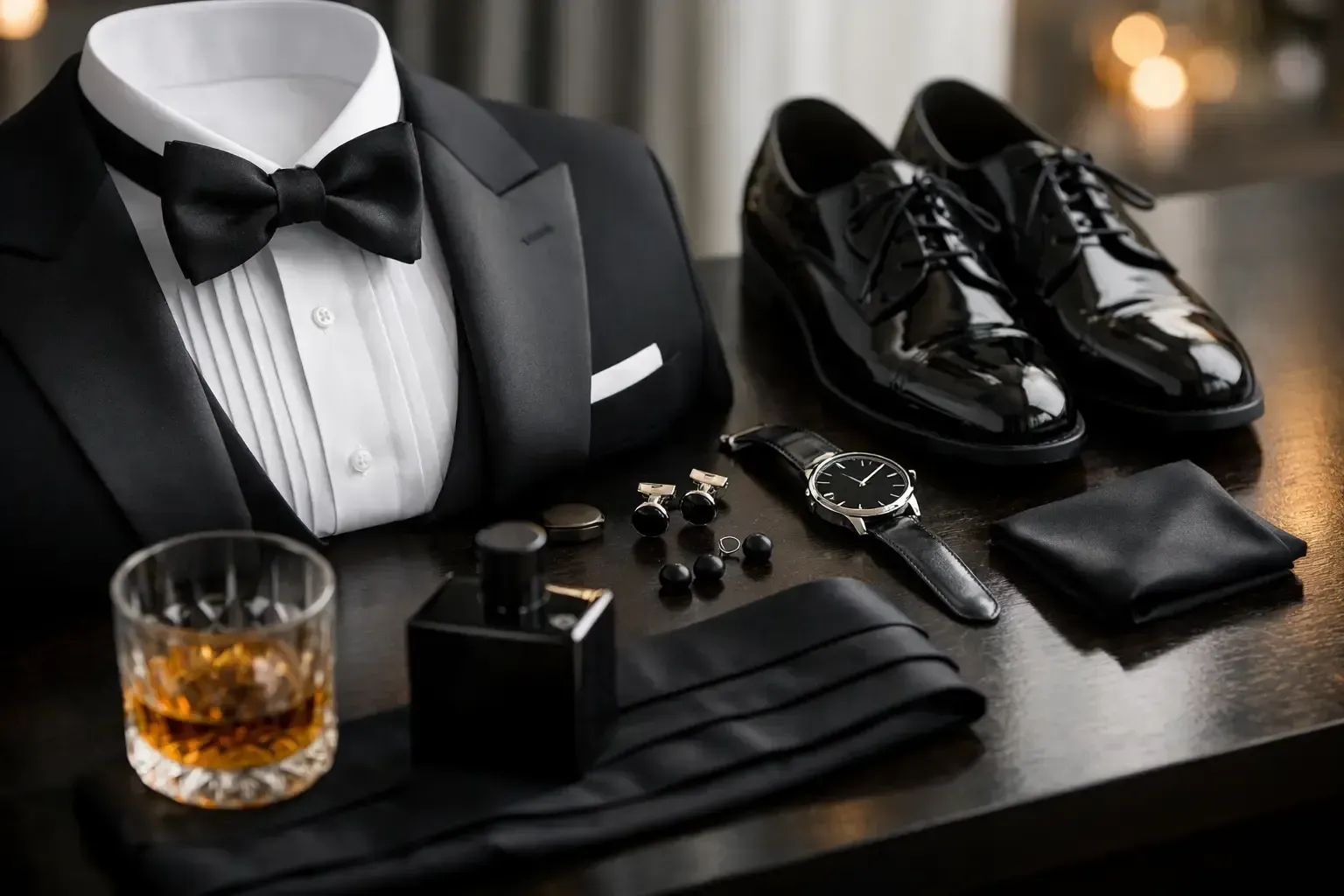
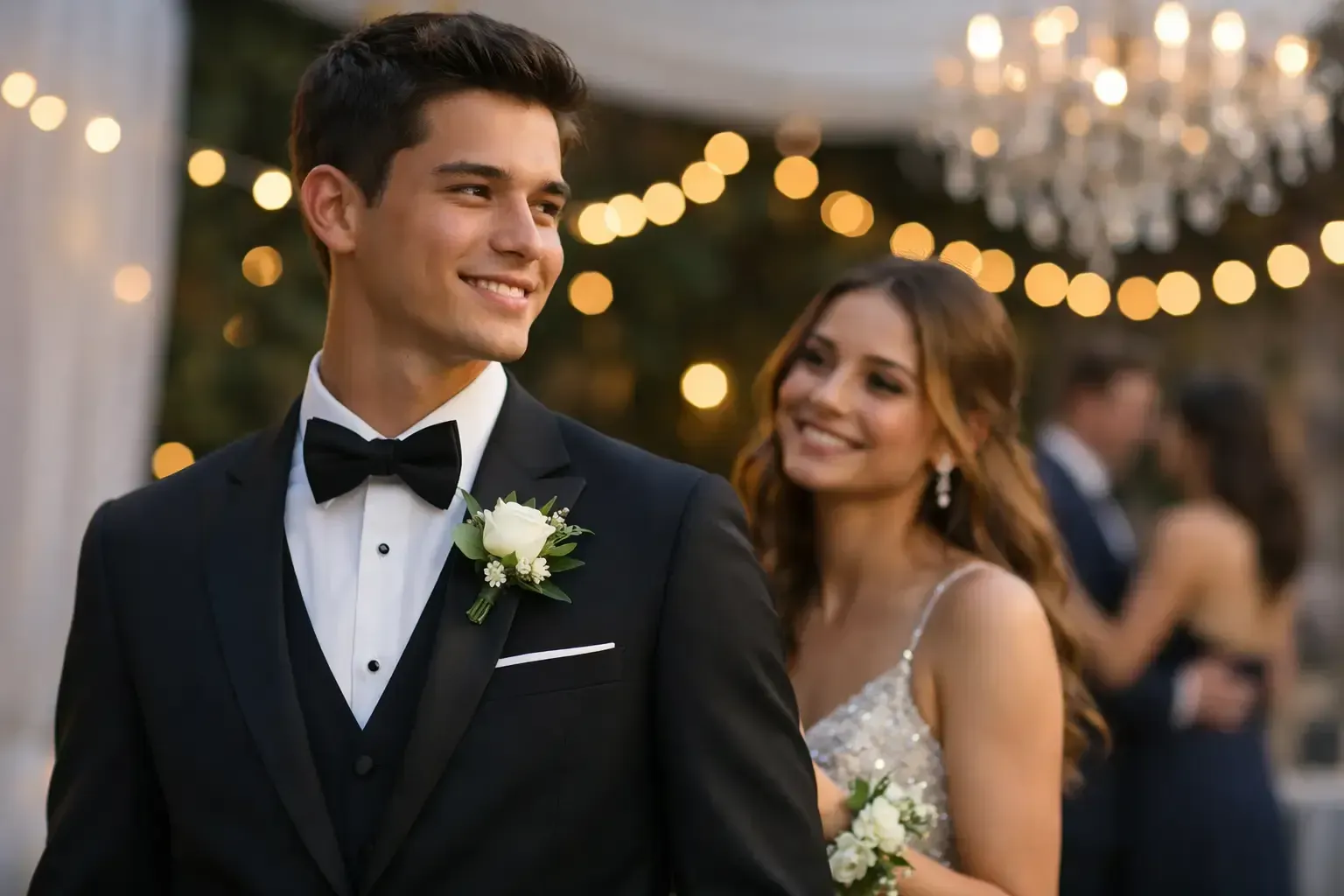
Black tie means a tuxedo, traditionally in black or midnight navy. A dinner jacket with satin or grosgrain lapels, formal trousers, a crisp white dress shirt, black bow tie, and polished black shoes creates the proper foundation. A cummerbund or low-cut formal waistcoat may be added, depending on the look.
Midnight navy is often particularly striking under evening lighting, while black remains timeless. Choose a shawl lapel for a clean, fluid line or a peaked lapel for more structure and presence. Avoid a long necktie, casual loafers, oversized watches, and novelty accessories. Black tie rewards restraint.
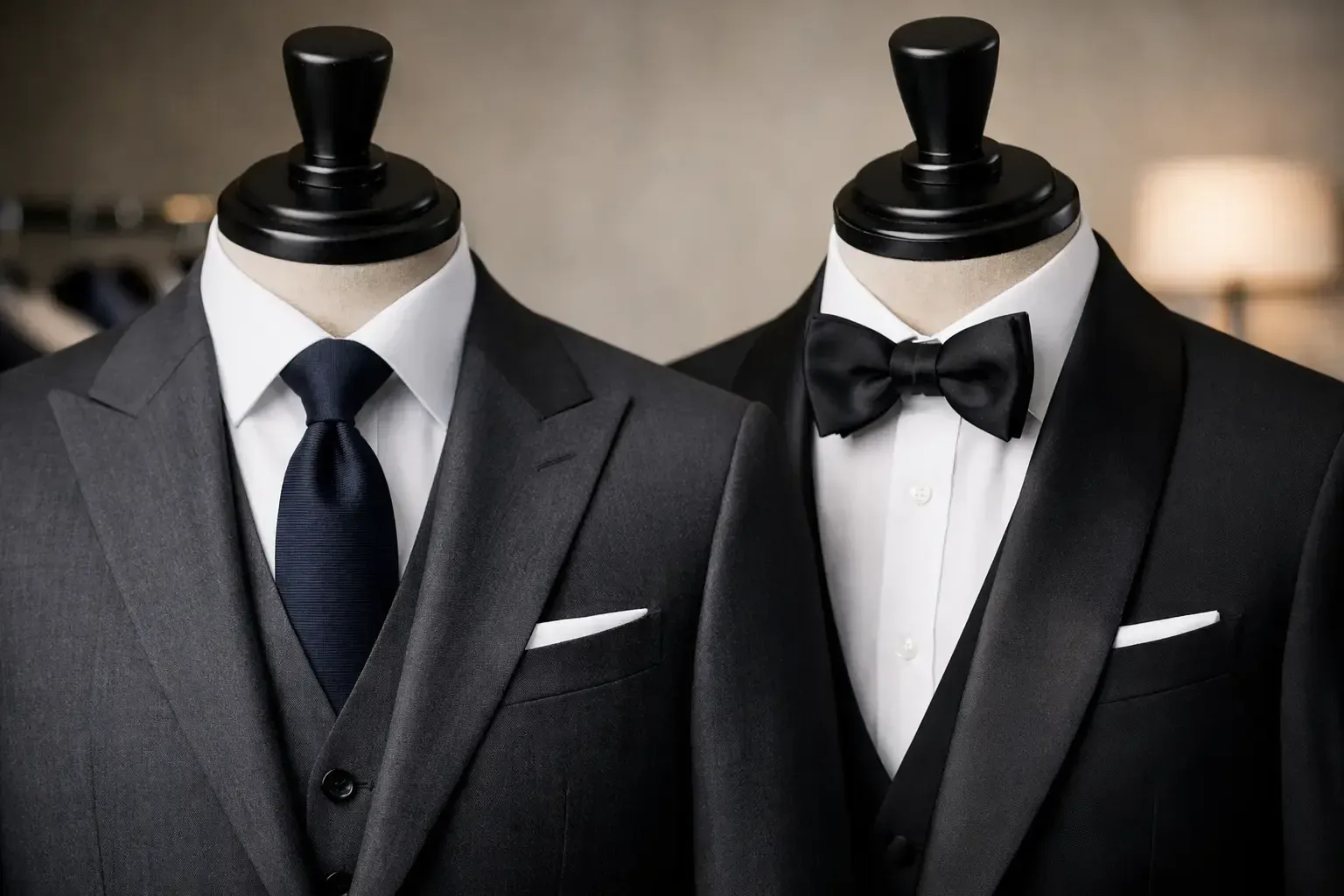
A black-tie optional invitation gives guests more latitude, but wearing a tuxedo is still an excellent choice. If you prefer a suit, select a dark navy or charcoal suit with a white shirt, dark tie, and highly polished shoes. The goal is to meet the occasion’s level of elegance, not to find the least formal acceptable option.
Formal: A Dark Suit With Presence
For a formal wedding, wear a dark navy, charcoal, or black suit. Navy and charcoal are usually the most versatile and refined choices, particularly for men who want a garment they will wear again. Pair it with a white or pale blue dress shirt, a silk tie, a pocket square, and black or dark brown leather shoes.
A subtle texture or understated pattern can work, but the overall effect should remain polished. Think fine wool, a clean shoulder line, and trousers that sit neatly over the shoe. A formal suit should feel elevated without competing with a tuxedo if the groom is wearing one.
Cocktail Attire: Refined, Not Overdone
Cocktail attire is where many guests have room to express personality, provided the foundation remains sophisticated. A navy, medium gray, deep olive, or rich brown suit can all be appropriate. A white, light blue, or softly patterned shirt paired with a silk tie offers a confident finish.
This is a good setting for details that feel personal: a textured tie, a discreet pocket square, or a custom lining that only appears when you move. Keep the statement controlled. Loud prints, sneakers, distressed footwear, and overly shiny fabrics can make the outfit feel more suited to a night out than a wedding celebration.
Casual or Dressy Casual: Respect the Word “Wedding”
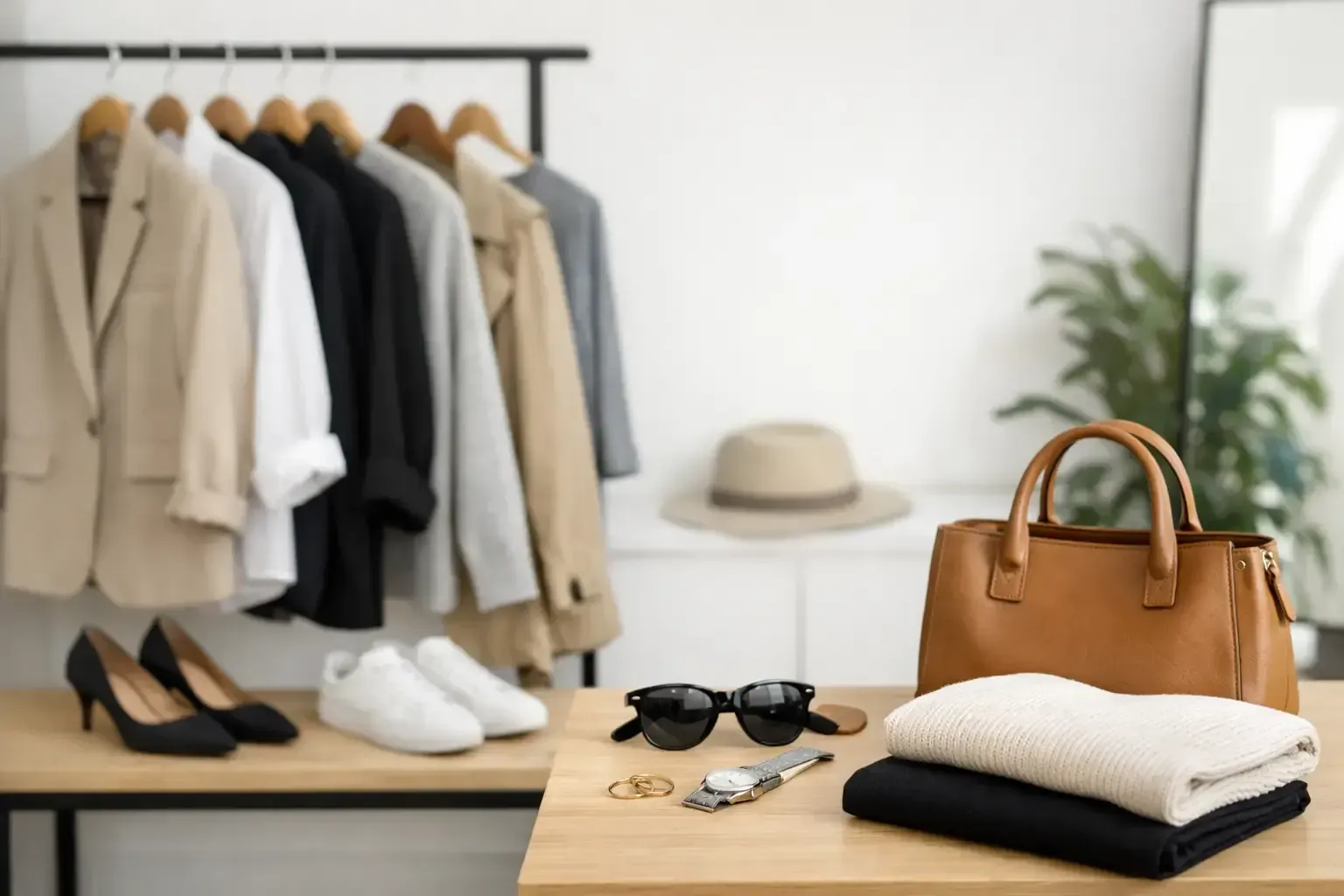
Casual does not mean careless. For a relaxed wedding, a lightweight suit in tan, light gray, soft blue, or muted olive may be ideal. Depending on the couple’s direction, you may skip the tie and wear a well-fitted dress shirt with leather loafers or clean dress shoes.
A tailored blazer with coordinated trousers can also work for a truly informal setting. Denim, T-shirts, athletic shoes, and short-sleeve resort shirts are only appropriate when the couple has clearly signaled an exceptionally relaxed event. When uncertain, dress one level more polished than you think you need to.
Choose Fabric and Color for the Season
The fabric determines much of how a suit feels over a wedding day. Fine wool is the most versatile choice because it holds its shape, drapes well, and works in nearly every season. For spring and summer weddings, lightweight wool, wool-silk blends, and linen blends bring welcome breathability. Pure linen has a relaxed character and will crease naturally, which can be perfect for a beach or garden setting but less suitable for an evening formal reception.
For fall and winter, deeper shades and fabrics with more texture feel appropriate. Charcoal, navy, forest green, and chocolate brown are elegant options. In warm-weather celebrations around Richmond, Sugar Land, or Houston, lighter colors can look exceptional in daylight, but choose a fabric that retains enough structure to stay sharp through the reception.
Avoid white, ivory, or anything likely to resemble the groom’s attire. If the couple has chosen a specific color palette, a tie or pocket square can acknowledge it without turning every guest into part of the wedding party.
Fit Is What Makes the Dress Code Work
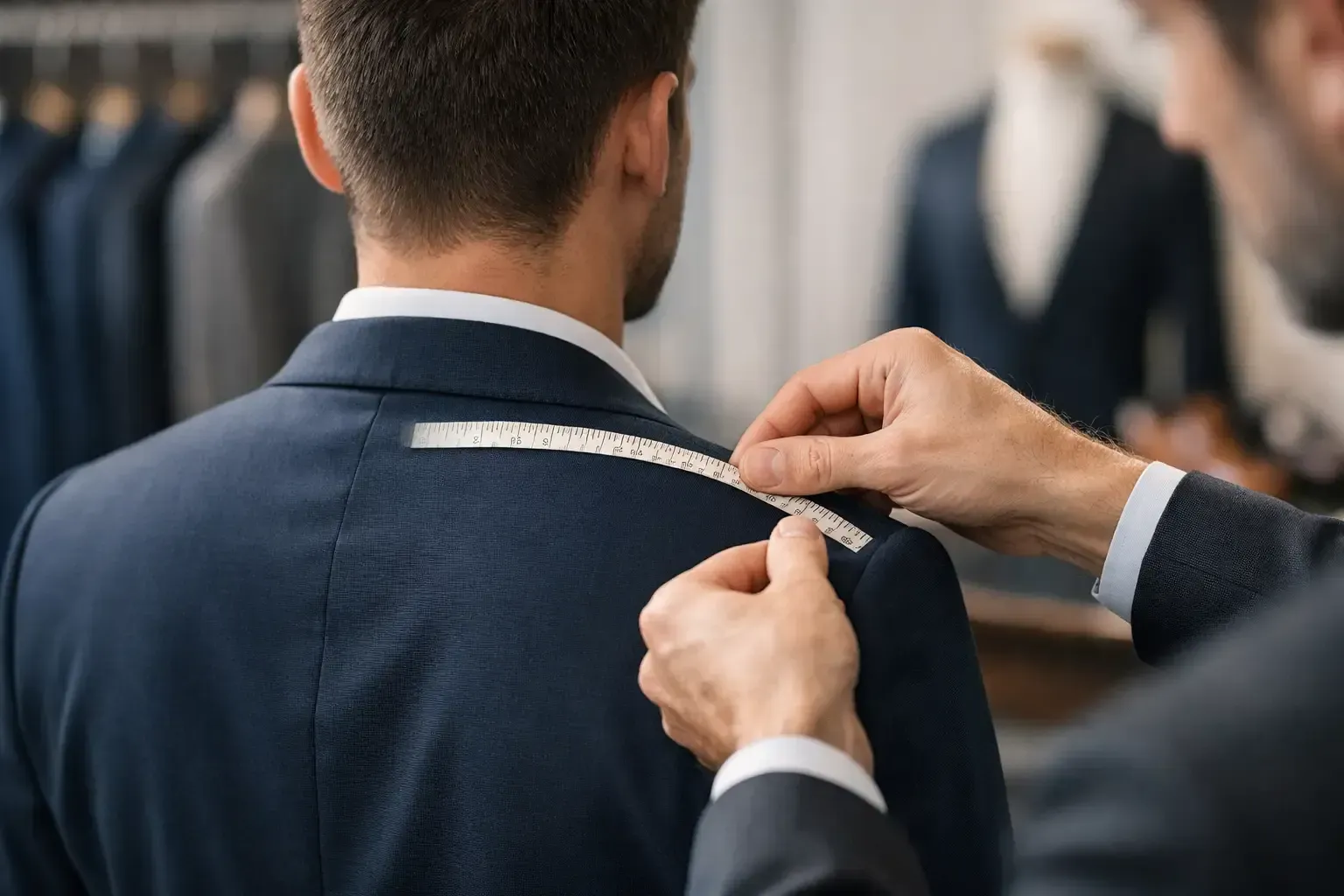
A dress code tells you the category of garment. Fit determines whether that garment looks distinguished. The jacket should sit cleanly at the shoulders, with sleeves that allow a small amount of shirt cuff to show. The chest should be comfortable when buttoned, not pulling or collapsing. Trousers should follow the body with a deliberate line rather than appearing either restrictive or excessively loose.
This matters for every build. A slender man may benefit from carefully balanced proportions that create presence without excess fabric. A more athletic client often needs room through the chest and shoulders while maintaining a clean waist. The strongest suit does not follow a trend blindly. It is designed around the wearer.
For a wedding, comfort has real value. You will sit, stand, embrace family members, pose for photographs, and likely spend hours on the dance floor. A hand-crafted suit that moves naturally helps you stay present instead of managing your clothing all evening.
Finish With Purposeful Details
Shoes should be clean, polished, and appropriate to the suit’s formality. Black cap-toe Oxfords are a safe choice for formal and black-tie optional events. Dark brown derbies, loafers, or monk straps can complement navy, gray, and brown suits at cocktail or daytime weddings.
Your belt should match your shoes when you wear one. Keep the watch refined and modest, particularly at formal events. A pocket square adds dimension, but it should complement rather than perfectly match the tie. If you wear a boutonniere, let it sit naturally on the left lapel and avoid crowding it with elaborate pins.
Give yourself time before the wedding to make decisions with care. At Kamran Bespoke, a private consultation creates the opportunity to select the right cloth, silhouette, and finishing details for the occasion and for the man wearing it.
The most memorable wedding outfit is not necessarily the loudest one. It is the one that feels right from the first photograph to the final dance: considered, comfortable, and tailored to the moment.