
An interview suit should let the conversation lead, not compete for attention. The best suit colors for interviews communicate judgment, composure, and respect for the opportunity before you have answered a single question. Color matters, but it works best when paired with an impeccable silhouette, a quality fabric, and details chosen with restraint.
For most professionals, the goal is not to disappear into the room. It is to look prepared enough that your appearance supports your credibility. A thoughtfully selected suit signals that you understand the setting, take your career seriously, and can represent yourself well when the stakes are high.
The Best Suit Colors for Interviews
Navy: the most versatile first choice
A deep navy suit is often the strongest choice for an interview. It feels professional without the severity that black can carry, and it works across finance, law, consulting, technology, real estate, healthcare, and many corporate leadership roles. Navy also photographs well, an advantage for virtual interviews or companies that use professional headshots during the hiring process.
Choose a true, medium-to-deep navy rather than an electric blue. The color should appear refined in daylight and indoor lighting alike. With a crisp white or light blue shirt and a burgundy, navy, or muted green tie, it creates a polished combination that is confident without feeling overly formal.
Navy is particularly useful for candidates building a focused professional wardrobe. The same hand-crafted suit can serve client meetings, presentations, dinners, and important events long after the interview is over.
Charcoal gray: quiet authority
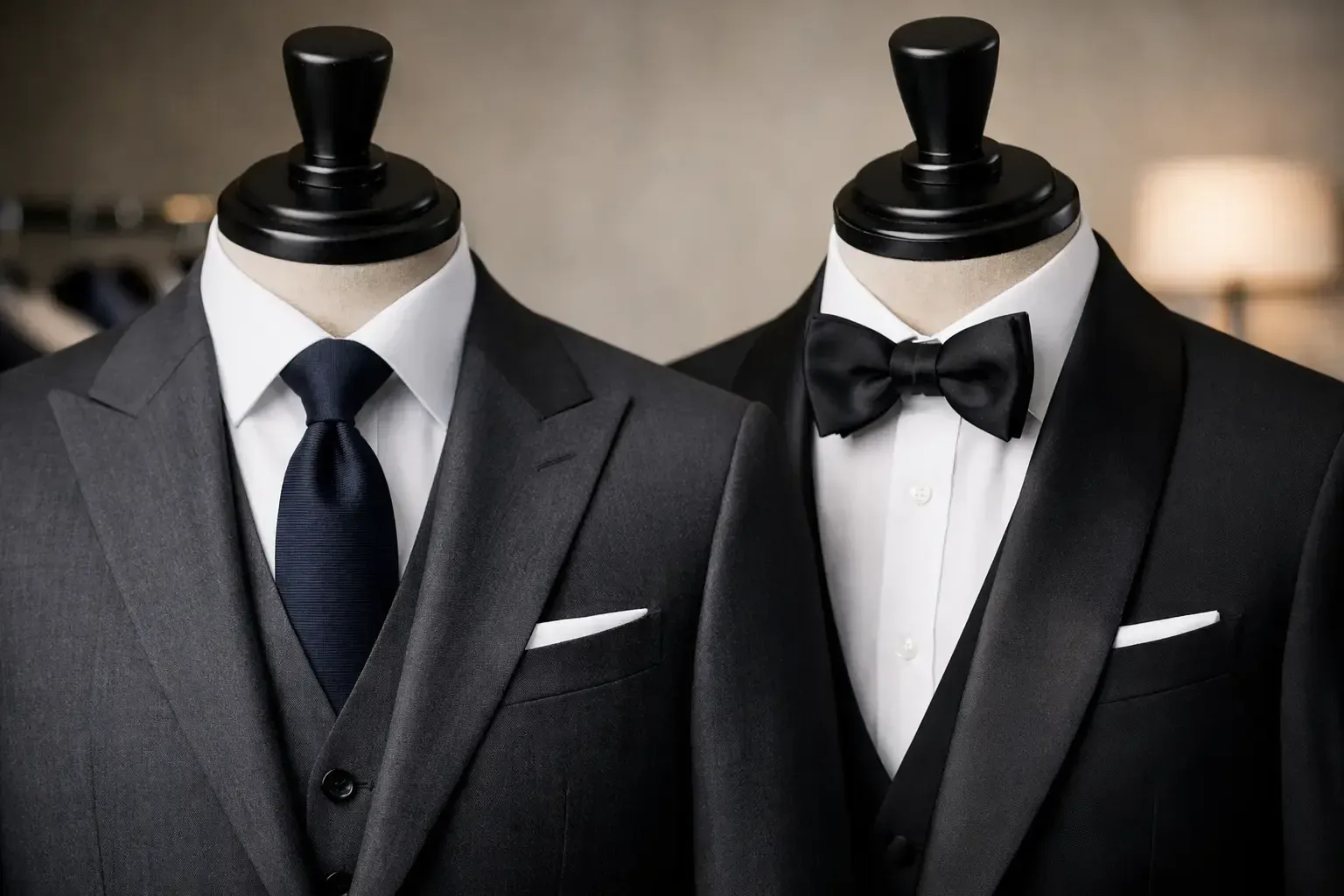
Charcoal gray is the other essential interview color. It conveys maturity, stability, and discretion, making it especially appropriate for traditional industries and senior-level conversations. A charcoal suit has depth without looking somber, provided the fabric has a clean finish and the shirt brings a little brightness near the face.
Wear charcoal with white, pale blue, or very light gray shirting. A dark red, navy, or subtly patterned tie provides contrast while preserving the composed effect. For an executive interview, charcoal can feel particularly assured because it projects authority without relying on flash.
The difference between charcoal and lighter gray is meaningful. Medium gray is approachable and versatile, but charcoal usually carries greater formality. If the company culture is conservative or the role involves trust, leadership, or client-facing responsibility, charcoal is difficult to improve upon.
Medium gray: approachable and modern
A medium gray suit offers a slightly softer presence than navy or charcoal. It is an excellent option for creative professional settings, modern offices, education, marketing, and organizations where a formal suit is welcome but not expected to feel rigid.
The trade-off is that medium gray can appear less commanding in a highly traditional setting. It also requires more attention to contrast. A white shirt is the safest choice, while a pale blue shirt can work beautifully with a dark navy tie. Keep the suit solid or nearly solid. A bold windowpane or obvious plaid may be memorable for the wrong reason when you are still making your first impression.
Match the Suit to the Interview, Not Just the Trend
A good interview suit is contextual. The color that feels perfect at a downtown Houston law firm may be more formal than necessary for a design-forward startup, while a light gray suit that suits a creative agency might lack the gravitas expected for a private equity meeting.
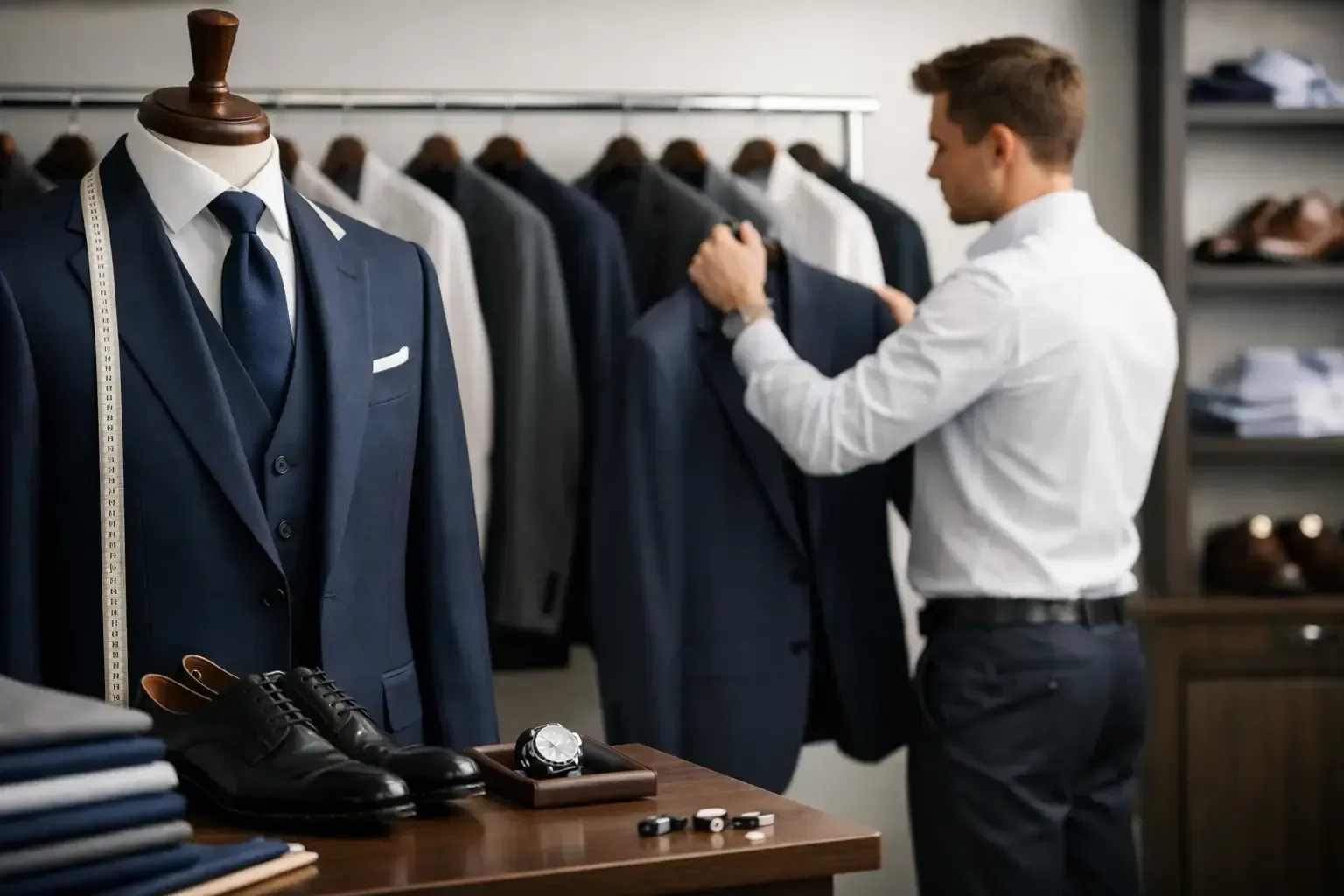
Research the company’s public-facing image, leadership team, and client base. This does not mean copying every visible detail. It means reading the room before you enter it. If the workplace appears formal, select navy or charcoal and lean into a white shirt, dark leather shoes, and a restrained tie. If the culture is polished but less traditional, medium gray or navy with a light blue shirt can feel current and appropriately professional.
For roles in luxury sales, hospitality, real estate, or relationship-driven business, a suit should show personal style while remaining disciplined. A beautiful fabric, a precise shoulder line, and a well-chosen pocket square can express refinement. Still, the interview is not the occasion for bright contrast stitching, novelty lining on display, or a statement pattern that becomes the subject of the meeting.
Colors That Usually Require More Caution
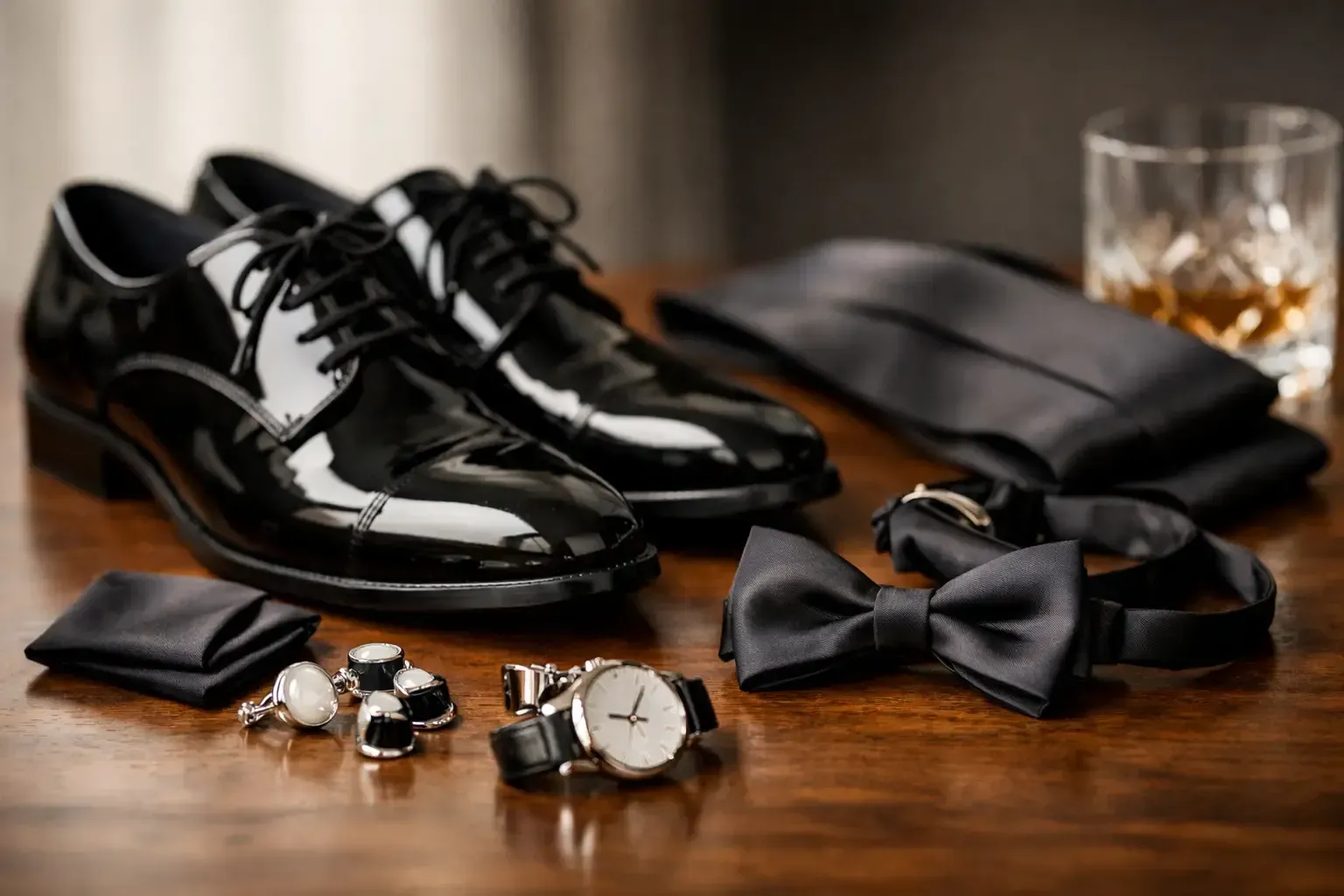
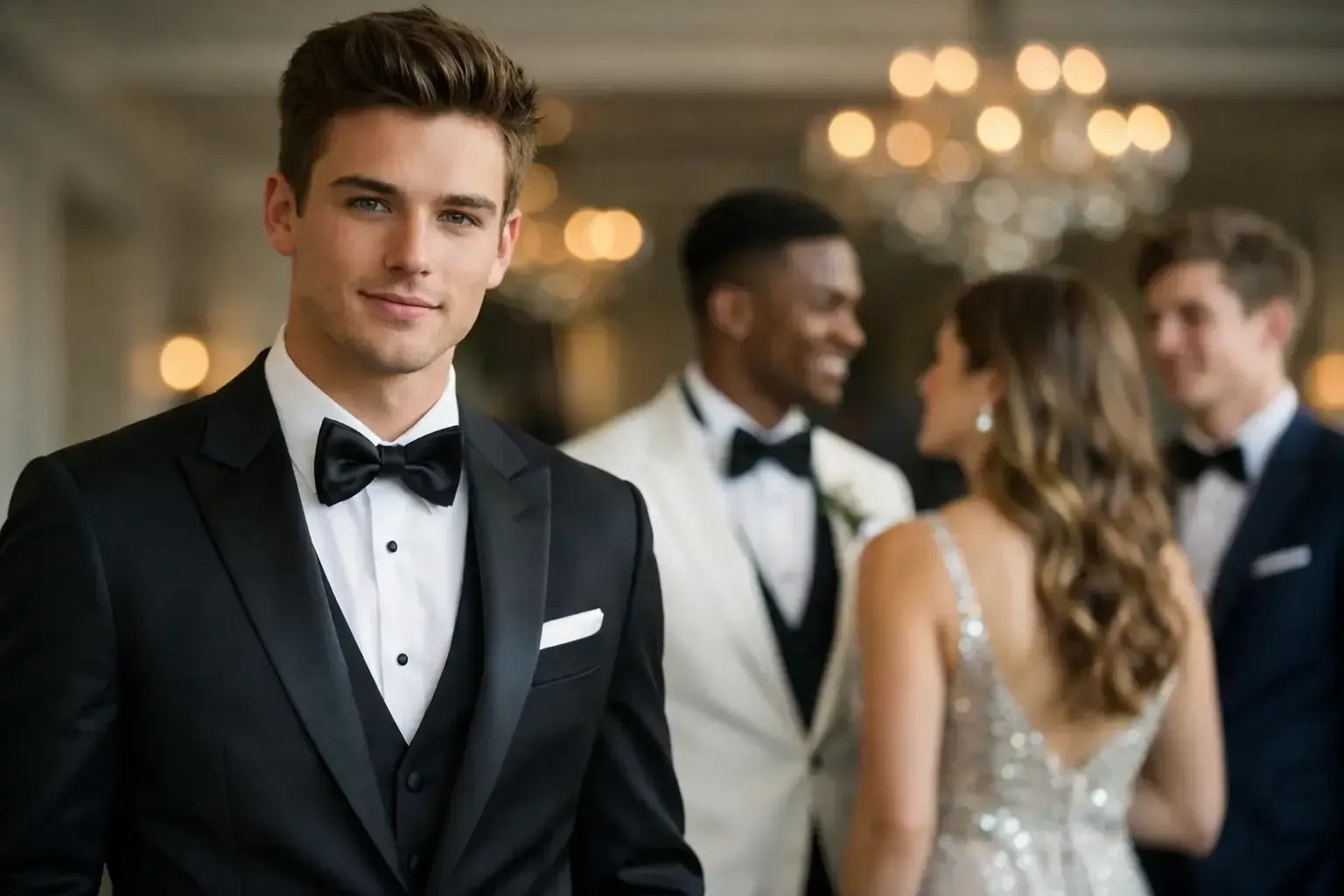
Black suits are elegant for evening events, formal ceremonies, and certain uniformed professions. For a standard daytime interview, however, black can look overly severe or suggest that the suit was selected from a limited formalwear wardrobe. A very dark charcoal or deep navy usually creates a more natural business presence.
Brown suits can be handsome and sophisticated, especially in richer tobacco or chocolate tones. They tend to work best in creative, entrepreneurial, or relaxed professional environments. Yet brown is less universal than navy and charcoal, and it can read too casual in a conservative interview. If you know the company welcomes expressive, elevated dress, it may be a smart choice. If there is any doubt, save it for a later meeting.
Light gray, tan, and beige suits are best reserved for warm-weather networking, daytime events, and business settings with a clearly relaxed dress code. In the Houston area, lighter colors may be practical for much of the year, but practicality alone does not make them ideal for an interview. They generally carry less visual authority and can be harder to photograph well on video.
Avoid vivid blue, bright green, red, white, and heavily patterned suits for first interviews. These choices can be stylish in the right context, but they ask the interviewer to form an opinion about your clothing before they have learned about your judgment, experience, and character.
Fit Gives Color Its Authority
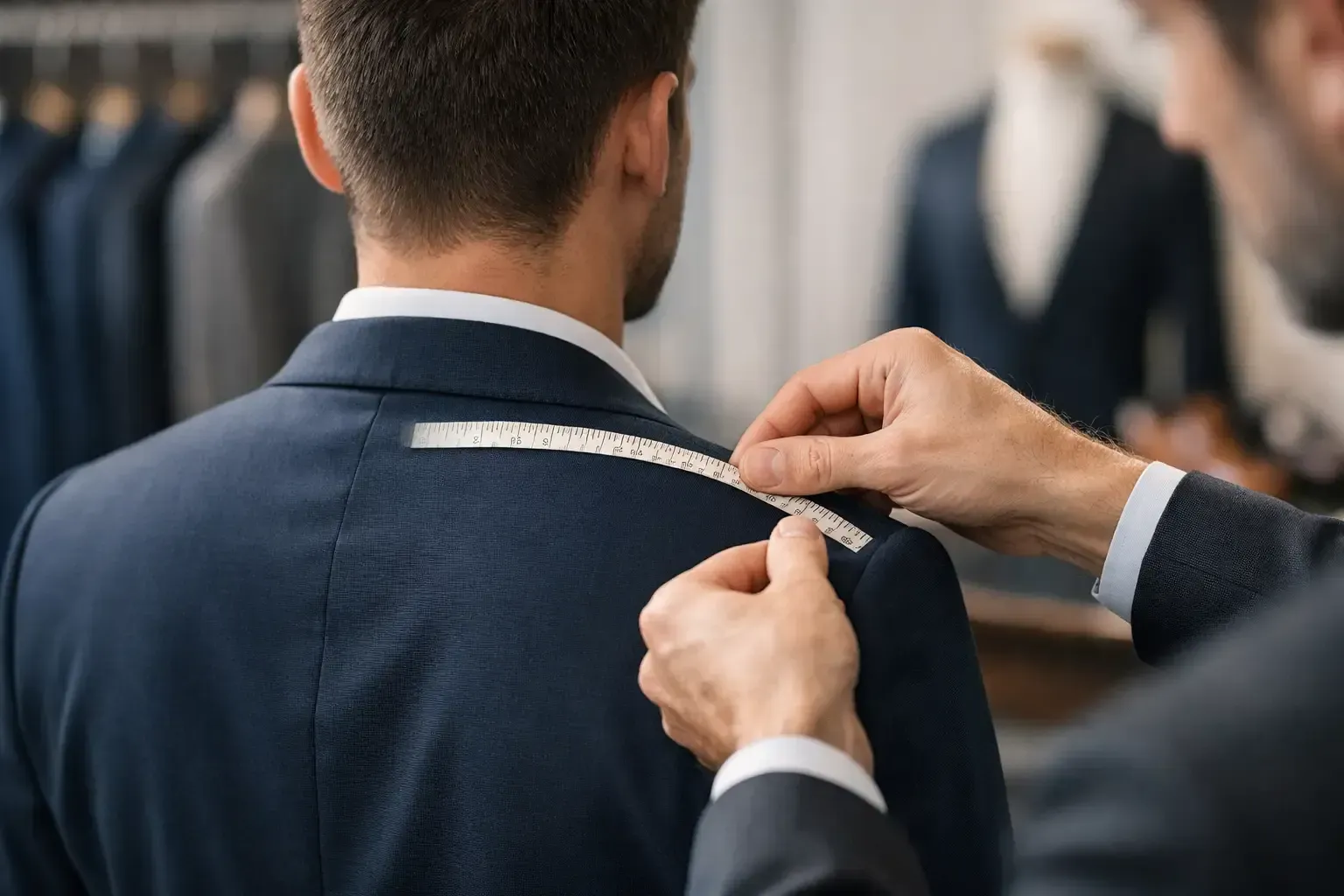
Even the right color loses impact when the suit does not sit cleanly on the body. The jacket should frame the shoulders naturally, the chest should close comfortably, and the trousers should fall with a deliberate, balanced line. When the proportions are right, navy looks richer, gray looks sharper, and the wearer appears more at ease.
This matters for every body type, particularly for clients who find standard sizing too boxy, too long, or inconsistent through the chest and waist. A bespoke suit is designed around how you stand, move, and want to present yourself. That personal attention turns a safe interview color into a garment with real presence.
Fabric also shapes the final impression. A fine wool with a subtle texture brings dimension to navy or charcoal without appearing busy. For frequent travel or warm Texas weather, a breathable fabric selection can help you remain comfortable and composed through a long interview day. Looking calm is easier when you feel comfortable.
Finish the Look With Discipline
The shirt, tie, shoes, and grooming should support the suit rather than introduce competing ideas. A white dress shirt is the most dependable choice, followed by pale blue. Choose a tie in a solid color, a small-scale pattern, or a quiet texture. Burgundy, deep navy, forest green, and muted silver-gray are reliable options.
Black leather shoes are the natural partner for charcoal and black suits. Dark brown leather can look excellent with navy and medium gray, provided the belt matches and the finish is polished. Keep accessories minimal. A classic watch is enough; a crowded wrist or oversized buckle can distract from an otherwise considered look.
For virtual interviews, test the complete outfit on camera before the meeting. Dark navy and charcoal typically create strong definition, while tight stripes or high-contrast patterns may look distracting on screen. Sit in the lighting you will use, check the shirt collar and jacket lapels, and make sure your face remains the visual focal point.
Let Your Suit Support the Conversation
The best choice is usually a navy or charcoal suit tailored to perfection, finished with a white or pale blue shirt and restrained accessories. Medium gray is an excellent alternative when the company culture calls for a lighter, more contemporary approach. The right color establishes the mood, but confidence comes from knowing that every element of your appearance has been considered with purpose.
For an important career moment, Kamran Bespoke brings timeless craftsmanship and personal guidance to the process, helping clients select a suit that feels authentic to their ambitions. Walk into the room looking like you belong there, then let your preparation and perspective do the rest.