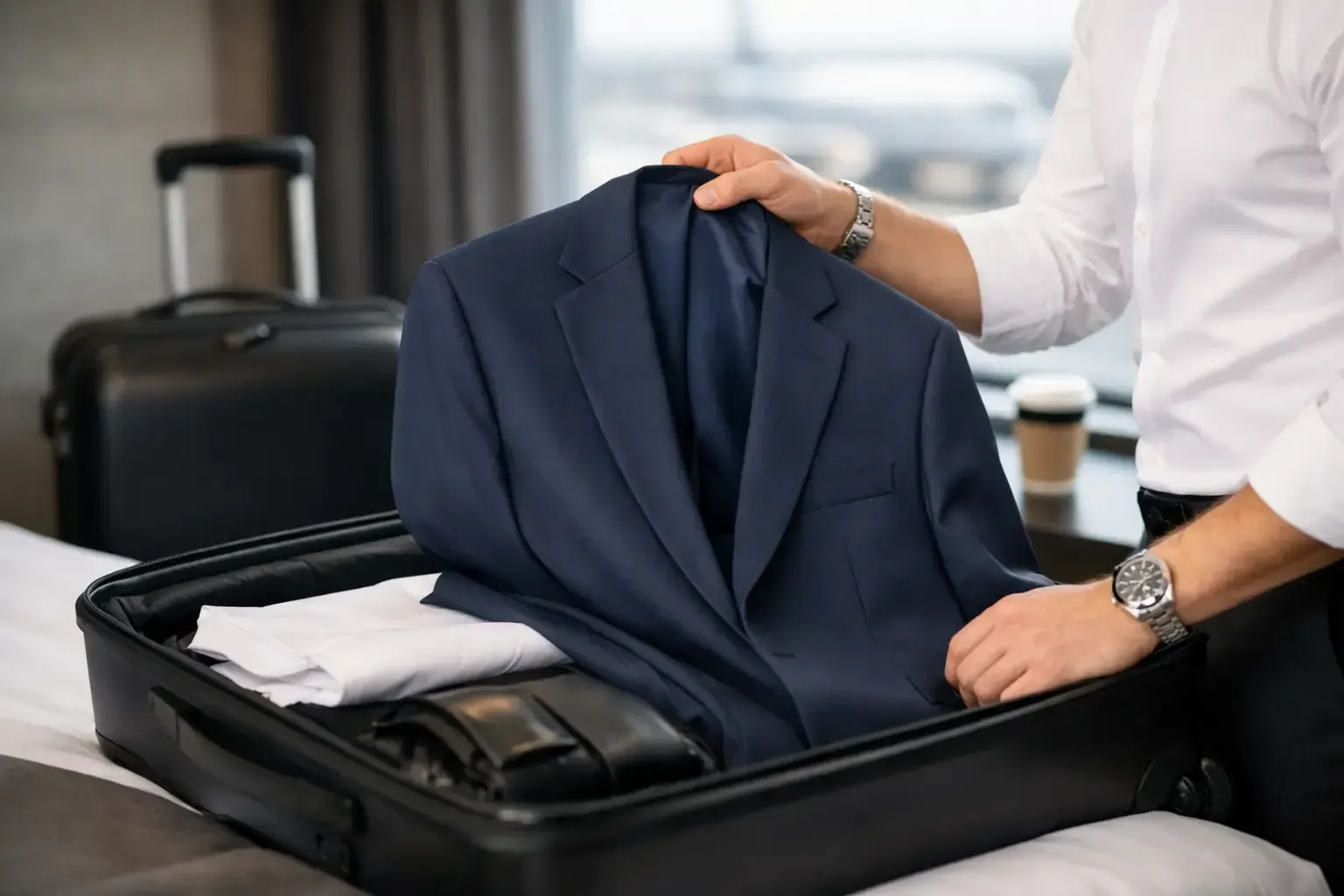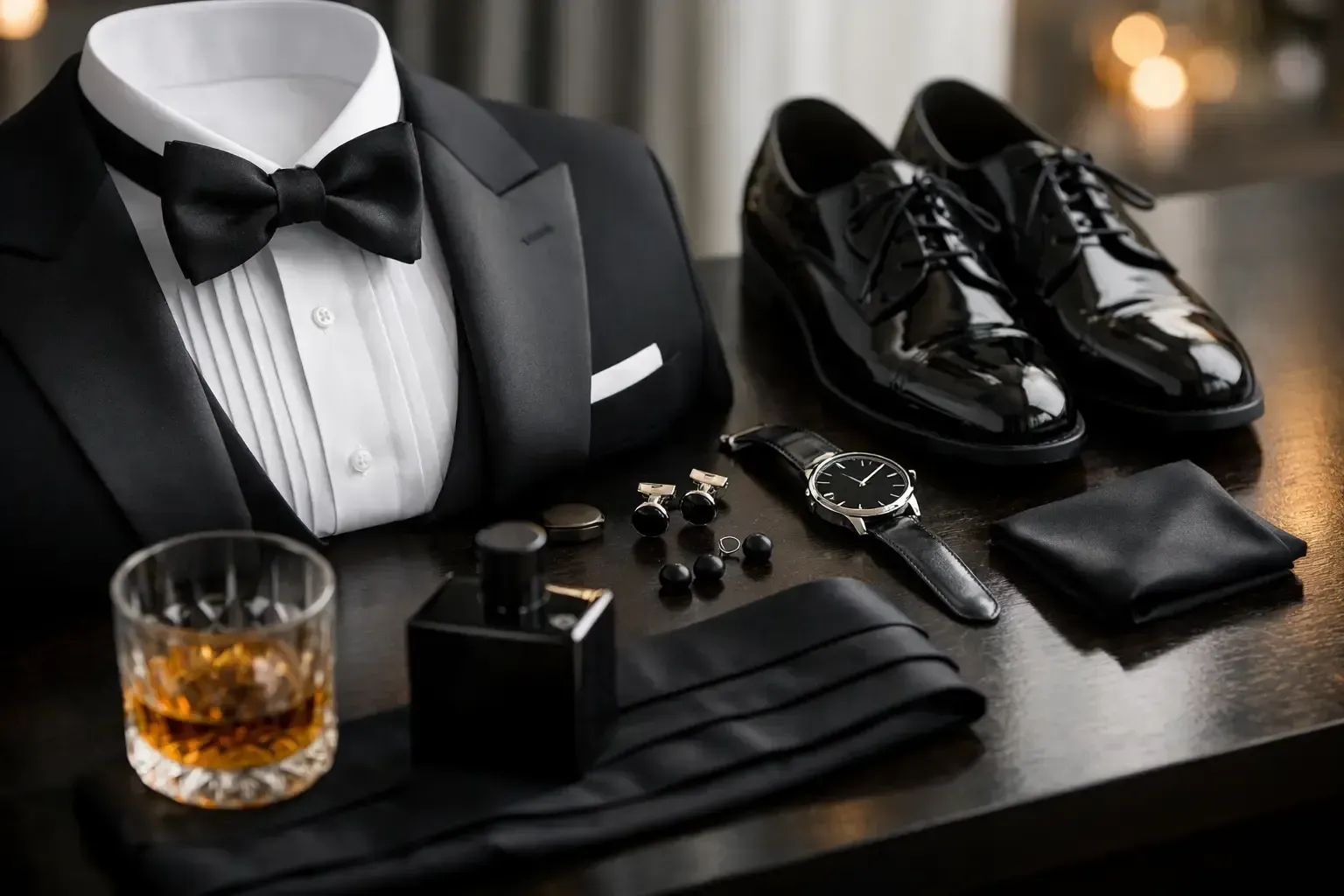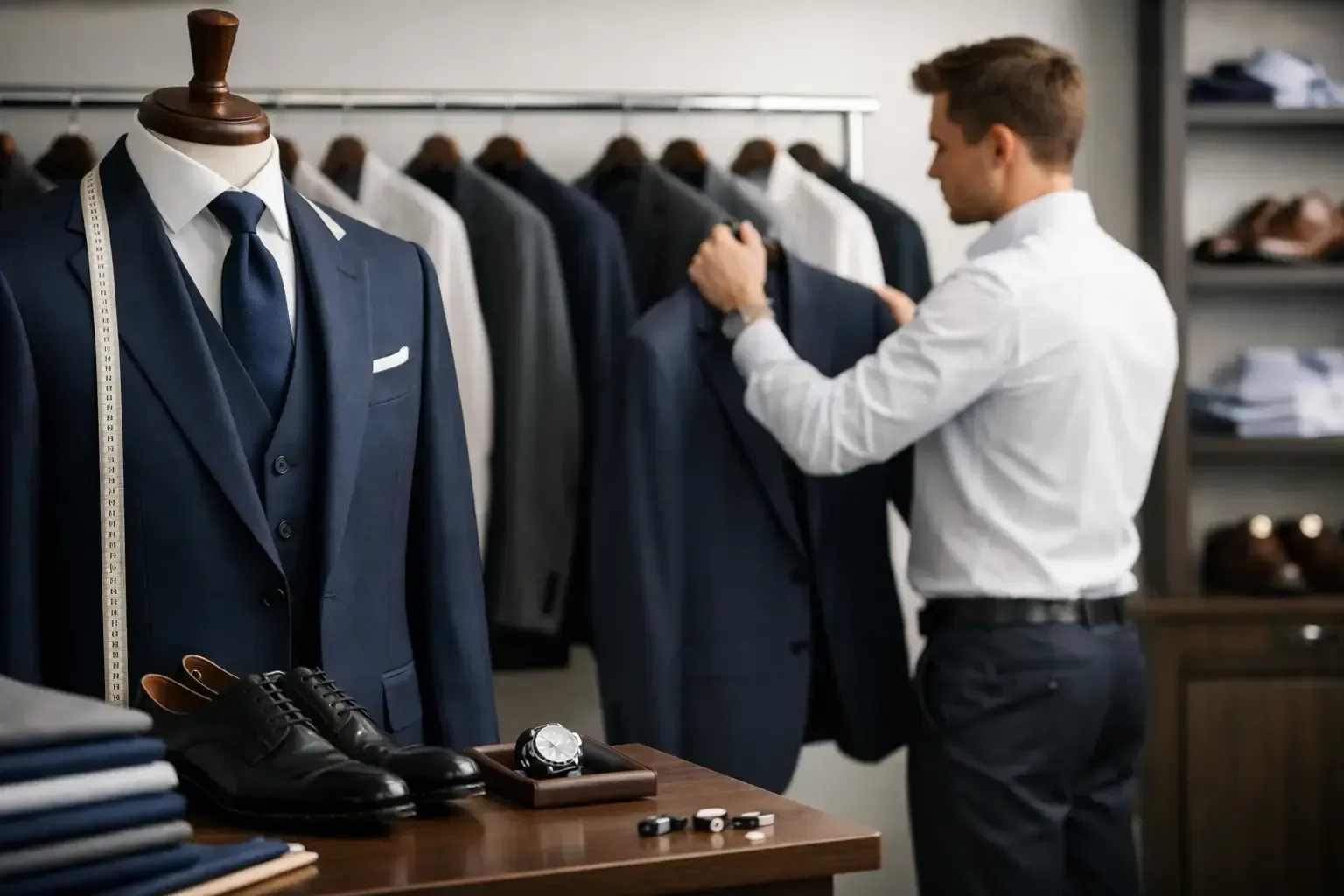


A suit can look impressive on the hanger and still fall short the moment you put it on. The shoulders pull, the waist sits too boxy, the sleeve breaks at the wrong point, or the trousers fit in one area and miss in another. That is exactly why custom women suits have become such a compelling choice for professionals, brides, and event clients who want more than a close enough fit.
A well-made suit should do more than check a dress code. It should create presence. It should feel intentional, flattering, and comfortable enough that you are not adjusting it all day. When a garment is designed around your proportions, your preferences, and the way you actually plan to wear it, the difference is visible immediately.
What makes custom women suits different
Off-the-rack suiting is built for standard sizing, and standard sizing is rarely standard in real life. Many women know the frustration of finding a jacket that fits the shoulders but not the waist, or trousers that fit the hips but need significant hemming and reshaping. Even when alterations help, they can only improve what is already there.
Custom women suits begin from a different premise. Instead of asking you to adapt to the garment, the garment is created around you. That includes your measurements, posture, shape, styling preferences, and the purpose of the suit itself. A suit for the boardroom should not necessarily fit or feel the same as one made for a wedding weekend or formal dinner.
This is where bespoke and made-to-measure service becomes valuable. The process is not only about precision. It is also about interpretation. An experienced tailor helps translate your vision into proportion, fabric, structure, and detail so the final result feels polished rather than generic.
Fit is the first luxury
The strongest reason clients choose custom suiting is fit. Luxury starts there.
A refined silhouette is not about wearing something tight. It is about balance. The jacket should frame the shoulders cleanly, define the waist naturally, and move with ease. Trousers should elongate the leg without pulling across the hips or collapsing at the ankle. If you prefer a longer line, a stronger shoulder, a higher rise, or a softer drape, those decisions can be built into the design.
This matters even more for clients who have struggled with ready-to-wear sizing. Slender frames, athletic builds, petite proportions, and curvier shapes often require compromises in retail suiting. Custom work removes much of that guesswork. It creates a cleaner line because it respects the body in front of the tailor rather than relying on a generalized size chart.
There is a confidence shift that happens when a suit fits correctly. You stand differently. You stop tugging at the jacket. You stop thinking about whether the trouser break looks awkward. Instead, you can focus on the room, the meeting, the celebration, or the photographs.
Style should feel personal, not prescribed
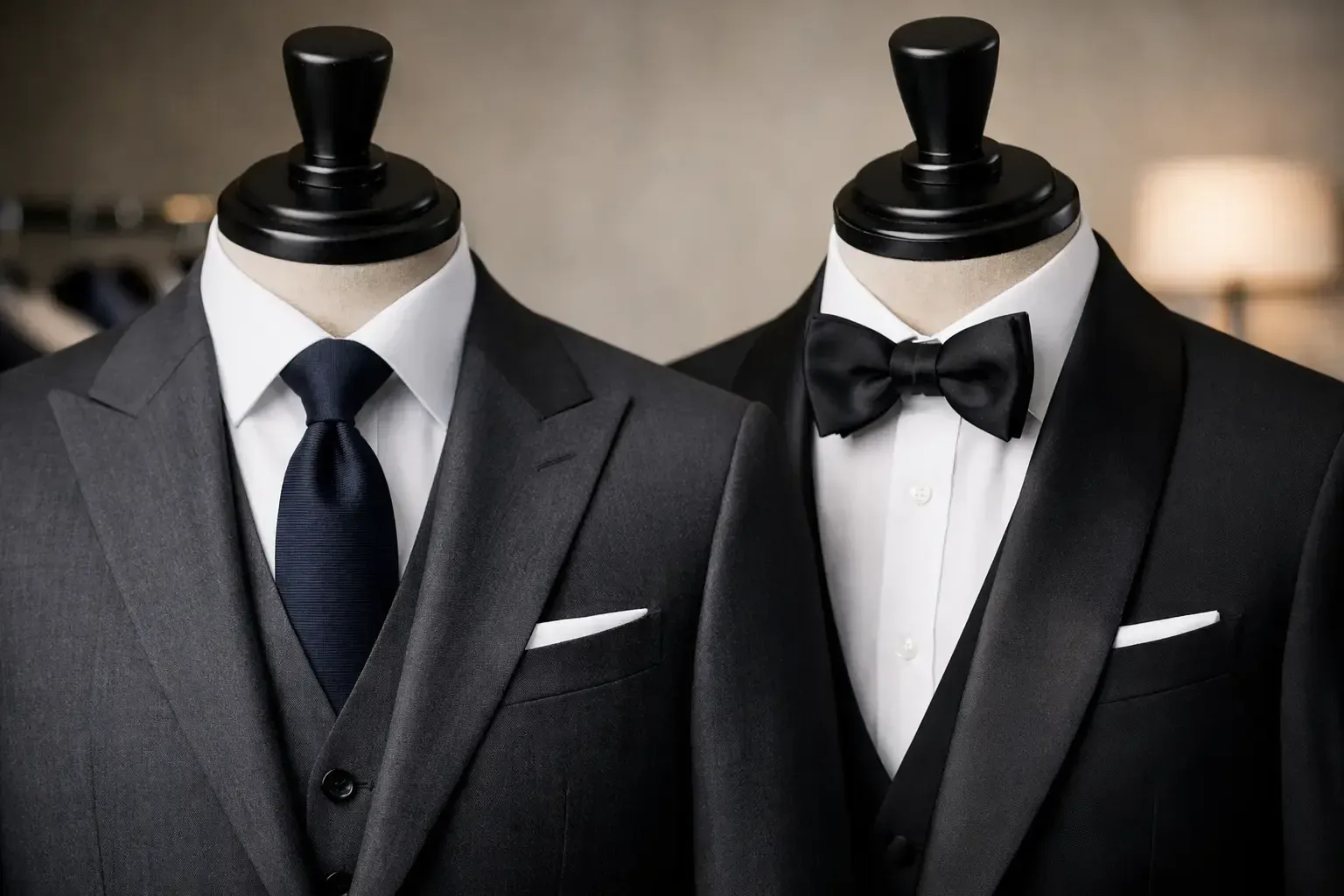
Great tailoring is never one-note. Some clients want a sharp, minimalist suit in navy or charcoal for business settings. Others want a statement piece in ivory, jewel tones, or subtle patterning for a rehearsal dinner, gala, or fashion-forward event. Both approaches can be elegant when the design is deliberate.
That is another advantage of custom women suits. You are not limited to whatever a store happened to order that season. You can choose lapel shape, button stance, pocket style, lining, trouser cut, and fabric weight based on your taste and your lifestyle. You can decide whether the look should feel classic, modern, commanding, understated, or bold.
The trade-off is that customization requires clarity and guidance. Too many choices without a strong point of view can lead to a suit that feels less cohesive. That is why the consultation matters. A skilled clothier helps narrow the options, align them with the occasion, and make sure the final garment still feels timeless enough to wear well beyond one event.
Fabric changes everything
Fabric is often the quiet reason a suit feels exceptional. It affects drape, comfort, structure, and how the garment performs over time.
For businesswear, many clients prefer wool fabrics with enough body to hold shape throughout the day. For warmer climates such as Texas, lighter weights and breathable constructions become especially important. If the suit is intended for frequent travel or long office hours, wrinkle resistance and comfort deserve equal consideration alongside appearance.
For weddings and special occasions, the equation shifts a bit. Texture, color depth, and finish may matter more. A smooth worsted wool, a subtle stretch blend, or a fabric with a soft sheen can create a more elevated effect depending on the setting. The right material should support the moment without overwhelming it.
This is where custom service offers a practical advantage. A beautiful silhouette in the wrong cloth will never feel quite right. The best results come from matching fabric to use, season, and personal preference.
Where custom suiting makes the biggest impact
Work is the most obvious setting, but it is hardly the only one. A custom suit can be one of the smartest wardrobe investments for leadership roles, presentations, networking, and client-facing positions where appearance communicates standards before you speak.
It is equally powerful for weddings. Some women want a suit instead of a dress. Others want a second look for a reception, rehearsal dinner, courthouse ceremony, or engagement event. In those moments, custom suiting offers elegance with individuality. It feels formal without feeling expected.
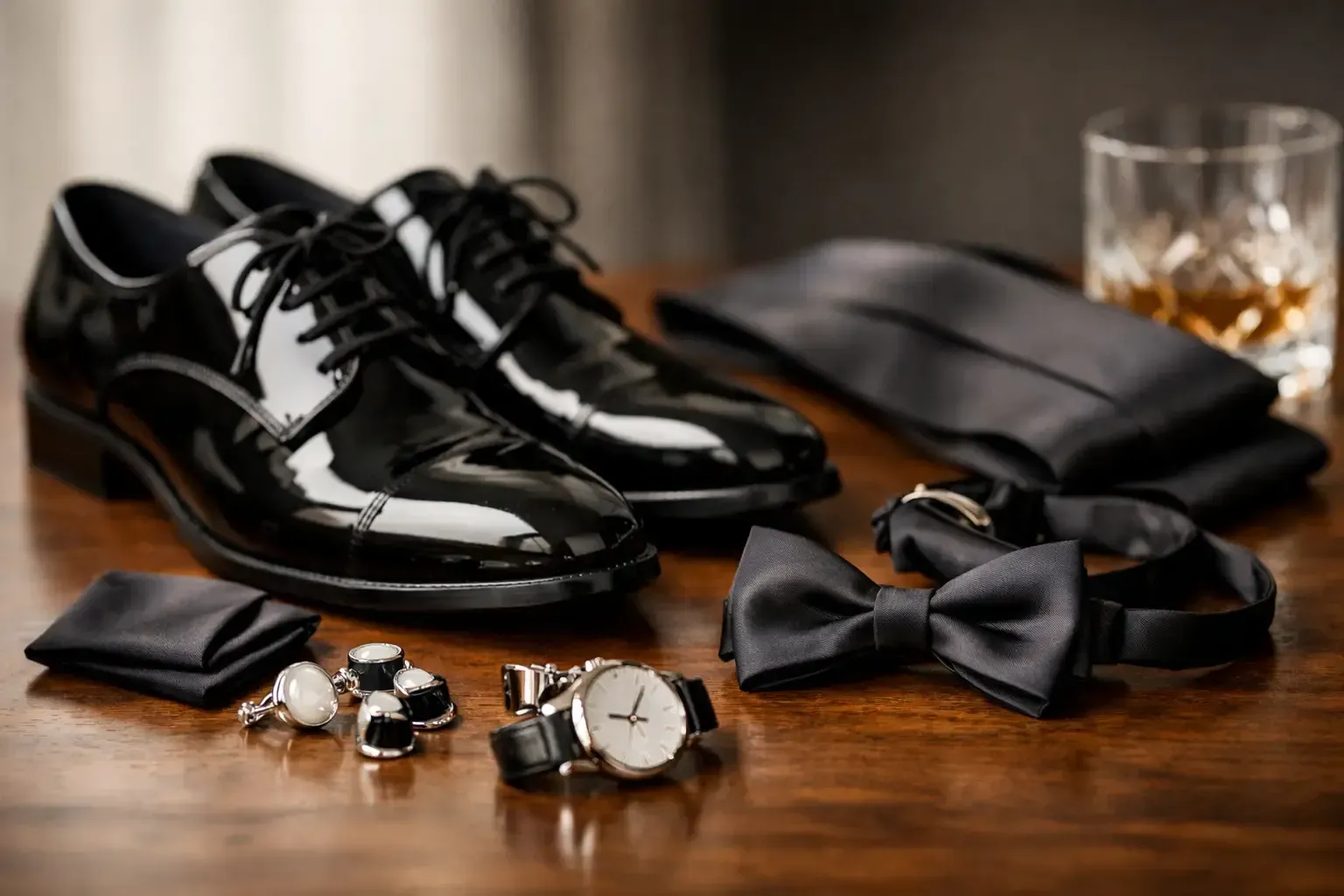
Then there are the occasions that do not fit into a standard category: black-tie events, milestone birthdays, fashion-forward holiday parties, and family celebrations where photographs will last for years. A suit made specifically for that moment often becomes a repeat favorite because it carries both visual impact and emotional value.
The process is part of the experience
One reason clients return to custom tailoring is that the process itself feels different from retail. It is focused, personal, and collaborative.
The first appointment usually begins with conversation rather than measurement alone. What is the suit for? How do you want to feel in it? Do you prefer stronger structure or softer shape? Are you building a foundational wardrobe piece or creating something memorable for one event? Those answers shape every recommendation that follows.
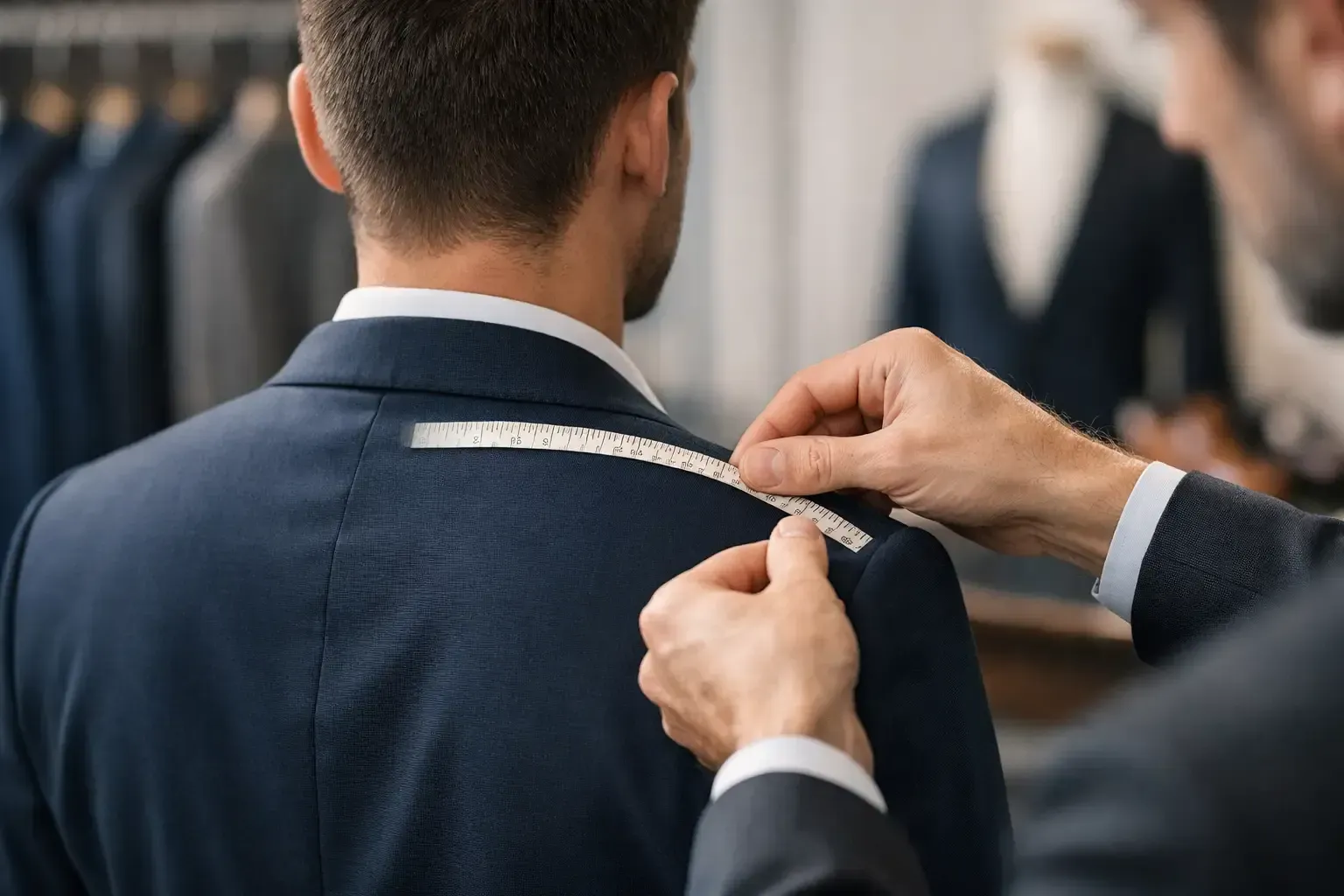
Measurements come next, but they are only part of the picture. Posture, shoulder balance, sleeve preference, heel height, and styling goals all influence the pattern and the final fitting. Once fabric and design details are selected, the garment moves toward production, followed by fittings that refine the result.
This level of attention is why many clients see custom clothing as an investment rather than a purchase. At Kamran Bespoke, that experience is designed to feel personal and precise, with guidance that respects both style and practicality.
Is custom always the right choice?
Not always. If you need something immediately, off-the-rack may be the faster solution. If your budget is focused on short-term wear for a single casual event, custom may feel like more than you need. And if you are unsure what kind of suit suits you best, the idea of making many design decisions can feel intimidating at first.
But for clients who care about fit, presentation, and longevity, custom usually offers stronger value over time. A suit that fits beautifully and reflects your style tends to be worn more often, altered less, and appreciated longer. It becomes a reliable part of your wardrobe instead of an item you tolerated because it was available.
The best custom women suits do not announce themselves with excess. They stand out because everything looks right - the line of the jacket, the balance of the trousers, the fabric, the confidence of the person wearing them. That kind of elegance is hard to manufacture off the rack.
If you have ever felt like suiting was almost right but never fully yours, custom changes that conversation. It gives shape to your standards and turns clothing into something more personal: a garment tailored to perfection, and a presence that feels entirely your own.