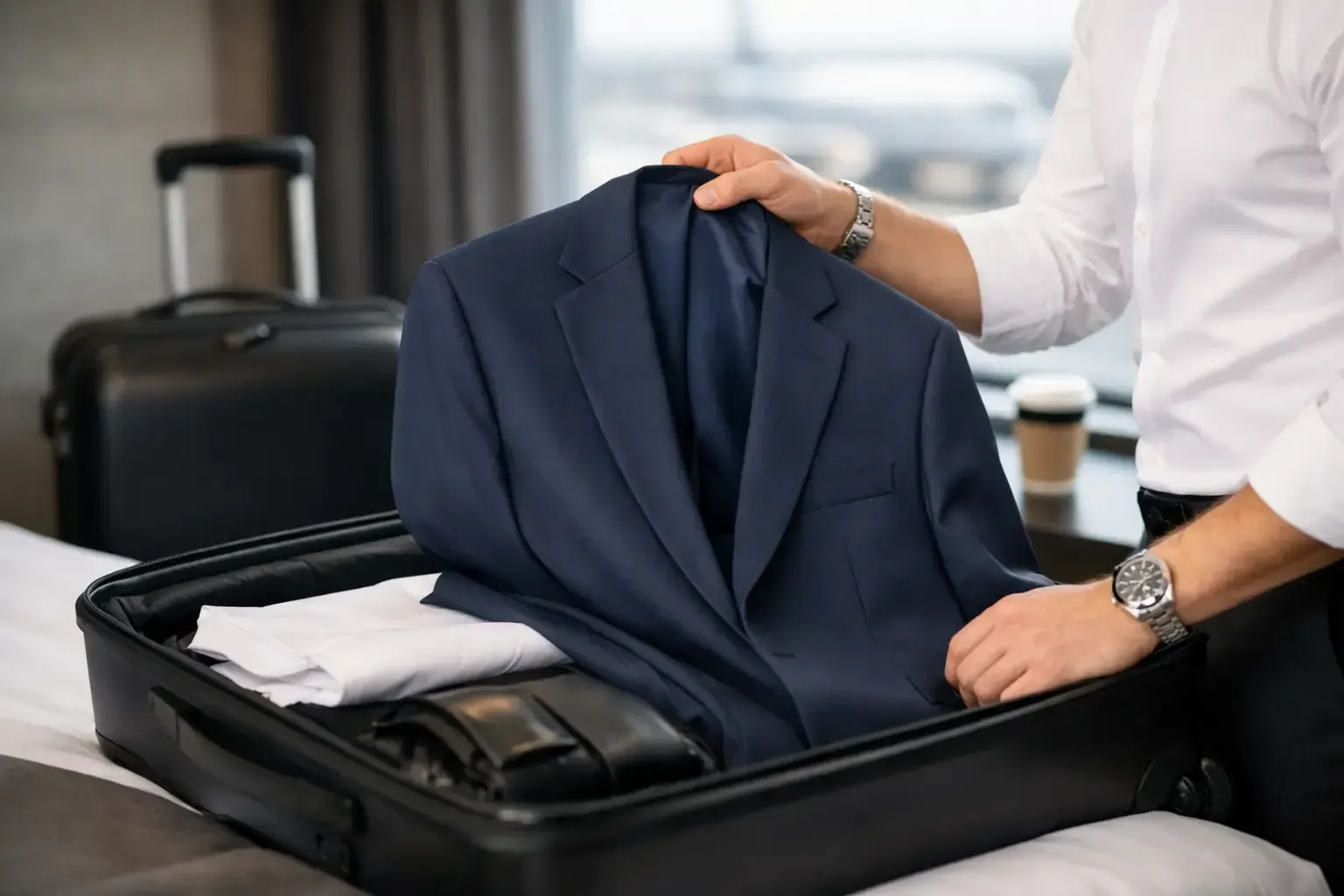


Broad shoulders, a defined chest, narrow waist, and strong thighs look impressive in the gym and frustrating in a fitting room. A custom suit for athletic build solves the exact problem off-the-rack tailoring tends to create: a jacket that fits the shoulders but billows at the waist, or trousers that fit the thighs and pull everywhere else. When your proportions fall outside standard sizing, the answer is not sizing up and hoping for the best. It is a suit designed around your body from the start.
Why Off-the-Rack Fails an Athletic Frame
Most ready-made suits are built for averaged proportions. That sounds practical until you try one on. Athletic clients often need extra room through the chest, upper back, seat, and thighs, while still wanting a clean line through the waist and lower leg. Those needs compete with each other in standard sizing.
The result is familiar. The jacket may strain when buttoned, then look oversized when left open. Sleeves can twist because the shoulder balance is wrong. Trousers may fit the waist but pull across the quads, or fit the legs and leave excess fabric at the seat. Even a quality fabric cannot drape well if the pattern underneath it is working against your frame.
This is where custom clothing becomes less about luxury for its own sake and more about precision. A strong physique deserves structure, not compromise.
What a Custom Suit for Athletic Build Changes
A proper custom suit for athletic build starts with proportion, not just measurement. The goal is not to make the body look smaller or to squeeze it into a trend-driven silhouette. The goal is to create clean balance so the suit feels sharp, comfortable, and confident from every angle.
For the jacket, that usually means enough room in the chest and upper back to move naturally, paired with thoughtful waist suppression so the body keeps its shape instead of disappearing under fabric. The armholes matter more than many clients realize. When they are cut correctly, the jacket moves with you better and the sleeve hangs more cleanly.
For trousers, the cut has to respect muscular thighs without looking loose. This often means adding room where your body needs it while refining the line from knee to hem. The right rise also matters. Some athletic clients benefit from a slightly higher rise because it helps the trousers sit more cleanly at the waist and creates a longer, more elegant line.
The biggest difference is visual. Instead of looking like you had to settle for the closest size available, you look composed and intentional.
The Fit Priorities That Matter Most
Not every athletic build is the same. Some men carry more width through the shoulders and back. Others have developed glutes and thighs that make trouser fit the primary challenge. Some are lean and sharply tapered from chest to waist, while others have a broader, more substantial frame overall. That is why real customization matters.
Shoulder and Chest Balance
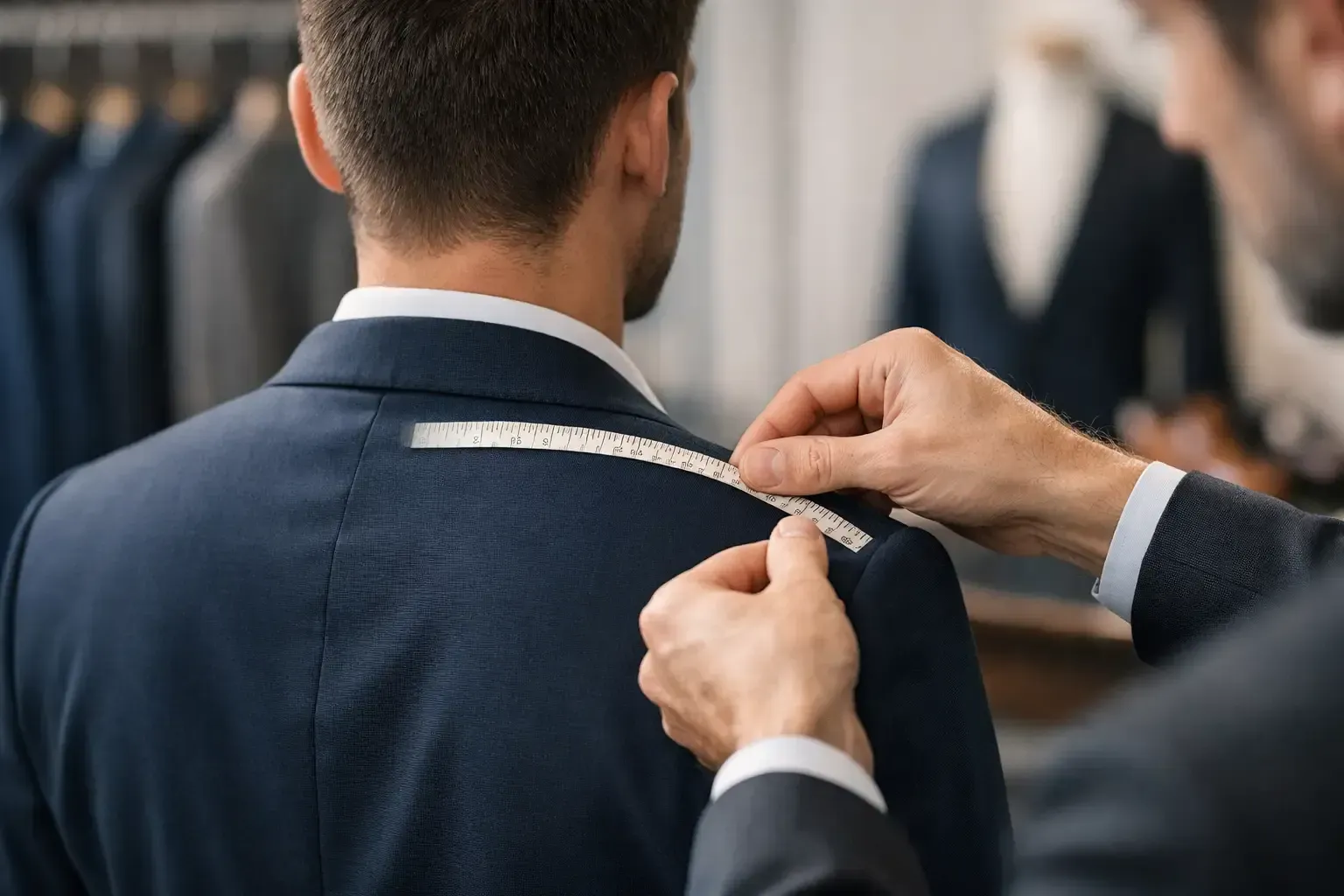
The jacket should follow your natural shoulder line without collapsing or extending too far. If the shoulder is too narrow, the chest pulls and the lapel never sits properly. If it is too wide, the whole suit looks borrowed. For athletic clients, getting this balance right is often the first major win.
Waist Suppression Without Strain
A trim waist can look excellent in suiting, but there is a difference between shape and tightness. A well-cut jacket defines the torso without creating stress lines around the button stance. This is especially important for men with a pronounced V-shape.
Sleeve and Arm Mobility
If you train regularly, you likely have more development in the upper arms and back than standard patterns expect. Sleeves need enough ease to move comfortably, but still maintain a sleek profile. This is one of those details that separates a decent suit from one that feels tailored to perfection.
Trouser Shape Through Seat and Thigh
Athletic legs expose poor trouser cutting immediately. The fabric should fall smoothly from the waist through the thigh with no pulling at the pocket area and no excessive fullness below the seat. The right shape creates comfort, but it also preserves elegance.
Style Choices That Flatter an Athletic Build
Once fit is handled, style becomes much more enjoyable. Men with athletic proportions can wear a range of looks beautifully, but some choices are especially effective.
A structured jacket with a clean shoulder and slightly shaped waist tends to complement the frame well. Lapels should feel in proportion to your chest and shoulders. If they are too narrow, the upper body can appear overly broad. If they are too wide, the look can become heavy. Balance is everything.
Single-breasted suits are often the most versatile option, particularly for business, weddings, and formal events. That said, a double-breasted jacket can be striking on an athletic frame when cut with restraint and worn with confidence. It depends on your height, posture, and where you plan to wear it.
Fabric also matters more than clients sometimes expect. A cloth with enough body will drape more cleanly over a muscular frame than something overly light or flimsy. For year-round versatility in Texas, many clients do well with refined midweight fabrics that hold shape while remaining comfortable.
Color and pattern should support the purpose of the garment. For professional settings, navy, charcoal, and medium gray remain timeless for good reason. For weddings and statement occasions, deeper textures, rich tones, and personalized details can add distinction without sacrificing sophistication.
Bespoke vs. Altered Ready-Made
A common question is whether an off-the-rack suit can simply be altered to achieve the same result. Sometimes basic improvements are possible. Sleeves can be shortened, trouser hems adjusted, and the waist taken in slightly. But there are limits.
If the jacket does not fit the shoulders and chest correctly, meaningful correction becomes difficult or impossible. If the trouser pattern is wrong for your seat and thighs, tailoring can only do so much before the garment starts fighting its own construction. Athletic builds often reveal those limitations quickly.
That is why bespoke and made-to-measure are such strong options for this body type. Instead of forcing an existing pattern to cooperate, the garment is shaped around your proportions, your posture, and your preferences. The result is cleaner and far more comfortable.
The Experience Should Feel Personal
A premium suit is not only about measurements. It is about being guided well. The best custom process considers how you live, where you plan to wear the suit, and how formal or expressive you want the final look to be.
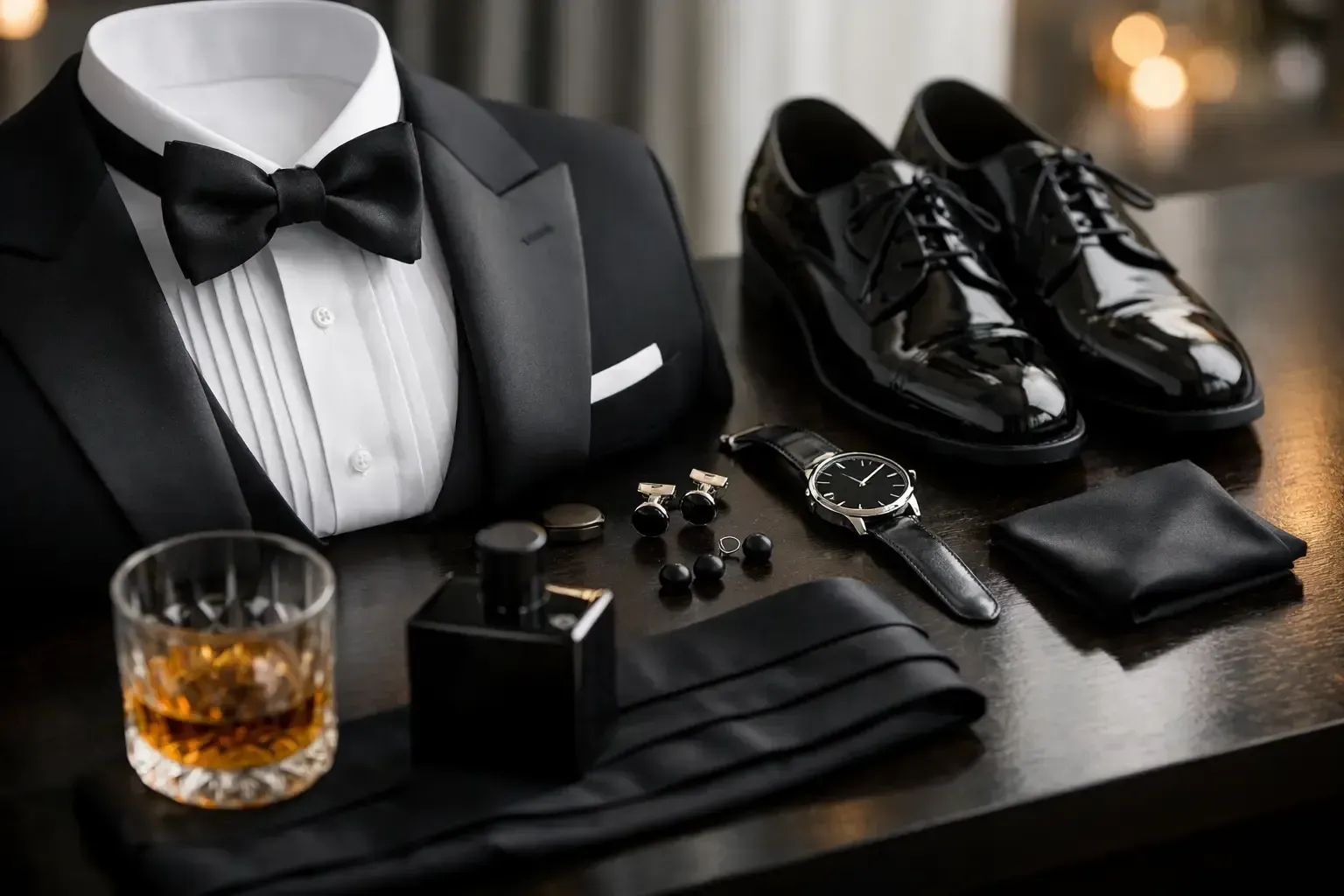
For one client, that may mean a refined navy suit that performs beautifully in boardrooms, weddings, and evening dinners. For another, it may mean a tuxedo designed to sharpen a broad chest and strong waistline without feeling restrictive through the arms and legs. For a groom, it may mean creating something memorable enough for the wedding day and polished enough to wear again with confidence.
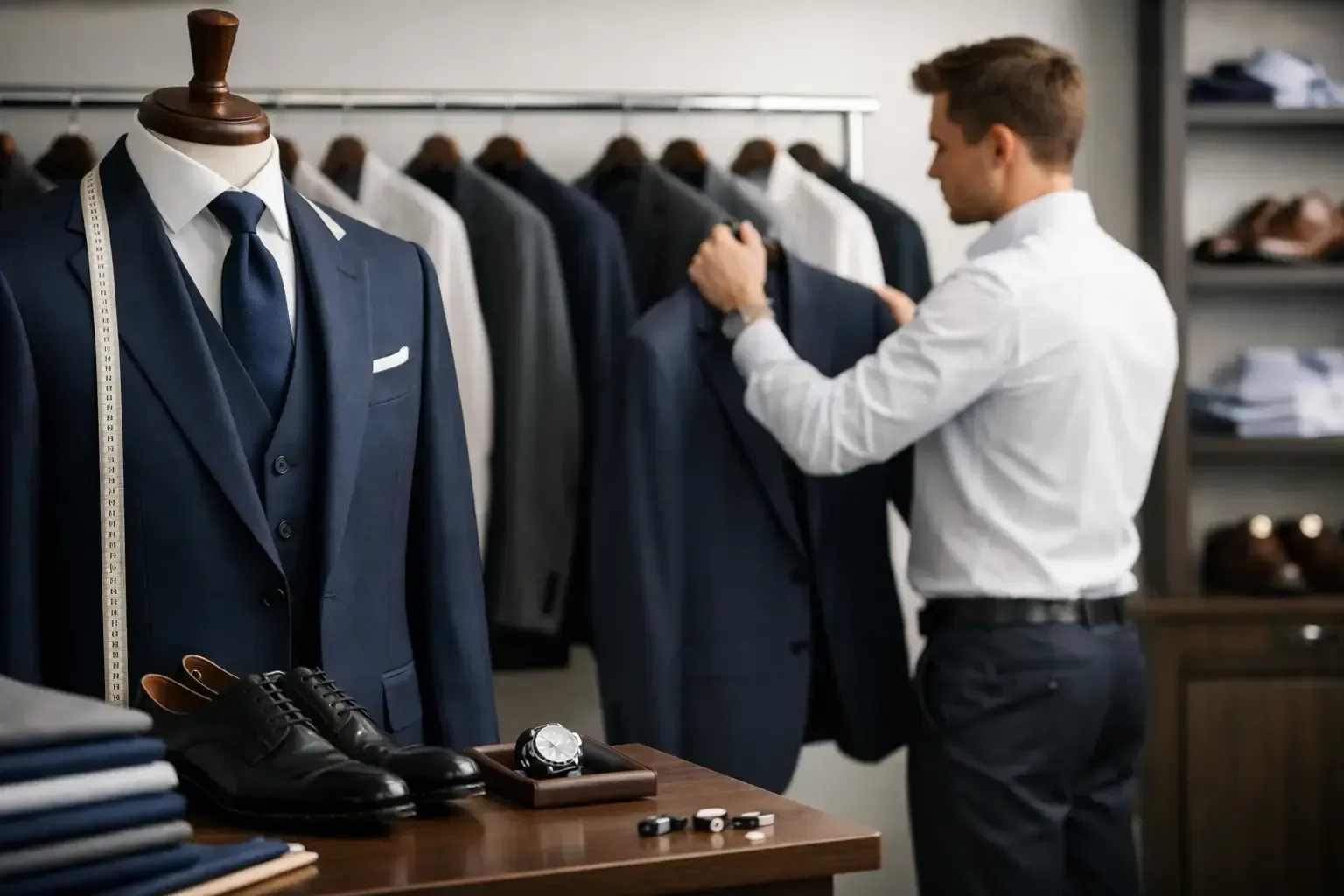
This is where a high-touch tailoring experience stands apart. At Kamran Bespoke, that process is centered on one-on-one attention, premium fabric selection, and design choices that reflect the client rather than a rack of standard inventory. For men who have spent years settling for "good enough," that level of care changes the entire experience.
How to Know Your Suit Finally Fits
When the fit is right, you notice it immediately. The jacket buttons comfortably and frames the torso without pulling. The lapels lie flat. The collar sits cleanly against the neck. The trousers fall smoothly and stay balanced when you stand, walk, and sit.
Just as important, you stop adjusting the suit every few minutes. You are not tugging at the jacket front, shifting the waistband, or worrying about tightness across the thighs. You can focus on the meeting, the ceremony, the photographs, or the evening itself.
That confidence is the real value. A beautifully made suit should not feel like armor or a costume. It should feel like the sharpest version of your own presence.
Custom Suit for Athletic Build Means More Than Fit
Fit is the starting point, but the lasting value is how the garment supports your image over time. A hand-crafted suit designed for your proportions tends to wear better, feel better, and remain relevant longer than trend-driven alternatives. It becomes a dependable part of your wardrobe rather than a one-time purchase you tolerate.
For athletic men, that matters. When your body shape makes standard suiting unreliable, precision is not an extra feature. It is the reason the garment works at all. And once you experience clothing that respects your frame instead of resisting it, it is difficult to go back.
If you have spent years choosing between a suit that fits your shoulders and one that fits your waist, there is a better option. The right suit should meet both standards - and make you look as composed as you feel the moment you put it on.