
Share this article

A suit can look impressive on a hanger and still fall short the moment you put it on. The shoulder sits wide, the jacket collapses at the chest, the trousers pull in the wrong place, and suddenly a polished look feels compromised. That is why the best bespoke suit features are not just decorative details. They are the elements that turn a garment into something precise, flattering, and deeply personal.

For clients investing in custom clothing, the difference is rarely one dramatic feature. It is the combination of structure, proportion, fabric, and hand-finished choices working together. A truly bespoke suit should feel composed without feeling stiff, distinctive without trying too hard, and tailored to your life rather than to a generic size chart.

What the best bespoke suit features really do

The strongest bespoke garments solve several problems at once. They improve fit, sharpen presentation, and make the wearer more comfortable through long days, formal events, and repeat wear. That matters whether you need a boardroom suit, a wedding tuxedo, or a statement piece for a major occasion.

A well-made bespoke suit also ages differently from off-the-rack clothing. When the core features are chosen correctly, the jacket holds its shape better, the trousers hang more cleanly, and the entire suit remains relevant beyond one season. Luxury, in this context, is not excess. It is intelligent design paired with craftsmanship.

The best bespoke suit features start with fit

If one feature deserves top billing, it is fit. Not tightness, and not trend-driven slimness, but balance. A bespoke suit should follow your frame cleanly through the shoulders, chest, waist, seat, and leg line. It should accommodate how you naturally stand and move, including posture differences that ready-made sizing ignores.

This is especially valuable for clients who have struggled with off-the-rack proportions. A slender build, athletic shape, uneven shoulder line, or longer arms can make standard sizing frustrating. Bespoke tailoring addresses those realities directly, so the garment looks intentional from every angle.

Good fit also creates visual calm. The lapels sit flat, the collar stays close to the neck, the sleeves break at the right place, and the trousers drape without bunching. People may not identify each adjustment individually, but they notice the effect immediately.

Shoulders that frame the entire suit

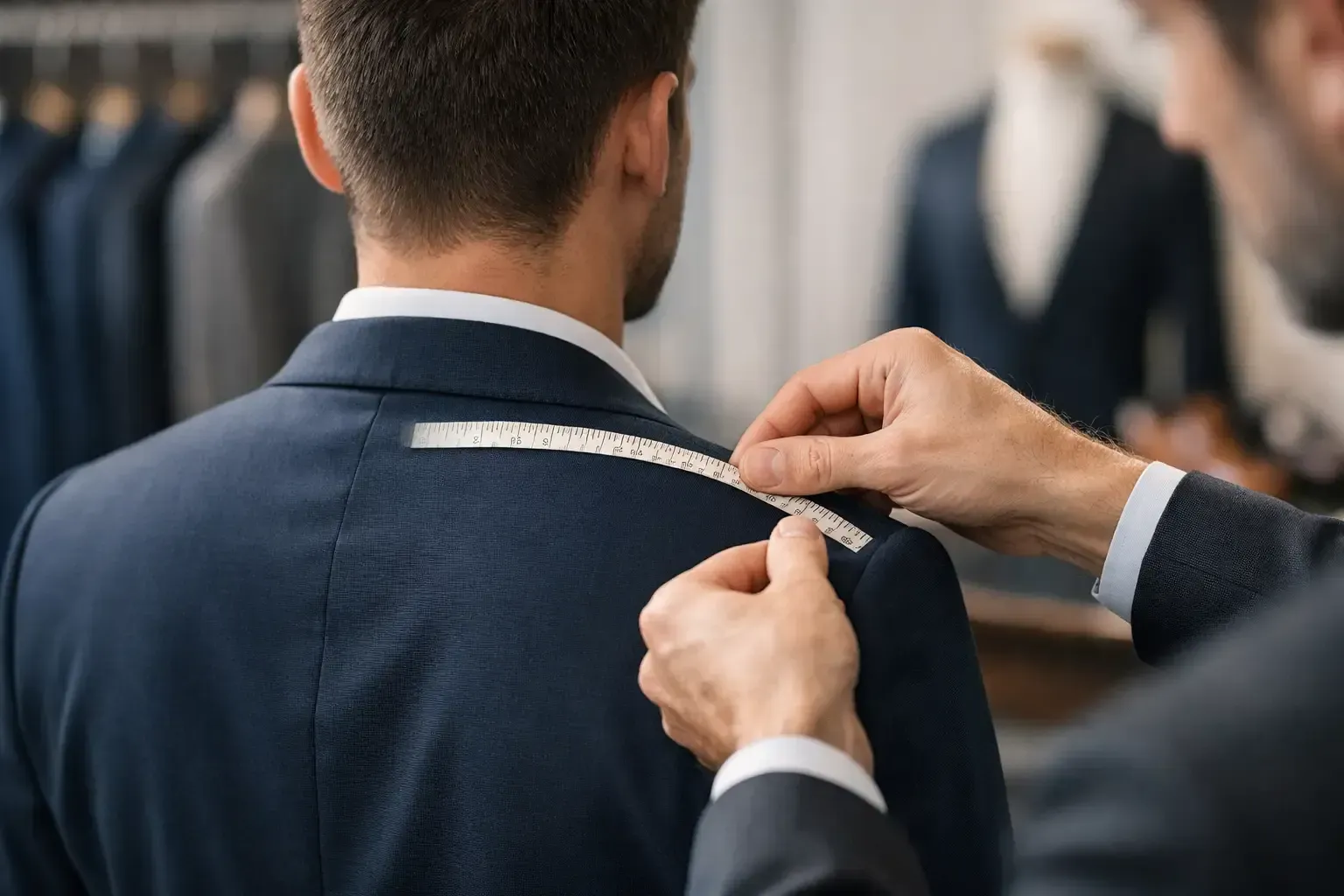
The shoulders are where a suit earns trust. If they are too wide, the jacket looks borrowed. If they are too narrow or overbuilt, the silhouette can feel forced. In bespoke tailoring, shoulder expression should match both your body and the impression you want to make.

A softer shoulder can feel elegant and modern, especially for social events or warmer climates. A more structured shoulder can add authority in business settings. Neither is automatically better. The right choice depends on your frame, your wardrobe goals, and how formal you want the suit to appear.

Trouser rise and line

Clients often focus on the jacket first, but trousers do a surprising amount of visual work. The rise affects comfort, balance, and how the jacket and pants relate to each other. A rise that is too low can make the body look disconnected. A rise that is properly set helps the waist sit cleanly and gives the full suit a more refined line.

The leg shape matters just as much. A bespoke trouser should skim, not cling. It should look sharp when standing and remain comfortable when sitting, walking, or dancing at a wedding reception.

Canvas construction separates quality from appearance

One of the most valuable bespoke features is what you do not immediately see. Canvas construction inside the jacket helps the chest and lapel roll naturally, rather than lying flat and lifeless. It gives the front of the jacket dimension and resilience.

This is one area where trade-offs matter. A fused jacket can cost less and look acceptable at first, but it will not develop the same character over time. A canvassed jacket generally molds better to the wearer and maintains a richer shape with repeated use. For clients investing in long-term wardrobe pieces, this is often one of the clearest markers of quality.

Fabric choice is not just about appearance

The cloth determines how a suit feels, drapes, breathes, and performs. It is one of the best bespoke suit features because it affects nearly every aspect of the final result. A great fabric should suit the occasion, your climate, and how often you plan to wear the garment.

For businesswear, many clients benefit from mid-weight wool that offers structure without heaviness. For weddings or formal events, a finer fabric with elegant movement may be the better choice. In Texas, seasonality matters. You want a cloth that maintains polish while remaining comfortable in heat and humidity.

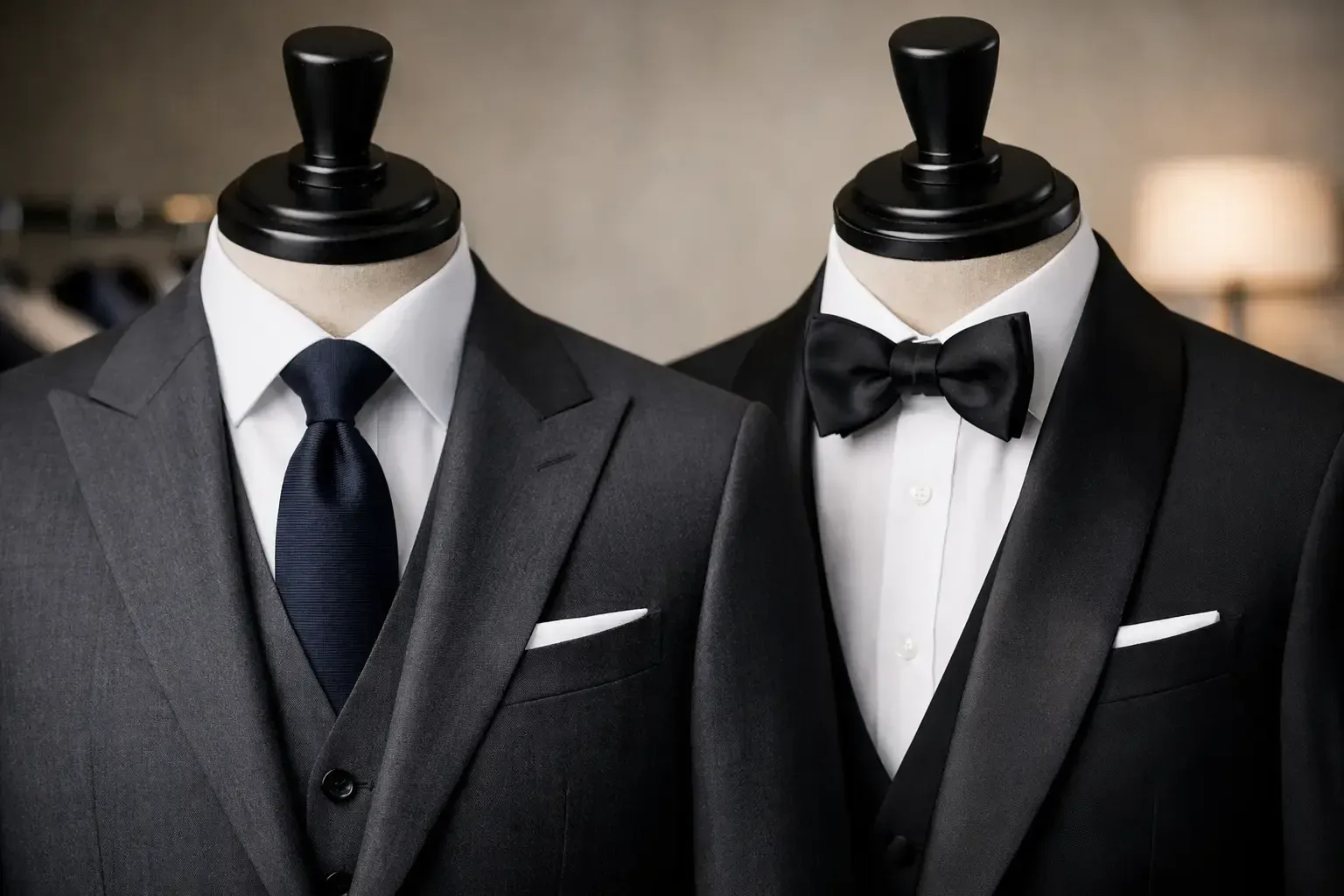
Pattern and texture also deserve careful thought. Bold choices can be striking, but they may limit versatility. A solid navy, charcoal, or subtle pattern often delivers the strongest long-term value. If you want the suit to stand out, that distinction can come from cut, cloth quality, and finishing details rather than loud design.

Lapels, buttons, and pockets shape the personality

Small design elements change the attitude of a suit more than most clients expect. Lapel width, gorge height, button stance, pocket style, and vent configuration all influence how formal, modern, or relaxed the garment feels.

A peak lapel can bring presence and ceremony, which makes it a strong choice for weddings, tuxedos, and statement businesswear. A notch lapel is versatile and timeless. Higher button placement can elongate the leg line, while lower placement may create a more relaxed visual balance. Flap pockets feel classic and practical, while jetted pockets read cleaner and more formal.

This is where bespoke becomes especially personal. The best choice is not the most expensive or elaborate option. It is the one that aligns with your build and the way you want to be seen.

A custom lining should do more than add color

Lining is often treated as a novelty detail, but in a bespoke garment it can do much more. The right lining complements the fabric, supports comfort, and adds a private layer of personality. It might be a subtle tonal finish for understated elegance or a more expressive choice that reflects your character.

For some clients, a custom lining becomes one of the most memorable parts of the process because it adds individuality without disrupting the suit’s overall sophistication. It is a thoughtful place to introduce sentiment as well, especially for wedding garments or milestone pieces.

Still, restraint has value. A striking lining can be beautiful, but it should feel connected to the garment rather than inserted for effect. The strongest bespoke choices feel intentional from the inside out.

Hand-finished details reveal the level of care

Hand-crafted details do not need to announce themselves loudly to matter. Functional sleeve buttonholes, carefully finished edges, refined pick stitching, and clean interior construction all speak to the time and attention invested in the garment.

These details are important not because they are flashy, but because they reflect precision. They contribute to a suit that feels considered at every touchpoint. For clients who appreciate craftsmanship, that experience matters just as much as the visual result.

At Kamran Bespoke, this is where the appointment-based experience becomes especially valuable. Clients are guided through choices that influence not just style, but how the suit will feel to wear for years to come.

Comfort is one of the best bespoke suit features

Many people assume a sharp suit must feel restrictive. A well-made bespoke suit proves the opposite. Comfort comes from pattern accuracy, balanced armholes, proper trouser shape, fabric selection, and enough allowance for natural movement.

That comfort shows. When you are not adjusting your jacket, pulling at your waistband, or fighting the sleeve pitch, you stand differently. You move with more ease. Confidence is not only about appearance. It comes from knowing the garment is working with you, not against you.

This is especially important for weddings, presentations, and long formal events. A suit that looks excellent for ten minutes but feels exhausting by hour two is not a successful garment.

The right bespoke feature depends on how you will wear it

There is no single checklist that suits every client. The best bespoke suit features for a groom may differ from those for an executive building a core wardrobe. A wedding suit might prioritize special cloth, expressive lining, and a stronger lapel. A business suit may benefit more from versatility, travel-friendly fabric, and understated detailing.

Age, profession, body shape, and wardrobe goals all matter. So does frequency of wear. If this will be your most-used suit, timelessness should lead the conversation. If it is for a milestone event, you may have more room for signature details.

That is the advantage of a truly personalized process. Rather than starting with a preset model and making minor changes, bespoke tailoring begins with you - your proportions, your preferences, and the role the suit needs to play.

The best suit feature is often the one that seems quiet at first but keeps proving its value each time you wear it. When the fit is right, the structure is sound, the fabric is well chosen, and the details feel personal, the suit does more than dress you well. It supports the way you want to show up.

Recent Posts

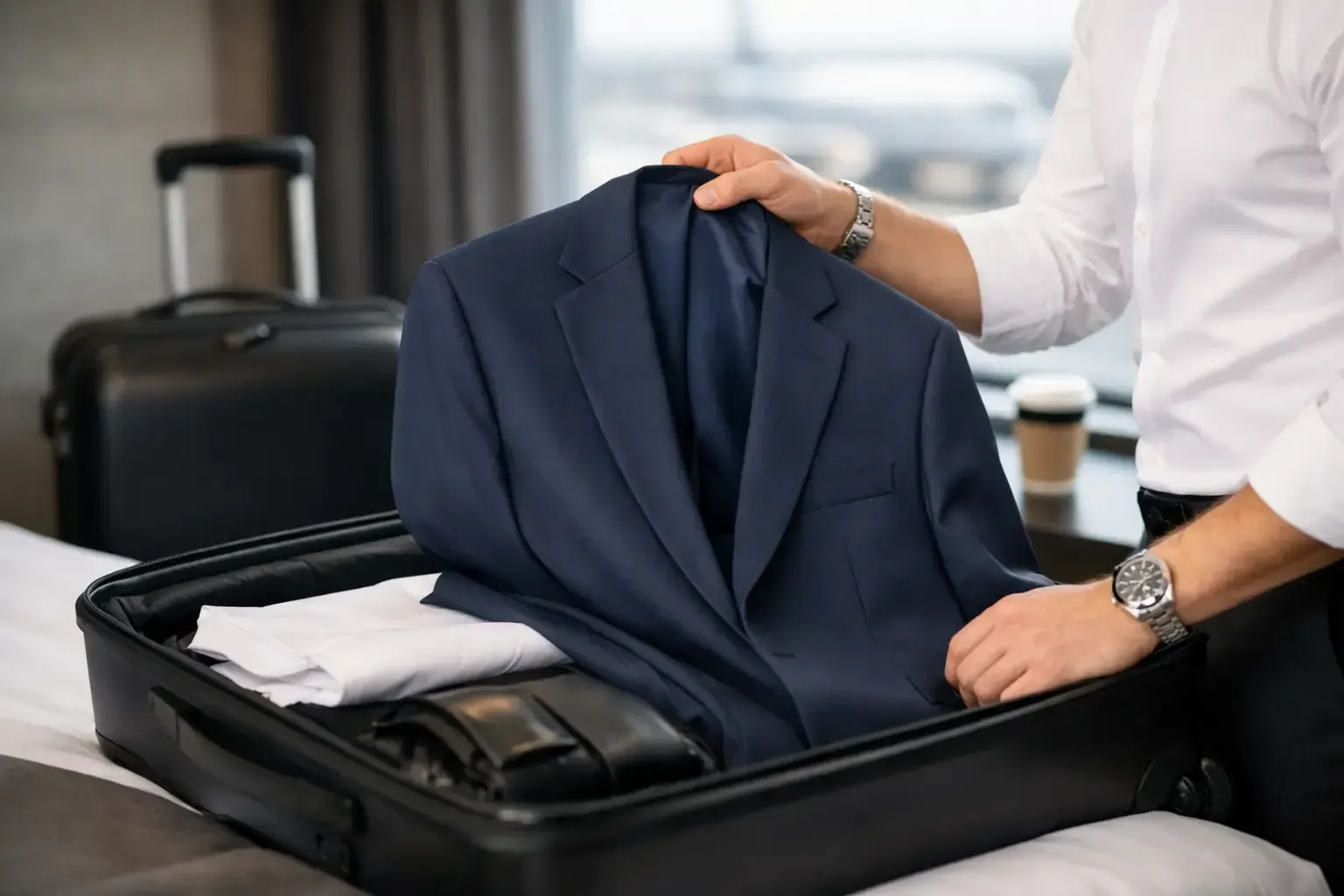
A navy suit jacket in an open suitcase, with a person’s hands arranging it beside a black bag.
July 24, 2026
Business travel suit wrinkle resistance starts with the right cloth, fit, packing method, and care. Arrive composed and ready for every meeting, on time.
Man adjusting his cuff in a clothing showroom beside folded shirts and hanging blue jackets
July 23, 2026
Why are custom shirts more comfortable? Precision fit, refined fabrics, and thoughtful details create ease, confidence, and polish from morning to night.
Black tuxedo accessories arranged on a table: bow tie, cufflinks, shoes, watch, belt, and whiskey glass
July 22, 2026
A black tie outfit checklist for men: tuxedo, shirt, shoes, accessories, and fit guidance for weddings, galas, and formal evenings with calm confidence.
Tailor adjusting a dark suit on a mannequin in a menswear boutique, with dress shoes on display.
July 21, 2026
A bespoke wardrobe for new executives delivers the confidence, fit, and versatility needed to lead well from the first meeting to the final decision daily.

Tailor adjusting a navy suit jacket on a client in a fitting room
July 20, 2026
Learn the top reasons to choose bespoke tailoring, from a precise fit and premium fabrics to personal style, lasting value, and confident presence daily.
Men’s business attire and accessories laid out on a table: suits, shirts, ties, shoes, watch, wallet, and briefcase.
July 19, 2026
A guide to business wardrobe essentials for professionals who value exceptional fit, timeless style, and a confident presence from workday to dinner plans.
Three business professionals in suits standing with arms crossed in an office setting
July 18, 2026
Learn the best suit colors for interviews, how to match the role and company, and why fit, fabric, and restraint shape a confident first impression, too.
Three formal portraits: a man in a blue suit, a man in a tuxedo, and a bride and groom kissing.
July 17, 2026
Find suits in Sugar Land designed around your build, goals, and occasion, with premium fabrics and considered details that make confidence visible daily.
Three men in suits at an outdoor wedding, with a beige groom centered between navy-clad groomsmen.
July 16, 2026
A guide to wedding suit dress code for men, from black tie to cocktail attire, with fabric, fit, and styling guidance for a polished wedding look today.
Tailor fitting a navy suit jacket on a man in a menswear shop
July 15, 2026
Find suits in Katy designed around your proportions, purpose, and personal style. Enjoy considered craftsmanship for work, weddings, and formal events.