
The question of when should you order a wedding suit usually comes up later than it should. A groom gets the venue booked, the guest list moving, the photographer confirmed, and then realizes the suit - the one he will be photographed in for the rest of his life - still has not been handled.
That timing matters. A wedding suit is not just another errand on a checklist. It affects fit, comfort, photographs, confidence, and how polished you feel from the ceremony to the last dance. If you want a garment that looks intentional rather than rushed, the right answer is simple: order earlier than you think you need to.
When should you order a wedding suit for the best result?
For a custom or bespoke wedding suit, the ideal window is four to six months before the wedding. That gives enough time for consultation, fabric selection, measurements, fittings, refinements, and any scheduling changes that naturally happen during wedding planning.
If you are pursuing a fully personalized look, this timeline gives you room to make thoughtful decisions. You can consider season, venue, time of day, color palette, and whether the suit should feel classic, formal, relaxed, or fashion-forward. It also allows the tailoring process to do what it is meant to do - refine the garment until it feels tailored to perfection.
A shorter timeline can still work, but the trade-off is fewer options and more pressure. Fabric availability may become limited. Fitting windows become tighter. Small adjustments that would normally feel easy can suddenly feel urgent.
Why four to six months is the sweet spot
Wedding attire is different from buying a business suit for next week. The expectations are higher, the styling is more personal, and the garment often carries more emotional value. Ordering several months in advance creates space for quality rather than compromise.
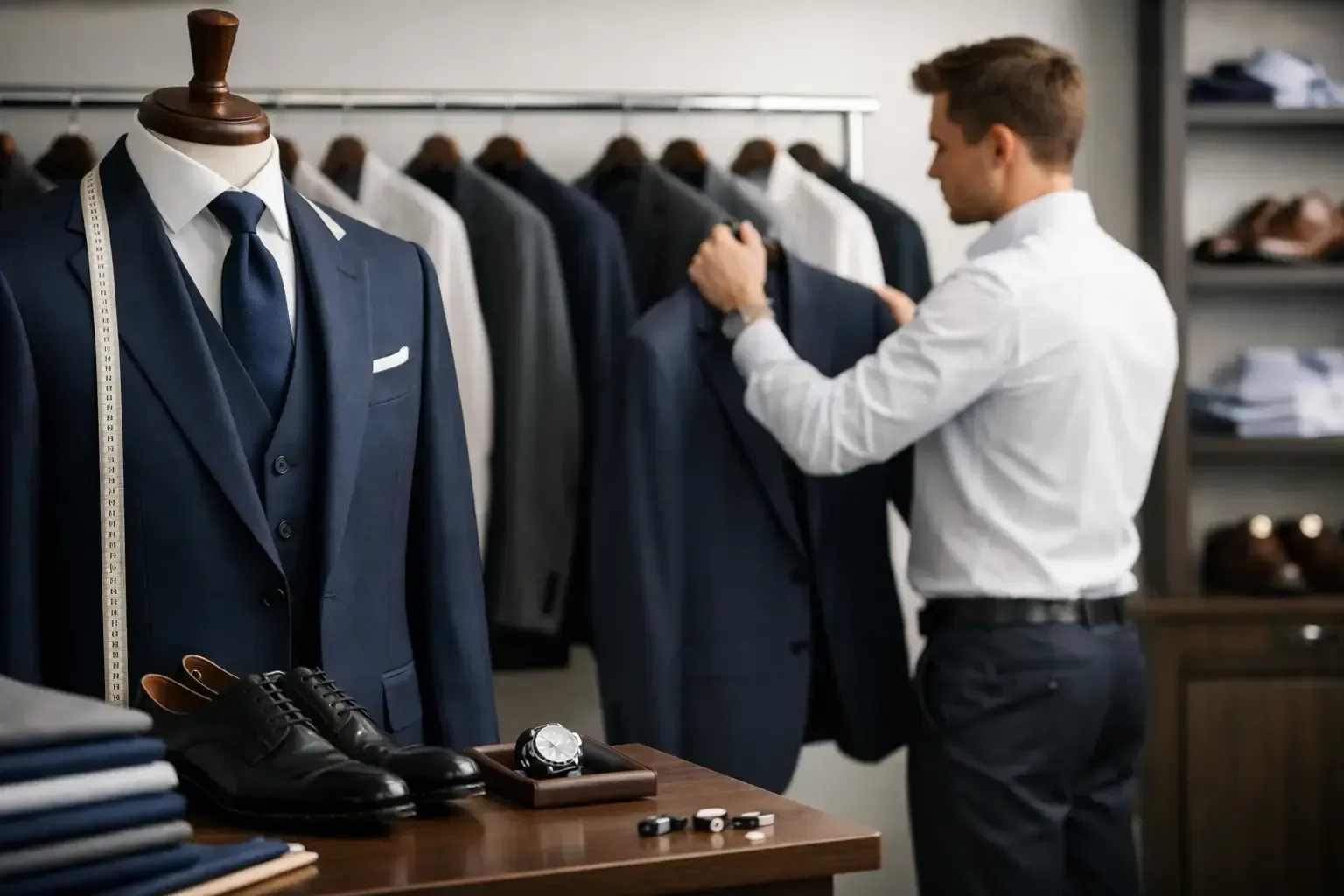
First, there is design time. A custom suit is built around choices that affect the final impression: lapel style, button stance, trouser shape, lining, fabric texture, and overall silhouette. Those details are best selected with a clear head, not under deadline pressure.
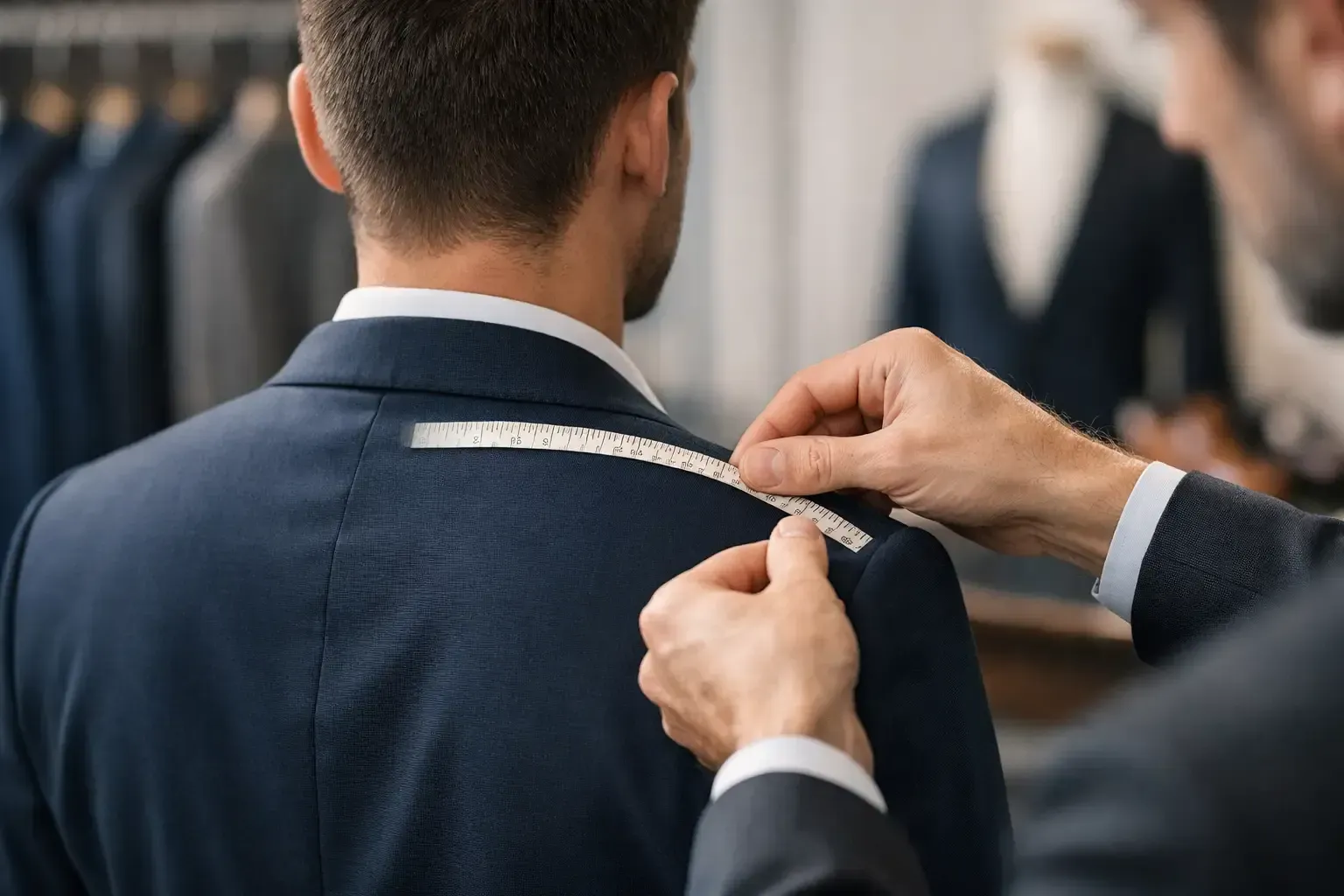
Second, there is fitting time. Even an expertly measured garment benefits from one or more fittings. Bodies are not static, and wedding garments deserve fine-tuning. The difference between a suit that fits well and one that feels exceptional often comes down to these final refinements.
Third, there is buffer time. Weddings rarely unfold exactly as planned. Travel shifts, weight fluctuates, schedules fill up, and bridal timelines change. A comfortable margin protects your look from those last-minute surprises.
What happens if you order too late?
If you wait until eight to ten weeks before the wedding, you may still secure a suit, but flexibility starts to narrow. At that point, you are likely making faster decisions on fabric and style than you otherwise would. You may also have fewer opportunities to adjust the garment after the initial fitting.
At six weeks or less, the process becomes much more dependent on availability and production capacity. That does not automatically mean failure, but it does mean you are asking for speed when the occasion really calls for precision. Rush timelines can also limit coordination with shirts, shoes, ties, and formal accessories.
The biggest cost of waiting is not only logistical. It is visual. A rushed suit can look fine, but weddings deserve more than fine. They deserve intention.
When should you order a wedding suit if it is bespoke or made to measure?
If you are going bespoke, stay in the four-to-six-month range whenever possible. Bespoke involves a more hands-on process, more design control, and often more fittings. That added attention is exactly what makes the result feel elevated, but it also means more time is appropriate.
For made-to-measure, three to five months is often a comfortable range. The pattern is adjusted to your measurements rather than drafted from the ground up, so the process can be more efficient while still delivering a far more refined result than off-the-rack.
The distinction matters because many grooms use the phrase custom broadly. If your goal is a hand-crafted garment with a highly personalized fit and design experience, assume you need more time, not less.
Your wedding season changes the timeline
Season should influence when you begin. Spring and fall are especially busy for weddings, which means tailoring calendars can fill quickly. If your wedding falls during a high-demand season, booking your consultation earlier is wise.
Fabric choices also shift by season. A summer wedding may call for lighter-weight wool, breathable blends, or a softer color palette. A fall or winter ceremony may open the door to richer tones and more textured fabrics. If you start early, you have the advantage of selecting what truly suits the setting rather than settling for what is left.
This is particularly important if you want a distinctive cloth or a specific shade. Specialty fabrics and exclusive options may have longer lead times.
Build in time for the full look
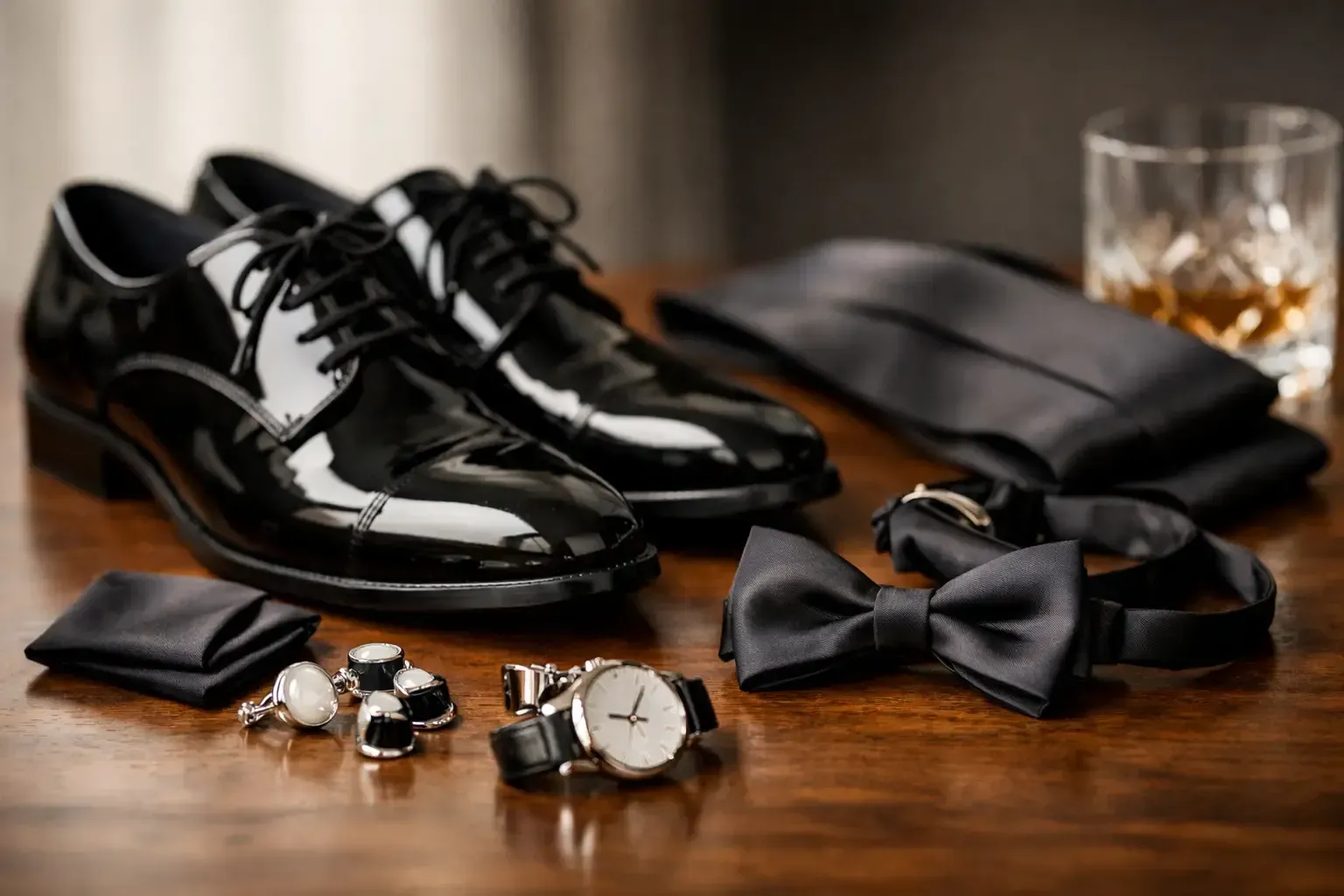
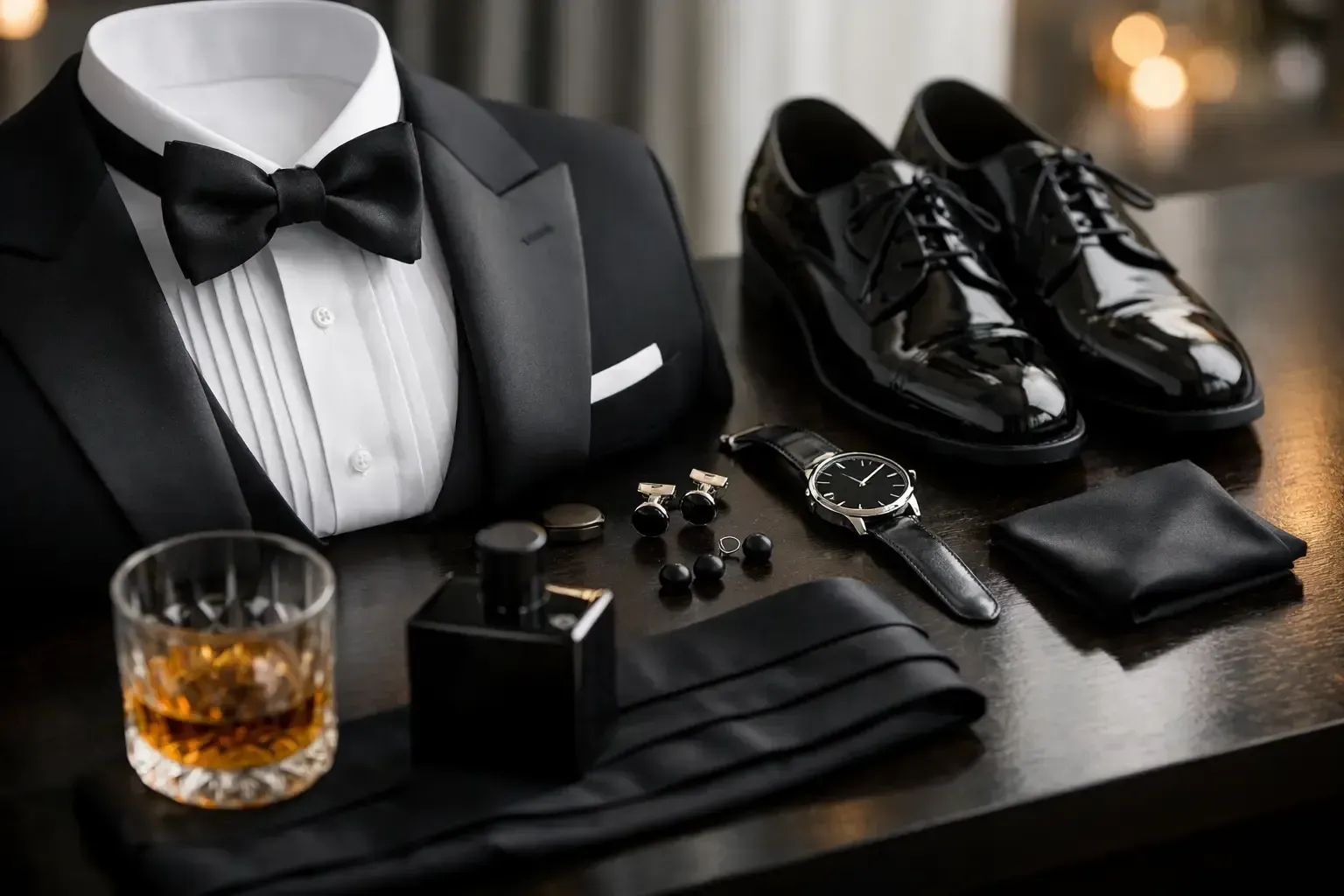
The suit is the centerpiece, but it is not the whole picture. A polished wedding appearance depends on coordination. Shirt, shoes, tie or bow tie, pocket square, belt if needed, and even outerwear should all work together.
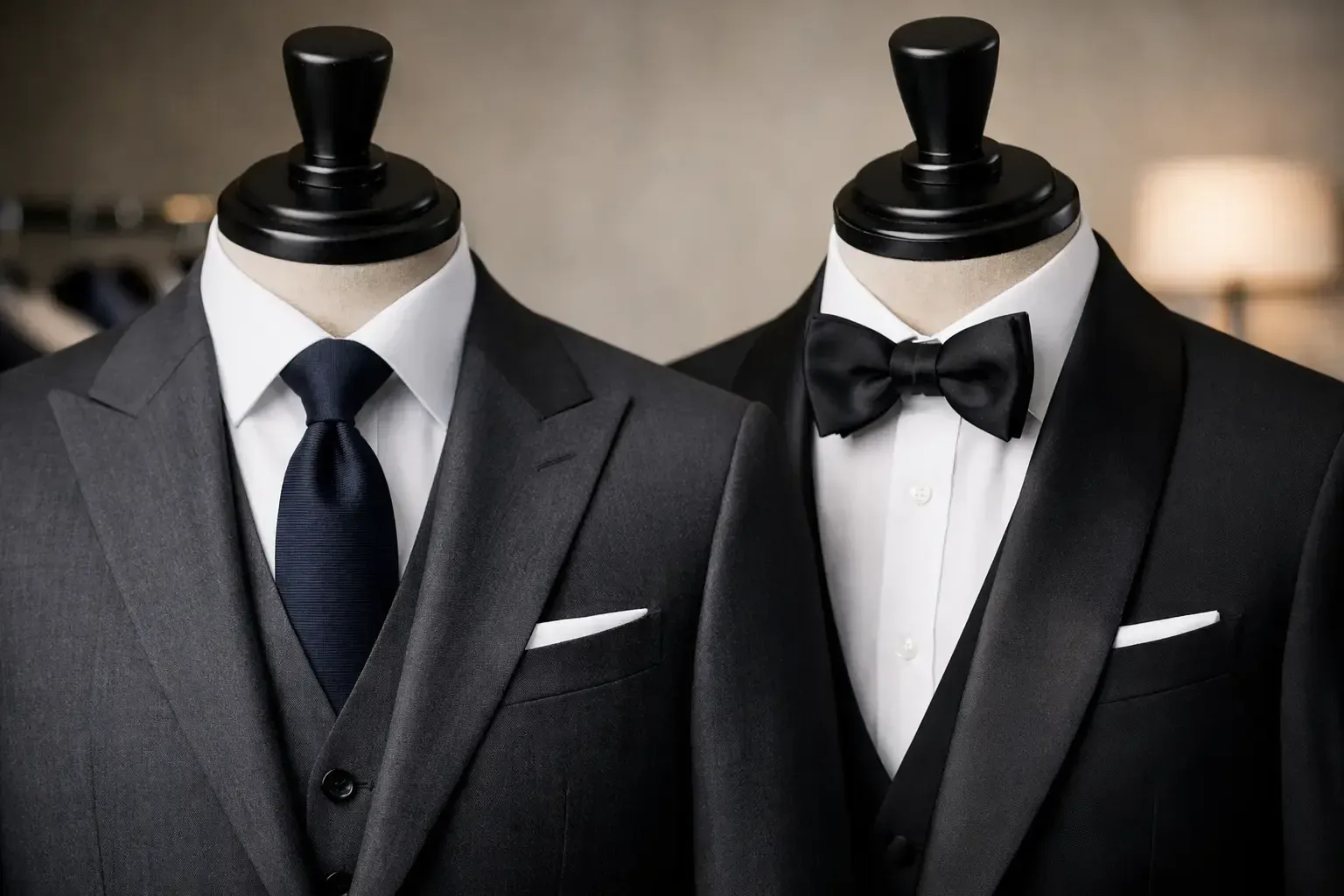
Starting early helps you style the full outfit with confidence. You can see how the fabric reads in natural light, compare formalwear options against the venue, and decide whether the look should lean timeless black tie, modern elegance, or understated sophistication.
This is also where custom clothing stands apart. The suit is not selected in isolation. It is shaped around your proportions, your taste, and the role the day asks you to play.
Do groomsmen and fathers need the same timeline?
Not always the same, but close. If the wedding party is wearing coordinated custom garments, begin as early as possible, ideally around the same four-to-six-month mark. Group fittings require scheduling, and not everyone moves quickly with measurements and follow-up appointments.
If the groom is wearing a custom suit and others are renting or purchasing off-the-rack, the groom should still go first. His look sets the standard. From there, the rest of the party can be styled in a way that complements rather than competes.
For fathers of the bride or groom, the right timing depends on whether they want a coordinated formal look or simply something elevated for the occasion. Three to four months is usually smart if they want a tailored result with proper alterations.
What if your body changes before the wedding?
This is one of the most common concerns, and it is a fair one. Some clients are actively training, adjusting their diet, or simply expect normal fluctuations due to stress and travel. That should not stop you from ordering early.
A well-managed tailoring process accounts for this. Early measurements establish the foundation, while later fittings refine the final shape. If you are planning a significant weight change, say so at the consultation. Good guidance depends on honest information.
The mistake is assuming you should wait until your body is "final." For most people, there is no perfect final moment. There is only a better process, and that process includes enough lead time to adjust intelligently.
The difference between shopping early and shopping wisely
Ordering early does not mean buying blindly. It means giving yourself the ability to choose well. The best wedding suits feel calm, considered, and personal. They reflect the formality of the occasion, flatter the wearer, and hold up beautifully in photographs from every angle.
That level of polish rarely happens by accident. It comes from expert guidance, thoughtful fabric selection, and fittings that respect how a garment should move and sit on the body. For many grooms, especially those who have struggled with off-the-rack fit, the experience is as valuable as the finished piece.
At Kamran Bespoke, that process is part of the luxury. A one-on-one consultation allows the suit to be built around the client rather than forcing the client to adapt to the garment.
A practical rule if you are unsure
If your wedding is more than six months away, now is a good time to start. If it is four months away, you should book soon. If it is under three months, move quickly and be ready to prioritize fit and availability over endless deliberation.
The earlier you begin, the more likely your suit will feel intentional instead of reactive. And for a day this important, that difference shows.
A wedding suit should never feel like the last detail you squeezed in. It should feel like one of the clearest expressions of who you are when the moment arrives.