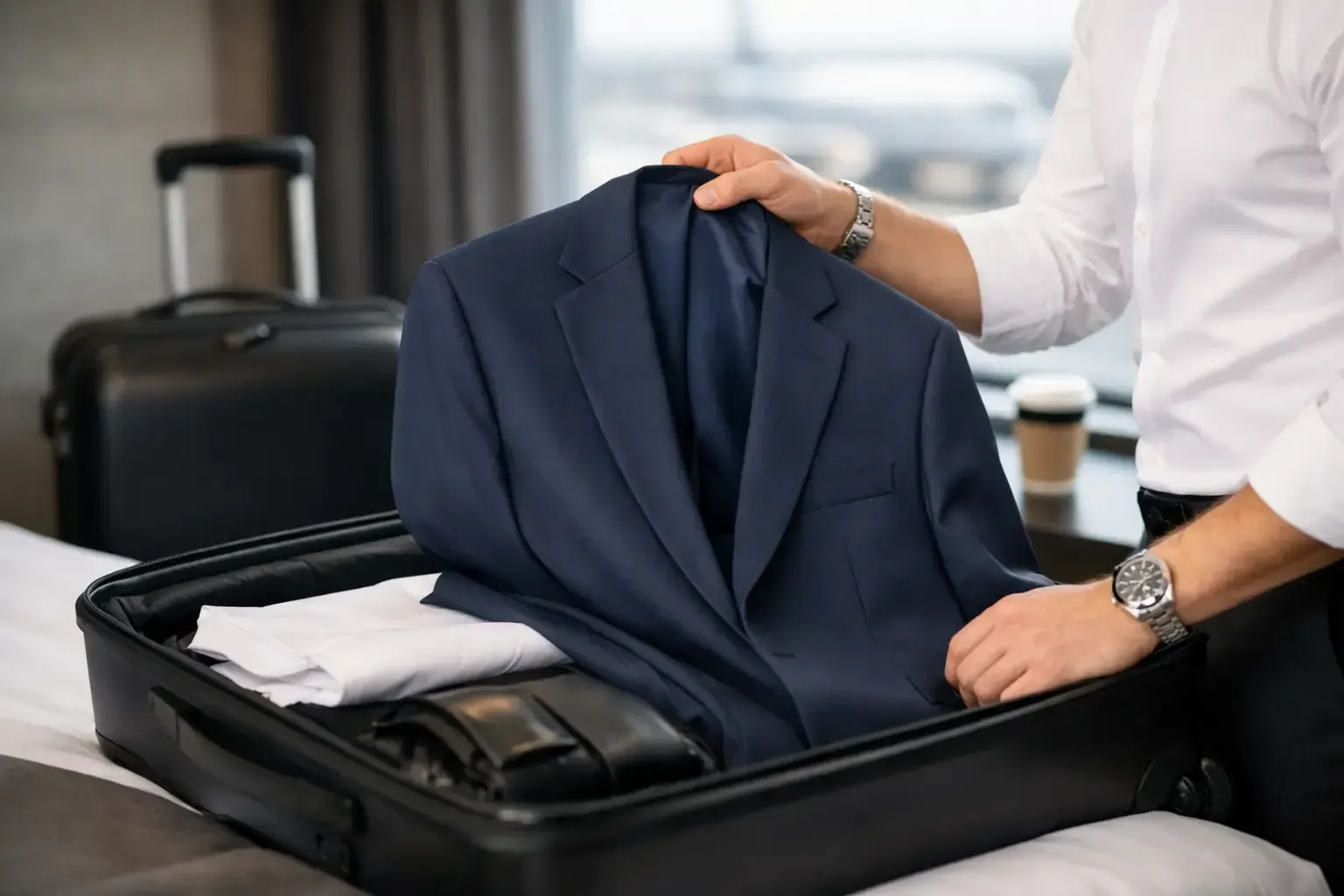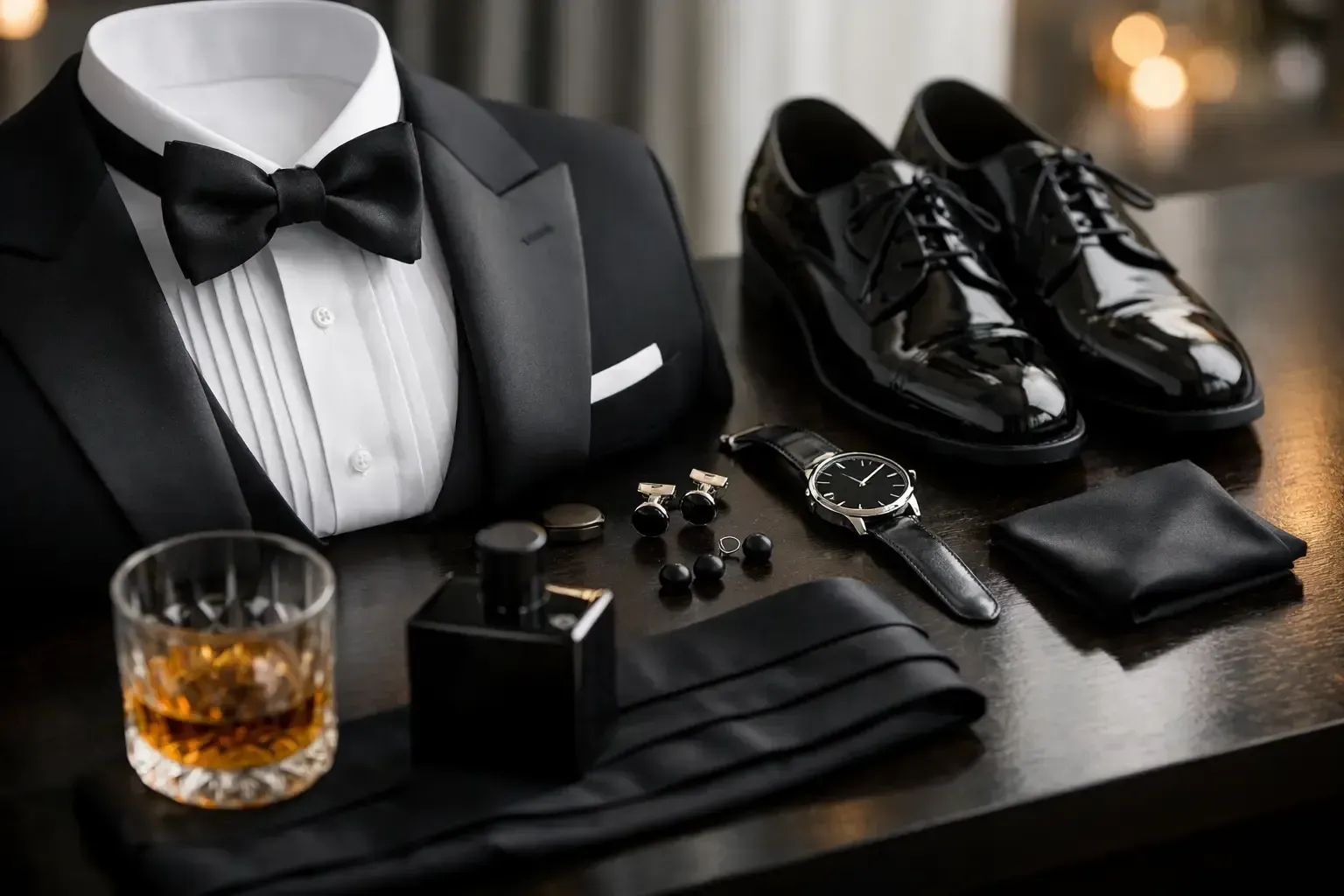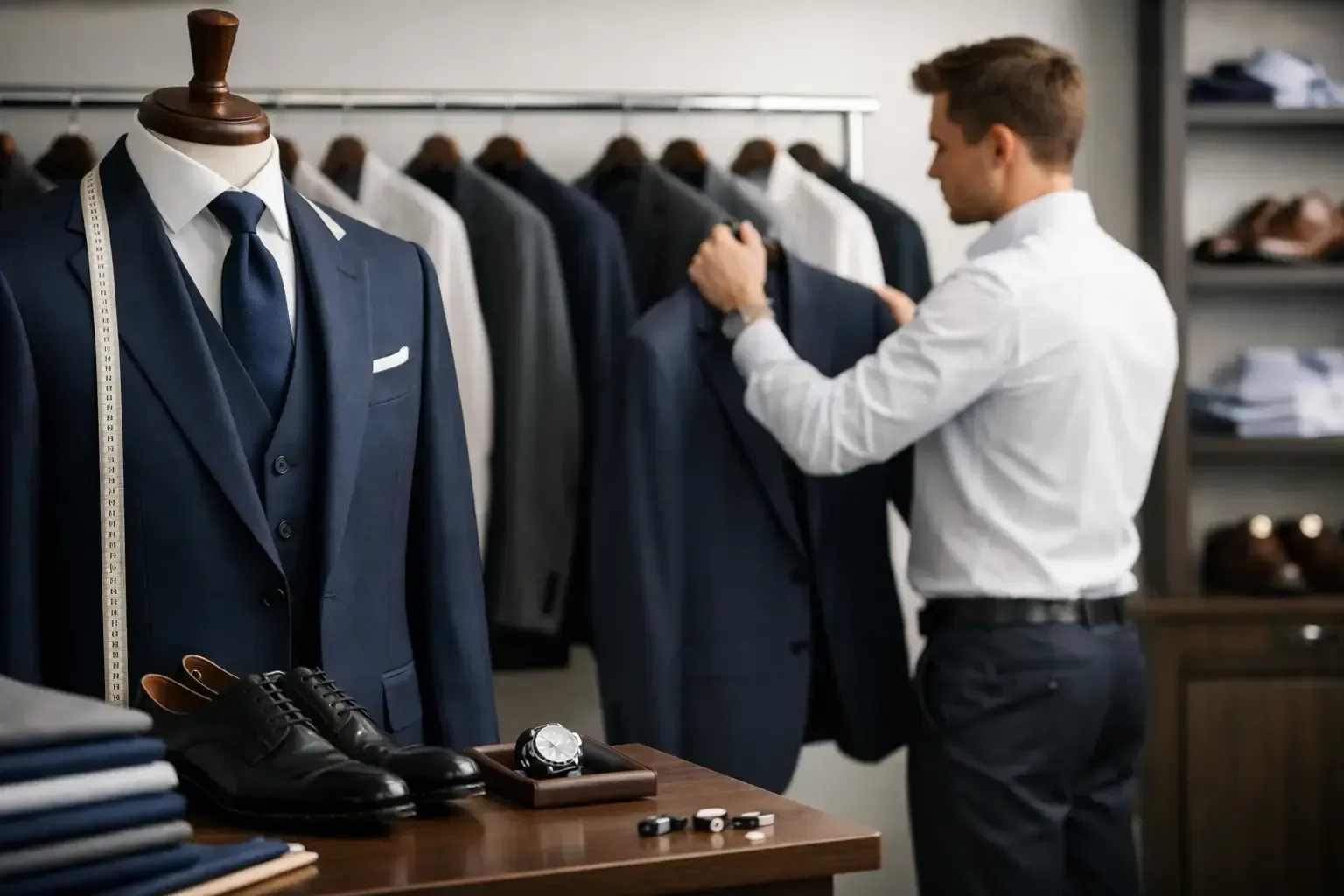


The first appointment tells you almost everything. Not just whether a suit will fit, but whether it will feel like yours - considered, flattering, and built for the way you actually live. A strong custom suit consultation guide helps you arrive prepared, ask better questions, and make decisions that lead to a garment you will want to wear for years rather than one event and one photo.
A custom consultation is not meant to be intimidating. It should feel personal, precise, and quietly enjoyable. You are not expected to know cloth mills, lapel history, or every styling term in advance. What matters most is understanding your goal, your preferences, and the role the suit needs to play in your wardrobe.
What a custom suit consultation is really for
Many clients assume the appointment starts with measurements. In reality, the best consultations start with context. Before anyone reaches for a tape measure, your tailor should learn where you plan to wear the suit, how often you expect to use it, what kind of image you want to project, and what has frustrated you about off-the-rack clothing.
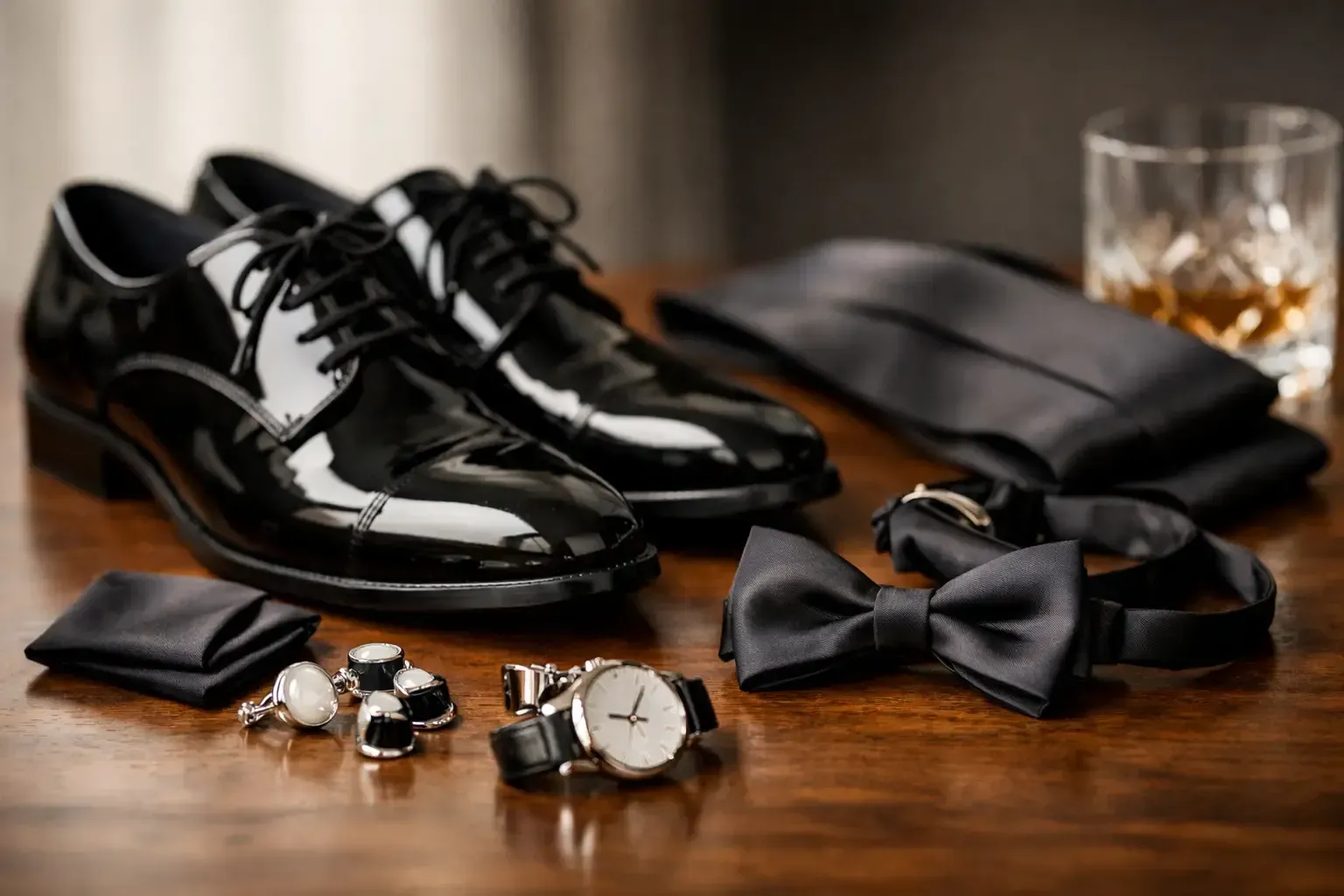
That conversation shapes every recommendation that follows. A groom needs different guidance than an executive building a weekly rotation. A client attending black-tie events needs a different fabric and finish than someone dressing for daytime business meetings in Houston heat. Even within the same category, priorities vary. Some clients want versatility. Others want presence. Some want a trim silhouette. Others care most about comfort through a long day.
This is why custom clothing feels different when it is done well. The consultation is not a sales step. It is the design foundation.
How to prepare for a custom suit consultation
Preparation does not mean overthinking. It means arriving with a clear sense of purpose. If the suit is for a wedding, know the venue, season, dress code, and your role in the event. If it is for work, think about how formal your office really is, not how formal you imagine it should be. If the suit is for broader wardrobe use, be honest about the occasions you attend most often.
It also helps to think about what you usually dislike in ready-made clothing. Maybe jackets pull across the chest, sleeves always land too long, or trousers fit the waist but not the seat and thigh. Maybe the issue is less technical and more visual - the shoulder looks too wide, the coat feels boxy, or the overall shape lacks refinement. These details give your tailor a much clearer starting point than simply saying, "I want something sharp."
Photos can help, but only if you use them wisely. Bring references that reflect what you genuinely want to wear, not what looks good on someone with a very different build or lifestyle. An experienced clothier will use inspiration as a guide, then adjust for proportion, practicality, and personal taste.
The custom suit consultation guide to fit first decisions
Fit is the reason most people pursue custom clothing in the first place, yet fit is often misunderstood. A suit should not just be tight enough to look modern. It should create balance. The shoulder line, chest shape, jacket length, waist suppression, sleeve pitch, rise of the trouser, and break at the hem all work together.
During a consultation, expect a conversation about how you like your clothing to sit on the body. Some clients want a clean, close silhouette. Others want a little more room through the torso and leg for ease and mobility. Neither is inherently better. The right choice depends on your frame, your comfort, and the image you want the suit to project.
This is where expert guidance matters most. A very slim cut can look elegant on one client and restrictive on another. A fuller trouser can feel timeless and sophisticated, or simply too generous if the proportions are not handled carefully. Precision fit is not about chasing trends. It is about creating a silhouette that flatters you specifically.
Fabric choices shape more than appearance
Fabric is usually the most enjoyable part of the appointment, but it is also one of the most important. Weight, texture, drape, breathability, and finish all affect how the suit performs in real life.
For many clients, the temptation is to choose solely by color. Color matters, of course, but cloth should suit the purpose. A year-round business suit often benefits from a versatile wool with enough structure to hold shape and enough breathability for regular wear. A wedding suit may allow for more visual personality, whether through a richer tone, elevated texture, or a fabric with a slightly more luxurious hand. A cooler-weather garment can support a heavier cloth with more depth, while a warm-climate wardrobe usually benefits from lighter options that still maintain polish.
There are trade-offs. Lighter fabrics can feel more comfortable in heat, but they may wrinkle more easily or drape with less authority. Bolder patterns can create distinction, but they are not always as flexible across occasions. A fabric that feels spectacular in the consultation room may not be the right choice if the suit will spend long hours in travel, outdoor photos, or frequent office wear. The best selection is not the most expensive or dramatic. It is the one that aligns with your life.
Design details that make the suit personal
The consultation is where individuality takes shape. This does not mean every suit needs contrast buttonholes or an attention-grabbing lining. Personalization works best when it feels intentional.
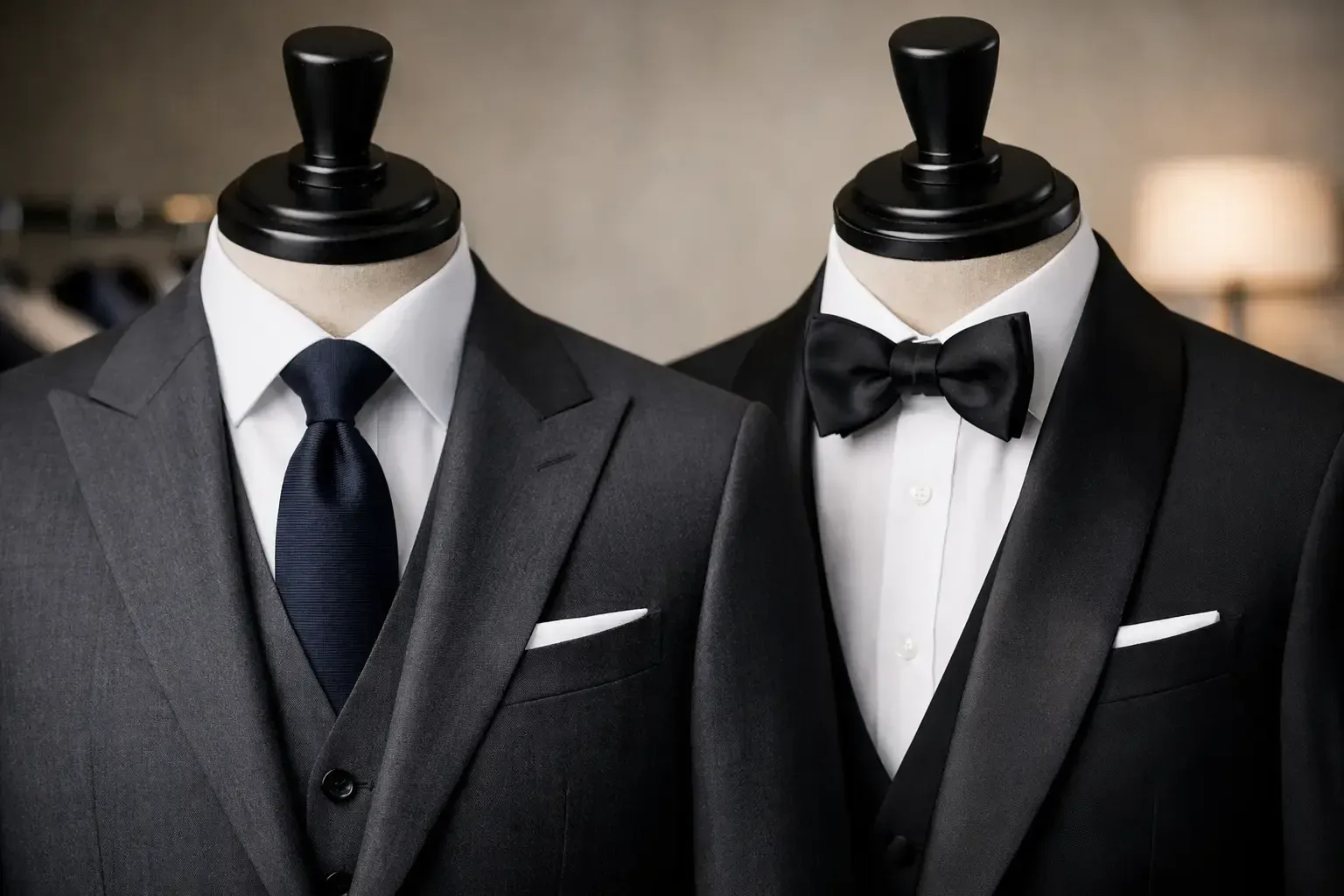
Lapel style, pocket design, button stance, vents, lining, cuff treatment, trouser pleats, side adjusters, and monogram details all contribute to the final result. Small choices can have a strong visual effect. A peak lapel creates more formality and presence. A notch lapel often feels versatile and understated. Side tabs on trousers offer a cleaner waistline than a belt. A custom lining can add personality, but if the rest of the design is conservative, that hidden detail may be exactly the right place to express it.
The key is restraint. A truly refined custom suit rarely relies on too many statements at once. When proportion, fabric, and fit are handled beautifully, the details support the garment rather than compete with it.
What to expect from measurements and fittings
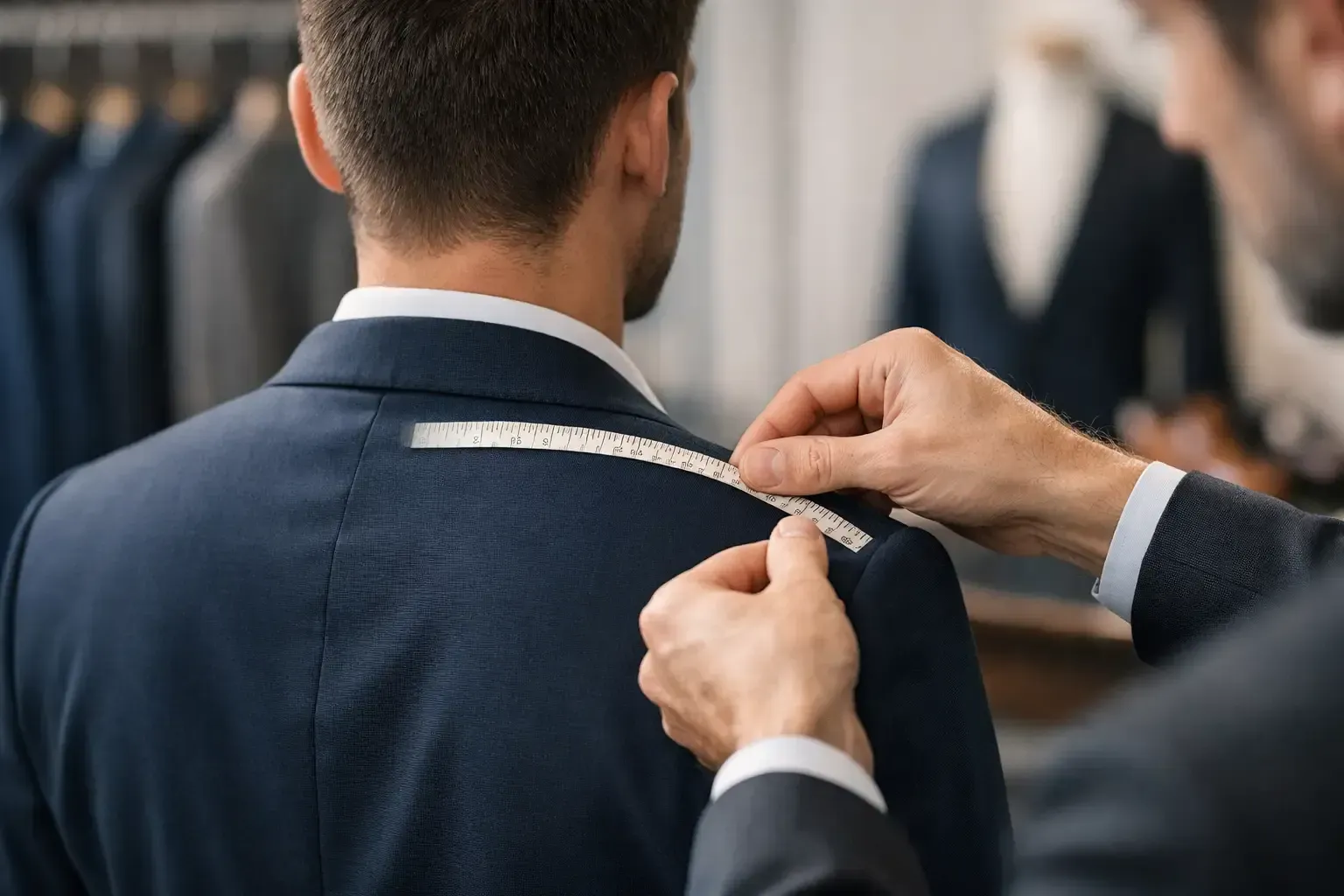
Once the design direction is established, measurements begin. This stage is more nuanced than recording chest, waist, and inseam. A careful fitter observes posture, shoulder balance, arm position, seat shape, and other factors that affect how a garment hangs on the body.
For clients with fit challenges, this is often the moment custom clothing starts to make immediate sense. If you are tall and slim, broad through the shoulders, athletic through the seat and thigh, or simply tired of compromise, the consultation should address those realities directly. Good custom work does not force your body into a standard block. It builds around your proportions.
Depending on the garment and method, there may be one fitting or several. That timeline can vary, and it is worth discussing upfront if your suit is tied to a firm event date. Custom requires planning. If you wait until the last minute, your options narrow. The better experience is one with enough time for proper refinement.
Questions worth asking during the consultation
A thoughtful client usually gets a better result, not because the client knows more than the tailor, but because clarity leads to better decisions. Ask what fabric is most suitable for your intended use. Ask how the silhouette will wear over time. Ask whether a certain detail improves versatility or limits it. If this is your first custom garment, ask which options are worth prioritizing and which can be kept classic.
It is also smart to ask about care, wear frequency, and coordination. A suit does not live in isolation. The shirt, shoes, tie, and occasion all influence what the final garment should be. A polished consultation should help you see the full picture, not just the jacket on a hanger.
Why the right consultation builds confidence before the suit is finished
A successful appointment leaves you feeling understood. You should come away with more certainty, not more confusion. That is the mark of true service and craftsmanship - expert guidance that sharpens your choices while keeping the process personal.
For clients investing in custom clothing for the first time, that feeling matters. The garment itself is important, but so is the experience of knowing that every decision was made with care. At Kamran Bespoke, that attention is part of what turns a fitting into something more meaningful than a transaction.
The best suit rarely begins with a fabric book or a mirror. It begins with a conversation that respects your time, your standards, and the moment you are dressing for. When the consultation is done well, the finished garment does more than fit. It carries your presence with ease.