
Share this article

The moment a jacket settles cleanly across your shoulders and the trousers break exactly where they should, you understand why a bespoke suit fitting guide matters. A truly custom suit does more than look expensive. It feels composed, comfortable, and unmistakably yours from the first fitting to the final wear.

For many men, the frustration starts with compromise. Off-the-rack sizing may fit the chest but pull at the waist, sit well at the shoulders but leave too much fabric through the sleeve, or work for standing still but not for moving naturally through a workday or event. Bespoke changes that equation. It is a process built around your proportions, your preferences, and the way you want to present yourself.

What a bespoke suit fitting guide should help you understand

A proper bespoke suit fitting guide is not only about measurements. It should prepare you for how the garment is shaped over time and why each fitting matters. Bespoke tailoring is a conversation between craftsmanship and the client. The goal is not simply to produce a suit that is tighter, slimmer, or more fashionable. The goal is balance.

That balance includes the way the coat frames your torso, how the collar sits against the neck, how the sleeves complement your posture, and how the trousers lengthen the leg without strain or excess fabric. Every decision affects another. A stronger shoulder can change the look of the chest. A higher trouser rise can improve proportion through the entire silhouette. This is why bespoke is best approached as a guided experience rather than a quick transaction.

The first consultation sets the direction

Your first appointment establishes far more than size. This is where your tailor learns how the suit will be worn, what image you want to project, and which design details suit your lifestyle. A wedding suit, for example, should not be approached exactly like a boardroom suit. An evening tuxedo calls for different priorities than a versatile navy suit meant for frequent business use.

During consultation, expect discussion around fabric, seasonality, construction, lapel shape, button stance, trouser style, lining, and finishing details. This stage also addresses fit preferences. Some clients want a clean, close silhouette. Others prefer more room through the chest or a softer drape through the leg. Neither is automatically right. The best fit depends on body shape, comfort, and purpose.

This is also where an experienced tailor can protect you from common mistakes. Men often request a suit that is too tight because they associate slimness with sophistication. In reality, a suit that pulls at the button, grips the seat, or restricts movement looks less refined, not more. Elegance comes from precision, not pressure.

Measurements are only the starting point

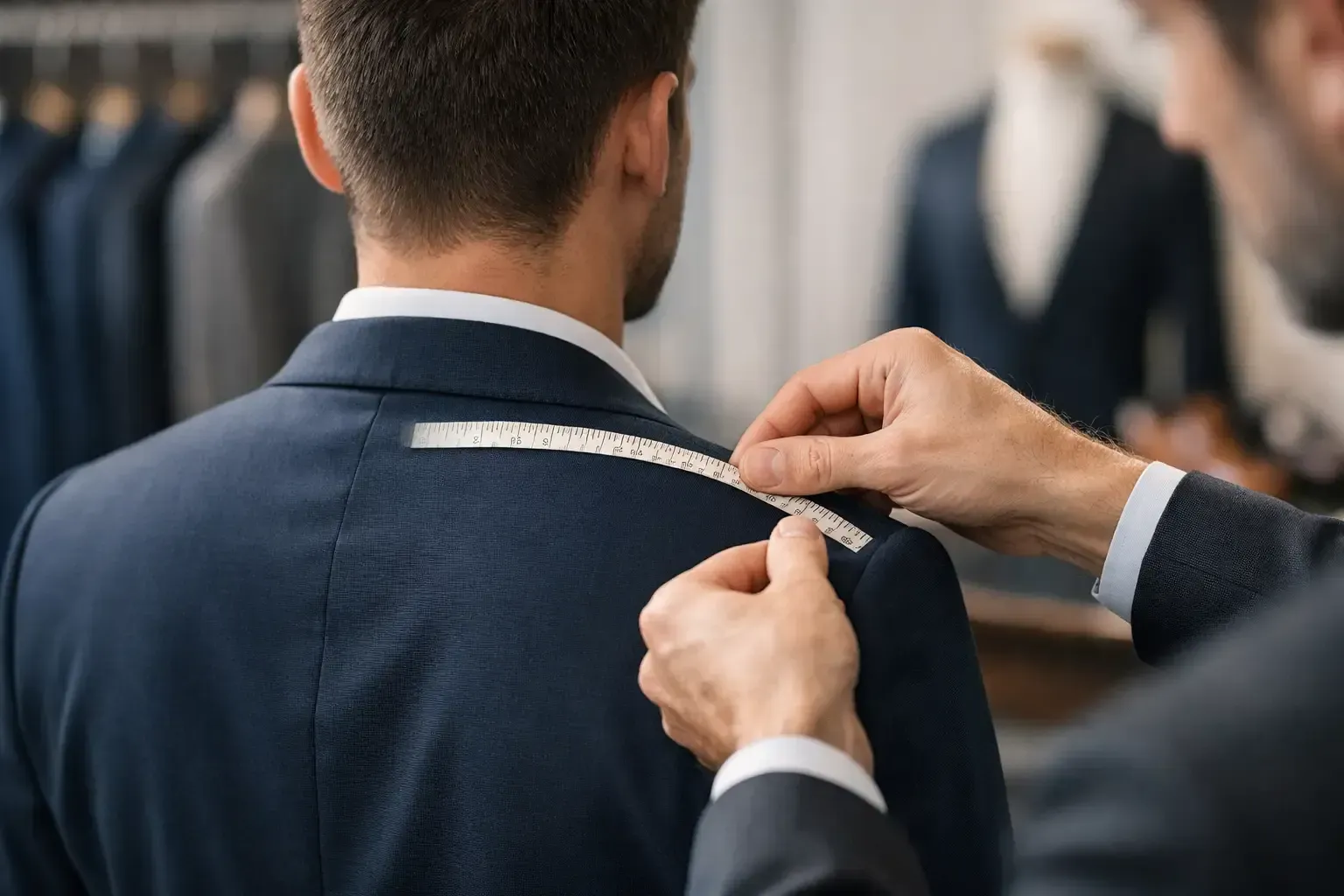
Many clients assume measurements alone create a custom fit. They do not. Measurements are essential, but they are just the framework. A strong bespoke process also accounts for posture, shoulder slope, stance, arm position, balance from front to back, and asymmetry from one side of the body to the other.

Very few people are perfectly even. One shoulder may sit slightly lower. One arm may hang differently. The chest may be more prominent on one side. These details are exactly why bespoke clothing can feel so different from made-for-many garments. The suit is not being forced onto an average body. It is being shaped around your actual one.

That is especially valuable for men with fit challenges. Slender clients often struggle with excess fabric and narrow proportions that standard sizing cannot handle well. Broader clients may find that ready-made suits create pulling through the jacket front or too much volume in the trouser leg. Bespoke gives each body type a more considered solution.

What happens during the first fitting

The first fitting is where the suit begins to reveal its shape. Depending on the tailoring process, this may happen in a partially constructed form that allows the tailor to assess balance and make larger structural adjustments before the garment is finished.

At this stage, the focus is rarely on tiny cosmetic details. Instead, your tailor is evaluating the architecture of the suit. Is the jacket hanging cleanly from the shoulders? Does the collar stay close to the neck? Is there enough room through the chest and upper back? Are the trousers sitting at the intended height and falling properly through the hip and thigh?

Clients sometimes worry when the first fitting is not perfect. That is normal. Bespoke is designed to be refined in stages. Early fittings catch what cannot be solved by simple hemming or waist suppression later. The process works because it allows correction before the garment is finalized.

The details that define a great fit

A well-fitted bespoke suit should feel secure without feeling stiff. The shoulder line should appear clean and natural, not padded into an artificial shape unless that is an intentional design choice. The jacket collar should rest neatly against the shirt collar without gaping. The chest should look smooth, and the buttoning point should flatter the body rather than cut it in half.

Sleeve length matters because it frames the shirt cuff and affects the jacket's overall polish. Jacket length matters because it influences visual proportion, especially for men who want to appear taller, broader, or leaner. Trousers should sit comfortably at the chosen rise and drape cleanly without twisting.

Break is another area where preference and polish meet. A slight break creates a crisp, contemporary finish. A fuller break can feel more traditional. Neither is universally better. The right choice depends on the style of the suit, the shoe, and the look you want.

Why second and final fittings matter

A second fitting typically moves from structure to refinement. Once the main shape is established, attention turns to sleeve pitch, trouser taper, waist suppression, jacket skirt balance, and finishing proportions. This is where the suit starts to feel less like a tailored garment in progress and more like an extension of your posture and movement.

Final fittings are about precision. Small changes can have a major visual effect. A quarter inch at the sleeve, a subtle adjustment at the waist, or a cleaner line through the trouser leg can elevate the entire garment. The difference is often quiet, but that is the point. The suit should look effortless.

This is also when honesty matters. If the jacket feels restrictive while sitting, say so. If you prefer more room through the thigh or a cleaner taper below the knee, mention it. Bespoke service is personal by design. The best results come when the tailor understands not only what looks right, but what feels right to you.

How to prepare for your bespoke suit fitting guide experience

If you want the best result, arrive with clarity about where and how you will wear the suit. Bring the dress shoes you expect to pair with it if possible, especially for trouser length. Wear or discuss the shirt style you plan to use most often, since collar shape and cuff exposure influence jacket proportions.

It also helps to be realistic about body changes. If you are in the middle of significant weight fluctuation, timing matters. A bespoke garment is built for precision, and that precision is strongest when your measurements are relatively stable.

Most importantly, trust the process. A skilled tailor is not just recording numbers. He is interpreting silhouette, comfort, and occasion. At Kamran Bespoke, that experience is shaped around one-on-one attention, premium cloth, and garments tailored to perfection for the moments that matter most.

A bespoke suit fitting guide is really about confidence

The strongest bespoke results are not always the flashiest. They are the ones that allow you to walk into a meeting, stand at the altar, attend a gala, or host an important evening feeling composed and fully at ease. You are not adjusting your jacket every few minutes or wondering whether the trousers sit correctly. You are simply present.

That is the real value of bespoke tailoring. It respects your individuality while delivering timeless craftsmanship and modern luxury in equal measure. When a suit is fitted with care, it does more than complement your body. It supports the way you carry yourself, and people notice.

A great fitting does not ask you to become someone else. It helps you look like yourself at your absolute best.

Recent Posts

A navy suit jacket in an open suitcase, with a person’s hands arranging it beside a black bag.
July 24, 2026
Business travel suit wrinkle resistance starts with the right cloth, fit, packing method, and care. Arrive composed and ready for every meeting, on time.

Man adjusting his cuff in a clothing showroom beside folded shirts and hanging blue jackets
July 23, 2026
Why are custom shirts more comfortable? Precision fit, refined fabrics, and thoughtful details create ease, confidence, and polish from morning to night.
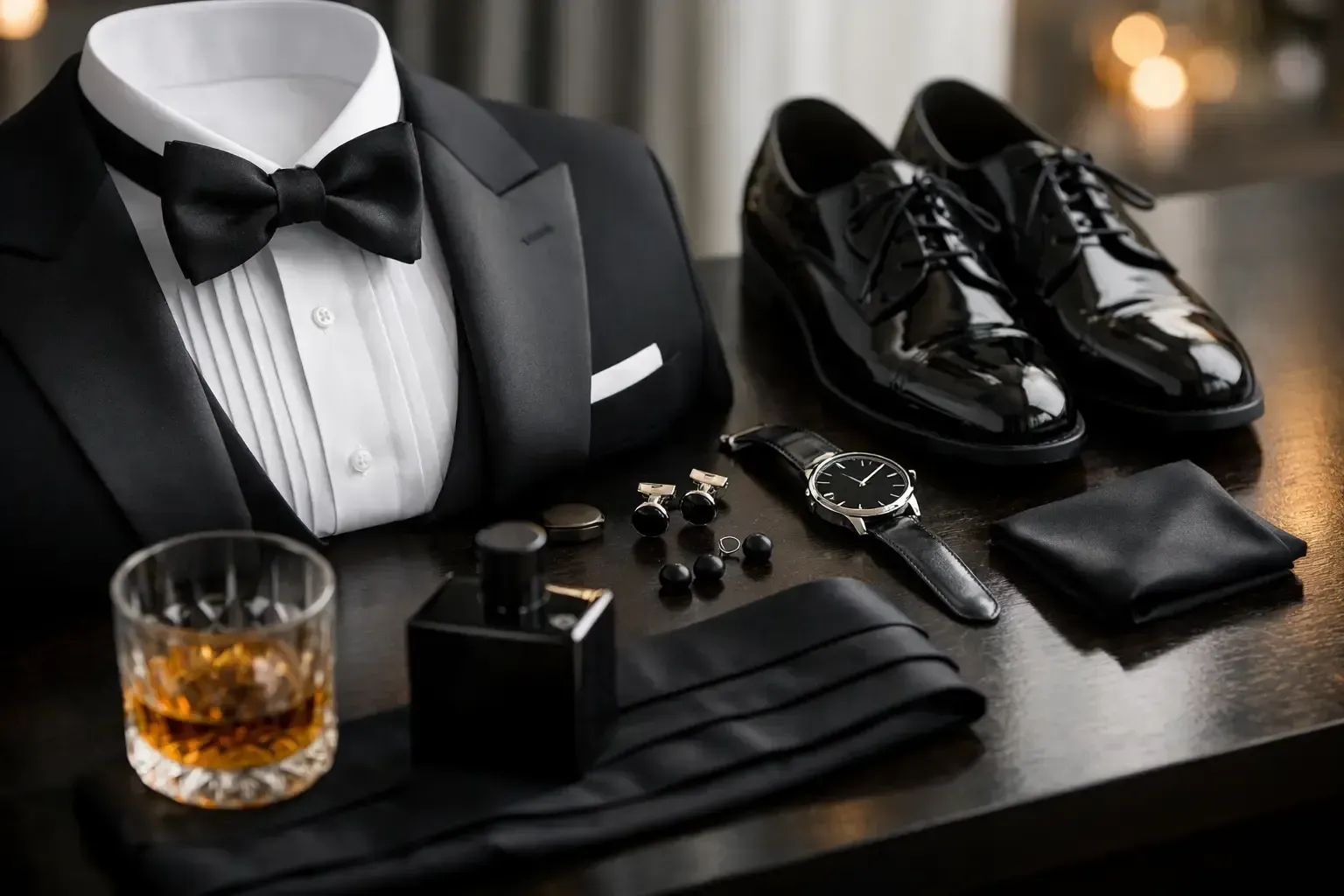
Black tuxedo accessories arranged on a table: bow tie, cufflinks, shoes, watch, belt, and whiskey glass
July 22, 2026
A black tie outfit checklist for men: tuxedo, shirt, shoes, accessories, and fit guidance for weddings, galas, and formal evenings with calm confidence.
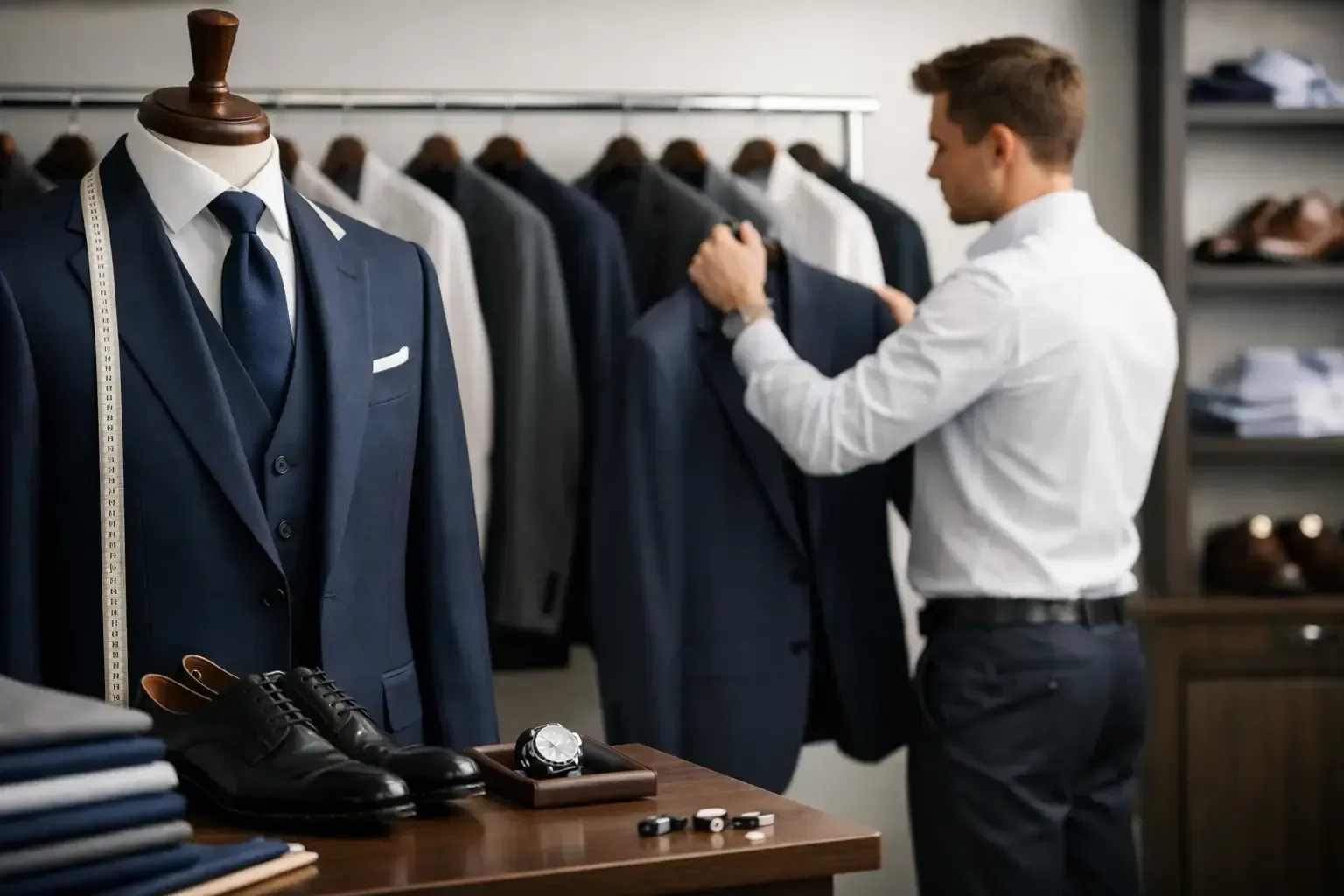
Tailor adjusting a dark suit on a mannequin in a menswear boutique, with dress shoes on display.
July 21, 2026
A bespoke wardrobe for new executives delivers the confidence, fit, and versatility needed to lead well from the first meeting to the final decision daily.

Tailor adjusting a navy suit jacket on a client in a fitting room
July 20, 2026
Learn the top reasons to choose bespoke tailoring, from a precise fit and premium fabrics to personal style, lasting value, and confident presence daily.
Men’s business attire and accessories laid out on a table: suits, shirts, ties, shoes, watch, wallet, and briefcase.
July 19, 2026
A guide to business wardrobe essentials for professionals who value exceptional fit, timeless style, and a confident presence from workday to dinner plans.
Three business professionals in suits standing with arms crossed in an office setting
July 18, 2026
Learn the best suit colors for interviews, how to match the role and company, and why fit, fabric, and restraint shape a confident first impression, too.
Three formal portraits: a man in a blue suit, a man in a tuxedo, and a bride and groom kissing.
July 17, 2026
Find suits in Sugar Land designed around your build, goals, and occasion, with premium fabrics and considered details that make confidence visible daily.
Three men in suits at an outdoor wedding, with a beige groom centered between navy-clad groomsmen.
July 16, 2026
A guide to wedding suit dress code for men, from black tie to cocktail attire, with fabric, fit, and styling guidance for a polished wedding look today.
Tailor fitting a navy suit jacket on a man in a menswear shop
July 15, 2026
Find suits in Katy designed around your proportions, purpose, and personal style. Enjoy considered craftsmanship for work, weddings, and formal events.