
The best dressed groom in the room rarely looks trendy for trend’s sake. He looks precise, comfortable, and unmistakably like himself. That is exactly why modern wedding suit trends are moving away from one-size-fits-all styling and toward a more personal standard - cleaner fit, better fabric, richer texture, and details that feel considered rather than forced.
For today’s groom, the suit is no longer just a formal requirement. It is part of the atmosphere of the day, part of the photographs that will last for decades, and part of how he carries himself from the ceremony to the final dance. The strongest style choices are not always the loudest ones. They are the ones tailored to the setting, the season, and the man wearing them.
What modern wedding suit trends are really about
The most notable shift in wedding suiting is not a single color or silhouette. It is the expectation of individuality. Grooms want attire that feels elevated and current, but they also want longevity. That changes the conversation.
A sharply tailored suit in a refined neutral often has more staying power than a look built entirely around novelty. That does not mean wedding style has become conservative. It means modern luxury is showing up in more thoughtful ways - a softer shoulder, a richer fabric, a distinctive lining, a peak lapel on a clean single-breasted coat, or a tonal palette that reads sophisticated in person and in photos.
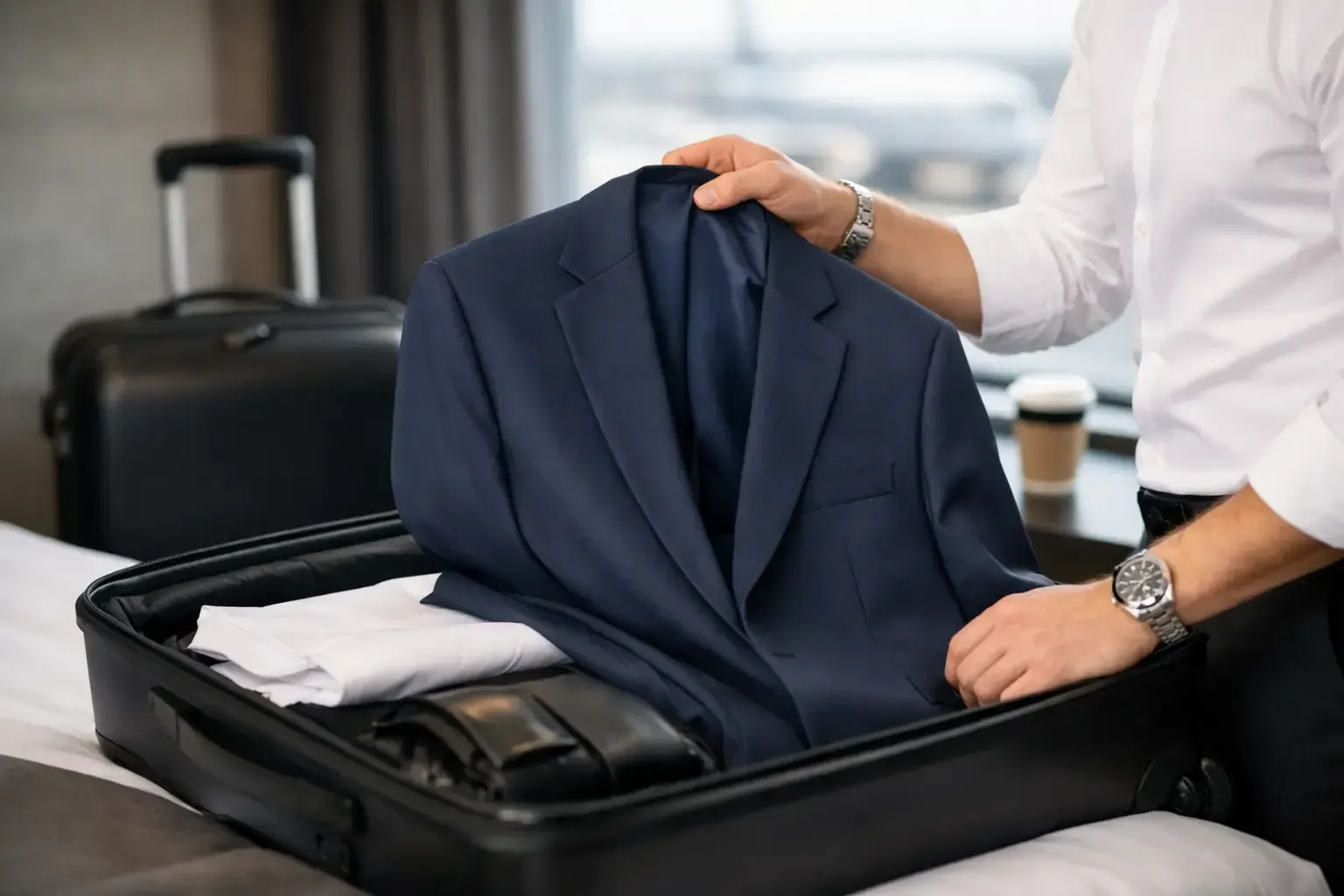
There is also a practical side to this shift. Weddings now span vineyard ceremonies, black-tie hotel receptions, private estate gatherings, destination weekends, and cultural celebrations with multiple events. A groom’s suit has to make sense for the setting. What looks ideal in a candlelit ballroom may feel heavy at an outdoor Texas wedding in late spring. Good style starts with context.
The fit is slimmer in spirit, not tighter in practice
One of the most important modern wedding suit trends is the move toward a cleaner silhouette without the restrictions of ultra-skinny tailoring. The era of overly tight jackets and sharply pinched trousers is giving way to something more flattering and more refined.
Today’s preferred fit is close to the body, but not strained. Jackets are shaped through the waist without pulling at the button. Trousers are streamlined, often with a gentle taper, but still allow ease of movement. The result is elegant rather than aggressive.
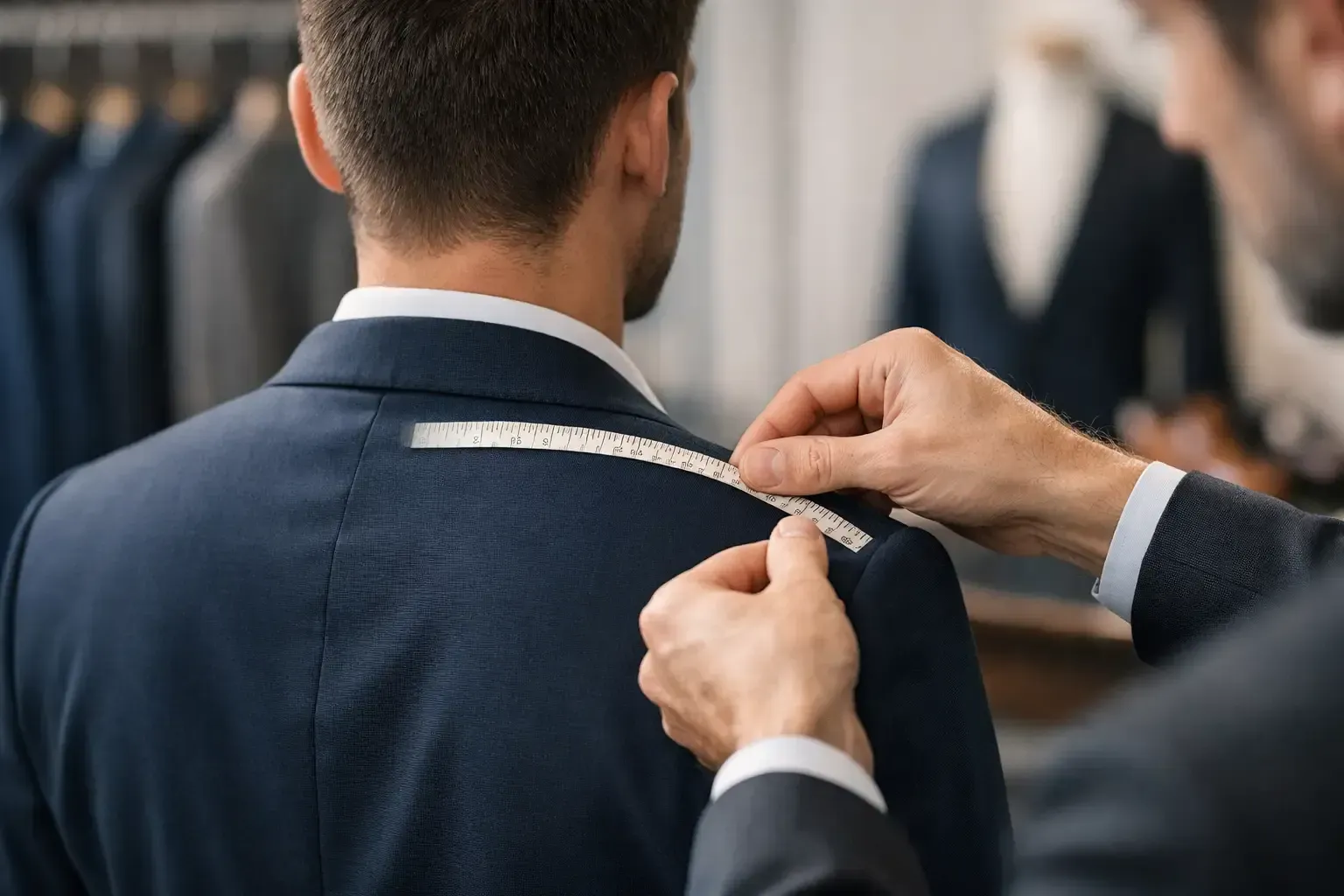
This matters even more on a wedding day, when comfort affects confidence. A groom who is constantly adjusting his sleeves, tugging at his trouser waistband, or feeling restricted through the shoulders will never look fully at ease. Precision fit creates calm. It allows the garment to photograph beautifully and wear well for hours.
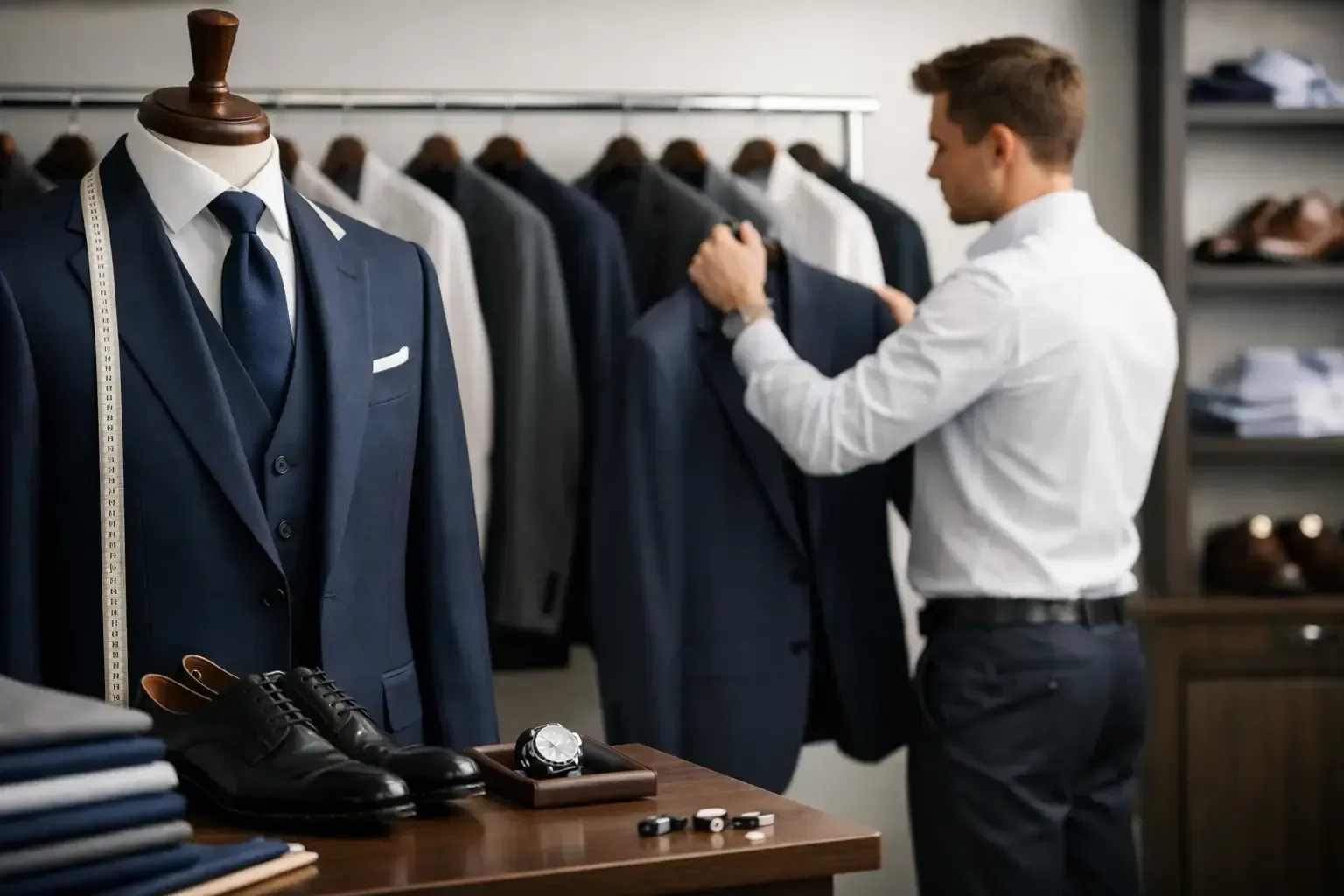
For men with fit challenges, this trend is especially important. Very slender clients, athletic builds, and men who find off-the-rack proportions unbalanced benefit most from a custom approach. A modern silhouette only works when it is cut to the individual, not copied from a mannequin.
Color is expanding beyond standard navy and black
Navy remains a strong choice, and black still holds its place for formal evening weddings and tuxedos. But modern wedding suiting has opened the door to a broader, more expressive color range.
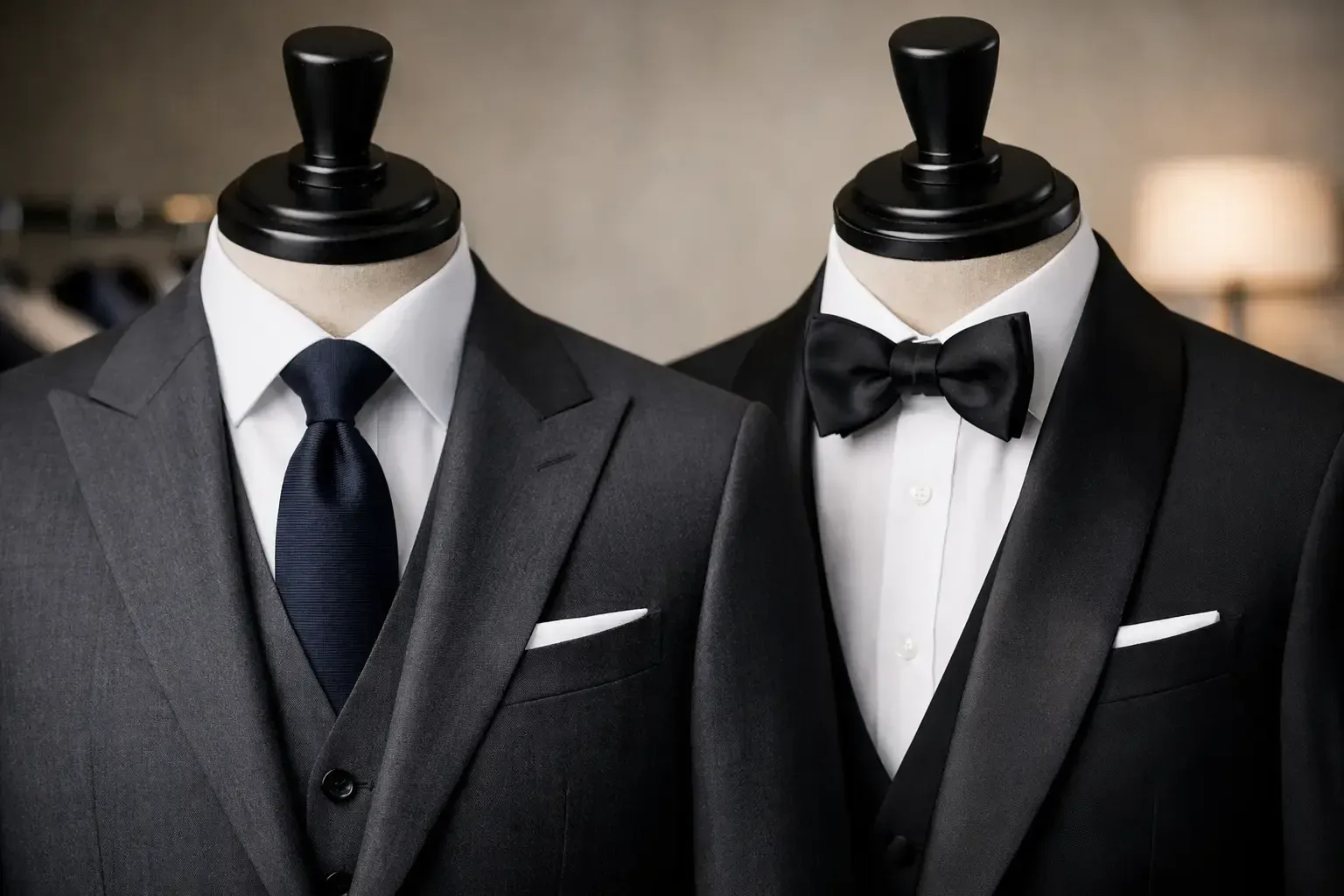
Midnight blue continues to stand out because it offers formality with more depth than black. It reads rich under evening light and tends to photograph exceptionally well. Charcoal remains an understated option for grooms who want gravitas without feeling overly conventional.
At the same time, earth tones and softened neutrals are becoming more common, especially for daytime and outdoor weddings. Olive, tobacco, taupe, light gray, and muted brown can feel remarkably sophisticated when paired with the right fabric and setting. These colors work best when they are intentional. In a garden, ranch, or warm-weather venue, they can look current and natural. In a highly formal ballroom, they may feel less appropriate.
Cream and off-white dinner jackets are also seeing renewed interest, particularly for receptions and summer celebrations. They offer distinction without excess, but they require careful styling. Fabric quality, shirt tone, and trouser contrast all matter.
Texture is doing more of the work
Many grooms want a look that feels special without relying on flashy design. Texture is where that often happens.
A suit in wool mohair, fresco, linen blend, silk blend, or fine hopsack can create visual depth that a flat fabric cannot. The effect is subtle but powerful. In person, the garment feels more luxurious. In photographs, it catches light in a more interesting way.
This is one of the most elegant developments in modern wedding suit trends. Rather than announcing itself with high-contrast patterns or oversized styling details, the suit communicates quality through surface and drape. A deep forest green in a matte wool looks different from the same shade in a silk blend. A light beige linen-wool suit can feel relaxed yet still polished if the tailoring is sharp.
There is always a trade-off. Highly textured or lighter fabrics may be perfect for spring and summer, while a denser worsted or flannel blend can feel more grounded in cooler months. The right choice depends on climate, venue, and formality level.
Personalization has become part of the statement
Wedding suiting is becoming more individual, but not necessarily louder. The difference is in the details.
Monograms, custom linings, contrast undercollars, unique button selections, and personalized interior messages are all increasingly popular. These elements add meaning without overwhelming the garment. For many grooms, that balance is ideal. The suit still feels timeless from the outside, while the inside carries something personal to the day.
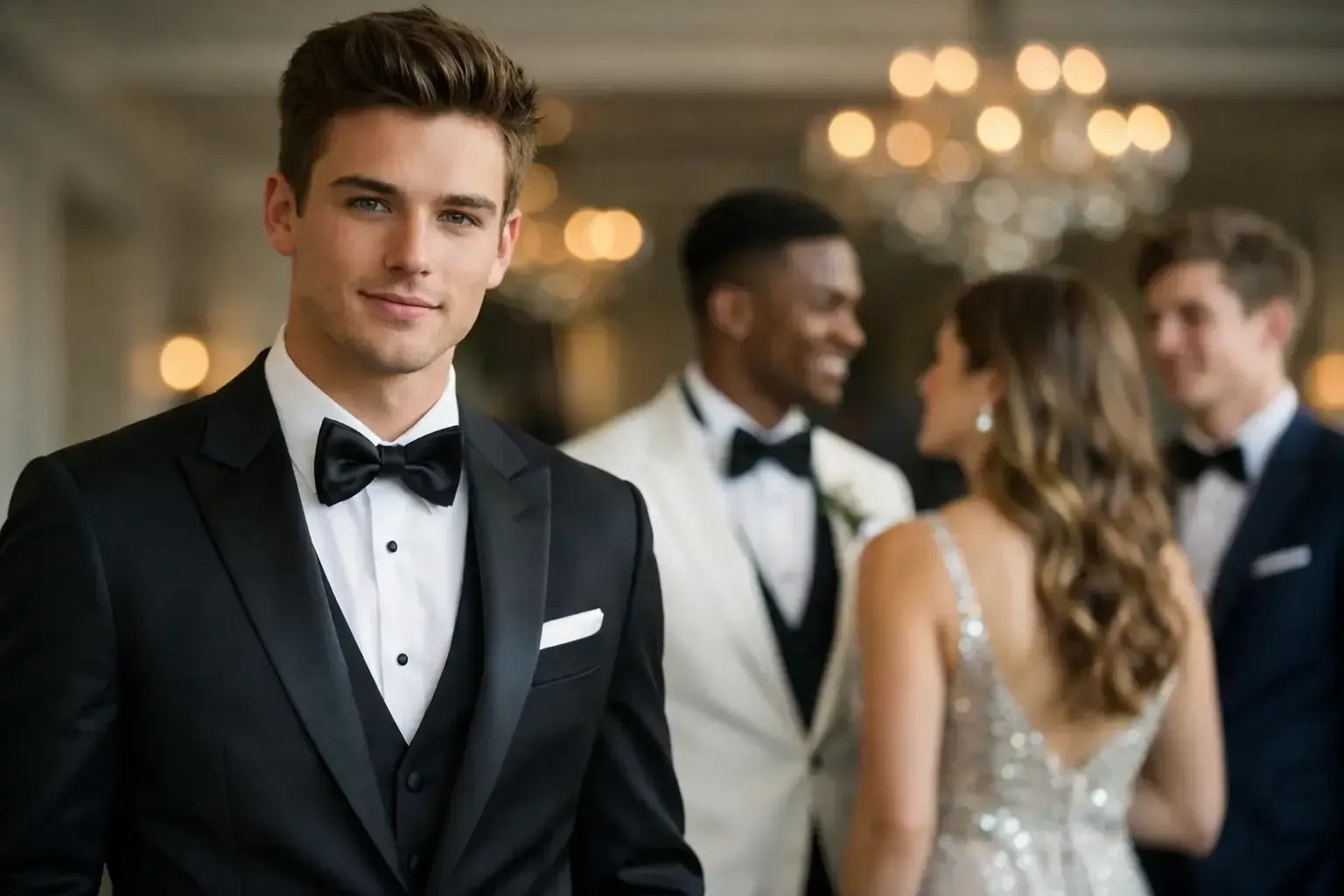
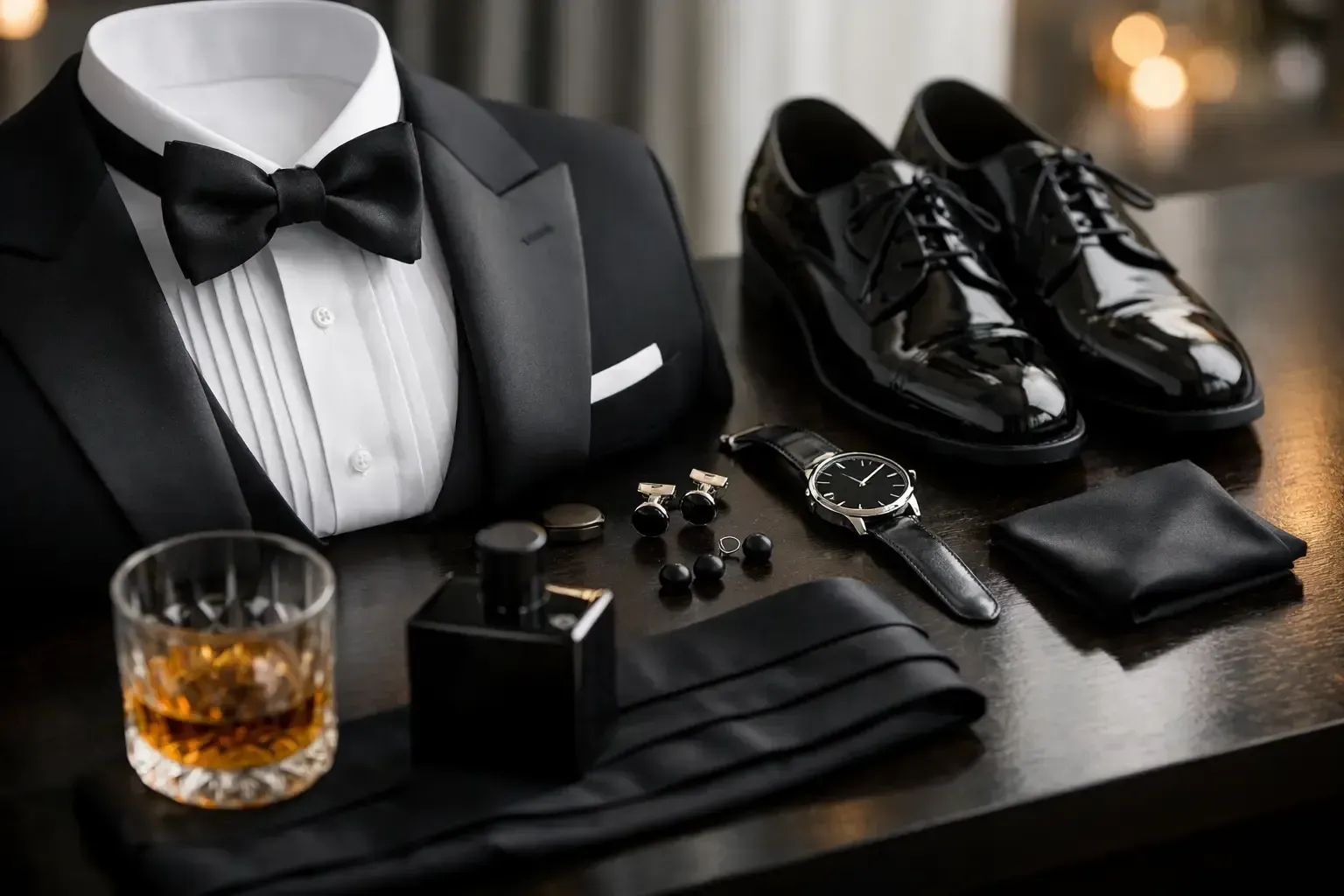
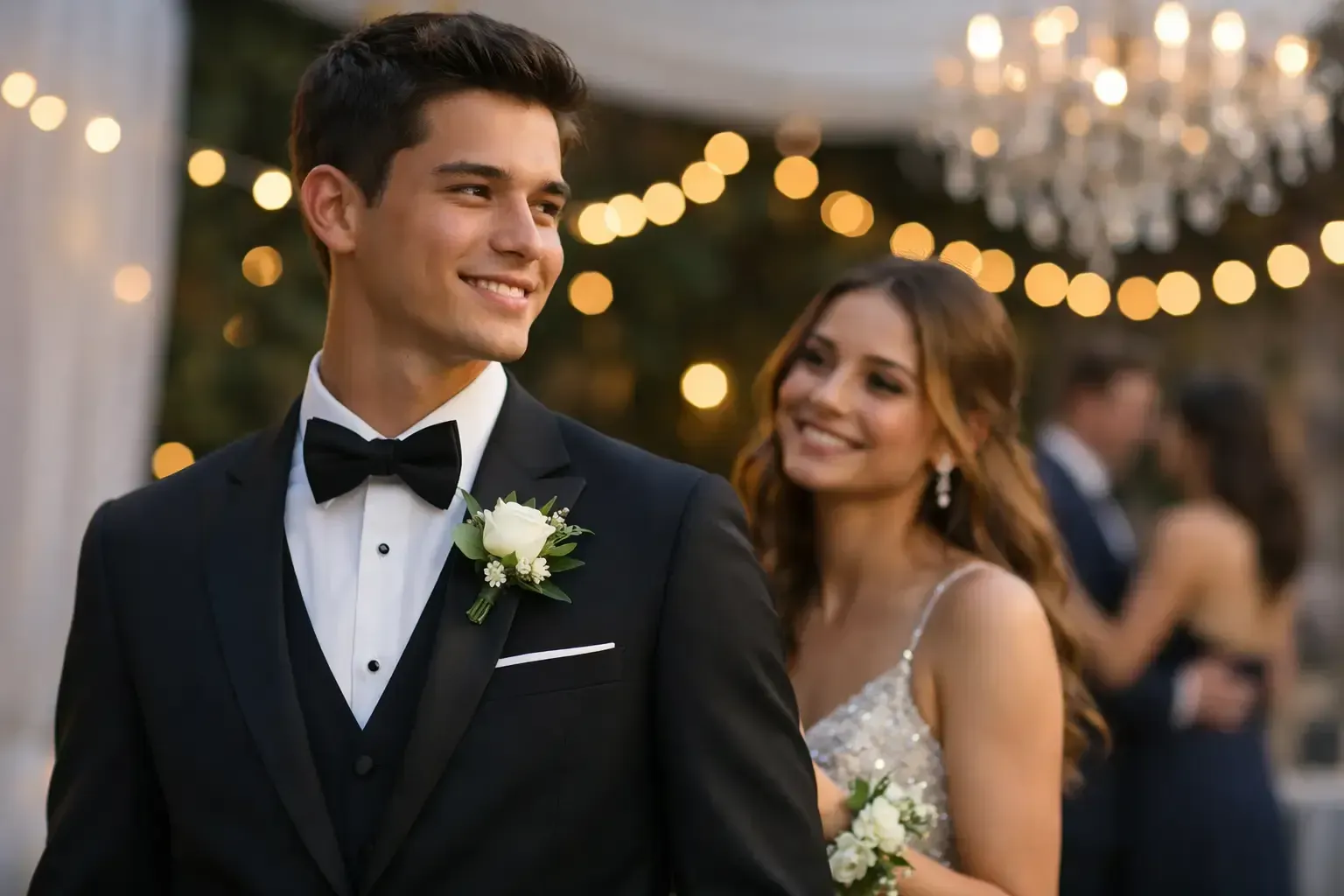
Lapel choice is another area where personal style shows. Peak lapels are gaining attention because they add presence and formality, even on a single-breasted suit. Shawl collars remain a classic tuxedo option for black-tie weddings. Notch lapels still work beautifully, especially for grooms who want versatility and restraint.
The key is to keep the details coherent. If every element is trying to stand out, the suit loses elegance. The strongest bespoke garments usually make one or two confident statements and let craftsmanship handle the rest.
Separate looks for ceremony and reception are more common
A growing number of grooms are treating the wedding wardrobe as more than a single outfit. That does not mean a full costume change is necessary, but it does mean flexibility is becoming part of the plan.
Some choose a classic formal look for the ceremony and then change into a dinner jacket or different shoes for the reception. Others keep the same suit and shift the styling by removing a tie, changing the shirt, or adding a more expressive accessory later in the evening.
This trend works well when there is a clear reason for it. A black-tie ceremony followed by a lively reception may justify a second look. A destination wedding weekend might call for multiple tailored outfits across events. But if the changes feel arbitrary, they can come across as performative rather than polished.
A better approach is often to design a suit with versatility from the start. That way, the groom remains consistent, while the styling evolves naturally with the event.
Accessories are more restrained, but more intentional
The modern groom is generally moving away from overly coordinated accessories. Matching every accent color exactly to the wedding palette tends to feel dated. A more refined approach leaves room for tonal harmony and texture.
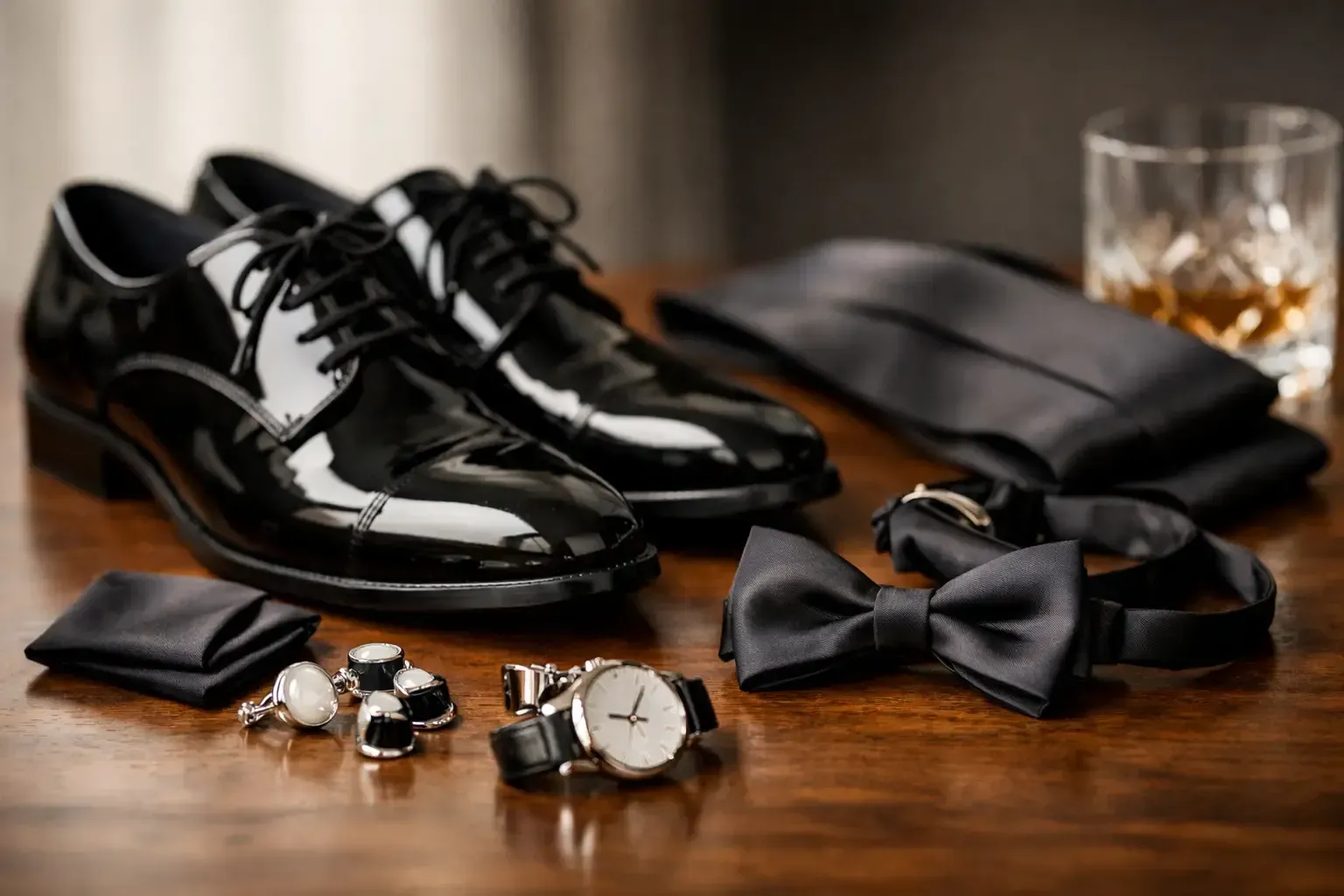
Ties and bow ties are often chosen in silk grenadine, satin, or textured solids rather than novelty prints. Pocket squares are more likely to complement than match. Shoes remain classic, with black calfskin for formal settings and dark brown or oxblood for less rigid dress codes.
Boutonnieres are also becoming simpler. One carefully chosen floral element often has more impact than an elaborate arrangement pinned to the lapel. Less visual clutter allows the tailoring to remain the focal point.
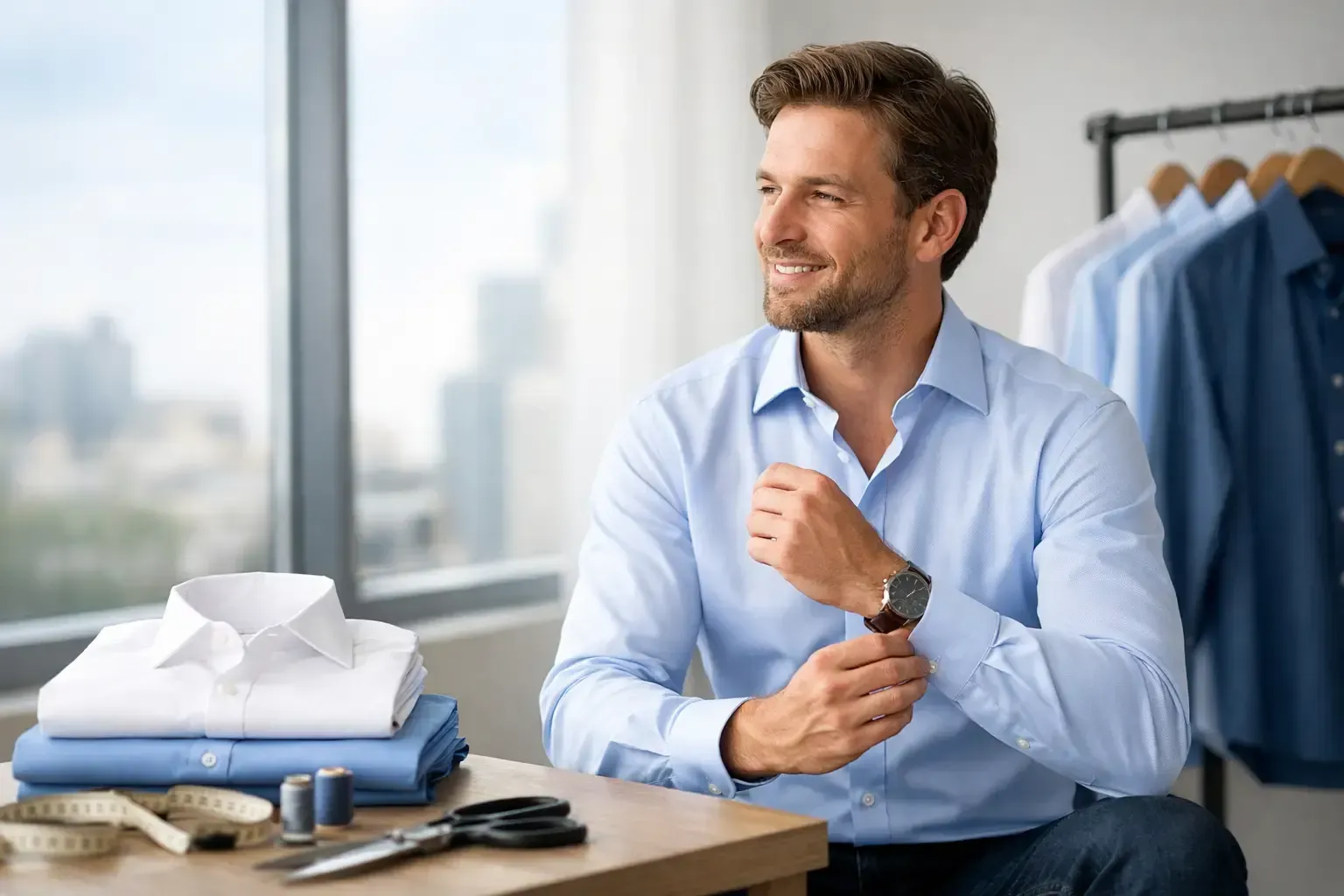
That said, restraint should not be mistaken for uniformity. A groom can still express personality through cufflinks, shirt choice, or even the way the collar and lapel work together. The goal is coherence, not minimalism for its own sake.
Why bespoke matters more as trends become more personal
As wedding style becomes more nuanced, the limitations of off-the-rack suiting become harder to ignore. A suit can feature the right color and still fall short if the proportions are off. It can look modern on a hanger and feel generic when worn.
Bespoke and made-to-measure suiting answer a different question. Instead of asking which trend to copy, they ask how the garment should serve the person wearing it. That includes body shape, posture, comfort, venue, season, and the overall tone of the wedding.
At Kamran Bespoke, that process begins with understanding the occasion and the client’s vision, then translating both into a garment that feels elevated and personal. The goal is not to chase every trend. It is to select the right elements and tailor them to perfection.
The best wedding suit is not the one that looks most fashionable for a single season. It is the one that feels distinguished the moment you put it on and still looks right years later when the photos are framed in your home. If you are choosing what to wear for a day that matters, choose the kind of style that makes you stand taller the moment the jacket settles on your shoulders.