
A wedding sherwani that looks striking on the hanger can feel entirely different once it is on your body. The collar may sit too high, the chest may pull when you move, or the overall silhouette may lose the elegance the occasion deserves. That is exactly why Pakistani wedding clothes custom tailoring matters - not simply for appearance, but for comfort, confidence, and the kind of presence formal celebrations call for.
Pakistani weddings are visually rich, deeply personal, and rarely limited to a single event. There may be a mehndi, baraat, nikkah, walima, and additional family gatherings, each with its own energy and dress expectations. For men, that means wedding clothing needs to do more than look formal. It has to reflect tradition, suit the event, photograph beautifully, and feel right for hours of standing, greeting, and celebrating.
Why Pakistani wedding clothes custom options stand out
Off-the-rack formalwear usually asks you to compromise somewhere. Sometimes it is the fit through the shoulders. Sometimes the sleeves are too wide, the trouser break is wrong, or the garment feels costume-like rather than refined. With Pakistani wedding clothes custom made for your frame and your occasion, the garment starts with you rather than with a standard size chart.
That difference shows up immediately. A custom sherwani sits cleaner through the chest and waist. A kurta designed to your proportions looks polished instead of oversized. Even small choices, like the exact trouser taper or the height of the collar, change how the outfit reads in person and in photos.
Just as important, custom design gives you control over the balance between tradition and personal style. Some clients want classic ivory with restrained embroidery. Others want jewel tones, textured fabrics, contrast details, or a more contemporary silhouette. Neither approach is better. The right choice depends on your role in the wedding, the formality of the event, and how bold you want the final look to feel.
The garments worth considering
Pakistani wedding attire for men is not one fixed formula. The right wardrobe often depends on whether you are the groom, part of the wedding party, or attending as a guest.
For the groom
The sherwani is often the centerpiece. It offers structure, formality, and visual presence, especially for the baraat or nikkah. Custom tailoring becomes especially valuable here because a sherwani should feel regal without feeling stiff. Length, button placement, shoulder shape, and overall proportion all affect whether it looks tailored to perfection or simply expensive.
A groom may also choose a prince coat, an embellished kurta set, or a more understated formal look for one of the secondary events. If there are multiple celebrations, it is worth thinking about the wardrobe as a collection rather than a single outfit. The strongest wedding wardrobes create variety while still feeling cohesive.
For family and wedding party
Brothers, fathers, and groomsmen often need attire that complements the groom without competing with him. This is where custom service becomes practical as well as stylish. Coordinating tone, fabric texture, and formality across several garments is much easier when each piece is being made with intention.
The goal is not identical outfits unless that is specifically requested. More often, it is a shared visual language - perhaps a consistent color family, a repeated fabric detail, or silhouettes that feel aligned across the group.
For guests
Guests also benefit from custom clothing, particularly when the invitation calls for traditional attire and the available retail options feel either too plain or too theatrical. A beautifully made kurta pajama, waistcoat ensemble, or understated sherwani can communicate respect for the event while still feeling personal and refined.
Fabric, color, and detail make the difference
A strong custom garment is not only about measurement. It is also about material and restraint.
Luxury fabrics elevate the entire look. Depending on the event and season, that may mean silk blends, jacquards, jamawar-inspired textures, fine cotton-silk, or lightweight formal cloth with subtle sheen. Heavier embroidery can be appropriate, but it should still work with the wearer’s frame. On a smaller build, too much surface detail can overwhelm. On a taller frame, a little more structure and ornamentation may feel balanced.
Color deserves the same level of consideration. Cream, ivory, gold, deep maroon, navy, emerald, and charcoal all have a place in Pakistani wedding dressing, but context matters. Day events often invite lighter tones. Evening celebrations can carry richer depth. If the bride’s family, décor palette, or wedding party has a defined color direction, it makes sense to account for that as well.
Then there are the details clients often overlook at first and appreciate most in the end: custom lining, covered buttons, cuff finishing, collar shape, embroidery placement, shawl styling, and footwear coordination. These are the elements that make the outfit feel complete instead of assembled at the last minute.
Fit is where confidence begins
The most luxurious fabric in the room cannot rescue poor fit. This is especially true with formal ethnic wear, where structure and drape need to work together.
A well-fitted sherwani should feel clean at the shoulder, smooth at the chest, and shaped enough through the torso to create elegance without restricting movement. A kurta should skim the body rather than hang like a box. Trousers should support the line of the outfit, not distract from it with excess width or awkward length.
This matters for every body type, but especially for clients who struggle with ready-made clothing. Slender men are often forced into garments that look too loose and juvenile. Broader clients may find standard sizing too tight in one area and too large in another. Custom tailoring solves that problem by shaping the garment to the person rather than asking the person to tolerate the garment.
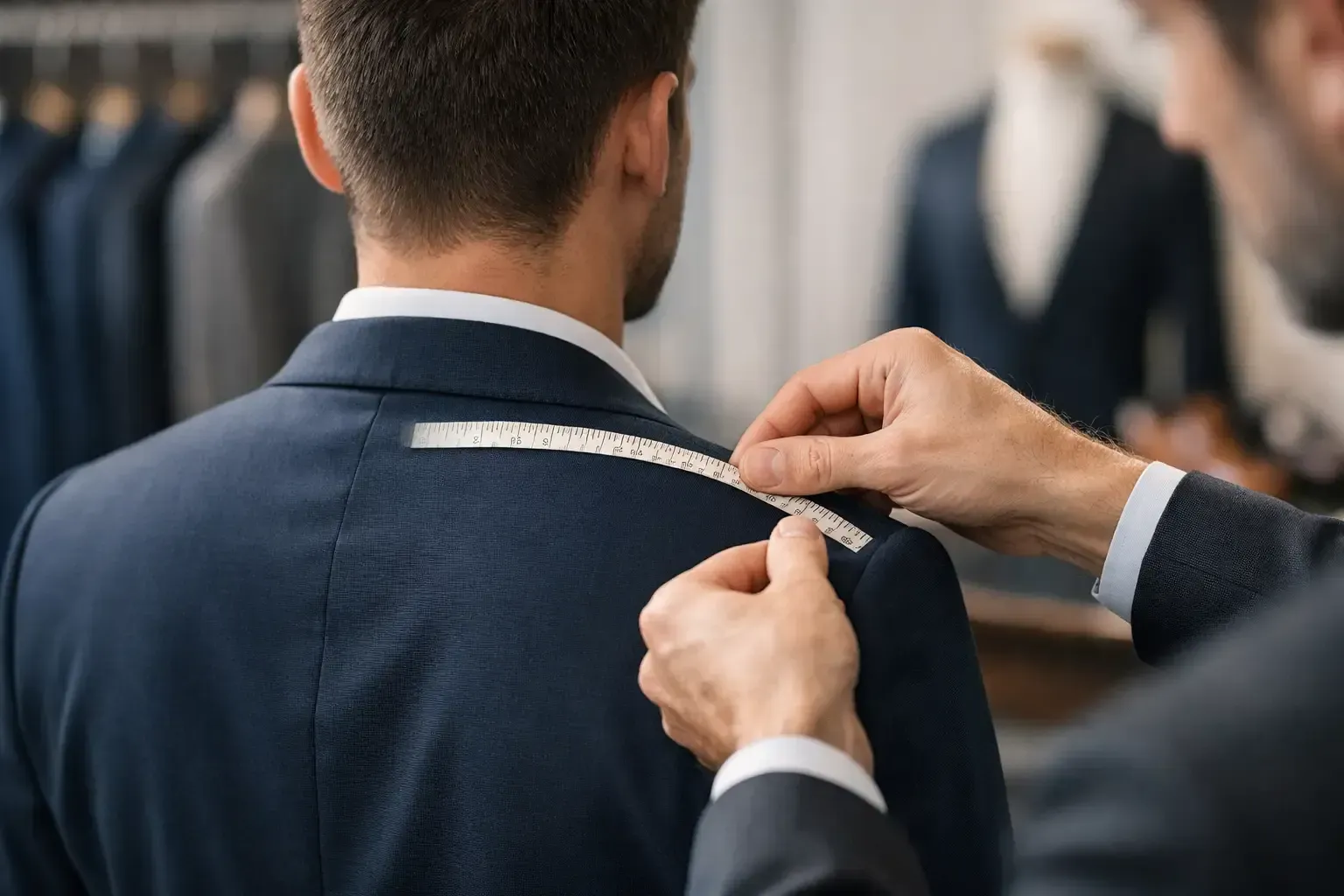
That is one reason bespoke service feels different from standard retail. It is not only about measurements. It is about visual proportion, posture, comfort, and the way a garment moves through a long event.
How the custom process should feel
For wedding clothing, the process matters almost as much as the finished piece. A rushed transaction usually shows in the final result. A thoughtful consultation creates clarity.
It starts with understanding the event. What are you wearing, and for which function? How formal is it? Are you dressing around family coordination, cultural expectations, or a modern aesthetic? Once those answers are clear, fabric and design choices become much easier.
From there, the experience should be personal and guided. You should be able to compare materials, discuss silhouette, review embellishment options, and make decisions with confidence rather than guesswork. Measurements are essential, but so is styling advice. Many clients know what they like once they see it, even if they do not arrive with tailoring vocabulary.
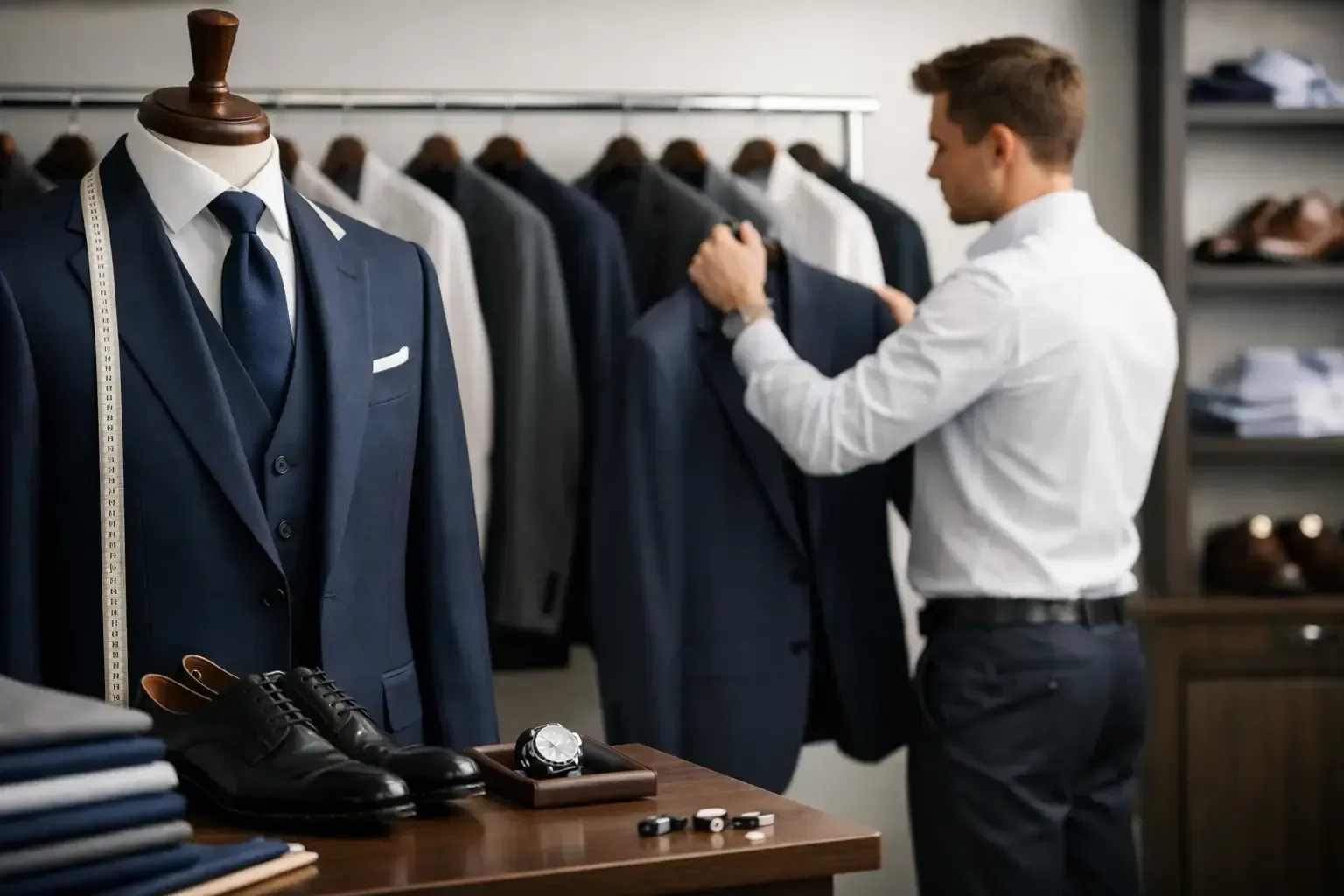
At Kamran Bespoke, that appointment-based approach is especially valuable for milestone dressing. Wedding attire deserves time, attention, and precision. It should feel like a high-touch design experience, not a hurried purchase.
When to go understated and when to make a statement
One of the most common questions around Pakistani wedding clothes custom design is how much detail is too much. The honest answer is that it depends.
If you are the groom at the main ceremony, more presence often makes sense. Rich fabric, elegant embroidery, and a commanding silhouette can be exactly right. If you are attending a daytime nikkah as a guest, restraint may be the better move. A refined kurta with a tailored waistcoat can feel far more sophisticated than an overworked outfit.
The same is true if you are building looks for multiple events. Not every outfit has to carry the same visual weight. In fact, variety usually creates a more polished overall impression. One event may call for ceremonial formality, while another feels best in clean lines and minimal embellishment.
Timing matters more than most clients expect
Custom wedding clothing should never be left to the last minute. Design decisions take time. Fabric selection takes time. Proper fittings take time. If you want the garment to feel exceptional rather than merely acceptable, give yourself enough room for refinements.
That is especially true when coordinating pieces for a groom and multiple family members, or when the design includes specialty fabrics and finishing details. Waiting too long limits your options and increases the chance of settling.
The best custom experience is calm, deliberate, and collaborative. You have space to make better choices, and the finished garment reflects that care.
Pakistani wedding attire carries emotion, heritage, and visibility all at once. When it is tailored with intention, it does more than complete your outfit. It changes how you carry yourself through the celebration, and that is the kind of detail people remember long after the event ends.