

A jacket that pulls across the chest, trousers that break awkwardly, sleeves that seem right in the store but wrong in daylight - most men know the frustration of almost finding the right suit. Custom suits change that experience entirely. Instead of adjusting yourself to a garment, the garment is tailored to your frame, your preferences, and the way you want to present yourself.
For many clients, that difference is not just visual. It changes how they walk into a meeting, stand at the altar, or arrive at a formal event. A well-made suit should look refined, feel natural, and create confidence without asking for attention. That is where custom clothing earns its place.
Why custom suits feel different from the start
Off-the-rack suiting is designed for averages. Real people are rarely average. Some men have broader shoulders and a narrower waist. Others need extra room through the seat, longer sleeves, or a cleaner fit through the torso than standard sizing allows. Even when a ready-made suit is altered, it is still being corrected after the fact.
Custom suits begin from a different premise. The fit is considered before the garment is made, not after it is purchased. That gives you more control over balance, proportion, and comfort from the beginning. The result is a silhouette that looks intentional rather than adjusted.
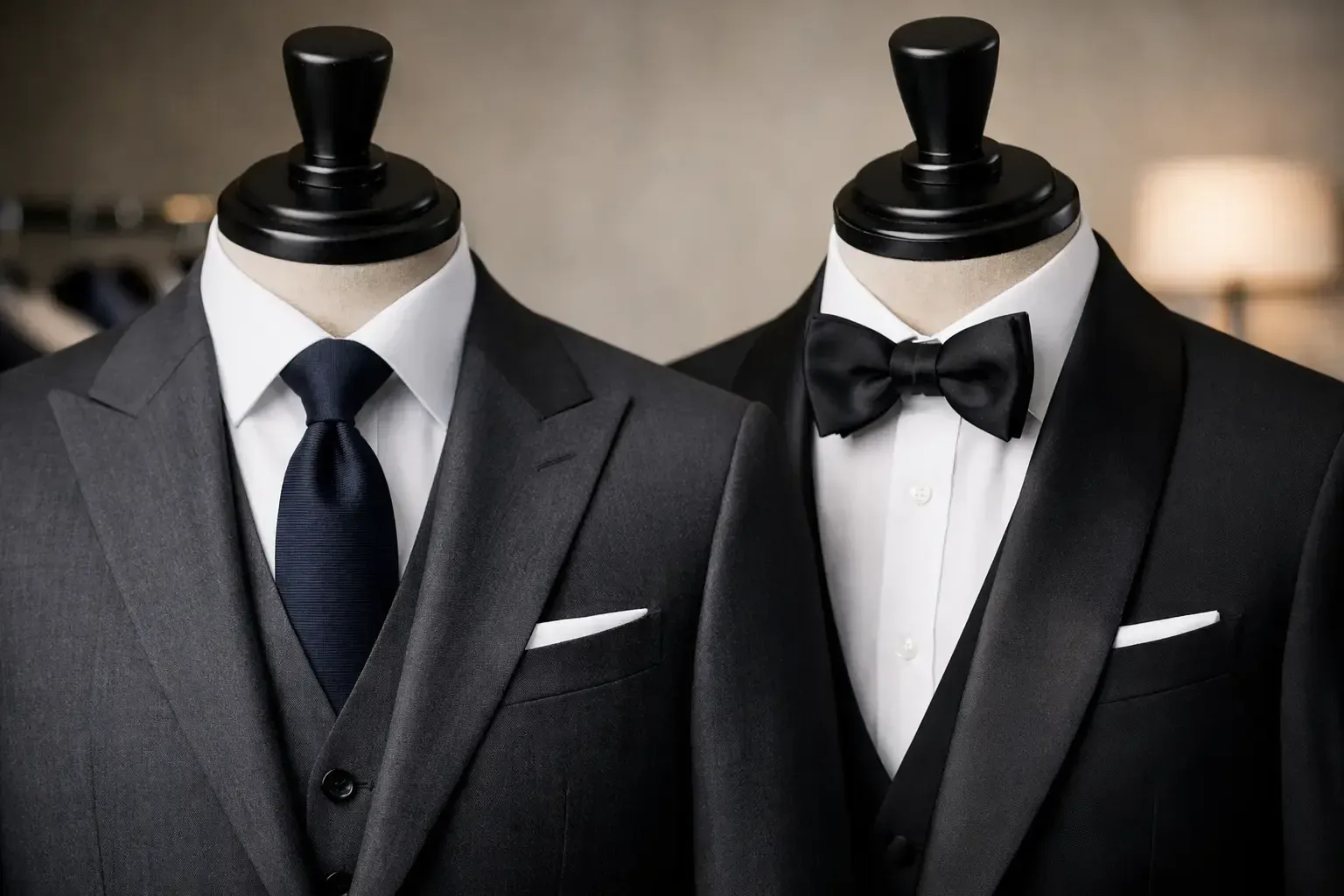
There is also the matter of personal style. A suit is not only about measurement. It is about how structured you want the shoulder to feel, how sharp or relaxed the lapel should look, whether your trousers should sit higher on the waist, and what fabric makes sense for your climate and schedule. Those choices shape the final garment just as much as the tape measure does.
What sets custom suits apart
The clearest advantage is fit, but it is not the only one. A custom suit offers a level of refinement that is hard to replicate when choices are limited to what happens to be on a rack that season.
A better suit starts with better alignment between the garment and the person wearing it. When the shoulder sits properly, the chest lays cleanly, and the jacket length complements your height, the entire look becomes more polished. People may not identify every reason it looks better, but they notice the effect.
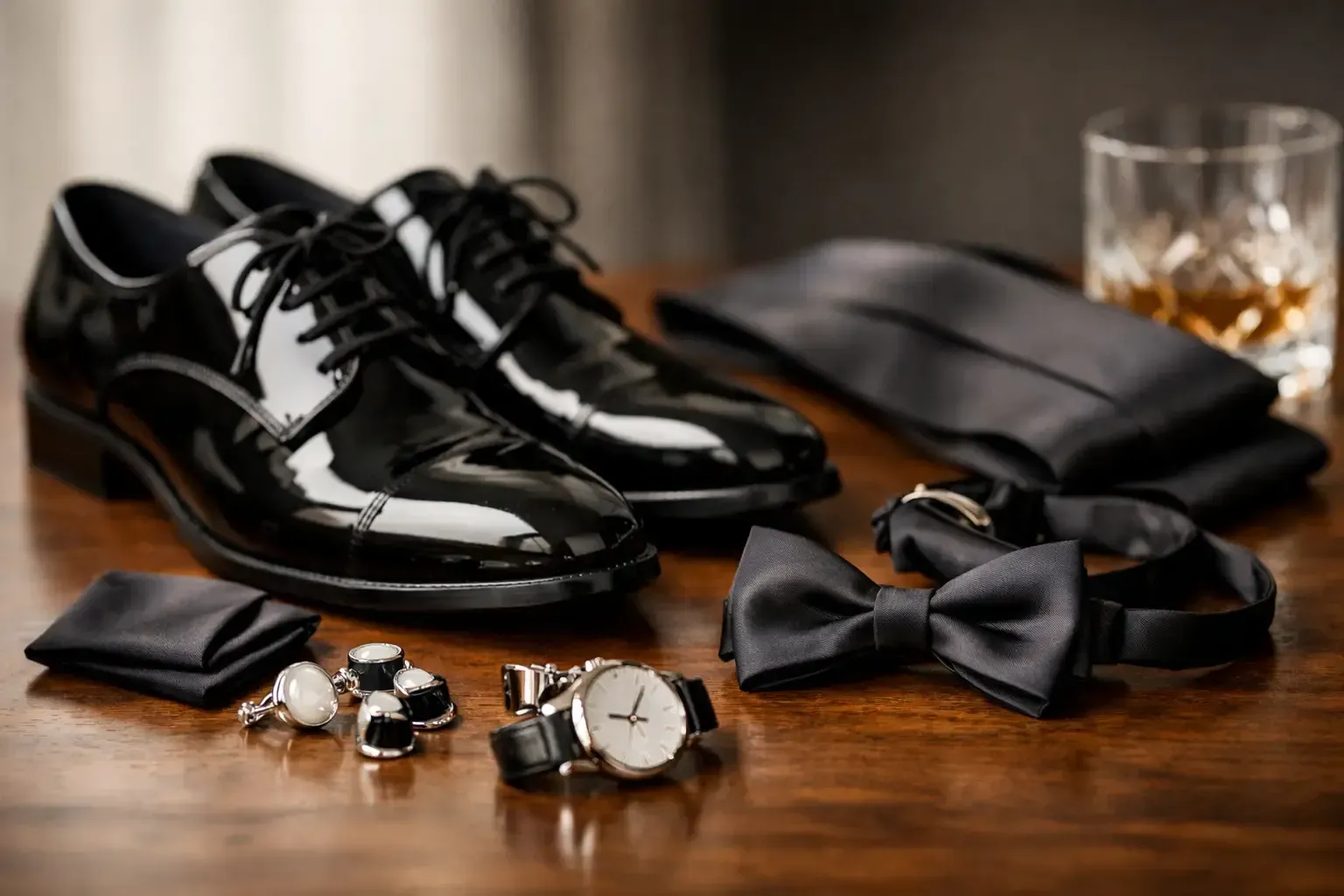
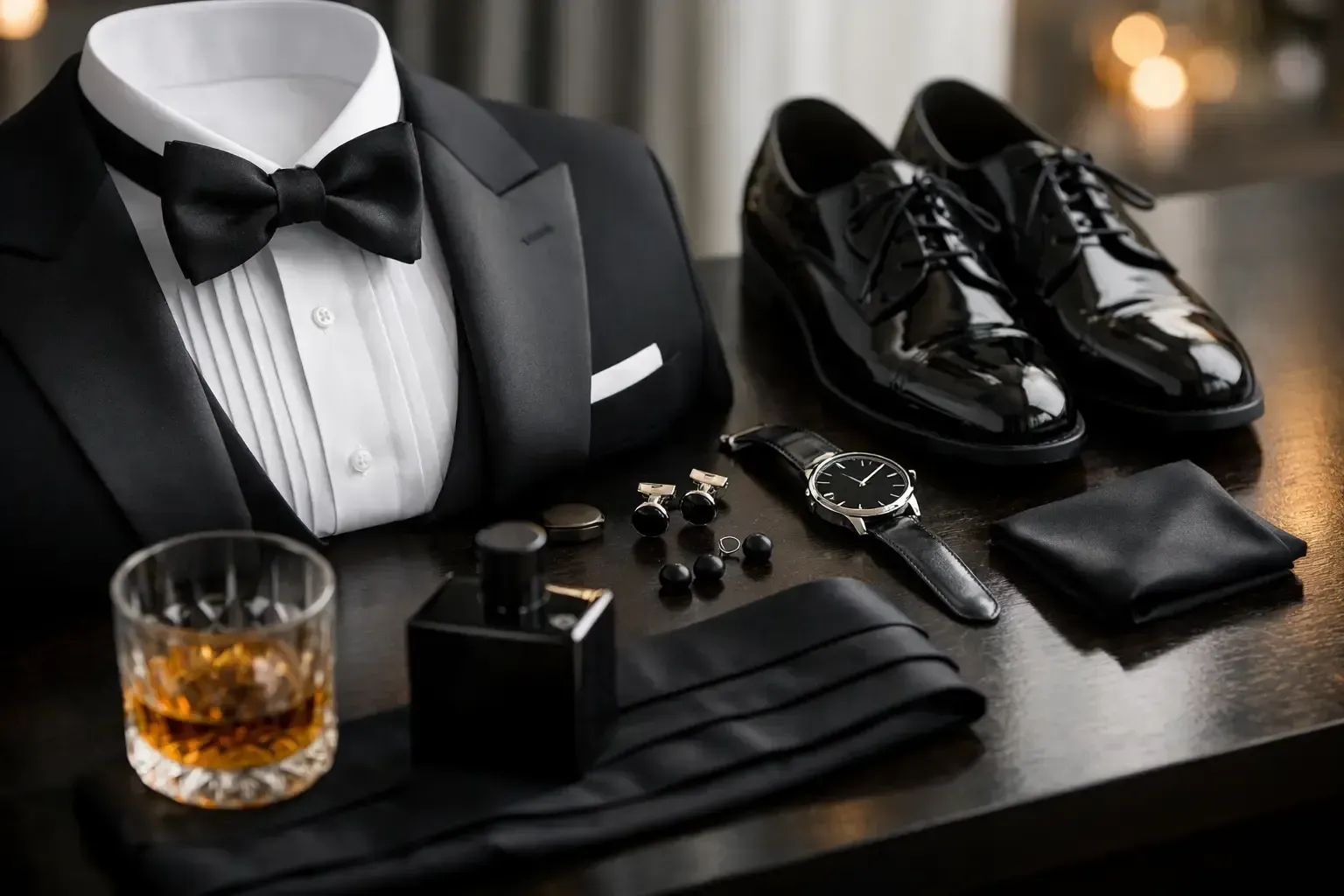
Fabric selection matters just as much. Someone building a daily business wardrobe may need a versatile wool that performs across seasons and travels well. A groom may want a richer texture or a more formal finish that feels distinct from office attire. A client attending black-tie events may need something with stronger evening presence. Custom makes room for those distinctions.
Then there are the details that make a garment feel personal. Lining, button stance, lapel shape, pocket style, venting, monograms, and trouser finish all contribute to the final character of the suit. The best outcomes do not come from adding every possible feature. They come from selecting details with restraint and purpose.
Who benefits most from a custom suit
The simple answer is anyone who cares how they look and feel in formalwear or businesswear. Still, some clients see the difference immediately.
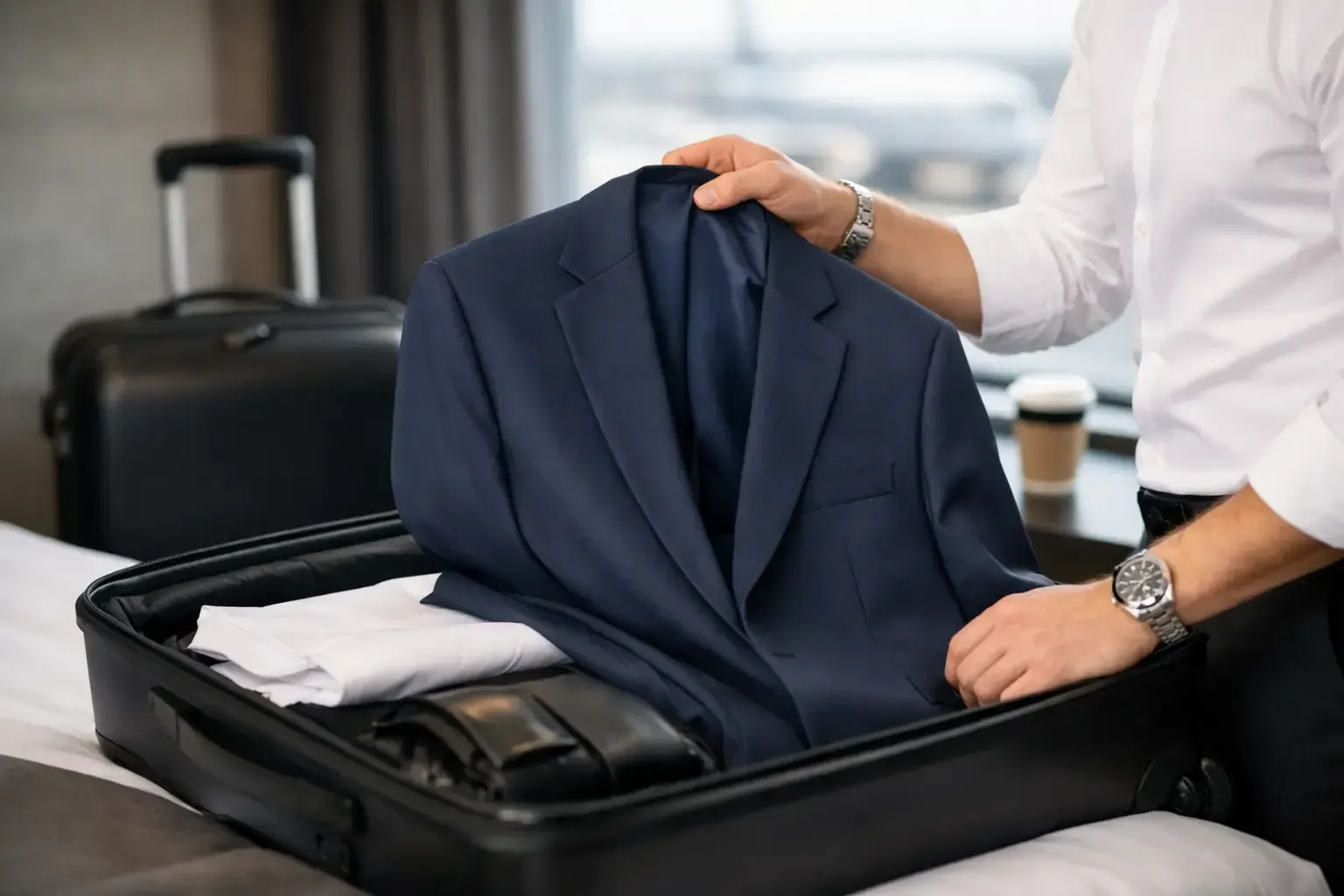
Professionals often benefit because they wear tailored clothing regularly and need consistency. If you rotate through suits for meetings, presentations, dinners, and travel, a precise fit and reliable fabric choice can make getting dressed much easier. Your wardrobe works harder because each piece has been built with your real use in mind.
Grooms and wedding parties also have strong reasons to go custom. Wedding attire lives in photographs for years, and fit is one of the first things the camera reveals. A custom suit or tuxedo creates a cleaner line, photographs more elegantly, and feels more special because it was made for a meaningful occasion.
Clients with fit challenges may appreciate custom the most. Slender builds, athletic proportions, height extremes, and body asymmetry often make off-the-rack options disappointing. In those cases, custom is not indulgent. It is often the most direct path to looking right.
Bespoke and made-to-measure are not the same
These terms are often grouped together, but they are different services. Made-to-measure starts from an existing pattern that is adjusted to your measurements and fit profile. It offers a high level of personalization and can be an excellent option for many clients, especially when guided by an experienced fitter.
Bespoke is more individual from the ground up. The pattern is created specifically for you, allowing for deeper accommodation of posture, proportions, and stylistic preferences. It is the more involved process, and for clients seeking the highest level of precision, it offers a greater degree of control.
Neither approach is automatically better in every scenario. It depends on your goals, your timeline, and how exact you want the final result to be. What matters most is working with a tailor who can explain the difference clearly and recommend the right path without overselling complexity.
The custom process should feel personal, not intimidating
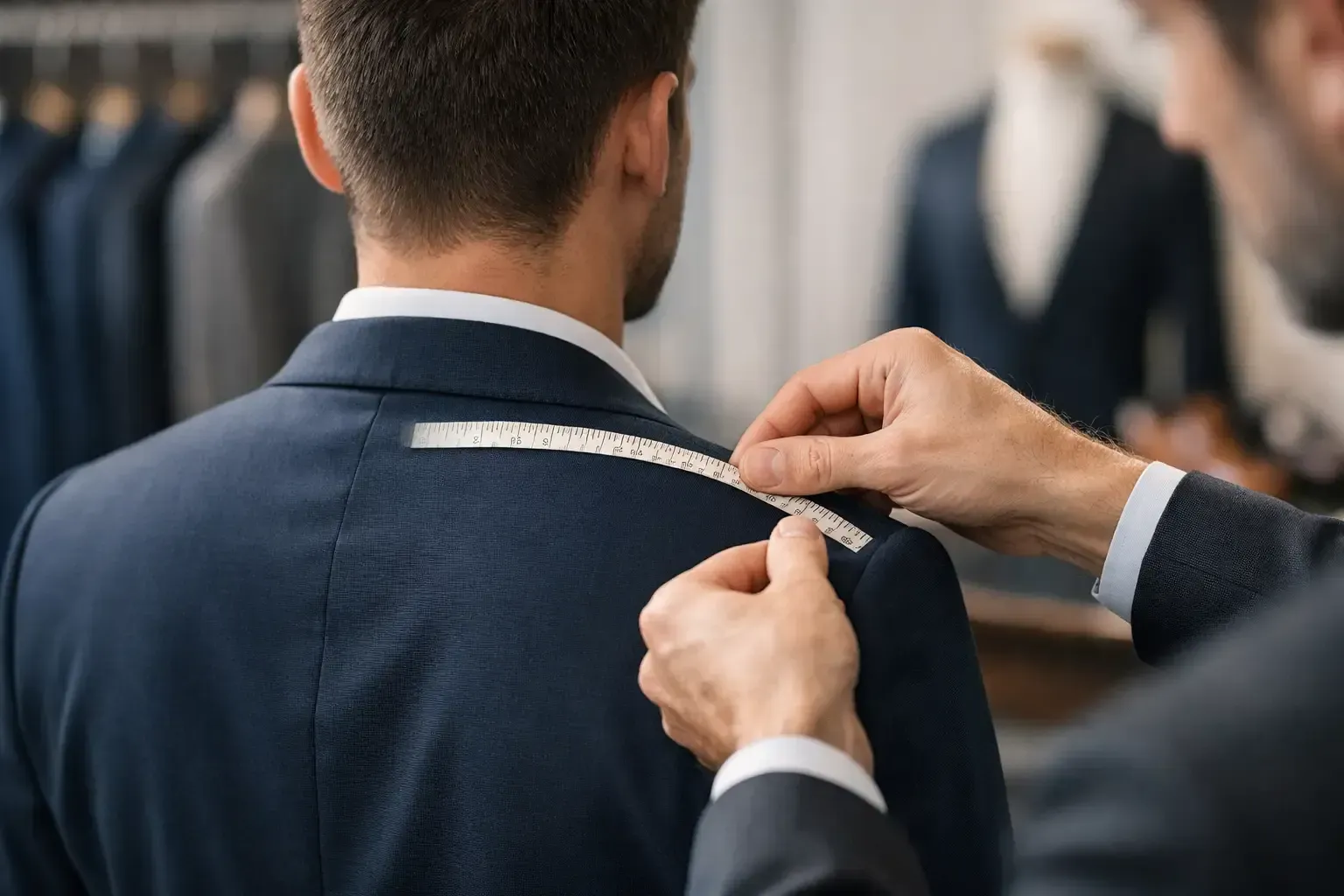
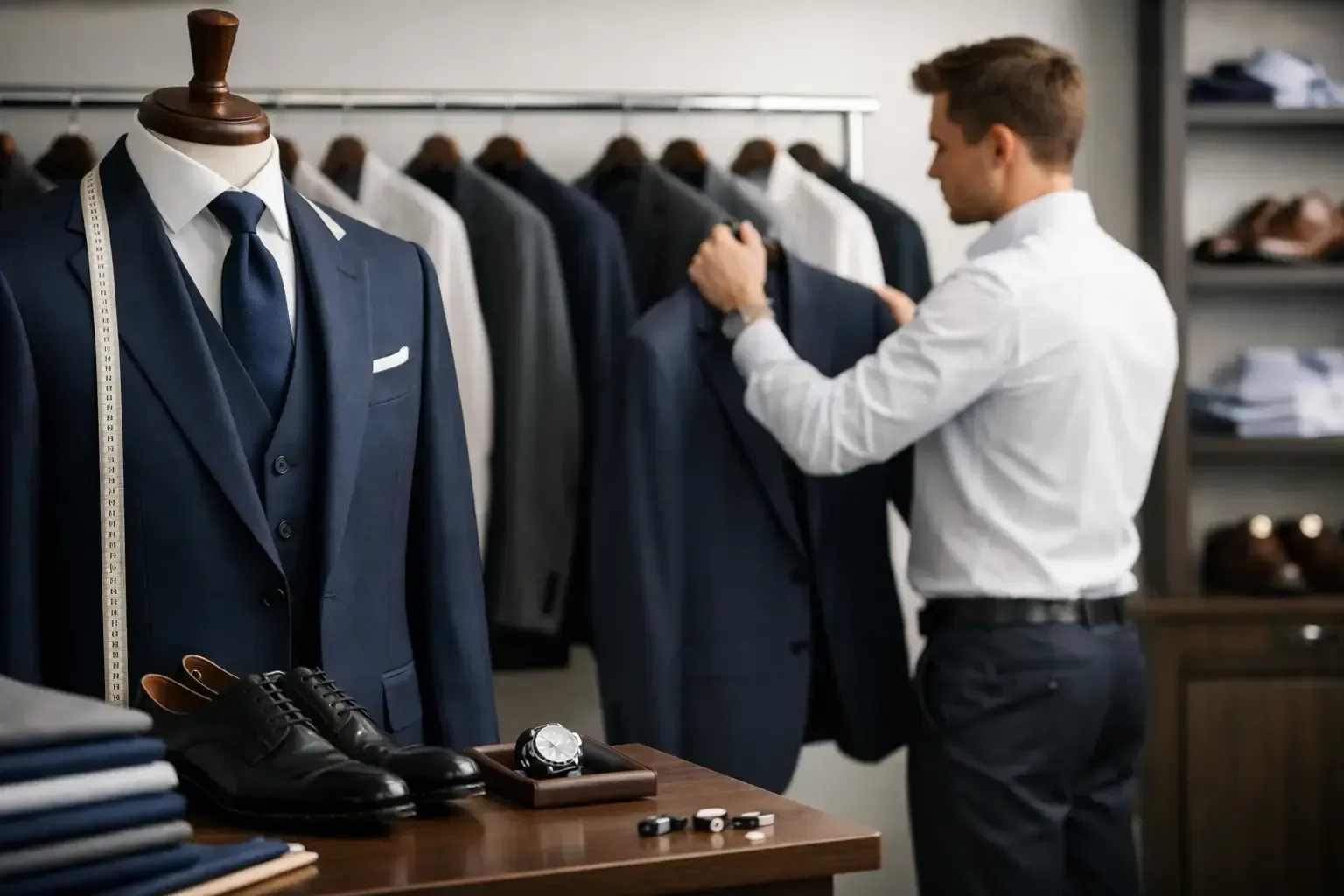
A proper consultation does more than record measurements. It helps translate your wardrobe goals into a finished garment. That includes understanding where you will wear the suit, how often you will use it, what other pieces are already in your closet, and how bold or understated you want the design to be.
This is also where expertise matters. Many clients know what they like when they see it, but not necessarily how to build it. Guidance on fabric weight, drape, seasonality, color, and styling details can prevent expensive mistakes and lead to a suit that remains relevant long after the first wear.
The fitting stage is where precision becomes visible. Small refinements to sleeve pitch, jacket suppression, trouser taper, or collar balance can dramatically change how the suit feels and how naturally it moves with the body. Luxury is not only softness or branding. Often, it is the quiet ease of a garment that sits exactly where it should.
At Kamran Bespoke, that experience is centered on one-on-one service, thoughtful design guidance, and hand-crafted garments tailored to perfection for the client and the occasion.
Custom suits are an investment, but not in the way people assume
The conversation around cost often misses the larger value. A cheaper suit that never fits quite right, wears poorly, or feels forgettable is not necessarily the better buy. A custom suit that is worn often, maintained properly, and designed with staying power may offer more value over time.
That said, the right investment depends on how the suit will be used. If you need one dependable navy suit for interviews, weddings, and business events, versatility should lead the decision. If you are building a wardrobe over time, it may make sense to begin with foundational colors and then add statement pieces later. If the goal is a wedding garment, emotional value may carry as much weight as frequency of wear.
Custom does require patience. It is not the best choice for someone who needs a suit tomorrow. It also asks you to be deliberate. But for clients who value craftsmanship, presentation, and long-term wardrobe quality, that process is part of the reward.
How to know a custom suit was worth it
You notice it before anyone says a word. The jacket sits cleanly. The trousers fall properly. Nothing feels forced. You are not tugging at your cuffs, adjusting your waistband, or wondering if the shoulders look too wide. The suit supports your presence instead of distracting from it.
Other people notice too, though usually in broader terms. They may say you look sharp, polished, confident, or well put together. That response comes from proportion and intention. A custom suit communicates both without trying too hard.
The real test comes later. If you reach for that suit again and again, if it still feels current after the event has passed, and if it continues to fit your life rather than just one moment, it was a smart choice.
A great suit should never feel like a costume. It should feel like the most refined version of yourself - composed, distinctive, and ready for the moments that matter.