

A suit can look impressive on the hanger and still fall short the moment you put it on. The shoulder sits a little wide, the jacket pulls at the button, or the trousers break awkwardly at the shoe. That is usually the moment people start asking, what is the difference between bespoke and made to measure, and which one is actually worth it.
The answer matters because these terms are often used loosely, even though they describe two very different experiences. Both are a significant step above off-the-rack clothing. Both offer a more polished result. But they are not interchangeable, and choosing the right one depends on your priorities, timeline, budget, and how exact you want the final garment to feel.
What is the difference between bespoke and made to measure?
At the simplest level, made to measure starts with an existing base pattern that is adjusted to your measurements. Bespoke starts from scratch. A bespoke garment is drafted specifically for your body, posture, proportions, and preferences, then refined through fittings until the result is tailored to perfection.
That distinction affects everything else - fit, freedom of design, construction, and the amount of hand-crafted attention that goes into the garment. If made to measure is a personalized version of an existing template, bespoke is an original built entirely around you.
How made to measure works
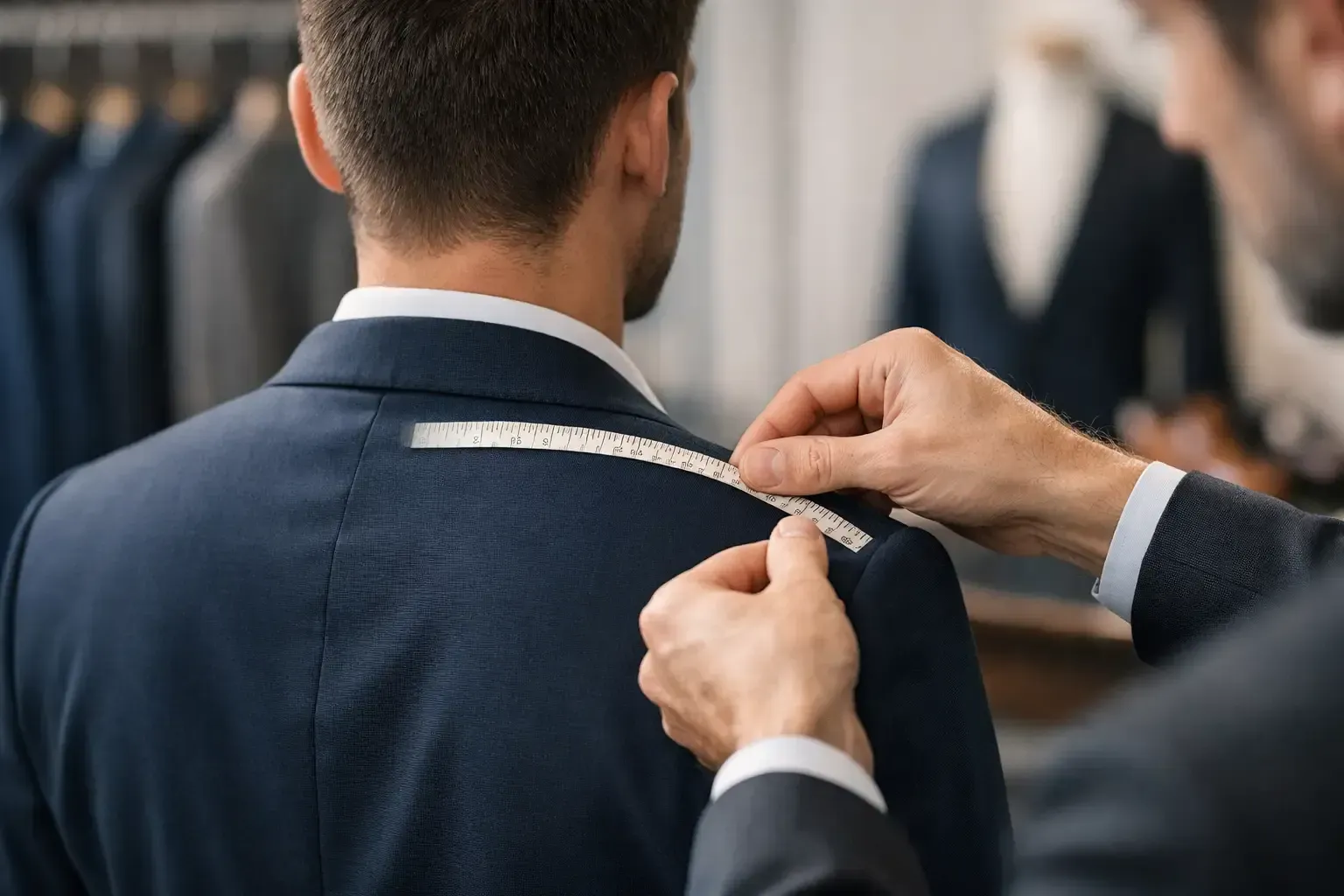
Made to measure is often the right choice for clients who want a cleaner fit than ready-made clothing without committing to the full bespoke process. The experience begins with a chosen model or house pattern. From there, measurements are taken and adjustments are made to key areas such as chest, waist, sleeve length, jacket length, trouser rise, and inseam.
For many men, that alone is a major improvement. If you have a fairly balanced build and want a sharp business suit, dinner jacket, blazer, or dress shirt with thoughtful personalization, made to measure can deliver excellent results.
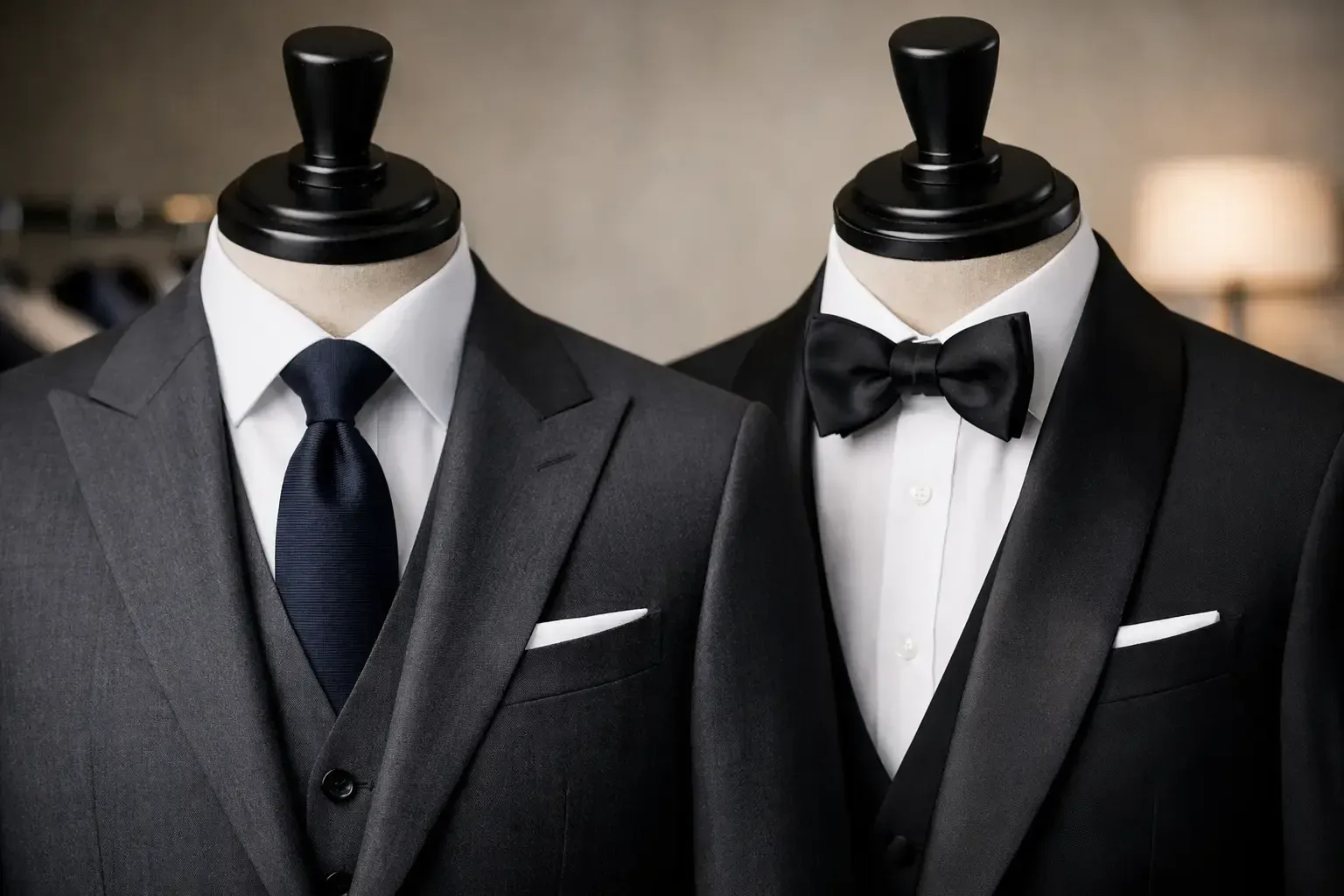
The customization usually includes fabric selection and a range of style details such as lapel shape, button stance, pocket style, lining, vents, and monogramming. The garment is still personal. It is still elevated. It simply begins from a preexisting pattern rather than a pattern created solely for you.
Made to measure also tends to have a shorter turnaround and a lower price point than bespoke. That makes it appealing for clients who need quality and refinement for an upcoming wedding, work wardrobe upgrade, or formal event.
How bespoke works
Bespoke is the highest expression of custom tailoring because the entire garment is conceived around the individual. Instead of modifying a standard pattern, the tailor creates a unique pattern based on your measurements, stance, shoulder slope, balance, and movement. Every decision is more precise because nothing is assumed.
This is especially valuable for clients who have struggled with fit for years. Men with athletic builds, slender frames, broader shoulders, a prominent chest, uneven posture, or other proportion challenges often discover that standard sizing systems were never truly designed for them. Bespoke addresses the body in front of the tailor, not the average body used by a manufacturer.
The process also allows for deeper design expression. A bespoke garment can be shaped with a high level of control, from the drape of the jacket to the line of the lapel and the subtle balance between structure and softness. Multiple fittings are often part of the journey, which means the garment evolves as it is being made.
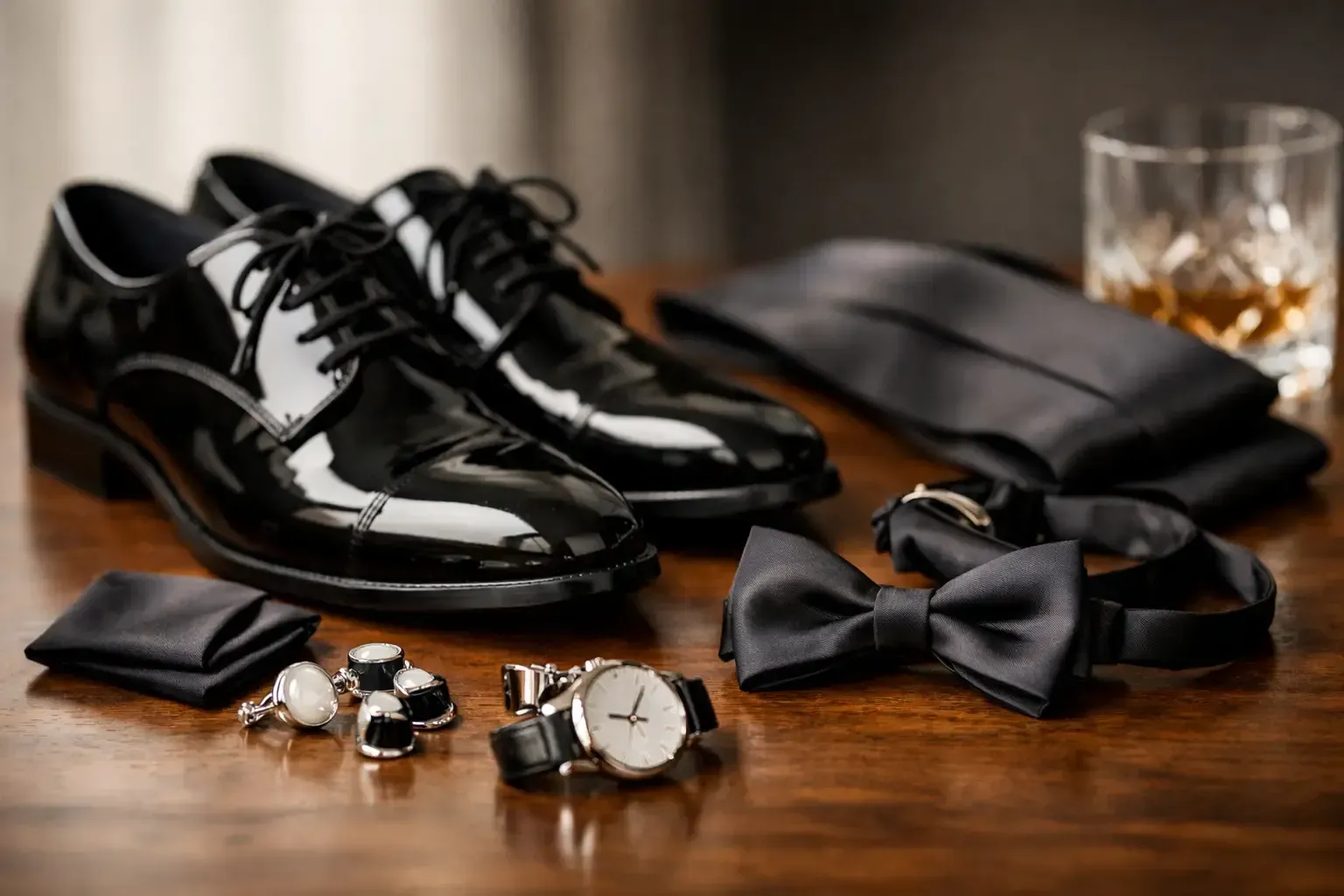
That is why bespoke is often chosen for milestone clothing - wedding suits, tuxedos, signature business wardrobes, overcoats, and statement pieces meant to be worn for years. It is not just about having something custom. It is about having something authored.
The biggest difference is fit
When clients compare bespoke and made to measure, fit is usually the deciding factor. Made to measure can produce a very flattering result, but it still works within the limits of an existing pattern. If your body falls close to that pattern, the outcome can be excellent. If your proportions are more complex, those limits become more obvious.
Bespoke offers a more exact silhouette because the garment is built around your proportions from the beginning. The chest can be shaped more naturally. The collar can sit more cleanly. The sleeves can hang more correctly. The trousers can balance better through the seat and thigh. Those details may sound small, but together they change how a garment looks and how you feel in it.
A superior fit does not just improve appearance. It changes comfort, posture, and confidence. You are not adjusting the garment throughout the day because it was designed to move with you.
Customization is not the same as creation
This is where many people get confused. A made-to-measure suit can still offer plenty of customization. You may choose from premium fabrics, distinctive linings, lapel styles, buttons, pocket treatments, and finishing details. For many clients, that level of choice feels highly personal.
Bespoke goes further because the garment itself is original, not just the options selected on top of an existing model. The cut, shape, and balance are developed around your taste as much as your body. If you want a softer shoulder, a stronger roped sleeve head, a more sculpted waist, a fuller drape, or a very specific visual character, bespoke provides more room to achieve it.
In other words, made to measure lets you personalize a design. Bespoke lets you create one.
Craftsmanship and construction
Another part of what is the difference between bespoke and made to measure comes down to how the garment is built. Not every workshop uses the same methods, so quality can vary in both categories. Still, bespoke typically involves more hand-crafted work, more pattern attention, and more fitting refinement.
That does not mean made to measure lacks quality. A well-made made-to-measure garment in a premium fabric can be elegant, durable, and beautifully finished. But bespoke is usually where craftsmanship becomes more visible in the shaping, balance, and subtle sophistication of the final piece.
For clients who appreciate timeless craftsmanship, this matters. The garment does not simply fit better on paper. It carries a different level of intention.
Which option is right for you?
The best choice depends on what you value most.
If you want a polished custom garment, have a relatively straightforward fit profile, and prefer a more efficient process, made to measure may be the right investment. It offers a strong balance of personalization, luxury, and practicality.
If fit has always been a frustration, if the occasion is especially meaningful, or if you want a garment with the highest level of individual attention, bespoke is often the better decision. It asks more of the process, but it gives more back in precision and presence.
There is also a middle ground in how clients build a wardrobe. Some begin with made to measure for core businesswear and choose bespoke for the pieces that matter most - a wedding tuxedo, an exceptional suit, or an overcoat meant to last for seasons. That approach can be both smart and stylish.
Why the language matters
In luxury clothing, terminology shapes expectations. If someone believes bespoke and made to measure mean the same thing, they may be disappointed when the process or outcome does not match what they imagined. Clear language helps clients make confident decisions and invest wisely.
That is why a trusted tailoring experience matters as much as the garment itself. The right cloth, the right silhouette, and the right level of customization should be matched to your goals, not pushed through a one-size-fits-all sales pitch. At Kamran Bespoke, that appointment-based process is part of the value. Clients are guided toward the option that suits their needs, occasion, and standards, whether that means made to measure or a fully bespoke commission.
A well-made garment should do more than fit. It should sharpen your presence the moment you put it on and feel unmistakably your own. If you are deciding between bespoke and made to measure, the real question is not which term sounds more luxurious. It is which experience will give you the confidence, comfort, and distinction you want when the moment arrives.