

A suit in River Oaks is rarely just a suit. It may be the piece you wear into a boardroom, beneath a wedding canopy, at a black-tie celebration, or on the day you decide your wardrobe should reflect the level at which you operate. In a neighborhood where presentation carries weight, the right garment does not need to be loud. It needs to look considered, feel natural, and hold its shape from the first handshake to the final photograph.
Off-the-rack clothing can offer convenience, but convenience is not the same as confidence. A custom suit begins with a more personal question: what do you need this garment to say, and where does it need to take you? The answer influences every decision, from silhouette and fabric to lapel shape and the quiet details inside the jacket.
What Sets Suits in River Oaks Apart
River Oaks style has a particular balance. It is polished without being overly formal, confident without chasing novelty, and attentive to quality without needing to announce it. That makes a well-made navy suit, charcoal suit, or restrained pattern more valuable than a trend-driven piece that looks dated after one season.
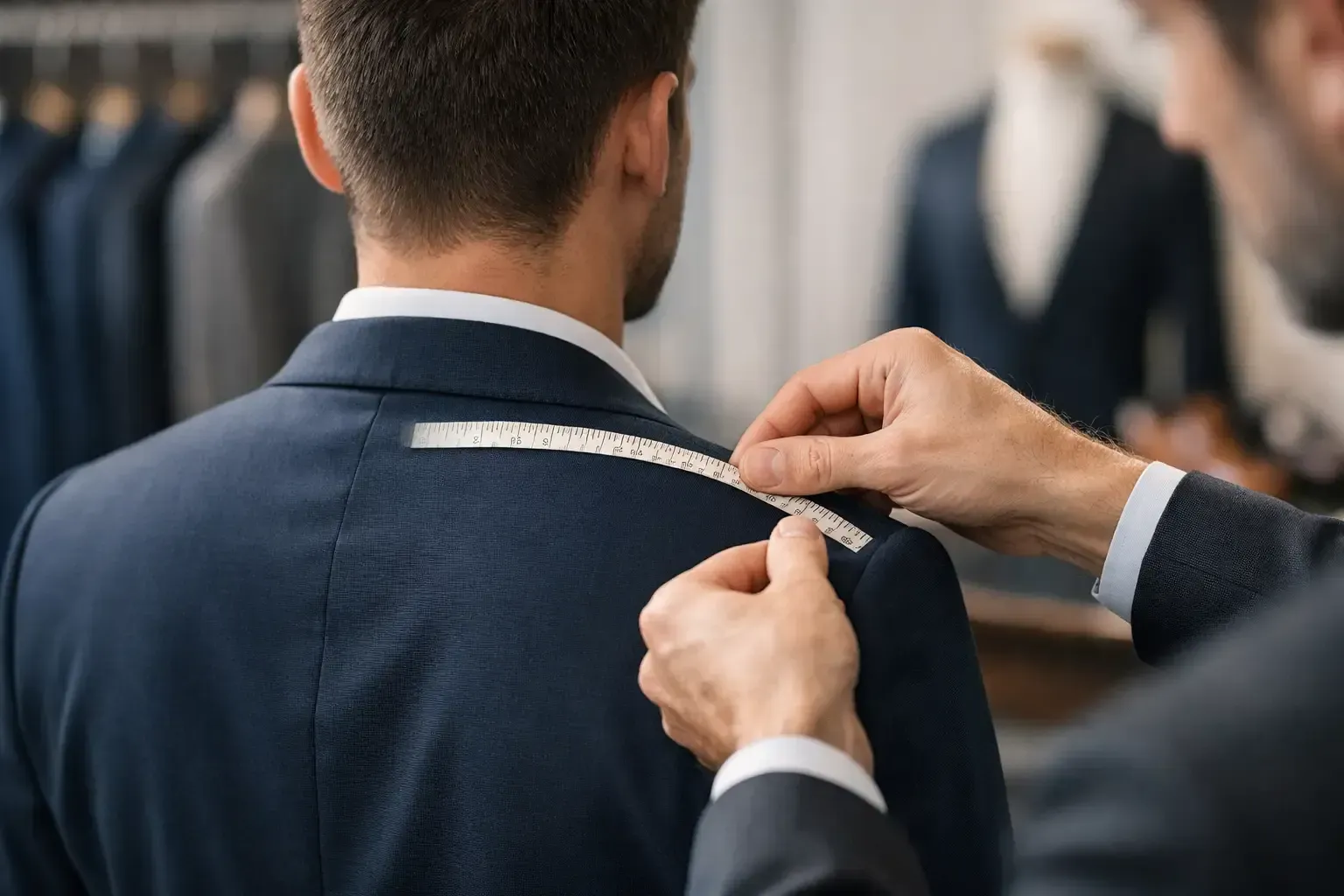
The distinction is in proportion and purpose. A jacket that sits cleanly through the shoulders, follows the wearer’s natural posture, and creates a balanced line through the chest and waist has a presence that cannot be replicated by choosing a standard size from a rack. For clients with athletic frames, slender builds, broad shoulders, or a preference for a more exact silhouette, personal measurements and thoughtful pattern work make a meaningful difference.
Custom clothing also allows the suit to work with the rest of your life. A senior executive may need a composed charcoal suit that reads well in client meetings and travels comfortably. A groom may want a tuxedo or dinner jacket with a more memorable character. Someone building a first serious wardrobe may need a versatile foundation before considering more expressive choices. The best option depends on the occasion, how often the garment will be worn, and the image you want to project.
Start With the Occasion, Not the Fabric Book
Premium cloth is essential, but it should not be the first decision. Begin with where and how the suit will be worn. That practical starting point keeps the finished garment elegant rather than merely impressive in a consultation room.
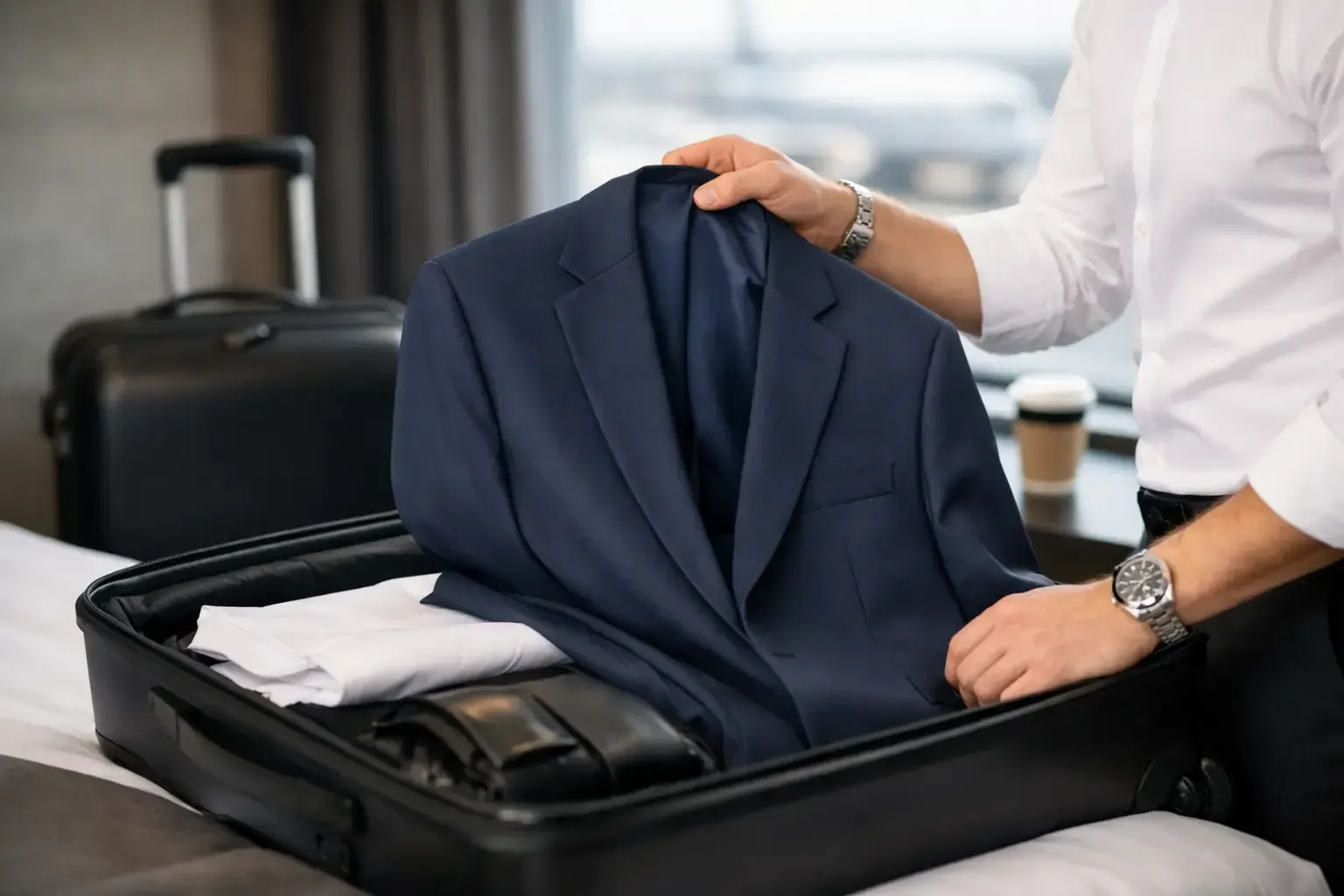
For business and daily professional wear, navy and medium-to-dark gray remain the strongest choices. Navy offers range: it pairs easily with white, pale blue, and subtle patterned shirts, and it moves comfortably from daytime meetings to dinner reservations. Gray is slightly more reserved and especially effective for formal business settings. Both reward careful construction because they will likely become the garments you reach for most often.
For weddings, the season, venue, and role matter. A groom marrying outdoors in Houston may prefer a lighter-weight wool in a rich blue, soft gray, or refined neutral. An evening celebration may call for a darker suit, a tuxedo, or a dinner jacket with a subtle texture. Wedding parties benefit from a coordinated approach, but coordination should never erase individuality. Each person should look polished in a silhouette that suits his own build.
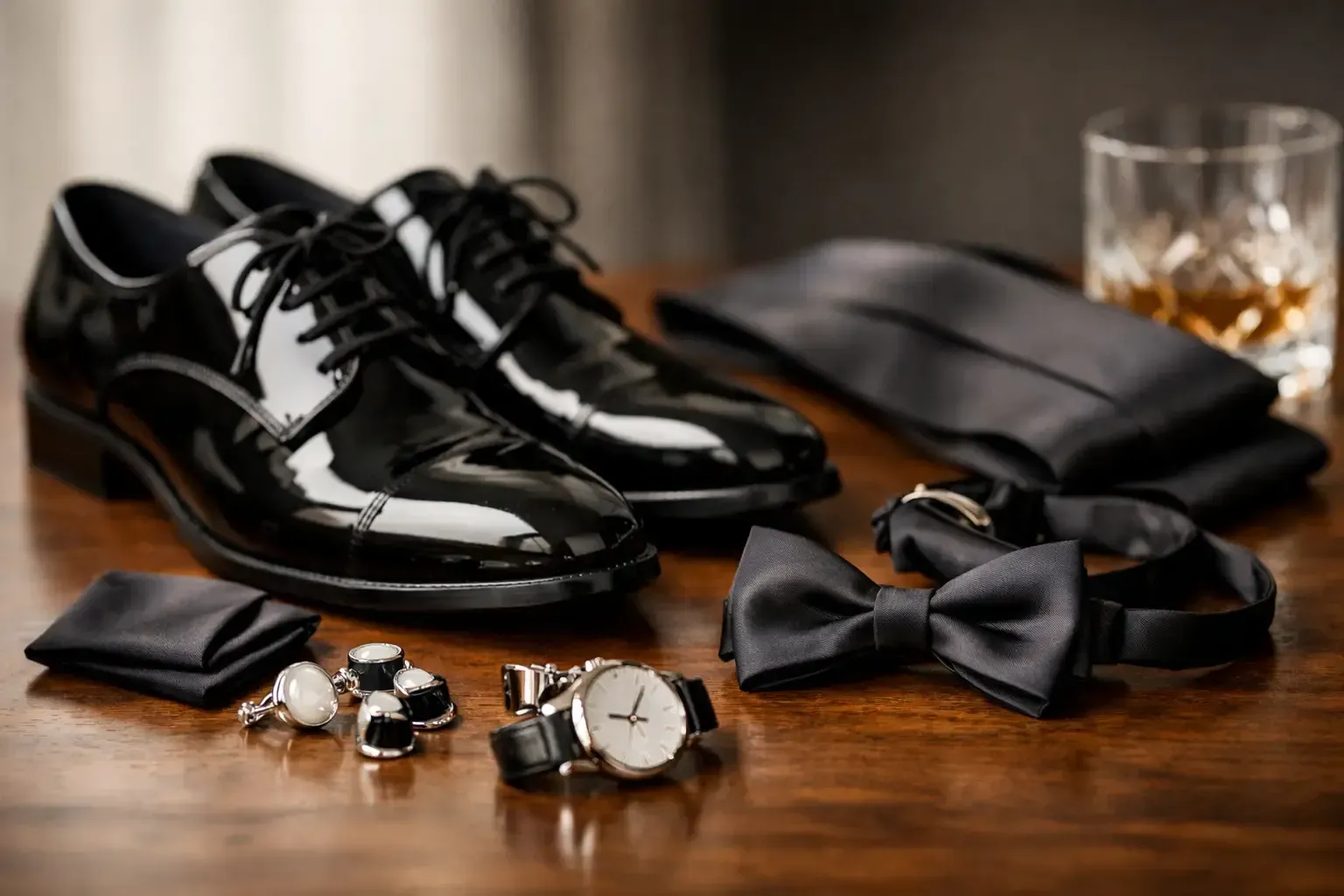
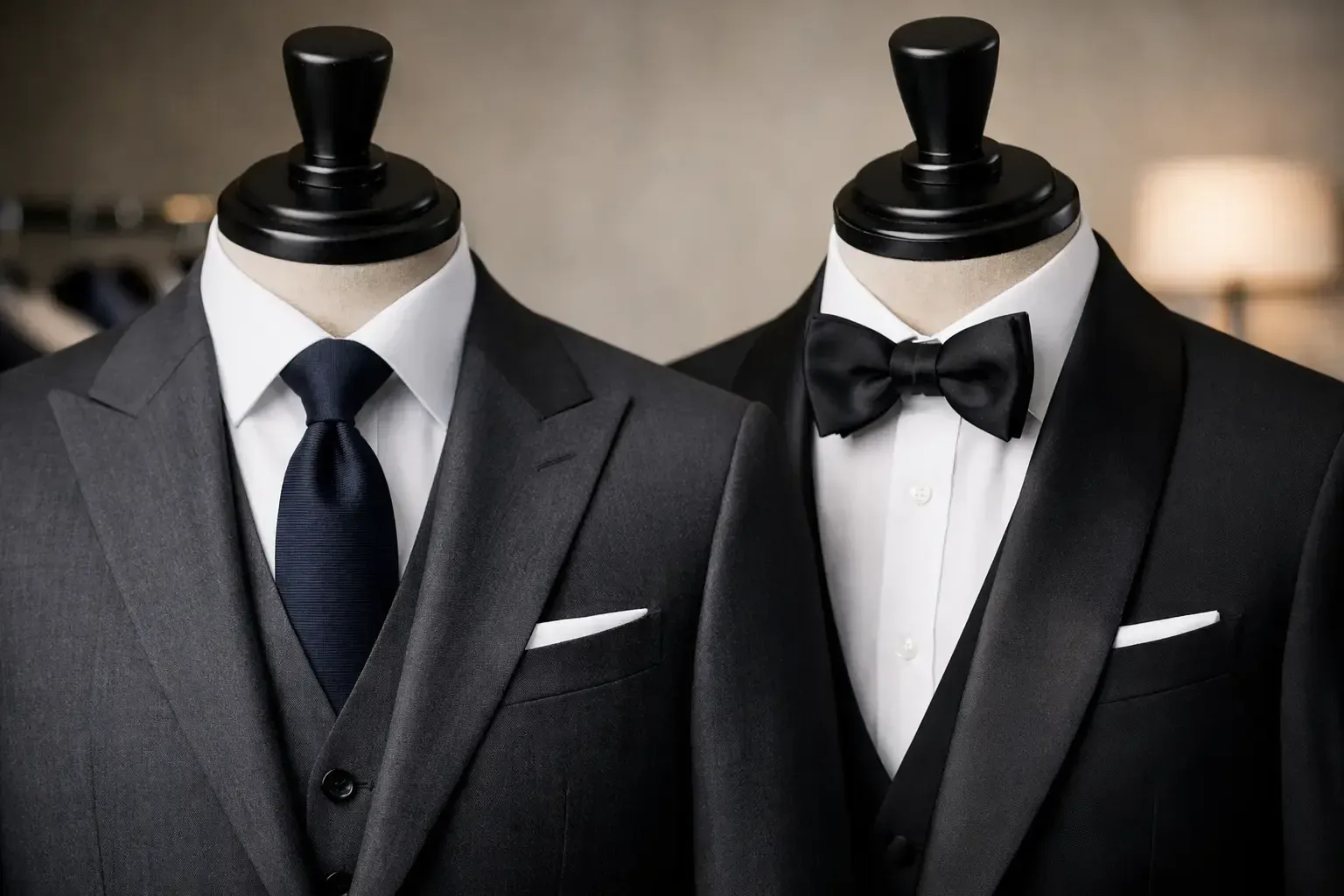
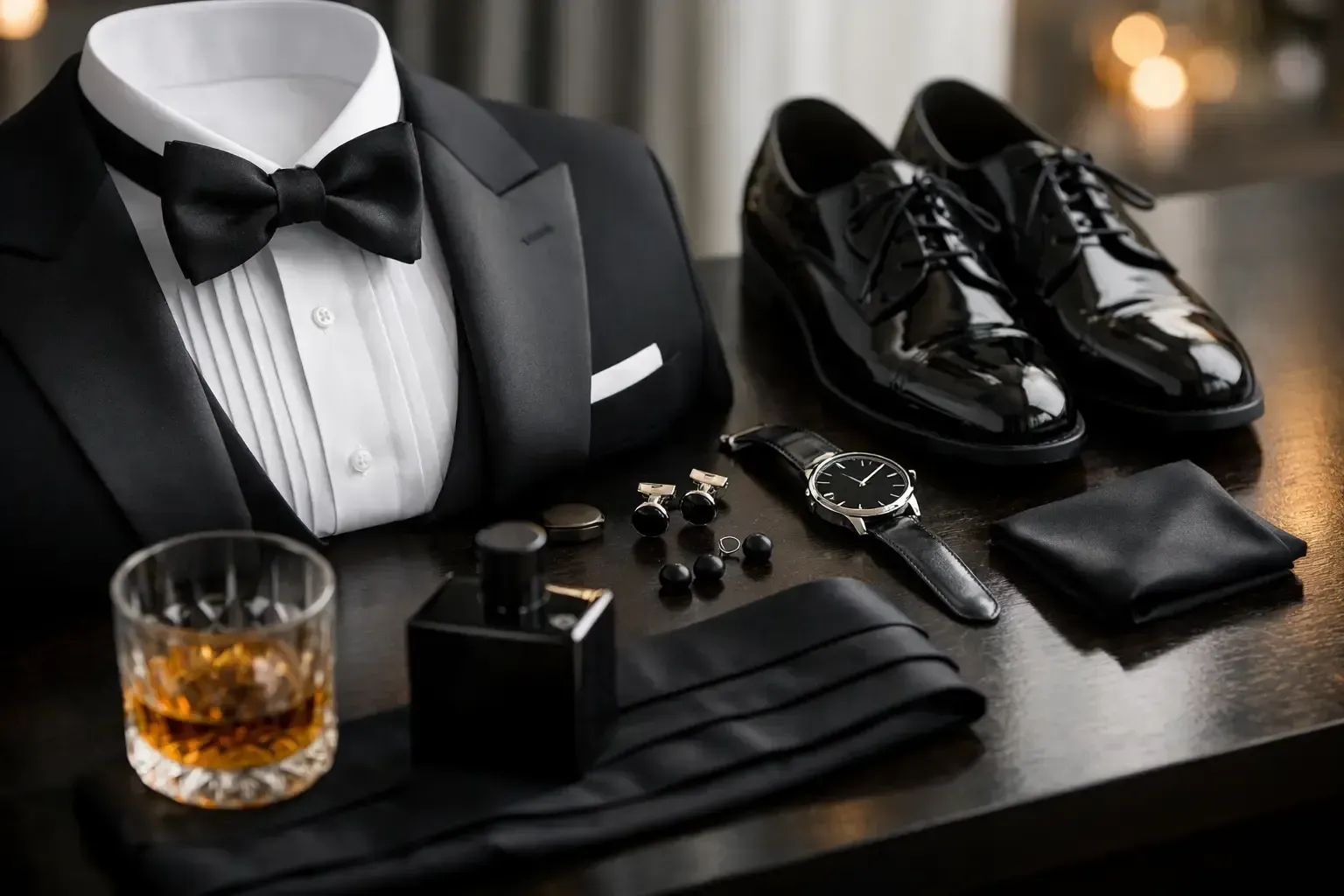
For galas and formal events, black tie has its own language. A proper tuxedo is not simply a black business suit with a bow tie. Details such as the facing, trouser treatment, shirt, and overall balance create the distinction. When the invitation calls for formalwear, honoring that dress code is one of the simplest ways to look fully at ease in the room.
Fit Creates the First Impression
People often notice fit before they notice fabric, even if they cannot explain why. A clean shoulder line, a collar that rests properly, sleeves with the right proportion, and trousers that complement the wearer’s stance create visual calm. The suit appears effortless because it is built around the person wearing it.
This is why custom clothing is especially valuable for clients who have never felt well served by standard sizing. A jacket can look restrictive on one person and shapeless on another, even when both wear the same tagged size. Height, shoulder position, chest shape, posture, and personal preference all affect how a garment should be designed.
There is also a difference between a close fit and an overly tight one. Modern luxury is not about squeezing into the narrowest possible silhouette. It is about a refined line that permits movement, preserves comfort, and looks composed whether you are standing, seated, or greeting a room. A skilled clothier will guide that balance rather than force every client into one fashionable shape.
Choose Fabric for Houston Life
Houston’s heat and humidity should inform any wardrobe conversation. Heavier cloth can be beautiful, but it may not be the most practical choice for a client who spends time outdoors, travels frequently, or moves between meetings throughout the day. Breathable, high-quality wool in an appropriate weight is often an exceptional starting point because it offers polish, resilience, and versatility.
For warm-weather events, lighter-weight wool, wool blends selected with care, or linen-blend options can make sense. Linen brings relaxed texture and character, though it naturally develops a more lived-in appearance. That is part of its appeal for a summer wedding or destination celebration, but it may not suit a client seeking a crisp corporate look from morning through evening.
Color deserves equal consideration. Navy, charcoal, and medium gray are enduring foundations. A deep brown, muted green, or soft beige can add range once those essentials are established. Patterns should be chosen with an honest view of frequency. A subtle glen plaid or restrained windowpane can become a favorite; a bold check may be ideal for a statement piece but less useful as an everyday suit.
Details Should Feel Personal, Not Forced
The most memorable custom suits reveal personality in controlled ways. A custom lining, a considered button choice, a distinctive but refined pocket style, or a monogram placed discreetly inside the jacket can make the garment unmistakably yours. These details are not decoration for its own sake. They are part of the experience of owning something hand-crafted with intention.
Lapel choice is another area where guidance matters. A notch lapel is versatile and enduring. A peak lapel adds presence and can be especially compelling for formalwear, weddings, and clients who want a more assertive line. A shawl collar belongs naturally on select dinner jackets and tuxedos. None is universally superior; the right choice depends on the garment’s role and the wearer’s style.
The same restraint applies to accessories. A well-chosen shirt, tie, pocket square, and shoes should support the suit rather than compete with it. If the fabric has texture or pattern, keep the surrounding elements measured. If the suit is clean and understated, accessories can introduce a quiet point of character.
The Value of a Personal Consultation
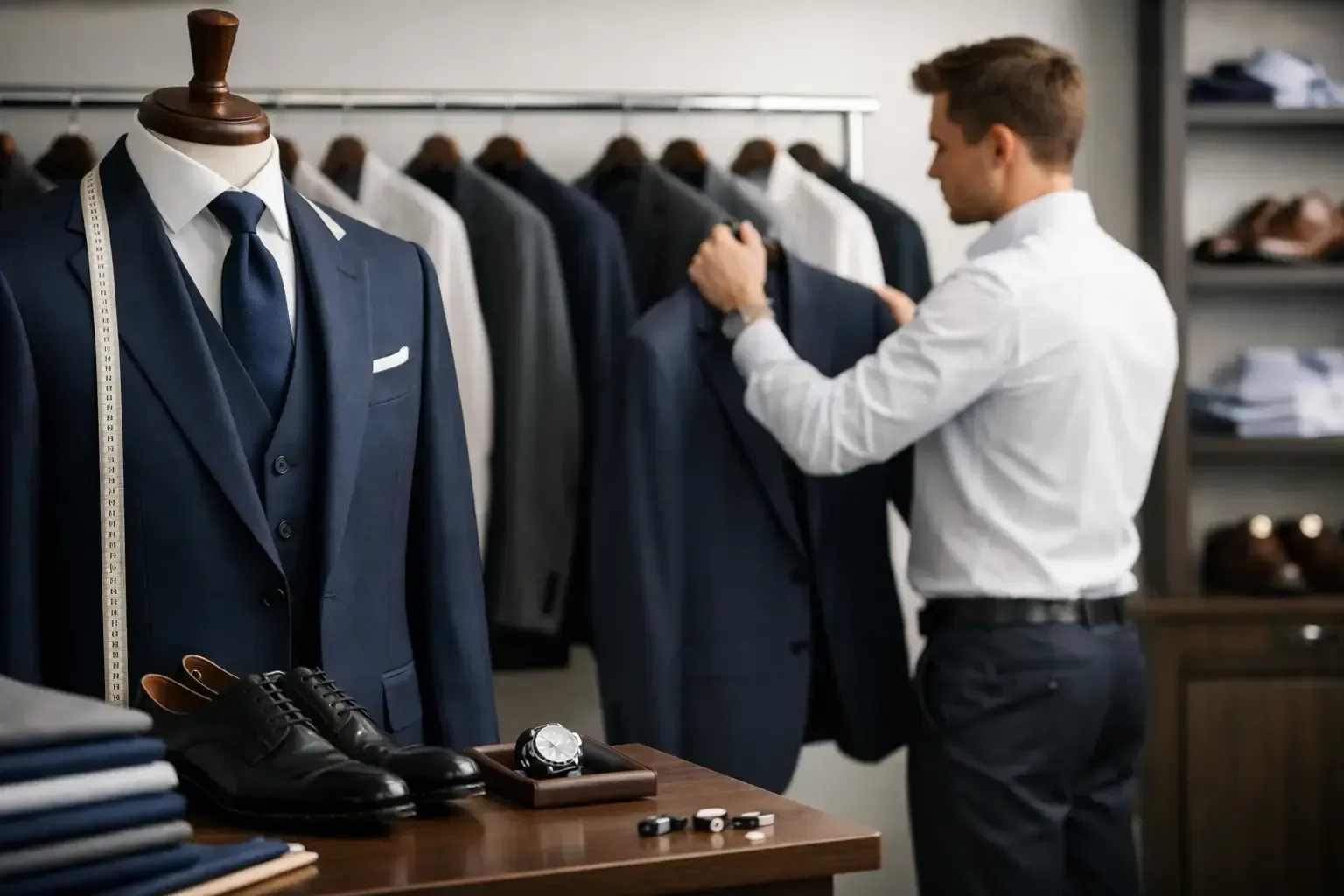
A custom suit is a collaborative process, not a transaction. The first conversation should account for your calendar, preferences, existing wardrobe, and the occasions ahead. From there, fabric, silhouette, and details can be selected with a clear purpose rather than guesswork.
At Kamran Bespoke, each appointment is centered on that individual process. The goal is not to sell the most dramatic option in the room. It is to create a garment that feels right when you put it on, photographs with distinction, and continues to earn its place in your wardrobe over time. For clients in River Oaks and across Houston, consultations can be shaped around businesswear, wedding attire, formalwear, or a complete wardrobe refresh.
A bespoke investment should be approached with the same care you bring to other meaningful decisions. Ask how the garment will wear, which fabrics fit your environment, and whether the design will still feel relevant years from now. A suit with lasting value is not defined by its label or its price alone. It is defined by how precisely it serves the person inside it.
The right suit does more than improve an outfit. It changes the way you enter the room: prepared, comfortable, and entirely yourself.