
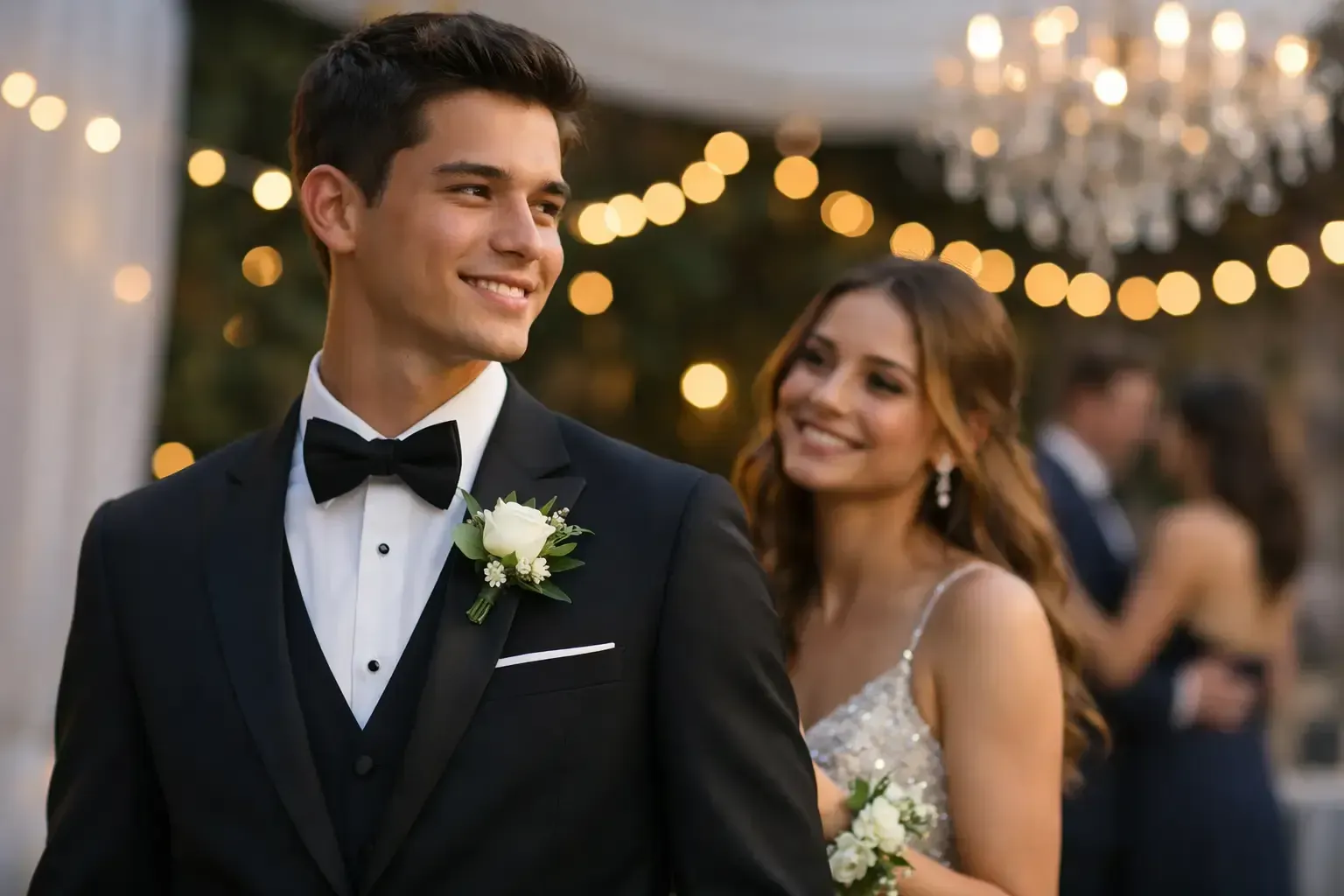
The lapel changes more than most grooms expect. Two jackets can be cut from the same cloth, in the same color, with the same fit, and still project a completely different presence because of that one detail. If you are deciding how to choose wedding lapel styles, the right answer is not simply what looks fashionable. It is what complements your build, matches the formality of the wedding, and feels true to the way you want to be seen on a day that will be photographed from every angle.
A well-chosen lapel brings balance to the face, gives structure to the chest and shoulders, and sets the tone before anyone notices the finer details. A poor choice is rarely dramatic, but it can make a tuxedo feel too severe, a suit feel too plain, or a groom feel slightly unlike himself. That is why lapel selection deserves more attention than a quick last-minute preference.
How to Choose Wedding Lapel Styles for the Right Setting
Start with the level of formality. That single decision narrows the field quickly and keeps the rest of your style choices coherent.
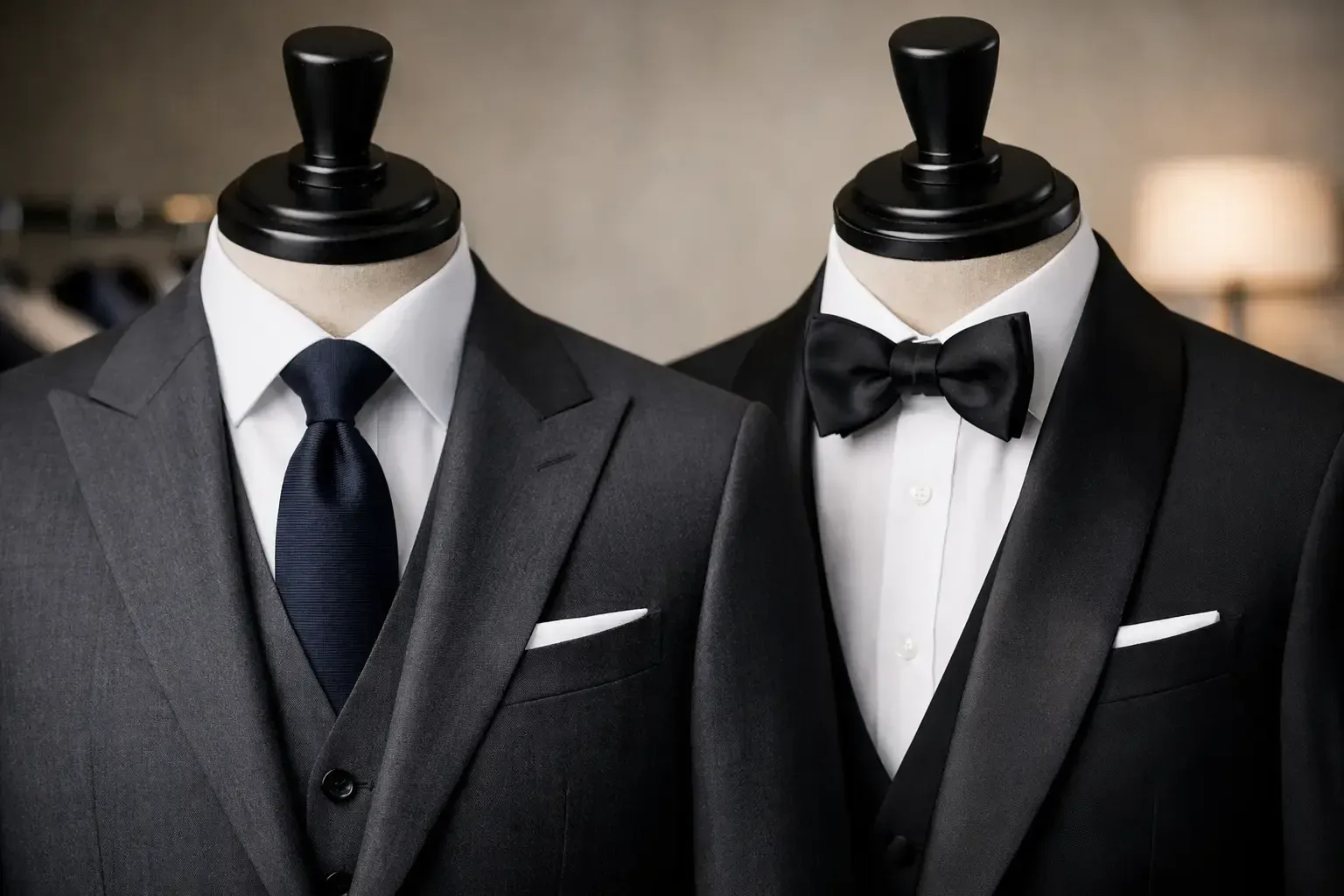
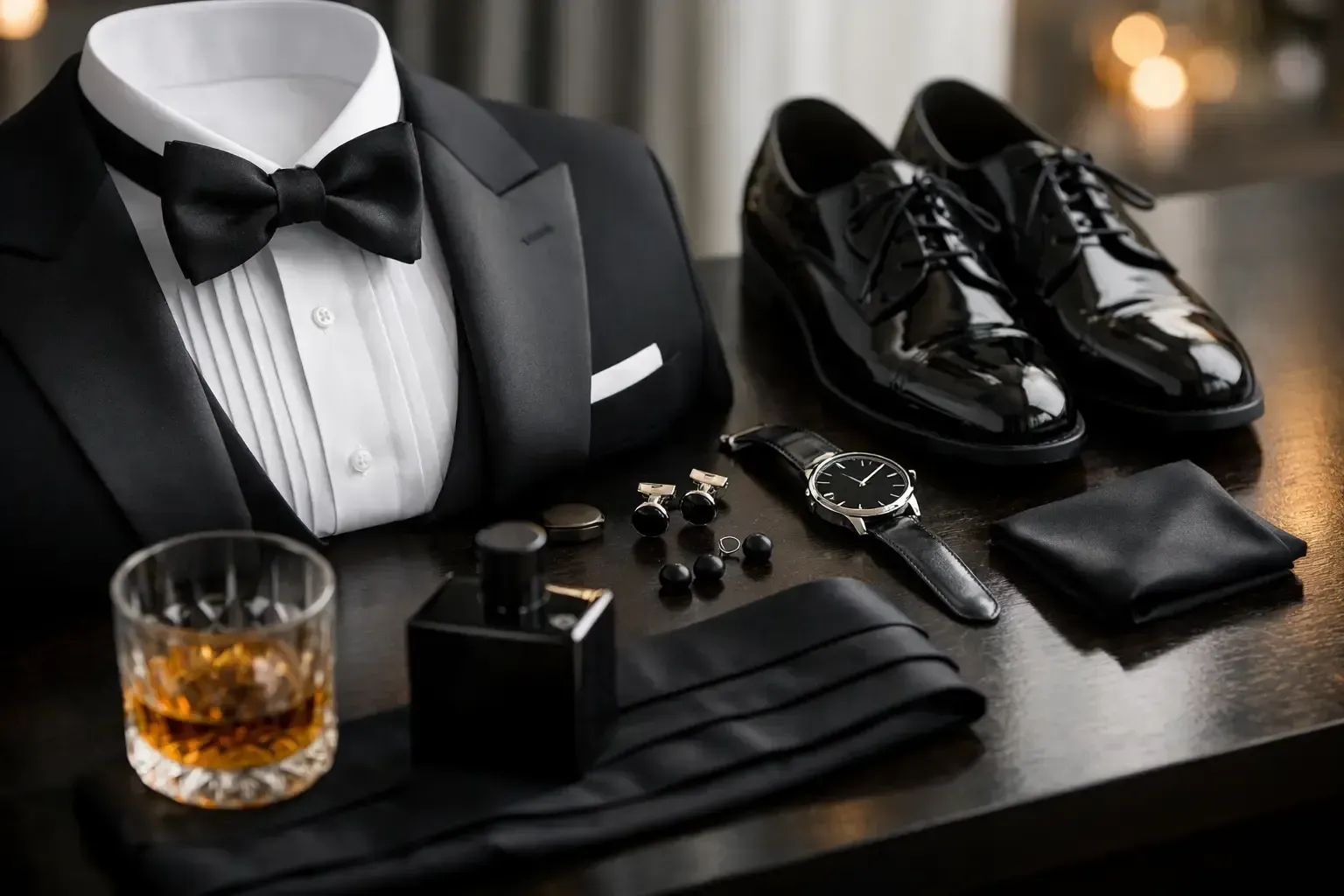
For a black-tie evening wedding, the shawl lapel and the peak lapel are usually the strongest options. A shawl lapel has a smooth, continuous curve that feels refined and unmistakably formal. It is elegant without looking busy, which makes it especially appealing for grooms who want a clean, polished finish. A peak lapel is more assertive. Its upward angle creates presence and gives the jacket a stronger, more ceremonial look. If you want your wedding attire to feel elevated and distinguished, a peak lapel often delivers that effect immediately.
For a formal wedding that is not strictly black tie, the peak lapel still works beautifully, but the notch lapel can also be appropriate depending on the overall styling. A notch lapel is the most versatile and familiar option. It is less dramatic, more understated, and well suited to weddings where the tone is elegant but not overly rigid.
For daytime weddings, outdoor celebrations, or settings with a lighter, more relaxed mood, the notch lapel often feels the most natural. It can still look luxurious and highly intentional, especially when paired with exceptional fabric, a precise silhouette, and thoughtful details. The mistake is assuming that understated means ordinary. In custom clothing, restraint can look every bit as powerful as formality.
The Three Main Wedding Lapel Styles
Notch lapel
The notch lapel is defined by the small cut where the collar and lapel meet. It is classic, balanced, and adaptable. For many grooms, it offers the safest route because it works across a wide range of venues, dress codes, and body types.
That said, safe does not always mean best. If your wedding look calls for more drama or formality, a notch lapel may feel too quiet. It shines when the goal is timelessness and ease rather than statement-making presence.
Peak lapel
The peak lapel angles upward toward the shoulder, creating a sharper and more commanding appearance. It broadens the upper body visually and gives the jacket a stronger architectural line. This is often an excellent choice for grooms who want to look more powerful through the chest and shoulders or who simply want a look with greater distinction.
Peak lapels are especially effective for weddings because they photograph beautifully. They frame the chest and draw the eye upward, which can make the entire silhouette appear more confident. The trade-off is that they are inherently more formal, so they should align with the tone of the event.
Shawl lapel
The shawl lapel has no notch or peak. Instead, it rolls in one smooth curve from collar to front opening. It is most commonly associated with tuxedos and eveningwear, and it carries a polished, elegant softness that reads as luxurious.
A shawl lapel is ideal for the groom who wants his attire to feel special without looking sharp or aggressive. It is refined, clean, and memorable. It may be less flexible than a notch lapel, but in the right setting, it can be the most sophisticated choice in the room.
Match the Lapel to Your Face and Frame
This is where good taste becomes personal. The same lapel can look balanced on one groom and slightly off on another.
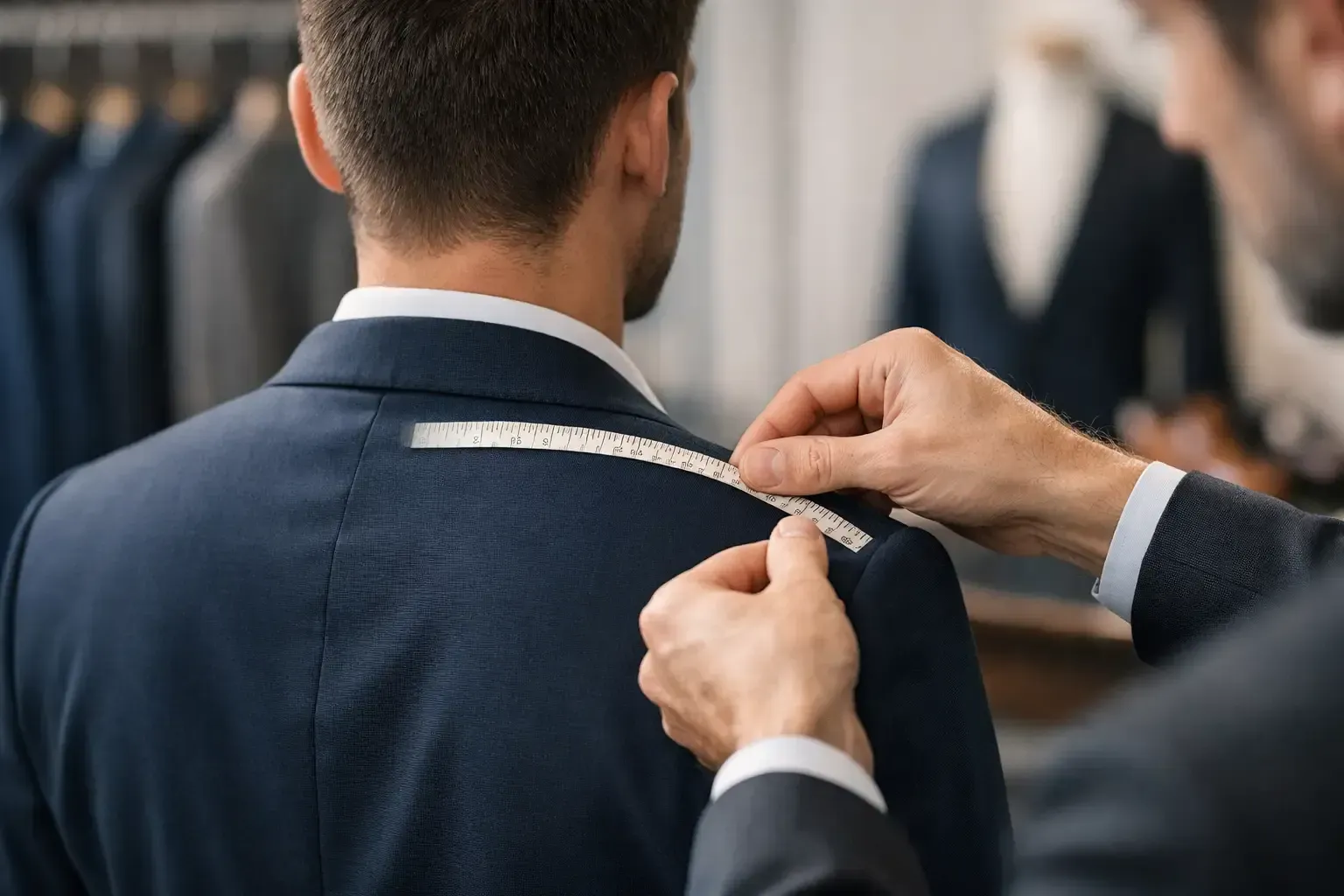
If you have a broader chest or wider shoulders, a moderate to wider lapel often looks more proportional than a very slim one. Narrow lapels on a broad frame can appear undersized, almost like an afterthought. A fuller lapel width gives the jacket authority and keeps the proportions in harmony.
If you have a slender build, a lapel that is too wide can overwhelm your frame. In those cases, a slightly slimmer notch or a carefully scaled peak lapel often feels cleaner and more flattering. The goal is not to make the body look larger or smaller at all costs. It is to create visual balance.
Face shape matters as well. A peak lapel can add length and direction, which is often flattering for rounder faces. A shawl lapel softens the line of the jacket and can look especially elegant on men with angular features. A notch lapel tends to be the most universally wearable because it sits in the middle stylistically and visually.
This is also why trying to copy a celebrity wedding look can be misleading. What looks exceptional on one man may work because of his height, shoulder line, neck length, or the way the jacket was cut specifically for him.
Fabric Changes the Personality of the Lapel
When clients think about lapels, they often focus only on shape. Fabric and finish are just as important.
A peak lapel in a matte wool suit feels different from a peak lapel faced in satin on a tuxedo. The first is elegant and versatile. The second is more formal and clearly evening-oriented. A shawl lapel in velvet has a rich, celebratory character. In a classic black tuxedo with silk facing, it feels timeless and sleek.
Texture can also make a quieter lapel more interesting. If you are drawn to a notch lapel but want the jacket to feel elevated, the cloth itself can do some of that work. A deep navy with subtle luster, an ivory dinner jacket, or a richly woven seasonal fabric can transform a simple lapel into something memorable.
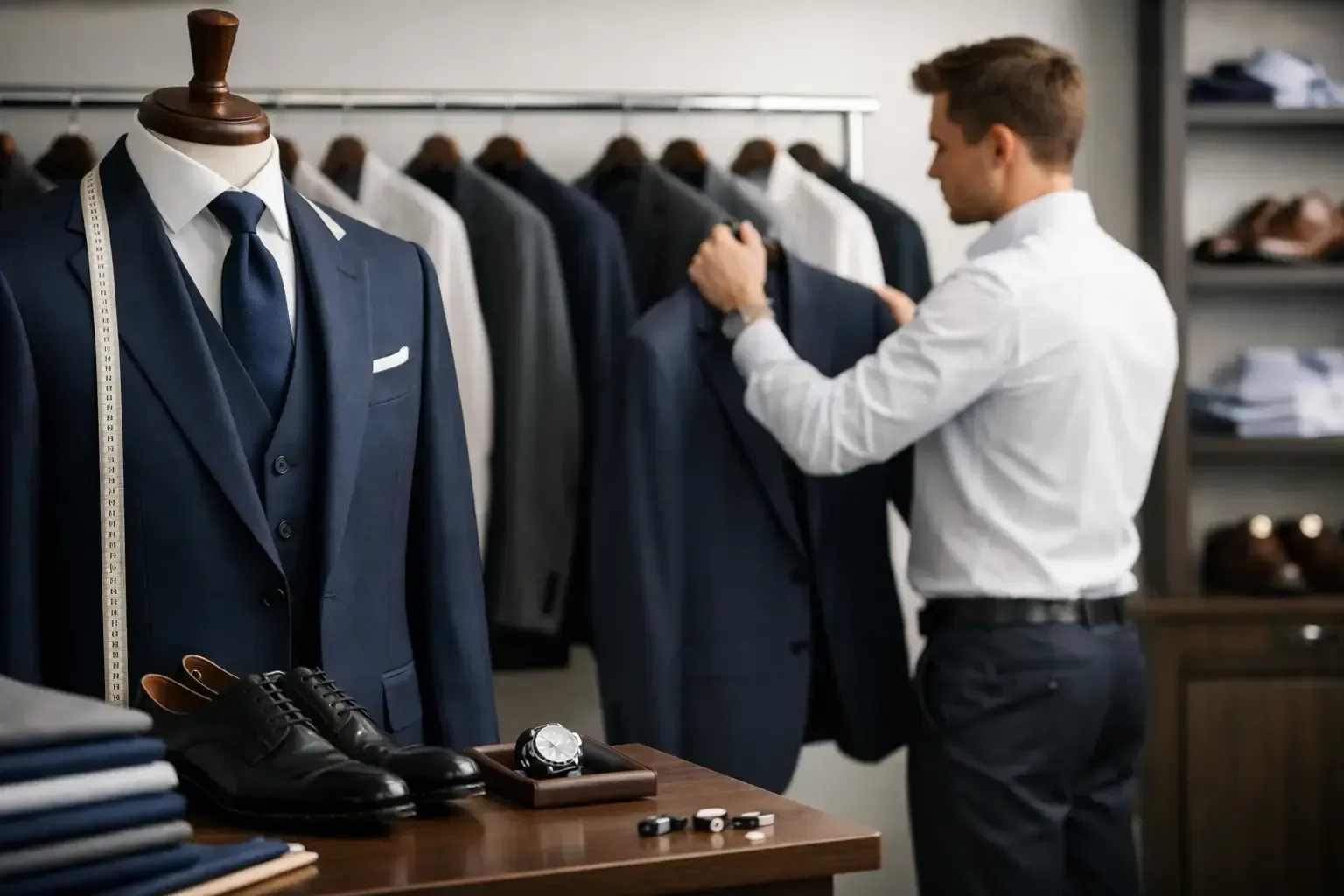
This is where bespoke guidance becomes especially valuable. The lapel should not be chosen in isolation. It should be considered alongside fabric weight, surface texture, button stance, jacket shape, and the overall atmosphere of the wedding.
Think About the Wedding Photos
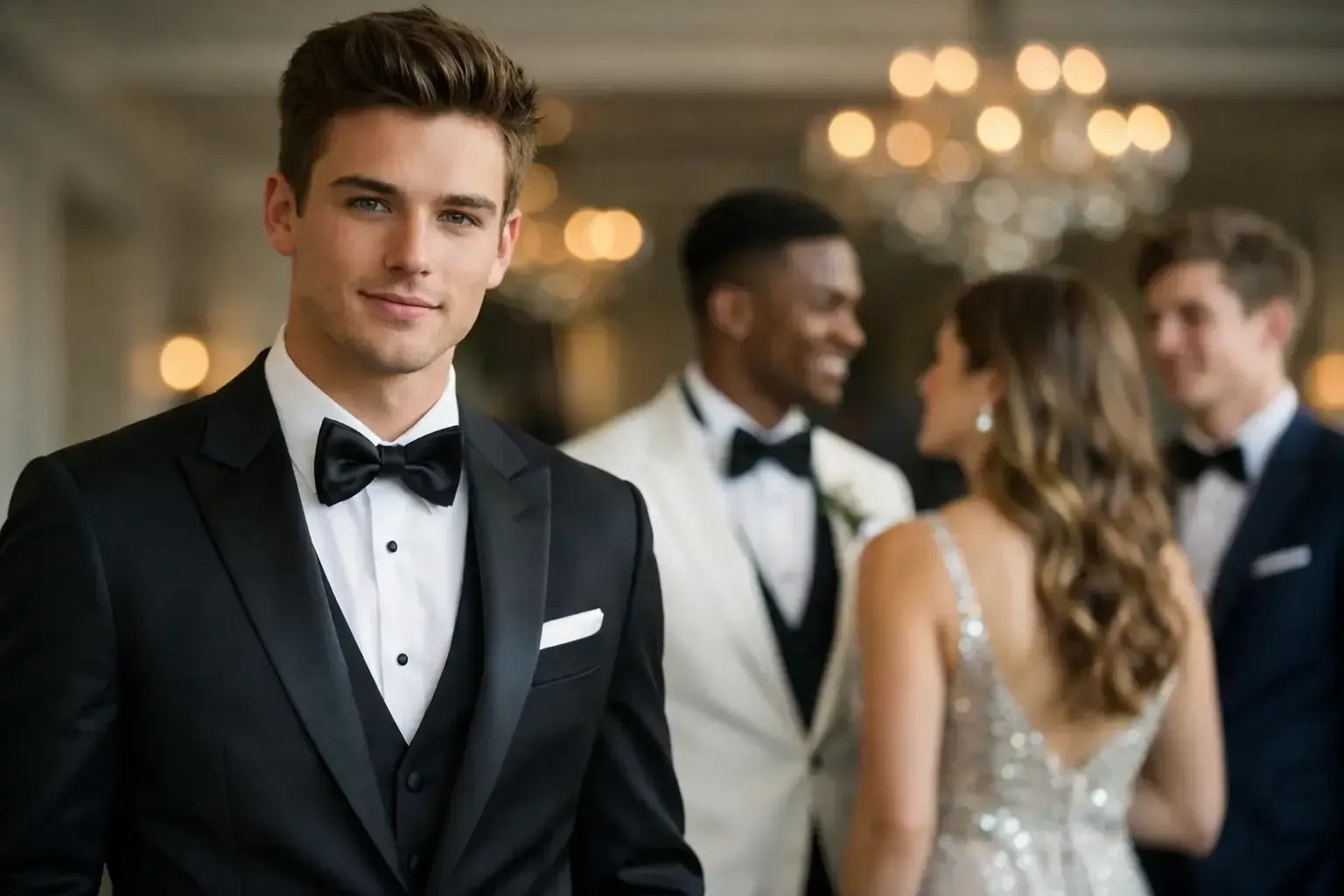
Your lapel is not a small detail in photographs. It frames the shirt, tie or bow tie, boutonniere, and face in nearly every formal portrait.
If your wedding style is classic black tie, a shawl or peak lapel usually reads more distinctly in photos than a notch lapel. It immediately signals occasion. If your celebration is outdoors, daytime, or more tailored than tuxedoed, a notch lapel often looks elegant without seeming overdressed.
Contrast matters too. Dark lapels against a crisp white shirt create strong visual structure. Satin-faced lapels catch light differently than matte wool. A lapel that feels subtle in person may still become a defining feature on camera.
For grooms who want a timeless album rather than a trend-driven look, moderation usually wins. Extremely skinny lapels or exaggeratedly wide ones can date a jacket more quickly. Proportion tends to age better than fashion.
How to Choose Wedding Lapel Styles Without Overthinking It
If you feel pulled between two options, ask a more useful question than which lapel is best. Ask which one best reflects the role your clothing is playing.
If the goal is elegance with versatility, choose a notch lapel. If the goal is formality with presence, choose a peak lapel. If the goal is black-tie refinement with a softer, luxurious finish, choose a shawl lapel.
Then refine from there. Consider your frame, the venue, the hour of the ceremony, the season, and whether you want your look to feel quietly confident or unmistakably dressed for the moment. None of these factors exists on its own. The best wedding attire feels resolved because all of the decisions support each other.
At Kamran Bespoke, this is often where the process becomes enjoyable for clients. Once the event, silhouette, and personal style are clearly defined, lapel choice stops feeling like a technical detail and starts feeling like part of a larger vision.
The right lapel should not make you feel like you are wearing a costume or chasing a trend. It should make you stand taller, feel more certain, and look exactly like the man who was meant to be at the center of that day.