
A bespoke suit can look extraordinary on a hanger and still be wrong for the man wearing it. The best one is not simply the most expensive fabric or the most dramatic styling choice. It is the suit that fits your frame, serves your life, and reflects your taste with confidence. If you are wondering how to choose bespoke suit options wisely, the answer starts with clarity, not excess.
For many clients, the decision begins with an occasion - a wedding, a new role, a formal event, or the realization that off-the-rack tailoring never fits quite right. Bespoke is valuable because it solves more than one problem at once. It refines fit, sharpens presence, and gives you control over the details that make a garment feel personal rather than generic.
How to choose bespoke suit with the right purpose
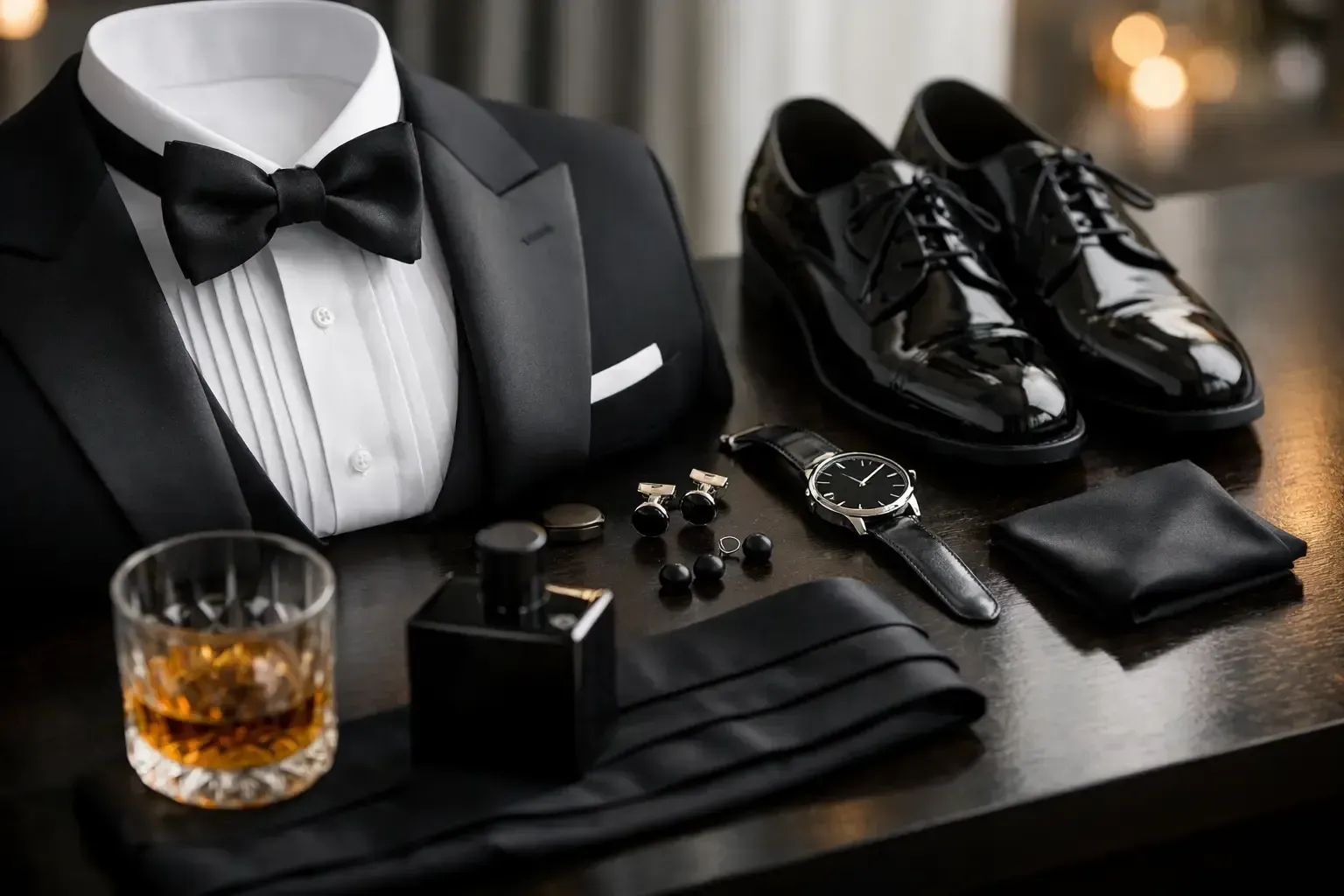
Before you discuss lapels, linings, or buttons, define what the suit needs to do. A boardroom suit should project polish without drawing too much attention to itself. A wedding suit can carry more personality, richer texture, or a distinctive color story. An evening suit may call for stronger contrast, cleaner lines, and a more formal finish.
This step matters because purpose shapes every decision that follows. A first bespoke suit is often best when it is versatile enough to wear in several settings. For many men, that means navy or charcoal in a refined four-season fabric. Those shades photograph well, transition easily from daytime to evening, and remain relevant for years. If your wardrobe already covers business essentials, then a statement piece in a subtle plaid, deep green, or textured brown may be the more intelligent choice.
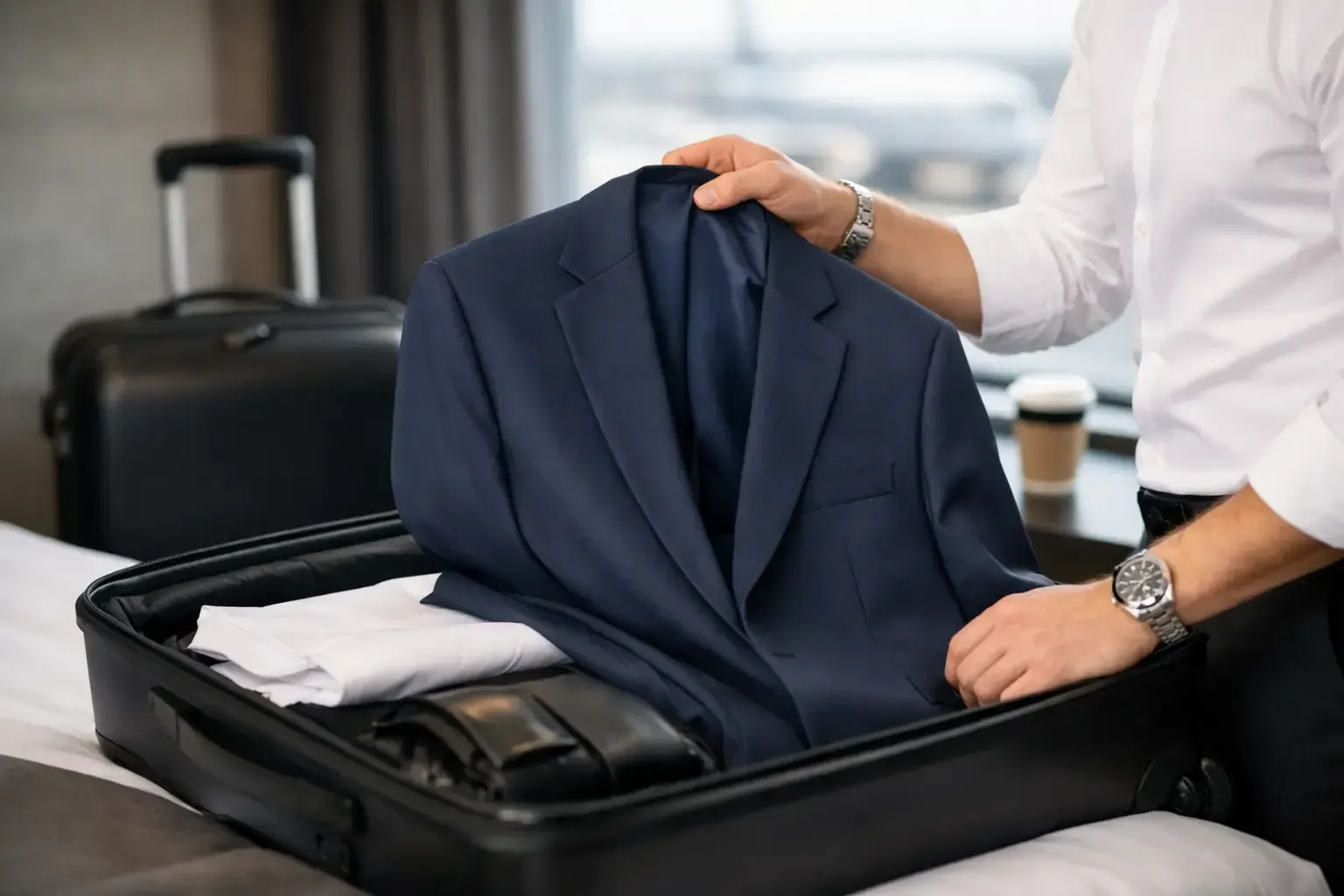
A suit should also match the rhythm of your life. If you travel often, wrinkle resistance and comfort will matter more than delicate luxury. If you attend events in Houston’s warmer climate, fabric weight and breathability deserve serious attention. Elegance is not only about appearance. It is also about feeling composed in the garment for hours.
Start with fit, not fashion
A bespoke suit succeeds or fails at the silhouette. Trends come and go, but proportion is what makes a suit look expensive and intentional. That is especially important for clients who have struggled with off-the-rack clothing, whether because they are broad-shouldered, athletic, slender, taller than average, or simply difficult to fit cleanly.
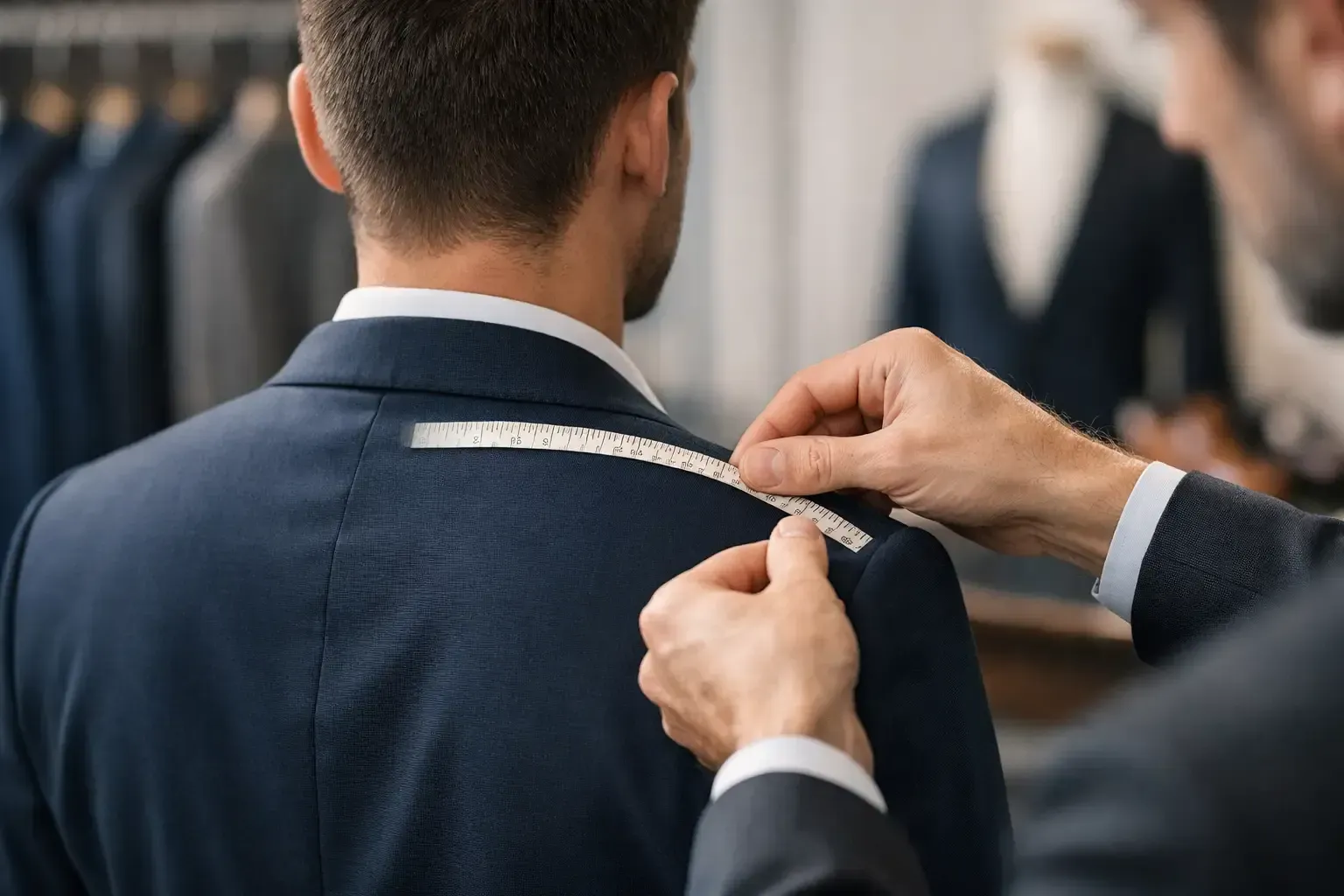
The shoulder line is the foundation. If it is balanced and clean, the rest of the jacket can follow your body with precision. The chest should allow ease without excess fullness. The waist should shape the body naturally rather than squeeze it into an artificial V. Trousers should complement the jacket rather than compete with it, with a rise and leg line that support your proportions.
This is where expert guidance becomes invaluable. Many clients arrive thinking they want a very slim suit because they associate slimness with modernity. Sometimes that works. Sometimes it makes movement awkward and emphasizes the wrong areas. A better goal is a defined silhouette that feels elegant and natural on your frame. Precision fit always looks more refined than a trend-driven cut.
The mirror should confirm, not surprise
A good bespoke consultation should translate your preferences into something flattering, not simply agree with every initial request. If you prefer a close fit, a skilled tailor will refine that into a silhouette that remains clean when you sit, walk, and button the coat. If you want comfort, that should not mean unnecessary volume. The right suit feels considered from every angle.
Fabric is where style meets function
When clients think about luxury, they often start with the cloth. That instinct is understandable, but fabric should be chosen with equal attention to performance. The finest material in the wrong weight or texture can make the suit less wearable.
For a first or most-used suit, wool remains the strongest choice. It offers structure, breathability, and year-round versatility when selected in an appropriate weight. Super-fine wools can feel impressively soft, but ultra-delicate cloth may not be the best option for frequent wear. If durability matters, a slightly more substantial fabric can be the smarter investment.
Texture also changes the personality of a suit. A smooth worsted wool reads cleaner and more formal, which makes it ideal for business, ceremonies, and polished everyday wear. Flannel adds softness and depth, particularly in cooler months. Linen and wool blends bring relaxed character but wrinkle more easily, which may suit a summer celebration better than a high-stakes workday.
Color should be approached with the same discipline. Navy is dependable but far from boring when the fit is exact and the cloth has depth. Charcoal carries authority and understated elegance. Mid-blue can feel fresh and approachable. Bold colors and large patterns can be striking, but they ask for confidence and occasion-specific intent. If you are building a long-term wardrobe, versatility often wins first.
Choose the design details that support your style
This is the part clients tend to enjoy most, and for good reason. Bespoke clothing allows you to shape a garment that feels unmistakably your own. The key is restraint. Personalization has the strongest effect when every choice works together.
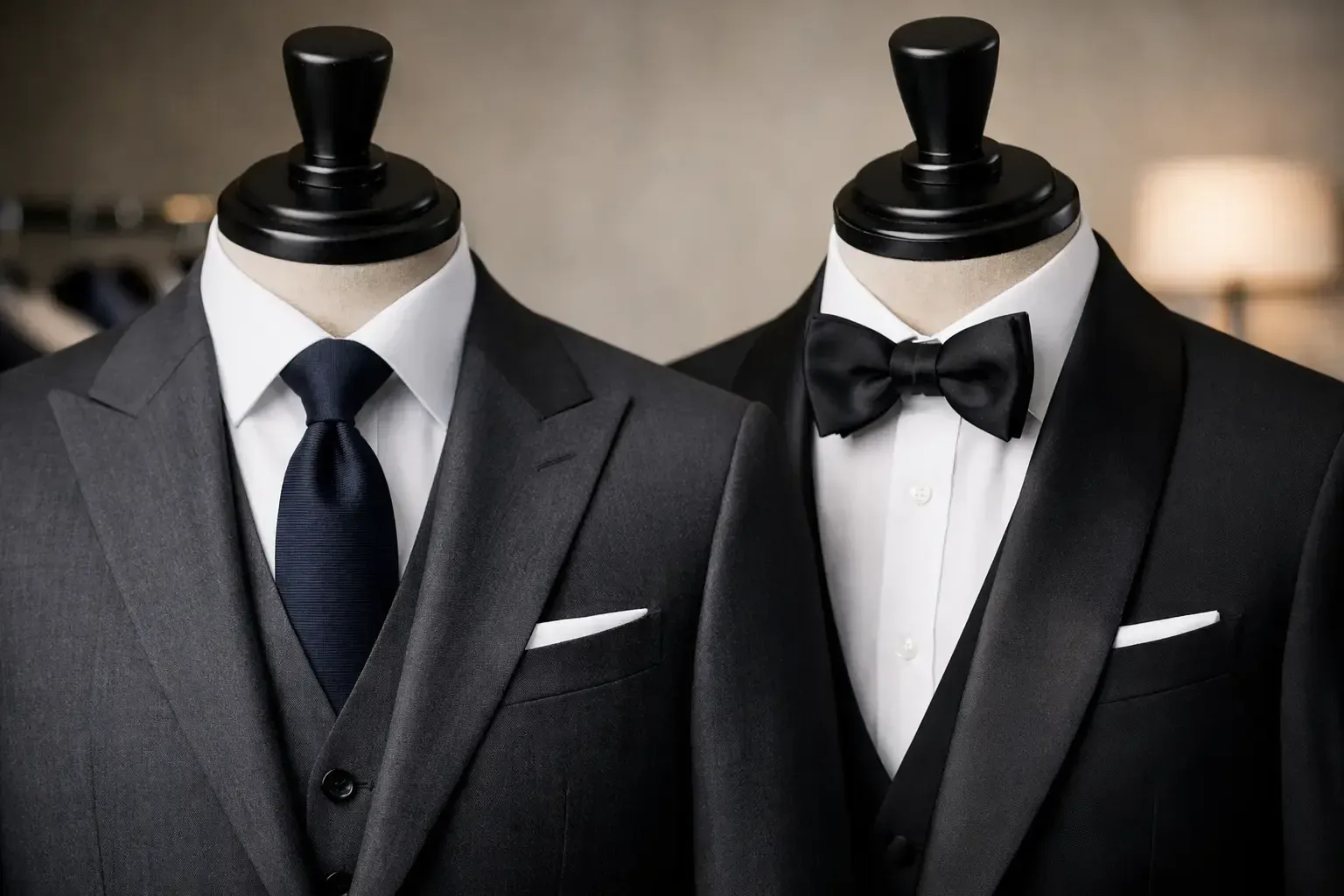
Lapels set the tone quickly. Notch lapels are versatile and timeless, which makes them an excellent choice for business and all-purpose suits. Peak lapels create more presence and formality, often favored for wedding attire, power dressing, or men who want a stronger silhouette. Shawl lapels belong primarily to tuxedos and eveningwear.
Single-breasted jackets offer the widest flexibility and are often the right starting point. Double-breasted jackets can be exceptionally elegant, but they are more distinctive and less adaptable depending on your lifestyle. Pocket style, button stance, jacket length, trouser pleats, cuffs, and lining all contribute to the final impression. None of these details are minor when combined.
How to choose bespoke suit details without overdesigning
A suit can be deeply personal without becoming overly decorative. A custom lining, monogram, or contrast undercollar can add character discreetly. A bolder windowpane or dramatic button choice may be appropriate for a special event or a client with an established wardrobe. But for many men, refinement comes from subtlety. The best bespoke suits often reveal their quality slowly - through balance, cloth, and finish rather than obvious flourishes.
Think beyond the fitting room
A bespoke suit should work not only for the appointment, but for the life you will wear it into. That means asking practical questions early. How often will you wear it? In what climate? With which shoes and shirts already in your wardrobe? Do you need it to pair with multiple ties, or stand alone as a memorable event look?
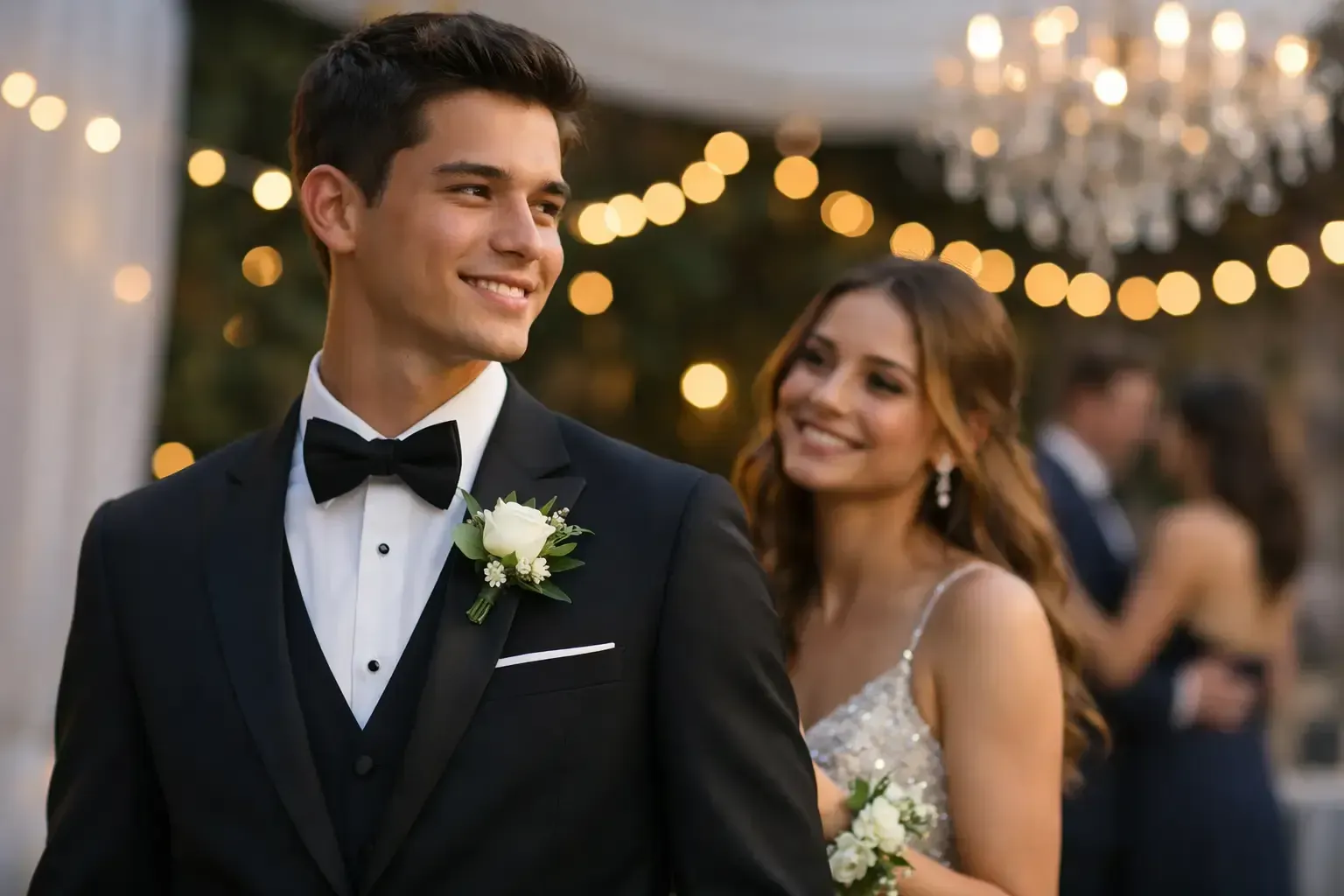
This is where true personalization becomes more valuable than customization for its own sake. A suit designed for one client may prioritize versatility and understated authority. Another may need elegance that photographs beautifully at a wedding. Another may want a sharper waist, more room through the seat, or a fabric that performs better during long days. The right choices are rarely universal.
If you are investing in a bespoke garment, it is also worth considering wardrobe continuity. A suit should not exist in isolation. It should complement your dress shirts, outerwear, footwear, and the environments in which you spend time. When those elements align, the suit feels effortless rather than staged.
The experience matters as much as the garment
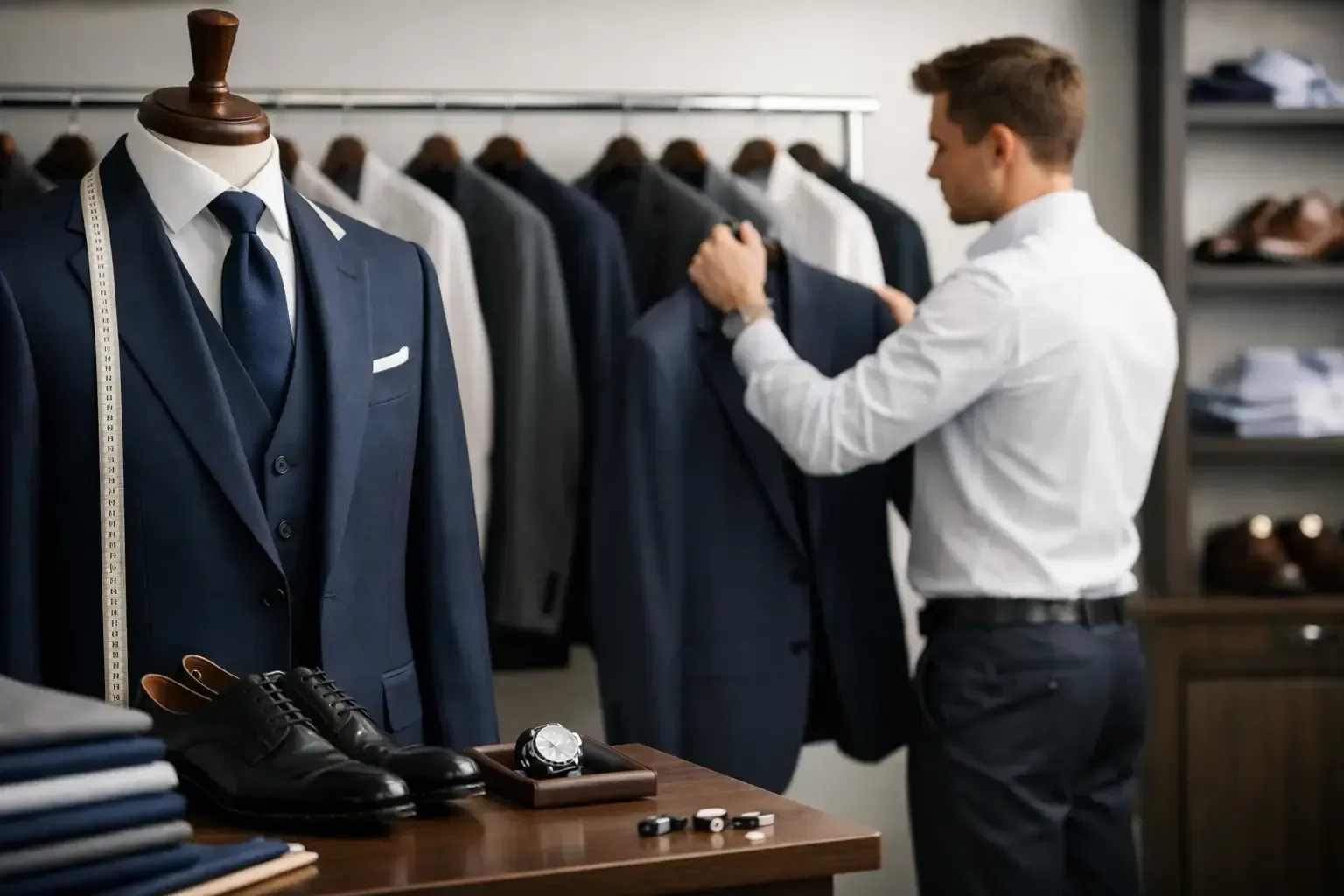
A true bespoke process should feel collaborative, attentive, and exacting. You are not simply buying a product. You are working with a specialist who studies posture, proportion, preferences, and the visual message you want to send. That level of service is often what clients remember most, alongside the confidence that comes when the garment is finished.
The best consultations create clarity. You should come away understanding why a certain cloth suits your needs, why one lapel shape is more flattering than another, and how the final design will serve your occasion. At Kamran Bespoke, that guidance is part of the luxury itself - not pressure, but expertise tailored to the individual.
When you know how to choose bespoke suit options with intention, the result is more than a better fit. It is a garment that carries your presence with precision, whether you are walking into a wedding, an important meeting, or a room where first impressions matter. Choose the suit that makes you feel unmistakably like yourself, only sharper.