
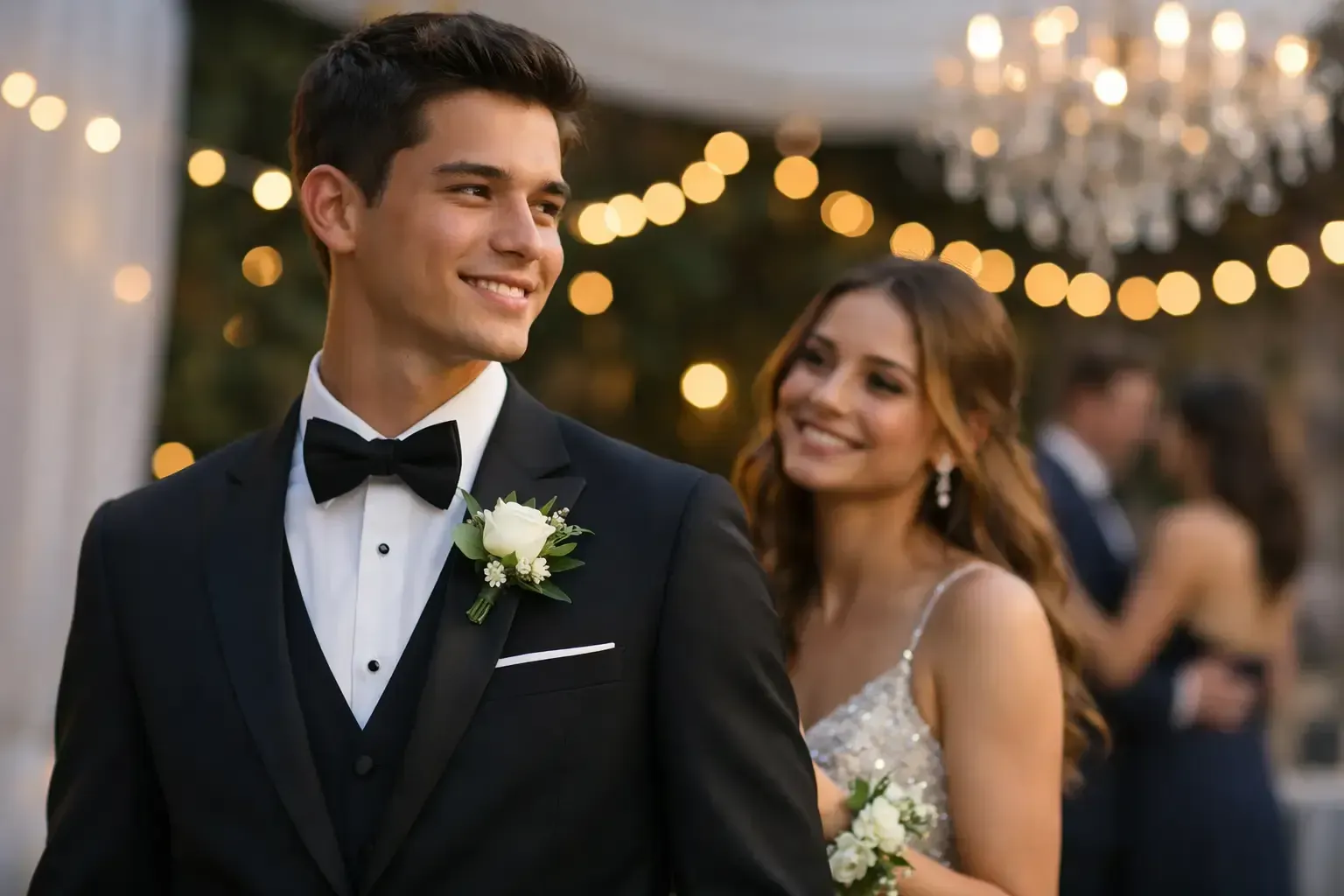
A slim frame can make a suit look striking - or slightly off - with very little margin in between. That is why one of the most common questions we hear is how should a suit fit slim men, especially from professionals, grooms, and clients who are tired of jackets that hang flat or trousers that look borrowed.
For slender men, fit is not about making the body look bigger than it is. It is about creating shape, balance, and clean lines. A well-cut suit should follow the body closely without pulling, collapsing, or looking overly tight. When the proportions are right, the result feels polished, confident, and effortless.
How should a suit fit slim men in the shoulders and chest?
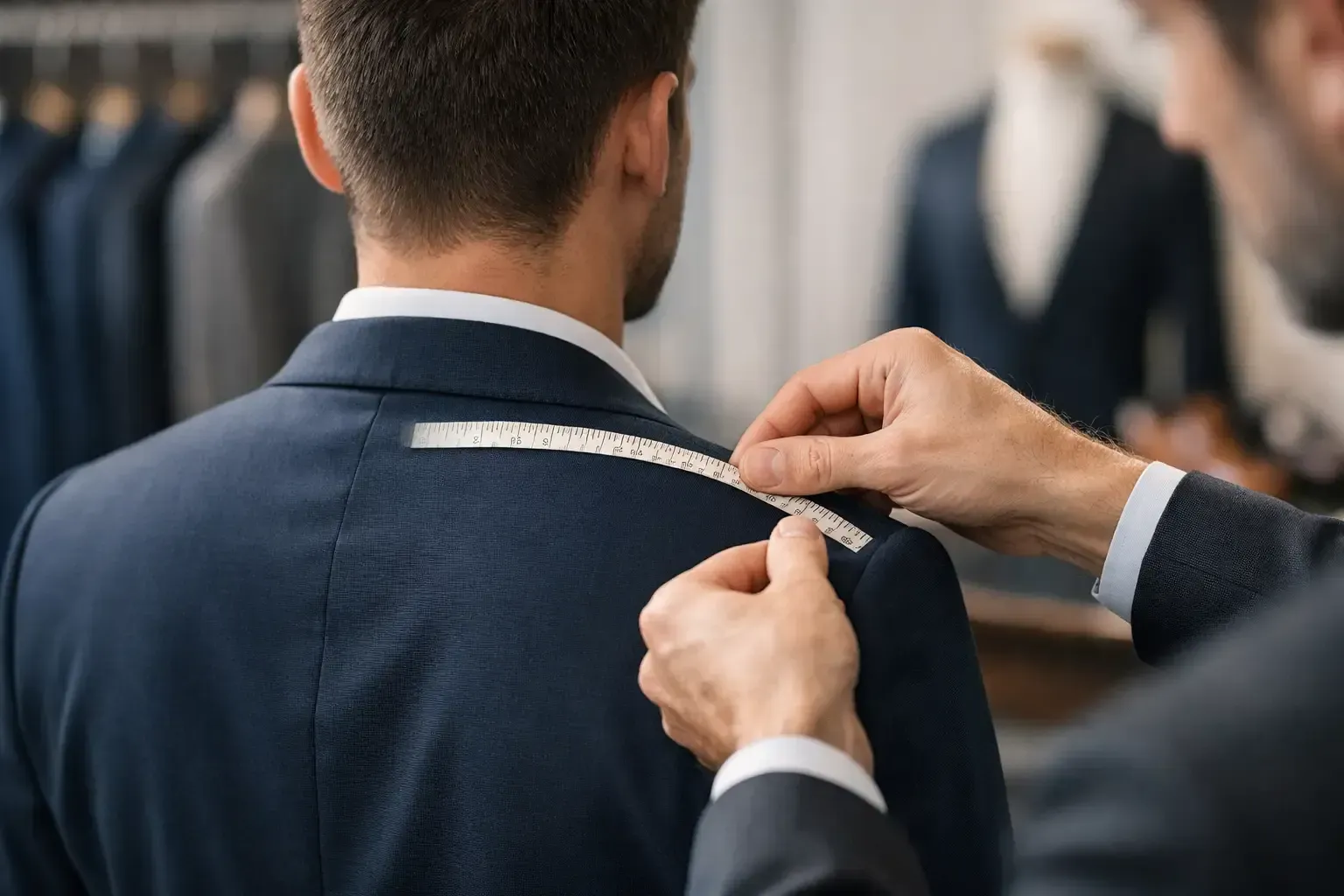
Everything begins with the shoulders. If the shoulder line is too wide, the jacket immediately loses structure and can make a slim man look smaller inside the garment. If it is too narrow, the coat will pinch and throw off the drape through the chest and sleeves.
The shoulder seam should end where your natural shoulder ends. It should sit cleanly and smoothly, with no divots and no overhang. This is the area where compromise is hardest to hide, which is one reason slim clients often struggle with off-the-rack suiting. Many ready-made jackets are graded too broadly through the shoulder for a lean build.
Through the chest, the jacket should lightly skim the body. You want enough room to move comfortably and button the coat without strain, but not so much that fabric stands away from the torso. When buttoned, the lapels should lie flat against the chest. If they bow outward, the coat is too tight. If the front looks loose and hollow, it is too roomy.
A slim man usually benefits from a jacket that defines the upper body with subtle precision rather than exaggeration. Padding should be moderate, not dramatic. Strong shoulders can add presence, but too much structure can look artificial on a naturally narrow frame.
The waist should be shaped, not squeezed
A suit jacket should create a gentle taper from chest to waist. This is where elegance lives. On a slim man, too little suppression can leave the jacket looking boxy. Too much can make it feel fashion-driven and restrictive.
The right fit gives you contour without tension. You should see a clean line at the waist when the jacket is buttoned, but the button should never appear stressed. Wrinkling around the middle is a sign the coat has been taken in too aggressively.
This is an area where personal style matters. Some men want a sharper, trimmer silhouette for eveningwear or a modern wedding suit. Others prefer a slightly softer shape for business dressing. Both can work beautifully. The difference is whether the waist is sculpted with balance or simply made tight for the sake of appearance.
Jacket length matters more than many slim men realize
Short jackets are often marketed as flattering for lean builds, but too short can make the body look unbalanced. A proper jacket should generally cover the seat and create proportion between the upper and lower body.
For slim men, an overly cropped coat can make the legs look disconnected from the torso and give the whole suit a trend-sensitive feel. A touch shorter can look contemporary, but there is a line between modern and undersized. Timeless tailoring almost always wins here.
Sleeves and armholes make the suit look refined
Sleeve fit is easy to overlook until the rest of the suit is nearly perfect. On a slim build, bulky sleeves can spoil an otherwise elegant silhouette. The sleeve should be trim without clinging, with enough room for a shirt underneath and clean movement through the arm.
Higher armholes are often especially flattering for slimmer men because they create a cleaner line and allow better mobility without excess fabric. This is one of those details clients may not ask for directly, but they feel the difference when they wear the garment.
Jacket sleeves should end around the wrist bone, allowing about a quarter inch to half an inch of shirt cuff to show. That small reveal adds polish. Too long, and the jacket looks careless. Too short, and it can appear shrunken.
How should suit trousers fit slim men?
Suit trousers should continue the same philosophy as the jacket - close, clean, and balanced. Slim men often assume they need the narrowest possible trouser, but that is not always the most flattering choice. Very tight trousers can overemphasize thinness and make the suit feel less sophisticated.
The ideal trouser follows the leg without gripping it. Through the seat, the fabric should lie smooth, with no sagging and no pulling. Through the thigh, a slim man usually looks best with a tailored line that gives shape but still allows natural movement.
From the knee down, the leg can taper gently. The key word is gently. A severe taper can make dress shoes look oversized and create an imbalanced silhouette. A cleaner, slightly narrowed leg tends to feel more elevated and more versatile.
The rise matters as well. Trousers that sit too low can make the torso look longer and the legs shorter, which is rarely the most flattering outcome for a slim frame. A mid-rise or slightly higher rise usually creates better proportion and gives the jacket and trousers a more harmonious relationship.
Break and length should stay crisp
A slight break or no break often works beautifully for slim men because it keeps the trouser line sharp. Too much fabric pooling at the ankle adds softness where you want precision.
That said, the right length still depends on the trouser opening, the occasion, and your footwear. A formal suit may call for a slightly fuller break than a sleek business suit. The goal is not one universal rule. The goal is a trouser that finishes neatly and supports the overall silhouette.
Fabric and pattern change how the fit reads
Fit is not only about measurements. Fabric choice changes the visual effect of a suit dramatically, especially on a slender build. Very lightweight cloth can cling too closely and highlight every angle of the body. Heavier fabrics often drape better and create a more composed silhouette.
Texture can also add dimension. A worsted wool in a classic business weight is a dependable choice, but slim men can also benefit from subtle patterns or textured weaves that bring visual depth. Faint plaids, understated stripes, and rich seasonal fabrics can make the suit feel more substantial without being flashy.
This is where custom clothing becomes especially valuable. The same pattern cut in a different cloth can look sharper, softer, broader, or leaner. A good tailor does not just measure the body. He considers how fabric, structure, and style details work together on that body.
The biggest mistakes slim men make with suits
The most common mistake is confusing slim fit with tight fit. A suit should be shaped, not stretched. If the jacket pulls at the button, the sleeves cling, or the trousers feel painted on, the result is less elegant, not more.
The second mistake is accepting extra room because it seems safer. Many slim men have worn loose off-the-rack clothing for so long that a proper fit feels unfamiliar at first. But roominess rarely looks luxurious. Precision does.
Another frequent issue is ignoring proportion. Narrow lapels, ultra-short jackets, and extremely tapered trousers can all seem flattering in isolation, yet together they can make the suit look overly stylized. For most men, especially when dressing for work, weddings, or significant events, a refined silhouette with timeless proportions offers more confidence and longevity.
Why bespoke fit makes such a difference for slender builds
Slim men are often among the hardest to fit well in standard sizing because the drop between chest, waist, and seat can vary more than ready-made garments allow. One size may fit the shoulders but overwhelm the torso. Another may fit the waist but strain elsewhere.
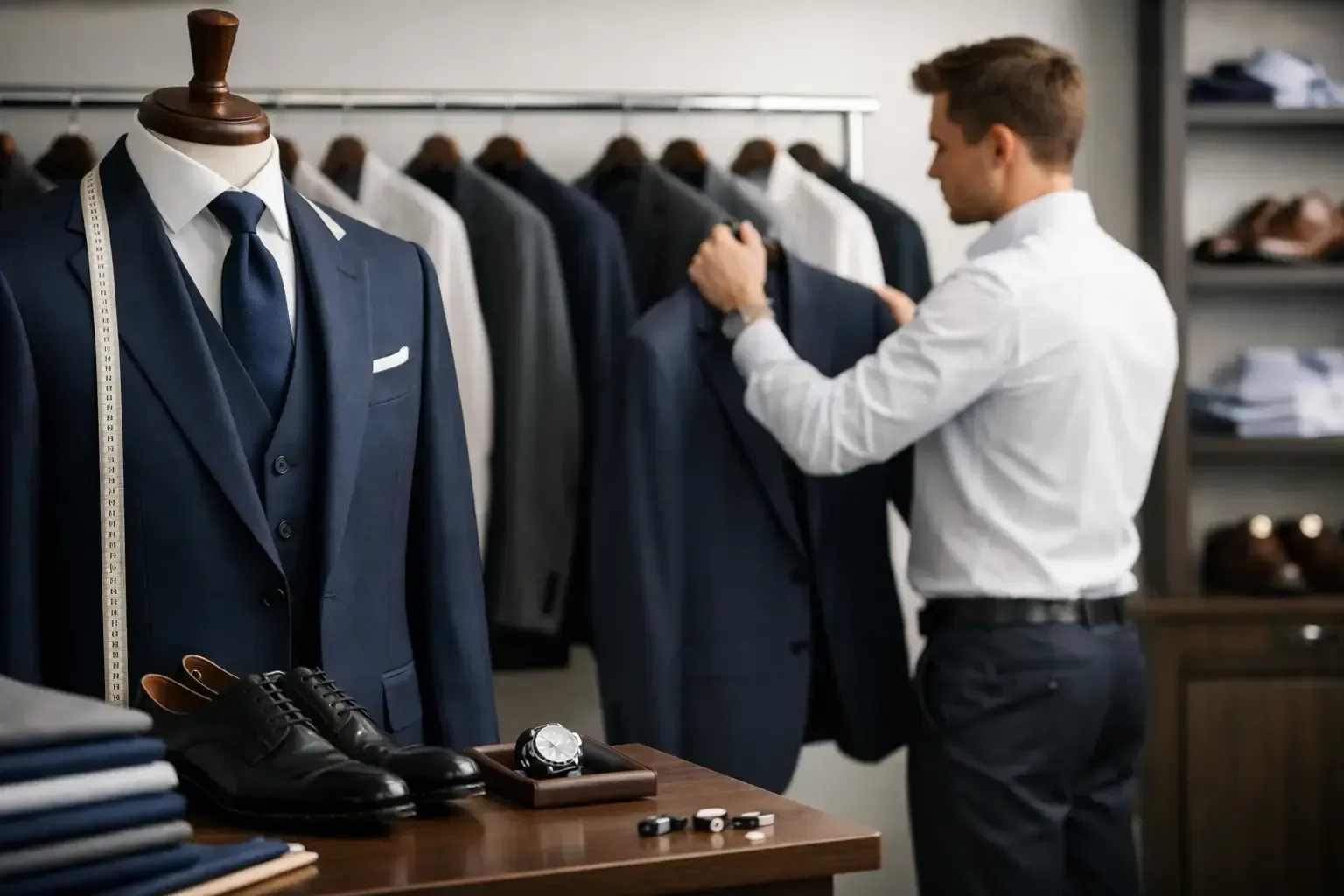
A bespoke or made-to-measure approach resolves those compromises. It allows the coat to sit correctly at the shoulder, shape the waist with intention, and balance trouser width to the individual frame. It also gives you control over the visual details that matter - lapel width, button stance, jacket length, pocket style, fabric weight, and lining choices.
At Kamran Bespoke, that process is not only about measurements. It is about understanding how you want to look and feel in the garment. A groom may want a sharper silhouette with a touch more presence. A business client may want understated authority that wears beautifully year after year. The right fit serves both the body and the moment.
A suit should never make a slim man feel like he has to apologize for his frame or disguise it. The right one brings structure where it is needed, ease where it matters, and elegance throughout. When a suit is tailored to perfection, a lean build does not become a challenge to solve. It becomes the reason the garment looks exceptional.