
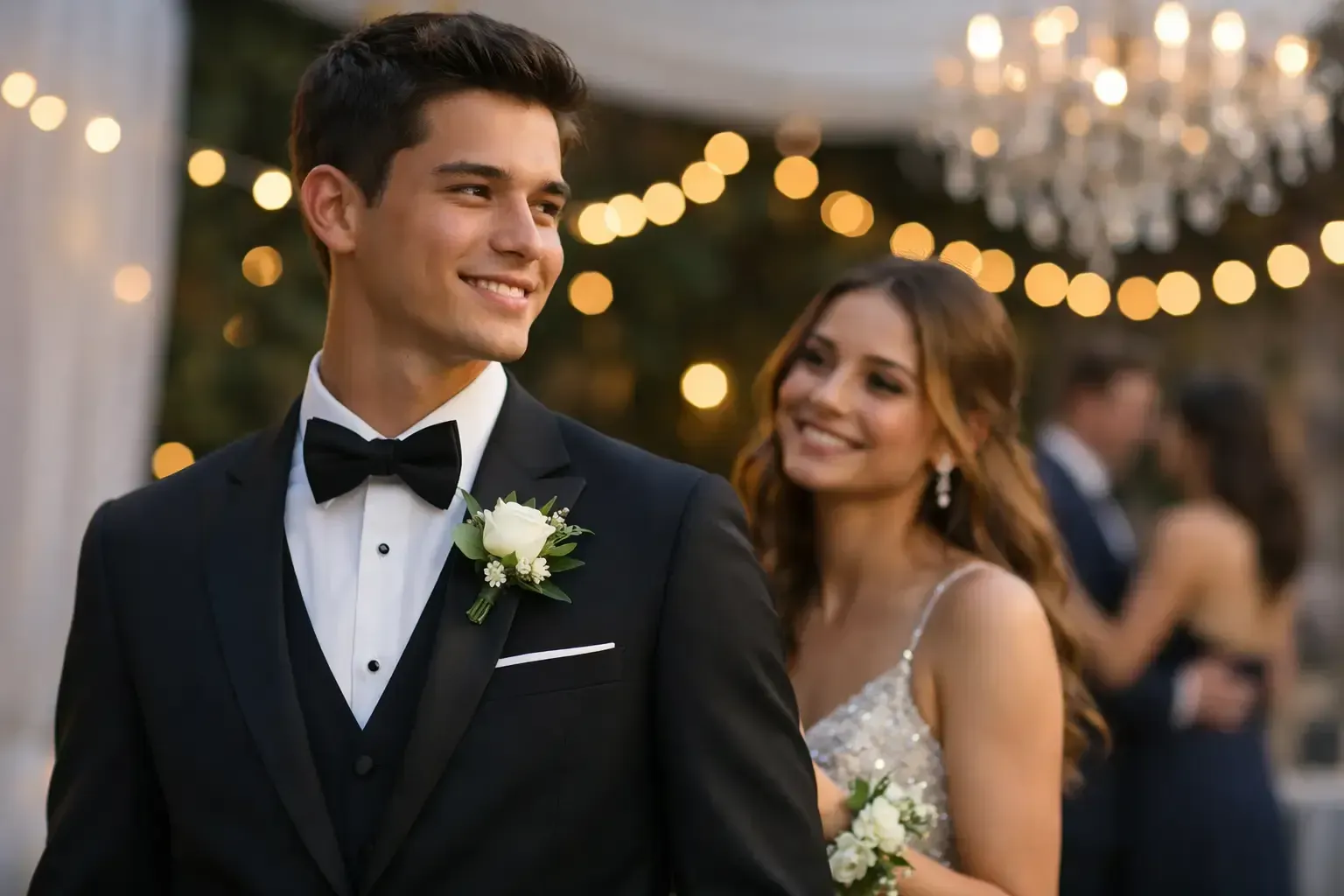
A great suit rarely comes together in a single appointment. If you are asking how many suit fittings are needed, the honest answer is usually two to four, depending on the garment, the level of customization, and how exacting you want the final fit to be.
That number surprises some clients, especially if they have only bought off-the-rack clothing with quick alterations. But a custom suit is a different experience. It is built around your posture, proportions, preferences, and the way you want to present yourself. The fittings are not extra steps for the sake of ceremony. They are where precision takes shape.
How many suit fittings are needed for a custom suit?
For most custom suits, two or three fittings are typical. A simpler made-to-measure suit may need fewer appointments, while a true bespoke garment often benefits from more. If the suit is for a wedding, black-tie event, or another high-visibility occasion, an additional fitting can be worthwhile for peace of mind.
The right number depends on several factors. Fabric behavior matters. Body shape matters. Your expectations matter. A client who wants a clean, classic business fit may move through the process differently than someone commissioning a sharply sculpted dinner jacket or a three-piece wedding suit with very specific styling details.
This is why there is no single universal answer. A well-made suit should look effortless, but getting there is a careful process.
Why multiple fittings matter
A suit can look acceptable and still not be right. Many men have worn jackets that seemed fine while standing still, then pulled at the lapels, collapsed at the collar, or strained across the seat as soon as they moved. Fit is not just about measurements on paper. It is about balance, drape, movement, and proportion.
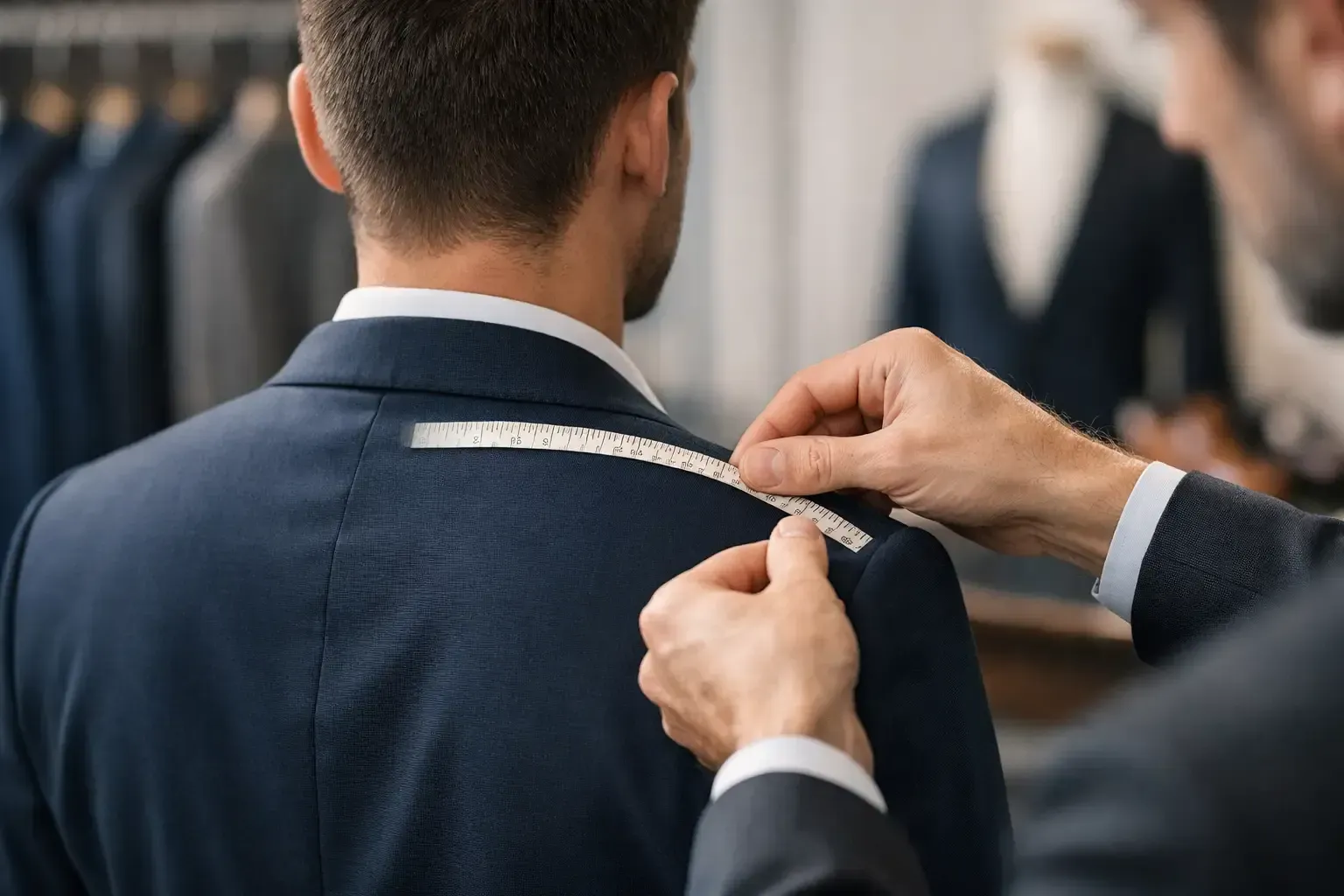
A fitting allows the tailor to assess how the garment behaves on your body in real life. Shoulder slope, stance, arm position, chest shape, and posture all affect how cloth hangs. Small refinements in one area often influence another. Adjusting sleeve pitch, for example, can change how the front of the coat appears. Tapering trousers can alter the visual balance of the entire silhouette.
This is also where personal taste enters the picture. Some clients prefer a bit more room through the thigh for comfort. Others want a closer waist suppression for a stronger V-shape. Neither is automatically right or wrong. The fitting process translates your preferences into a finished garment that feels distinctly yours.
What happens at each fitting
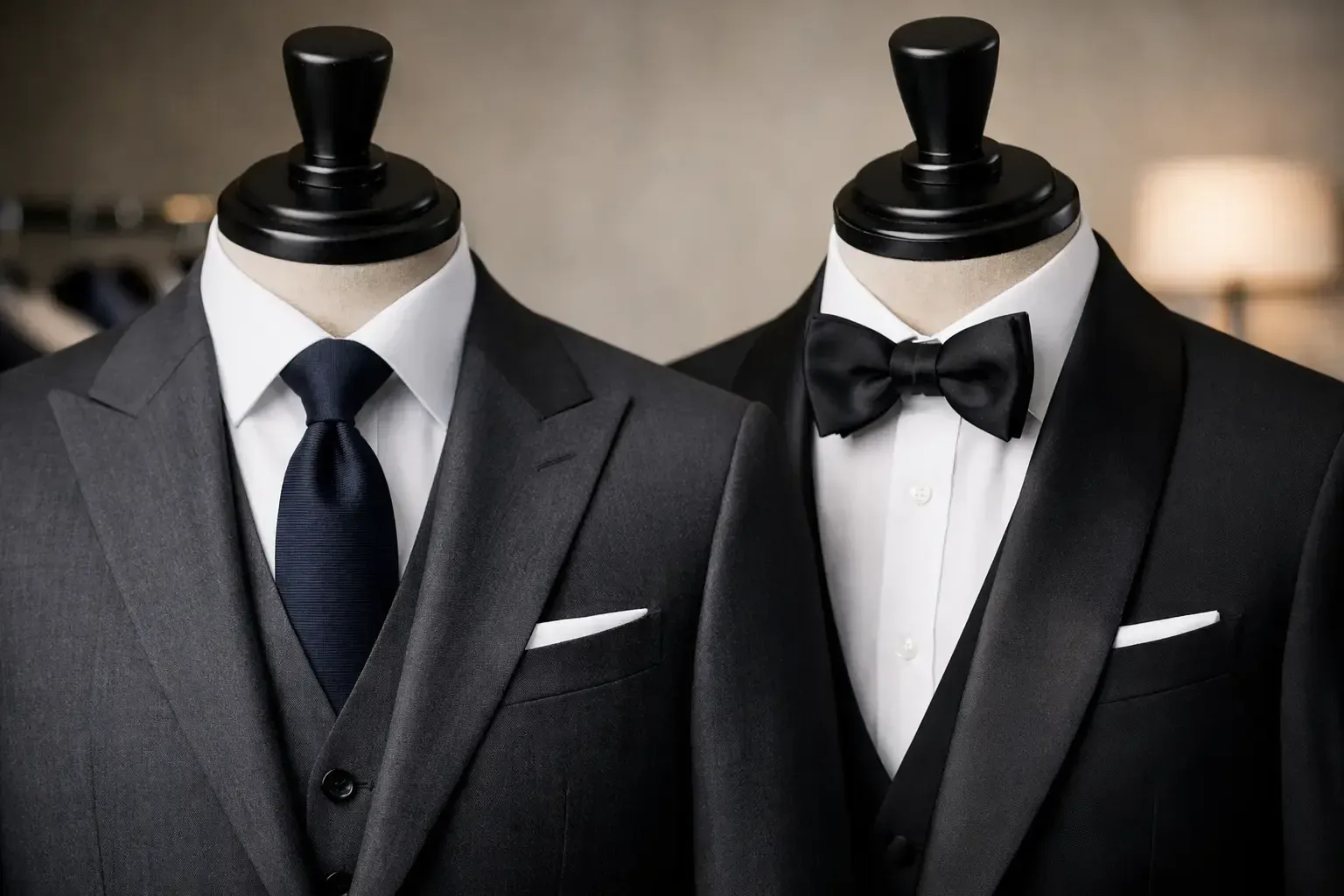
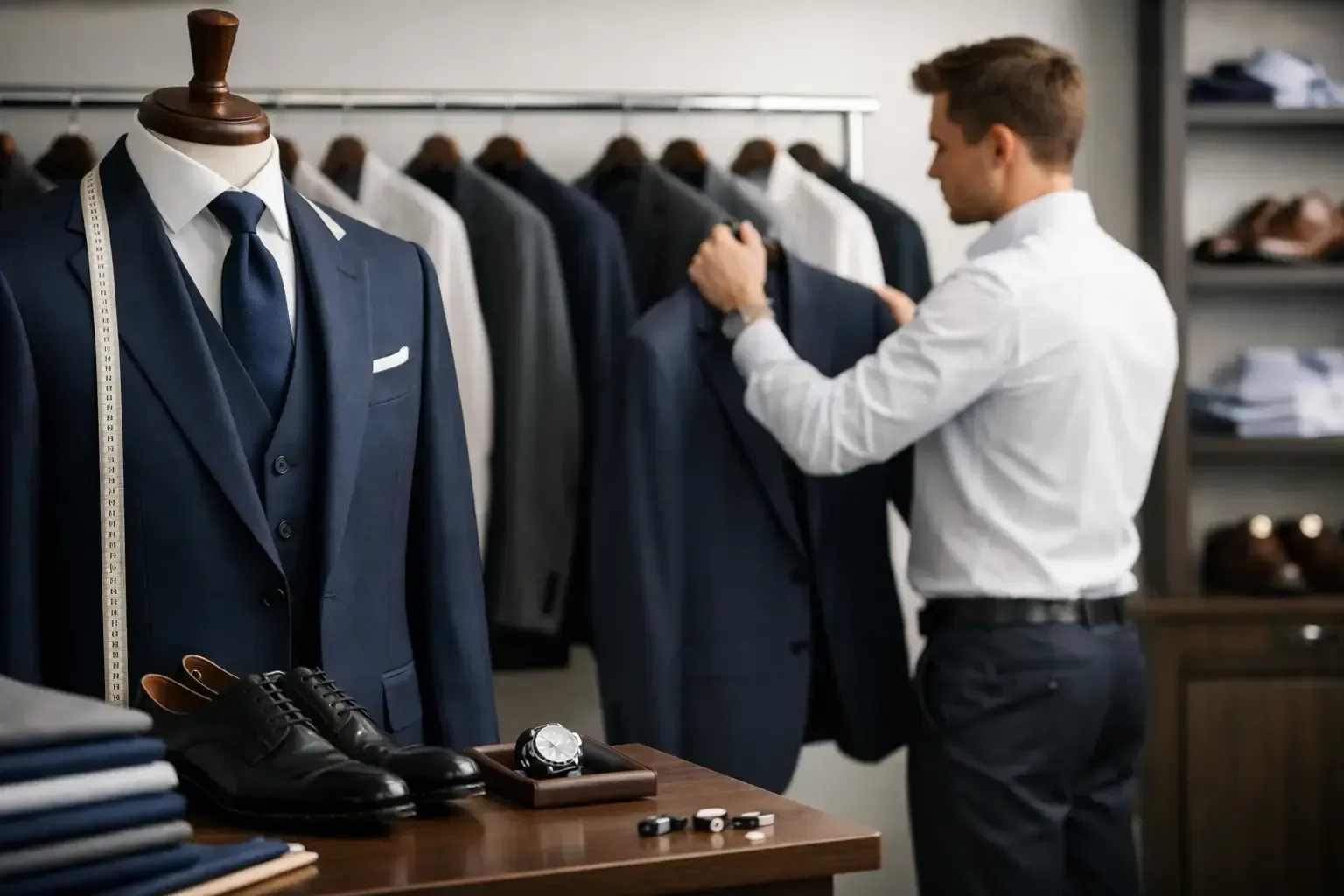
The first appointment is usually the most detailed. Measurements are taken, fabric is selected, and design choices are discussed. This is where the foundation is set - lapel style, button stance, pocket style, lining, trouser break, and the overall character of the suit. If the cloth is especially structured or fluid, that can affect how the garment will be shaped later.
A second appointment often involves trying on the suit in a partially finished or first-fitted stage. This is where major refinements are identified. The tailor checks jacket length, sleeve length, chest balance, waist shape, trouser rise, seat, and leg line. At this stage, the suit starts to reveal its personality, but it may still need meaningful adjustment.
A third fitting is usually more precise. The broad structure is already established, so the attention shifts to nuance. This may include refining the jacket suppression, cleaning the sleeve break, adjusting trouser hem, or making sure the collar sits cleanly against the shirt. For many clients, this is the point where the suit starts to feel truly tailored to perfection.
If a fourth fitting is needed, it is often because the garment is especially detailed, the client has a hard-to-fit body shape, or the suit is tied to an important deadline where no compromise is acceptable. For wedding attire, this extra step can be especially valuable.
Made-to-measure versus bespoke
When people ask how many suit fittings are needed, they are often comparing two very different processes without realizing it.
Made-to-measure typically starts from an existing pattern that is adjusted to your measurements and fit profile. Because the base model already exists, the process is often more efficient. One fitting after the initial consultation may be enough, though two is common if the fit goal is more refined.
Bespoke is more exacting. The pattern is created for you, and the garment evolves through fittings. That usually means more appointments, but also more control over the final result. The reward is a suit shaped not just to your size, but to your proportions, stance, and style in a much more individual way.
Neither route is automatically better for every client. It depends on your priorities. If time and simplicity are the main concerns, made-to-measure can be a strong option. If precision, craftsmanship, and a highly personalized fit are the objective, bespoke generally calls for more fittings and delivers a more distinctive result.
When you may need more fittings
Some clients move through the process quickly. Others need a little more time, and that is not a sign that anything is wrong. In many cases, it reflects a higher standard.
You may need additional fittings if you have noticeable posture variations, uneven shoulders, a prominent seat, a very athletic build, or a particularly slim frame that off-the-rack clothing rarely serves well. These details affect balance and proportion in ways that cannot always be solved in one round of changes.
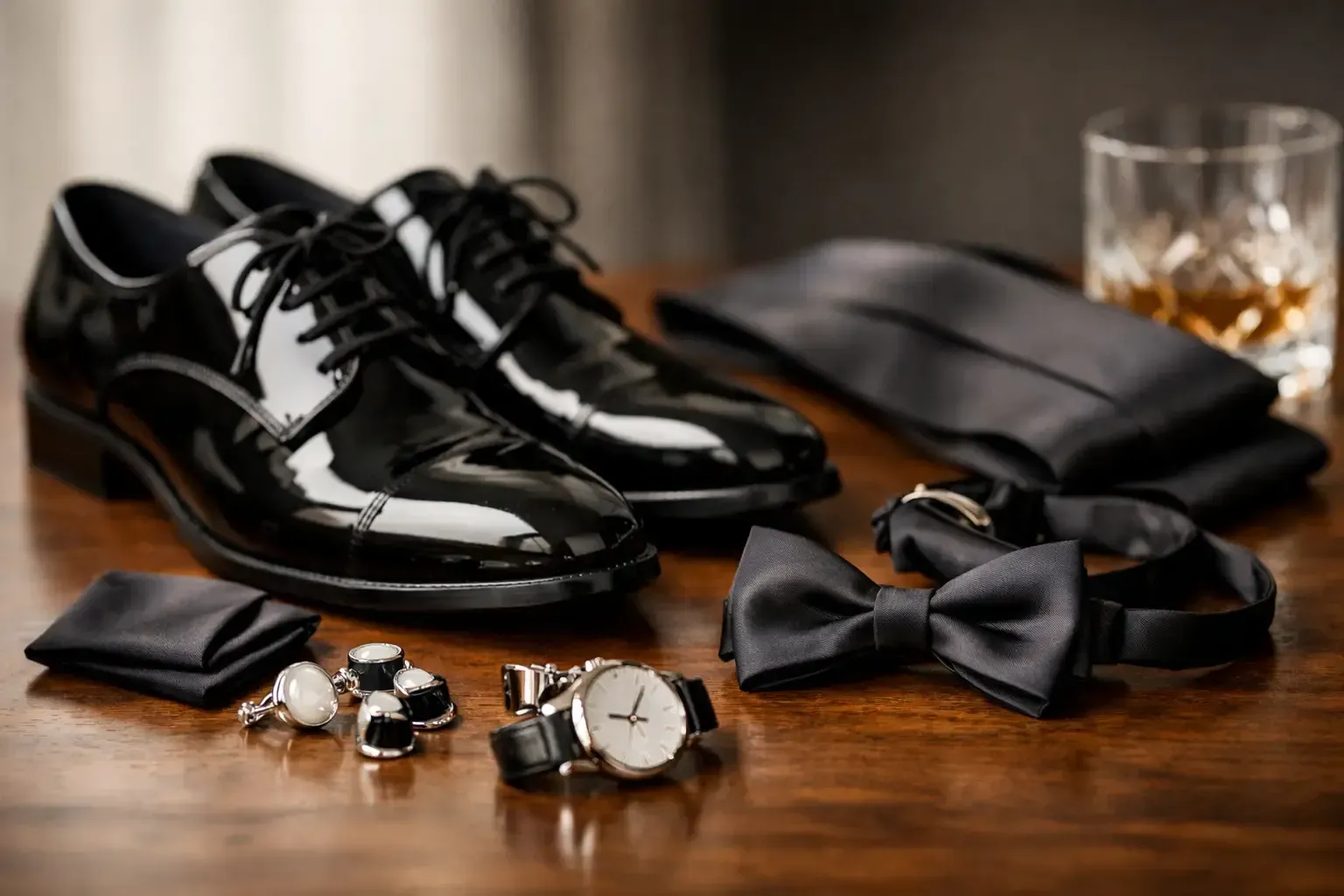
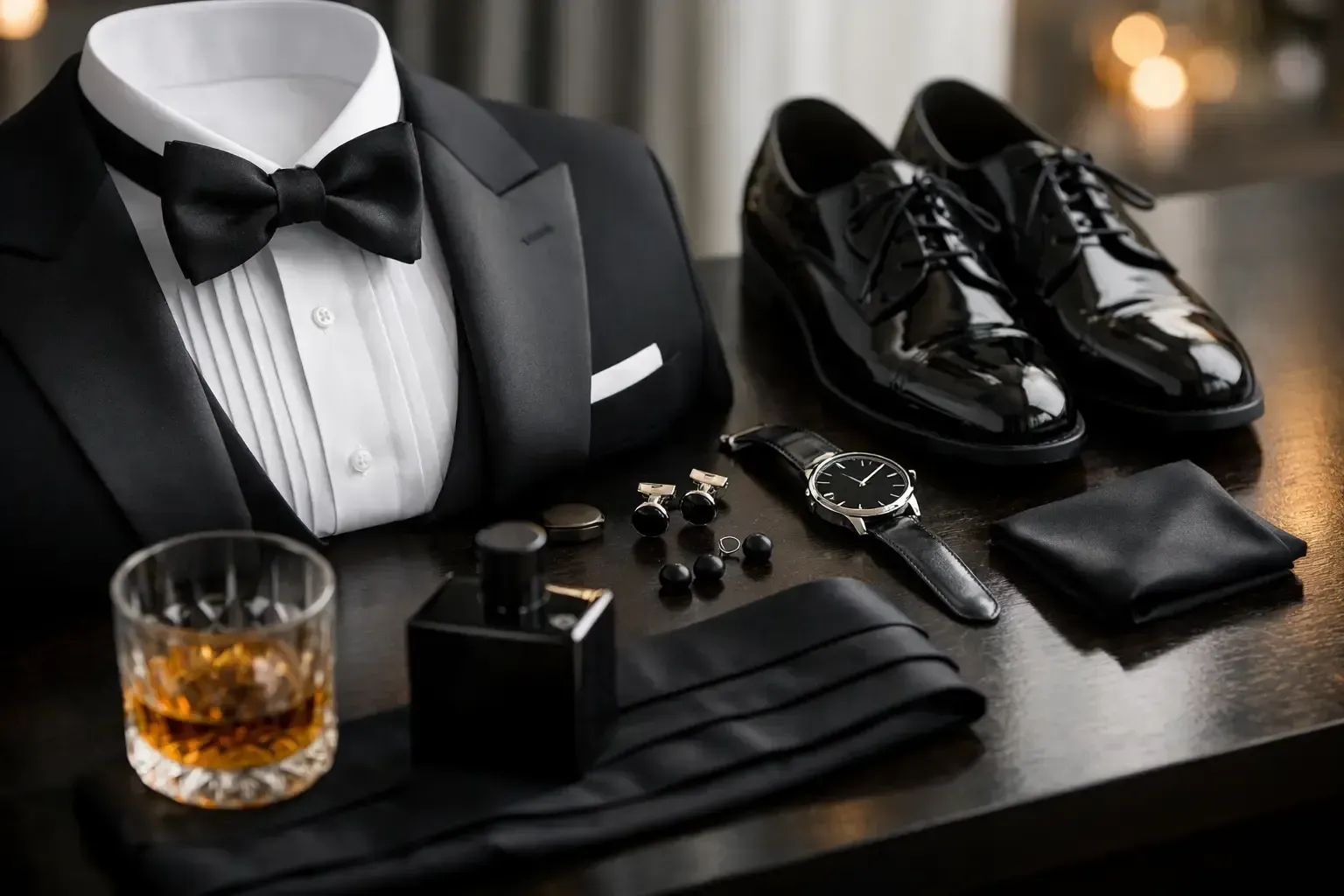
Special-occasion garments can also require more attention. A tuxedo for a black-tie gala or a wedding suit that will be photographed all day deserves scrutiny. So does a statement piece in a bold fabric or a coat with more structure. The more tailored and visible the garment, the more valuable those incremental refinements become.
Weight fluctuations can also change the timeline. If your event is months away and your body changes in the meantime, an extra fitting may be necessary to preserve the intended silhouette.
How to make the fitting process smoother
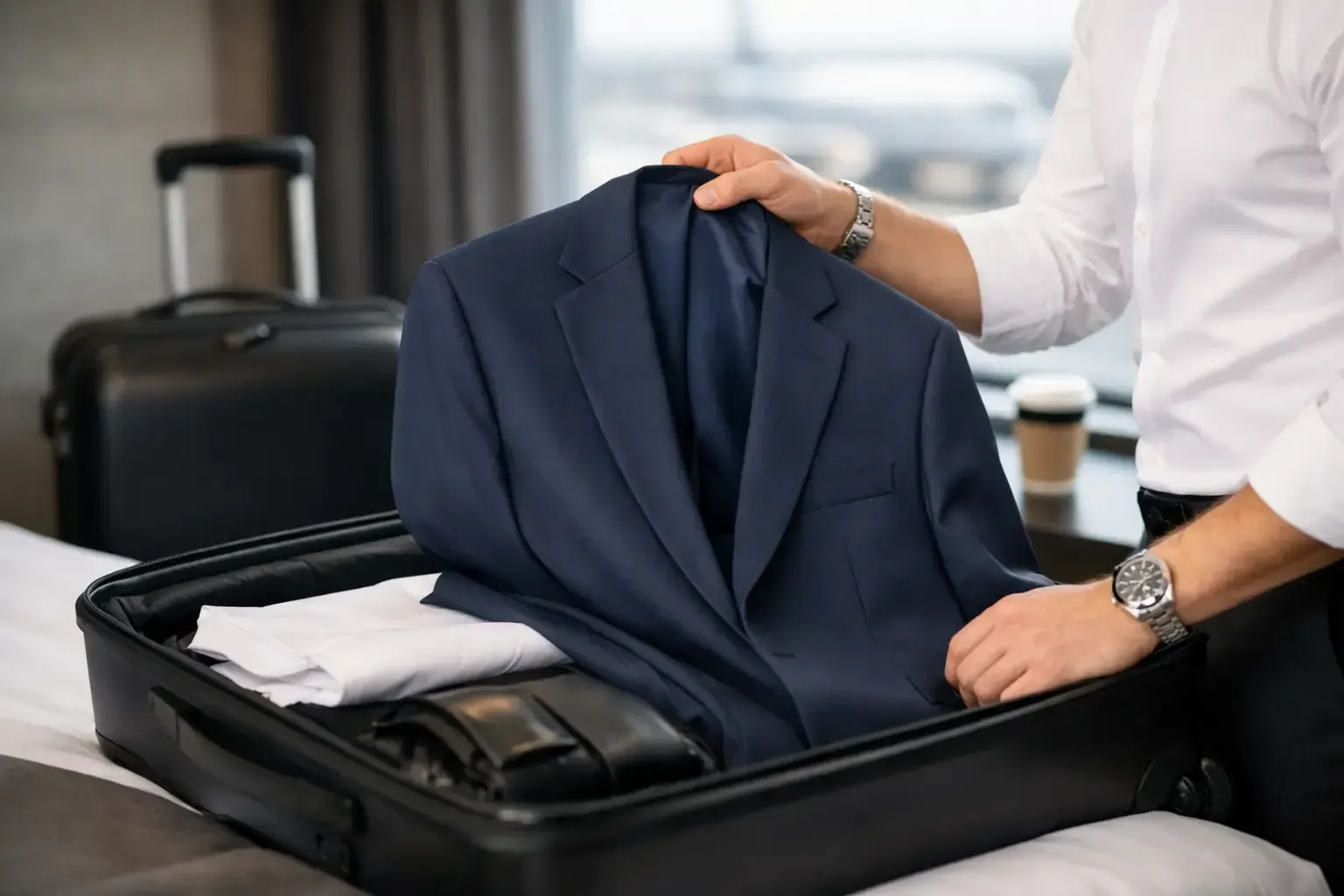
The quality of the result depends not only on the tailor’s skill, but also on your consistency as a client. Arrive wearing the kind of shirt and shoes you expect to pair with the suit, especially if trouser length and jacket proportion are being assessed. If the suit is for your wedding, bring the dress shoes you actually plan to wear.
Be honest about comfort. A suit should feel clean and flattering, but it should also allow you to sit, walk, and move naturally. If something feels too close or too loose, say so. A fitting works best when your preferences are clear.
It also helps to avoid rushing. Last-minute commissioning narrows the margin for thoughtful adjustments. If the suit matters, give the process enough time. That breathing room often makes the difference between a good outcome and an exceptional one.
How many suit fittings are needed for weddings and events?
For weddings and major formal events, three fittings is often a smart expectation. Even when two may technically be enough, the extra appointment offers reassurance. It gives you time to see the near-finished garment, assess it with your full look in mind, and make sure every detail feels right before the date arrives.
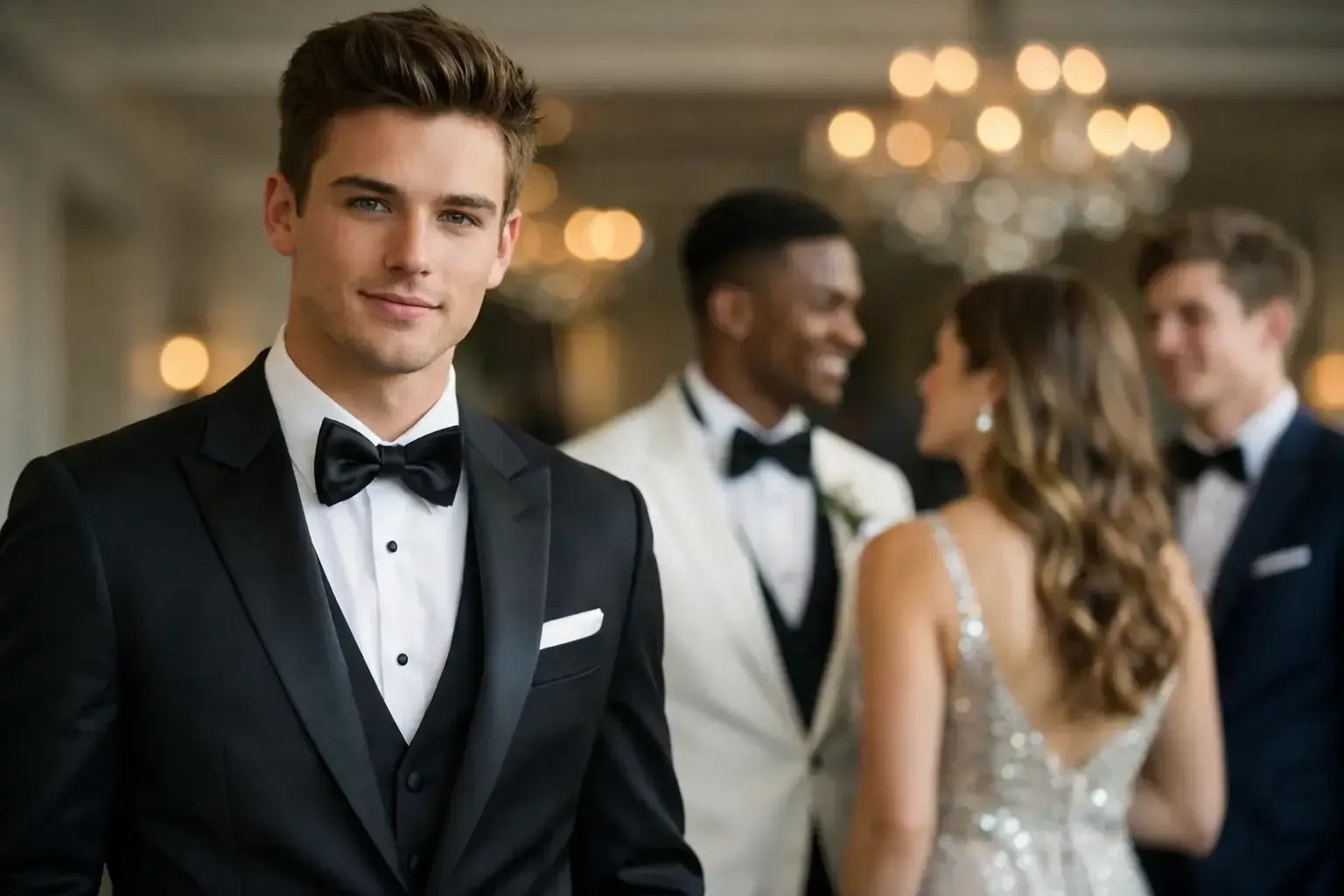
This matters even more for grooms, where the suit carries both visual and emotional weight. You are not simply getting dressed. You are preparing for a moment that will be photographed, remembered, and felt. Confidence comes from knowing the fit is not merely acceptable, but polished and intentional.
That is one reason many clients value a more personal, appointment-based experience. At Kamran Bespoke, the fitting process is treated as part of the craft itself, not a brief stop between purchase and pickup.
The better question to ask
Instead of asking only how many fittings a suit should take, ask what those fittings are meant to achieve. The right process is the one that produces a suit that looks balanced, feels comfortable, and reflects your standards.
For some men, that happens in two appointments. For others, it takes three or four. What matters is not minimizing the number. It is respecting the garment enough to let the fit be finished properly.
A well-tailored suit should never feel like guesswork. It should feel like certainty the moment you put it on.