
A summer wedding suit can look impeccable at the ceremony and feel unbearable by cocktail hour if the fabric is wrong. When clients ask us about the best suit fabric for summer wedding dressing, the answer is rarely just one cloth. It depends on the setting, the dress code, the humidity, and how polished you want the final look to feel from the first photo to the last dance.
The right fabric does more than keep you cool. It shapes the silhouette, affects how the jacket drapes, and determines whether your suit reads relaxed, formal, or somewhere in between. For a groom, a groomsman, or a guest who wants to look considered rather than simply dressed, fabric selection is where summer style begins.
What makes the best suit fabric for summer wedding wear?
Summer suiting performs best when it balances three things: breathability, weight, and appearance. A breathable cloth helps heat escape and keeps air moving. A lighter weight reduces bulk. Appearance matters because some fabrics naturally wrinkle more, some hold a sharper crease, and some carry a more refined finish under daylight.
That is why the best suit fabric for summer wedding wear is not always the lightest option on the bunch. If a beach ceremony calls for ease and texture, linen may be ideal. If the event is black tie optional at a luxury venue, a lightweight wool may serve you better because it stays cleaner and more structured through the evening.
Construction also matters. Even an excellent fabric can feel heavy if the garment is overbuilt. A well-made summer suit often benefits from lighter canvassing, thoughtful lining choices, and a cut that allows movement without excess cloth. Fabric and tailoring should work together.
Linen: the classic summer answer
Linen is often the first recommendation for warm-weather weddings, and for good reason. It is breathable, light, and visually effortless. Linen has a natural texture that feels elegant without appearing overly formal, which makes it particularly strong for outdoor ceremonies, destination weddings, garden venues, and daytime celebrations.
The trade-off is wrinkle behavior. Linen creases easily, and that is part of its character. On the right occasion, those wrinkles read as relaxed sophistication. On the wrong occasion, especially in a very formal ballroom setting, they can appear too casual. If you appreciate ease and personality in your tailoring, linen is a strong choice. If you want a razor-sharp look from start to finish, another fabric may suit you better.
Color matters with linen. Lighter neutrals, soft blues, sage, tan, and dusty pastels feel especially right in summer light. A cream or stone linen suit can be striking for a groom, while a tobacco or light brown linen blend offers warmth and distinction without feeling heavy.
Tropical wool: the refined performer
Many people are surprised to learn that wool can be one of the smartest warm-weather fabrics. Tropical wool is woven to be light and breathable, and it offers a cleaner drape than linen with fewer visible wrinkles. For clients who want polish, especially at formal weddings, tropical wool is often the most versatile answer.
It works beautifully for evening weddings, church ceremonies, and upscale venues where structure still matters. It also travels well and holds its shape throughout the day. In humid climates, that balance of breathability and elegance is hard to beat.
Tropical wool is particularly effective when the dress code leans formal but the temperature says otherwise. A light gray, medium blue, or muted taupe tropical wool suit can feel seasonally appropriate while still delivering the precision and presence expected from tailored clothing.
Wool-silk and wool-linen blends: the best of both worlds
For many summer weddings, blended fabrics are where the sweet spot lives. A wool-linen blend can provide the airy character of linen with slightly better crease resistance and more shape. A wool-silk blend can add subtle luster and an elevated finish, especially useful when the event calls for sophistication without heaviness.
These blends tend to feel more intentional than fabric selected only for temperature. They let you calibrate the look. Want texture, but not too much? A linen blend may be right. Want a touch of luxury with a light hand? Wool-silk can be exceptional.
This is often where bespoke guidance becomes valuable. Two fabrics may look similar on a hanger and wear very differently over six hours in summer heat. The right recommendation takes into account the venue, ceremony time, body temperature, and the image you want to project.
Cotton suits: sharp, but situational
Cotton is breathable and familiar, and in the right context it can work well for summer weddings. A cotton suit often feels crisp and approachable, making it a good option for daytime events with a semi-formal or cocktail dress code.
Still, cotton has limitations. It wrinkles, though usually in a different way than linen, and it can lack the fluid drape of fine wool. It may also feel less elevated for a groom unless the styling is very deliberate. For guests, cotton can be a smart choice. For a wedding party or groom seeking a more luxurious presence, there are usually stronger options.
If you choose cotton, color and fit become especially important. A beautifully tailored cotton suit in a refined summer shade can look confident and modern. A poorly fitted one can look ordinary very quickly.
Seersucker: ideal for the right setting
Seersucker has a distinctive puckered texture that promotes airflow and signals warm-weather dressing immediately. It is a classic choice for Southern weddings, daytime celebrations, and outdoor venues with a more relaxed sense of style.
Its strength is personality. Its limitation is formality. Seersucker is rarely the best choice for a black tie optional evening event or a highly formal wedding aesthetic. But for a garden ceremony, country club setting, or summer celebration with a playful, polished mood, it can be excellent.
The key with seersucker is intentional styling. It should look chosen, not improvised. When the fit is clean and the details are restrained, it reads confident rather than costume-like.
Fabric choice depends on the wedding itself
A beach wedding and a ballroom wedding do not ask the same thing from a suit. That is where many men get the decision wrong. They shop for weather alone and ignore the venue, the photography, and the level of dress expected.
For beach and destination weddings, linen and linen blends often make the most sense. They feel natural in sunlight and move well in a breezy setting. For garden weddings, linen, cotton, and lightweight wool can all work depending on the formality. For hotel ballrooms, evening receptions, and more formal ceremonies, tropical wool and refined wool blends usually deliver the best balance of comfort and elegance.
If you are the groom, consider how your suit will look next to the wedding palette and your partner’s attire. Texture, sheen, and color all become more noticeable in photos. The best fabric is not just comfortable in person. It also looks composed in motion and under natural light.
Why fit changes how summer fabric feels
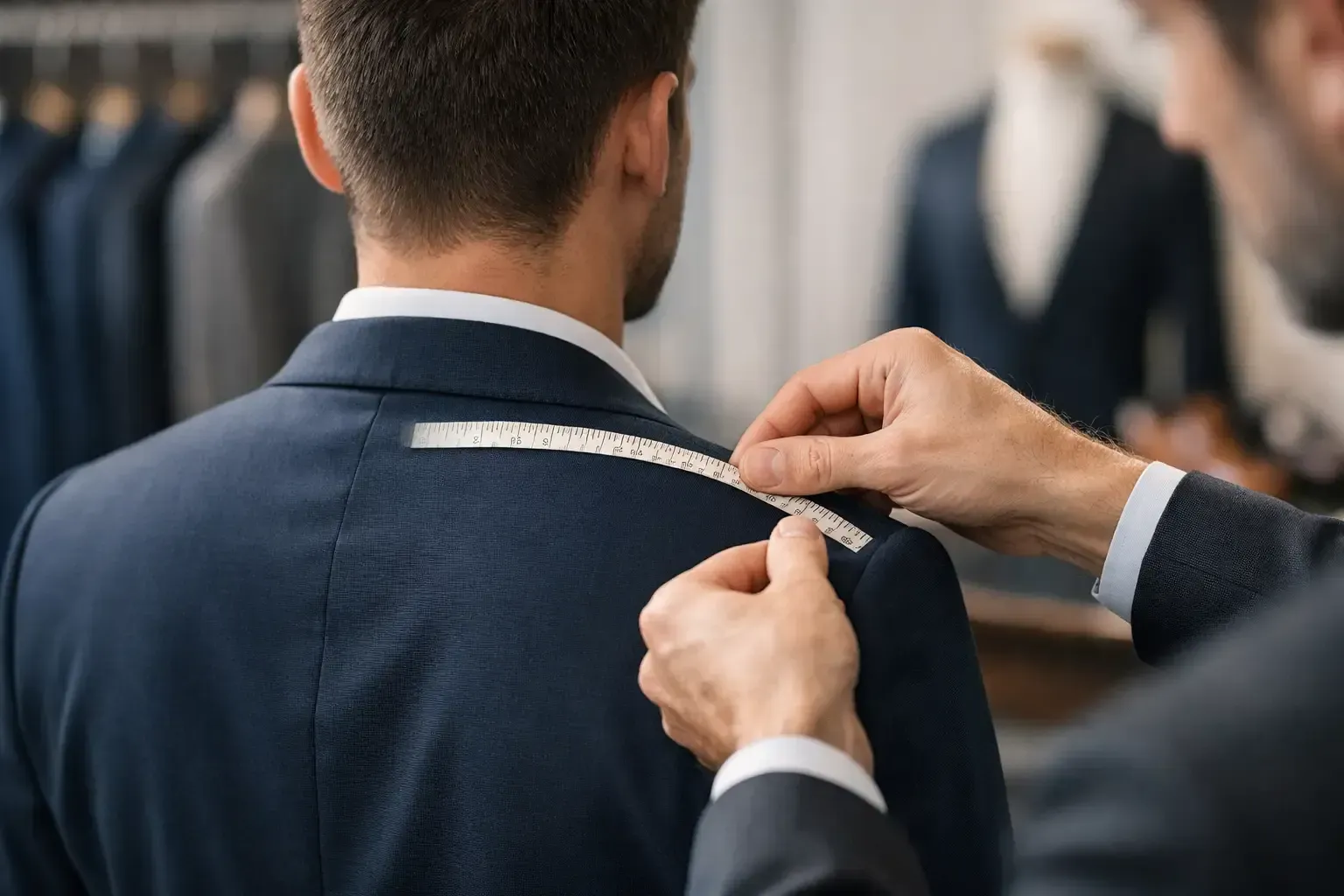
Fabric gets most of the attention, but fit determines whether the suit actually feels good in the heat. A jacket cut too close can trap warmth and restrict airflow. Trousers cut too heavily can cling and crease in all the wrong places. On the other hand, a suit that is too loose can lose elegance and look less intentional.
A custom approach helps solve that tension. You want enough shape to look tailored, with enough room to stay comfortable through the event. This is especially important for men who struggle with off-the-rack proportions, whether they are athletic, slender, broad-shouldered, or between standard sizes.
The same principle applies to finishing details. Lining choice, shoulder structure, pocket style, and trouser break all influence how summer suiting wears. At Kamran Bespoke, those decisions are part of creating a garment that feels as good as it looks.
So what is the best suit fabric for summer wedding dressing?
If you want one answer, tropical wool is the most versatile and consistently elegant option for many summer weddings. It offers breathability, clean drape, and a refined finish that works across a wide range of venues and dress codes.
If your wedding is more relaxed, outdoors, or destination-based, linen deserves serious consideration. If you want something nuanced, a wool-linen or wool-silk blend often gives you the best balance of comfort and sophistication.
The smartest choice is the one that suits the occasion, wears well in the climate, and supports the image you want to present. Summer tailoring should never feel like a compromise between comfort and style. When the fabric is chosen well, the suit feels light, photographs beautifully, and carries you through the day with confidence.
The best summer wedding suit is not simply the coolest one. It is the one tailored to the moment, the setting, and the man wearing it.